


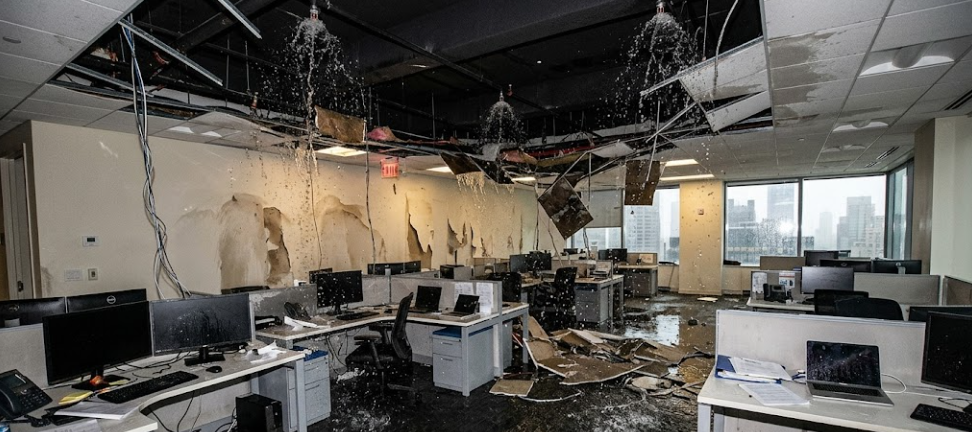
When a fire breaks out in a home or business, most people brace themselves for smoke stained walls and charred belongings. What often catches property owners off guard is a second, less expected source of destruction: the water used to stop the flames. Understanding fire sprinkler water damage vs fire damage statistics helps homeowners, business owners, and property managers prepare for the full scope of recovery, not just the visible fire damage everyone expects.
This article breaks down the real numbers behind fire sprinkler water damage vs fire damage statistics, explains why water damage from suppression efforts can sometimes exceed the cost of the fire itself, and outlines exactly what a proper recovery process looks like. If you are trying to understand what to expect after a fire, or you are simply researching how sprinkler systems affect property damage, this guide will give you the clarity you need.
Why Fire Sprinkler Water Damage vs Fire Damage Statistics Matter
Fire sprinklers save lives. According to the National Fire Protection Association, home fire sprinklers reduce the risk of dying in a home fire by about 80 percent when compared to homes without them. That statistic alone makes sprinkler systems one of the most effective safety investments a property owner can make.
However, the same systems that save lives also release significant volumes of water, and understanding fire sprinkler water damage vs fire damage statistics helps set realistic expectations for the cleanup and restoration process that follows.
A single residential sprinkler head typically releases between 10 and 25 gallons of water per minute, and in a structure fire, multiple heads may activate simultaneously. Compare this to a fire department hose line, which can discharge well over 100 gallons per minute during firefighting efforts.
When you look at fire sprinkler water damage vs fire damage statistics side by side, sprinkler systems consistently cause far less water damage than fire hoses because they activate only in the specific area where heat is detected, rather than flooding an entire structure.
How Much Damage Does Each Type Actually Cause
Insurance industry data consistently shows that structural fire damage tends to be concentrated in the room of origin and areas directly affected by flame and heavy smoke, while water damage can spread far beyond the original fire location.
The National Fire Protection Association also reports that direct property damage from U.S. fires totals billions of dollars annually, and a meaningful portion of that total often comes from water damage caused by firefighting efforts rather than the flames themselves.
When comparing fire sprinkler water damage vs fire damage statistics on a room by room basis, sprinklers tend to limit water damage to the specific activated zone, while a full fire department response using hose lines can introduce water throughout multiple floors, especially in multi-story buildings where water travels downward through ceilings and walls.
Fire Damage: What the Numbers Show
Fire damage itself is typically concentrated but severe. Flames can reach temperatures exceeding 1,100 degrees Fahrenheit, causing structural materials to char, warp, or become completely destroyed. Smoke damage compounds this destruction by spreading acidic soot particles throughout the home within minutes, even into rooms far from the fire’s origin.
The National Fire Protection Association reports that U.S. fire departments respond to a structure fire roughly every 63 seconds, and residential fires alone account for the vast majority of fire related property loss each year. This scale underscores why understanding both fire sprinkler water damage vs fire damage statistics is so important for anyone assessing risk or preparing a recovery plan.
Common Fire Damage Effects
- Structural charring and warping of wood framing
- Melted plastics, wiring, and fixtures
- Acidic soot residue on walls, ceilings, and belongings
- Persistent smoke odor absorbed into porous materials
- Compromised structural integrity requiring engineering assessment in severe cases
Water Damage From Sprinklers and Firefighting: What the Numbers Show
Water damage, whether from sprinklers or fire hoses, introduces its own distinct set of risks. While sprinkler activated water damage is typically more contained, it still requires immediate professional attention. Left untreated, water intrusion can lead to mold growth within 24 to 48 hours, according to most restoration industry standards, particularly in warm climates.
When comparing fire sprinkler water damage vs fire damage statistics from a restoration standpoint, water damage often requires a longer overall recovery timeline because moisture can hide within wall cavities, subflooring, and insulation long after the surface appears dry. Structural fire damage, by contrast, is usually easier to visually identify and assess early in the process.
Common Water Damage Effects
- Saturated drywall, insulation, and flooring
- Warped or delaminated wood surfaces
- Rapid mold growth if not dried within 24 to 48 hours
- Electrical hazards from water contacting wiring or outlets
- Damage to belongings not directly affected by fire or smoke
Why Both Forms of Damage Require Professional Restoration
Whether a property experiences primarily fire damage, primarily water damage from sprinklers, or a combination of both, professional restoration is essential. Attempting to assess fire sprinkler water damage vs fire damage statistics on your own, without training in moisture detection or structural fire assessment, often results in overlooked damage that surfaces weeks or months later as mold, odor, or structural weakness.
The Combined Recovery Process
A qualified restoration company typically addresses both forms of damage in a coordinated process rather than treating them separately.
Step 1: Structural and Moisture Assessment Technicians use thermal imaging cameras and moisture meters to map both the fire damaged areas and any water intrusion from sprinklers or hose lines, since water can travel far beyond the visible wet areas.
Step 2: Water Extraction and Drying Any standing water is extracted immediately using industrial pumps, followed by strategically placed air movers and dehumidifiers to dry the structure before mold can develop.
Step 3: Soot and Smoke Remediation Acidic soot residue is cleaned from all affected surfaces using specialized techniques suited to each material, from wood and drywall to metal and fabric.
Step 4: Odor Neutralization Ozone treatment or hydroxyl generators are used to eliminate smoke odor at a molecular level, addressing a challenge that basic cleaning cannot solve.
Step 5: Structural Repairs and Reconstruction Once the property is fully dry and sanitized, damaged materials are repaired or replaced, restoring the structure to a safe, livable condition.
How Insurance Handles Fire Sprinkler Water Damage vs Fire Damage Statistics
Most homeowners and commercial property insurance policies cover both fire damage and the resulting water damage from firefighting or sprinkler activation, since both are considered a direct result of the same covered event. That said, insurance adjusters often evaluate fire sprinkler water damage vs fire damage statistics separately when calculating claims, documenting each type of damage individually to determine appropriate compensation.
Working with a restoration company experienced in both fire and water damage documentation can help ensure your claim accurately reflects the full scope of the loss, rather than underestimating the water damage component, which is a common and costly oversight.
Why Sprinkler Systems Remain a Smart Investment
Despite the water damage that accompanies sprinkler activation, the data overwhelmingly supports their value. Property loss per fire incident is typically significantly lower in sprinklered buildings compared to those without sprinklers, largely because sprinklers contain fires quickly before they spread to additional rooms or floors.
When you weigh fire sprinkler water damage vs fire damage statistics as a whole, the localized water damage from a sprinkler system is almost always far less costly and easier to remediate than the extensive structural and smoke damage that results when a fire burns unchecked and requires a full fire department response.
Choosing the Right Restoration Partner
Because fire sprinkler water damage vs fire damage statistics show two very different damage patterns, it is important to choose a restoration company experienced in handling both simultaneously. Look for a provider with rapid emergency response, certified technicians trained in both fire and water restoration, advanced moisture detection equipment, and a proven track record working directly with insurance adjusters to document combined losses accurately.
Get Expert Help Restoring Your Property Today
Whether your property has experienced extensive fire damage, sprinkler activated water damage, or both, the recovery process should begin immediately. Every hour of delay increases the risk of mold growth, structural deterioration, and permanent loss of belongings that could otherwise have been saved.
PuroClean’s certified restoration specialists understand the full picture of fire sprinkler water damage vs fire damage statistics and bring the expertise needed to handle both challenges at once. Our team responds quickly, documents every detail for your insurance claim, and works tirelessly to restore your property to a safe, healthy condition.
Do not let water damage compound the losses from your fire. Call PuroClean today at (480) 767-5588 for immediate, expert help addressing both fire and water damage in your home or business.