 PuroClean Restoration Specialists
Table of Contents
Water damage in Scottsdale homes spreads far faster than most homeowners realize. Whether it starts from a slab leak, a faulty appliance, or heavy storm runoff, water moves quickly—seeping into flooring, drywall, and hidden spaces within minutes. Understanding how water damage progresses is the key to protecting your home, your health, and your long-term costs.
Understanding How Water Damage Behaves
Why water spreads faster in certain home materials
Homes contain materials that act like sponges—drywall, wood, insulation, carpet, and laminate flooring. Once moisture reaches these surfaces, it begins soaking in almost immediately.
Drywall absorbs water within 30–60 minutes.
Wood flooring can warp within hours.
Carpet padding can become fully saturated in under 24 hours.
This is why even a small amount of water can turn into a large-scale problem if not handled quickly.
Scottsdale’s dry climate doesn’t slow damage
Many homeowners assume Arizona’s dry environment slows water absorption. It doesn’t.
In fact, dry air can cause faster evaporation—pushing moisture deeper into walls, under floors, and into structural cavities. The damage becomes harder to locate, and mold risk increases once moisture is trapped indoors.
Why water damage accelerates inside modern homes
Modern homes in Scottsdale are tightly sealed for energy efficiency. This helps with cooling but creates a dangerous environment during water events:
- Moisture becomes trapped indoors
- Humidity builds quickly
- Mold can begin forming within 24–48 hours
Tightly sealed homes = faster moisture spread.
The Water Damage Timeline in Scottsdale Homes
Water damage progresses in stages. Here’s what happens—and when.
First 24 Hours
This is the most critical period.
Moisture absorption into surfaces
Within minutes:
- Water reaches baseboards, drywall, and flooring
- Carpet and padding start absorbing moisture
- Wood materials begin swelling
Within hours:
- Furniture finishes can bleed or crack
- Drywall begins to soften
- Insulation becomes saturated
Risk of electrical hazards begins
If water enters outlets, wiring, or appliances, shock risks increase immediately.
48–72 Hours
Mold begins to form
Scottsdale’s warm climate provides ideal conditions for mold growth. Mold can begin forming in:
- Walls
- Ceilings
- Flooring
- HVAC ducts
Once mold appears, damage escalates quickly.
Odors and discoloration appear
By this stage:
- Musty smells become noticeable
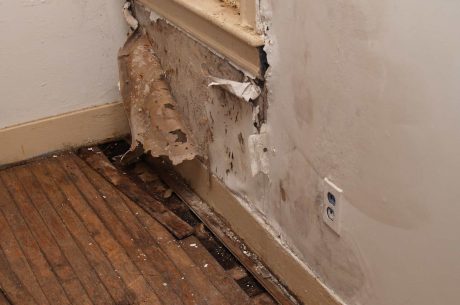
- Stains form on walls and ceilings
- Wooden materials may start buckling
After One Week
Aggressive mold spread
Mold colonies expand rapidly, affecting:
- Large wall areas
- Cabinets
- Flooring
- Insulation
Mold remediation becomes more complex and costly.
Materials begin to deteriorate
Long-term water exposure can lead to:
- Drywall crumbling
- Wood rotting
- Metal rusting
- Flooring detaching from subfloors
High restoration costs
The longer the wait, the more extensive the restoration becomes.
Major Risks of Delayed Response
Mold growth
This is the most common and dangerous consequence. Mold spreads fast and affects indoor air quality, safety, and property value.
Electrical dangers
Water and electricity are a deadly combination. Delay increases risks of:
- Electrical shorts
- Appliance failures
- Shock hazards
Structural weakening
Moisture trapped behind walls or under flooring can weaken:
- Studs
- Subfloors
- Joists
Contaminated water risks
If the source is sewage or outdoor flooding, contamination can spread bacteria and toxins.
Common Sources of Water Damage in Scottsdale
Slab leaks
Scottsdale homes often sit on concrete slabs. A slab leak can release thousands of gallons of water beneath your home without immediate signs.
Appliance failures
Some of the most common contributors include:
- Water heaters
- Washing machines
- Dishwashers
- Refrigerator lines
Plumbing bursts
A sudden pipe break can flood multiple rooms within minutes.
Storm-related roof leaks
Seasonal storms can create roof vulnerabilities that lead to interior leaks.
How We at PuroClean Restoration Specialists Respond Fast
Rapid assessment
We immediately identify the source and evaluate affected areas to stop the spread.
Advanced drying equipment
Our Scottsdale team uses:
- Industrial air movers
- HEPA dehumidifiers
- Injectidry wall systems
This ensures faster and more thorough drying.
Moisture mapping
We locate hidden moisture using:
- Infrared cameras
- Digital moisture meters
This prevents future mold issues.
Preventing mold before it begins
We act quickly to stabilize the environment and halt mold development in its earliest stages.
What Homeowners Should Do While Waiting for Help
Turn off water sources
If possible, shut off the main water valve.
Disconnect electricity if safe
Only if the affected area is safe to access.
Remove small items
Take out lightweight furniture, electronics, and valuables from wet areas.
Avoid contaminated water
Never touch water from sewage backups or floodwater.
Why Speed Matters in Scottsdale’s Housing Environment
Soil movement and slab sensitivity
Water intrusion can shift soil beneath Scottsdale homes, creating added structural risks.
Dry air accelerates evaporation—spreading moisture further
Evaporation means moisture travels—often into areas you can’t see.
Higher mold risk indoors due to sealed homes
Energy-efficient homes keep conditioned air inside but also trap moisture, helping mold grow faster.
Conclusion
Water damage spreads shockingly fast in Scottsdale homes. From the first moments of moisture intrusion to the rapid onset of mold within 48–72 hours, every minute matters. Acting quickly protects your home, prevents higher restoration costs, and reduces long-term risk to your property and health.
When water damage strikes, fast response is everything—and that’s exactly why Scottsdale homeowners trust our team at PuroClean Restoration Specialists to act immediately, using advanced technology to control moisture and prevent escalating damage.
FAQs
1. How quickly does mold grow after water damage?
Mold can begin forming within 24–48 hours, especially in warm climates like Scottsdale.
2. What is the biggest risk of waiting too long to address water damage?
The most serious risks include mold growth, structural weakening, and costly long-term repairs.
3. Can water damage spread even if the visible water is removed?
Yes. Moisture often travels beneath surfaces, behind walls, and through insulation.
4. Is slab leak water damage common in Scottsdale?
Very. Many Scottsdale homes built on slabs are vulnerable to hidden underground leaks.
5. Why call PuroClean Restoration Specialists immediately?
We provide rapid response, advanced drying equipment, and expert moisture detection to stop damage before it spreads.

 PuroClean Restoration Specialists