 PuroClean Restoration Specialists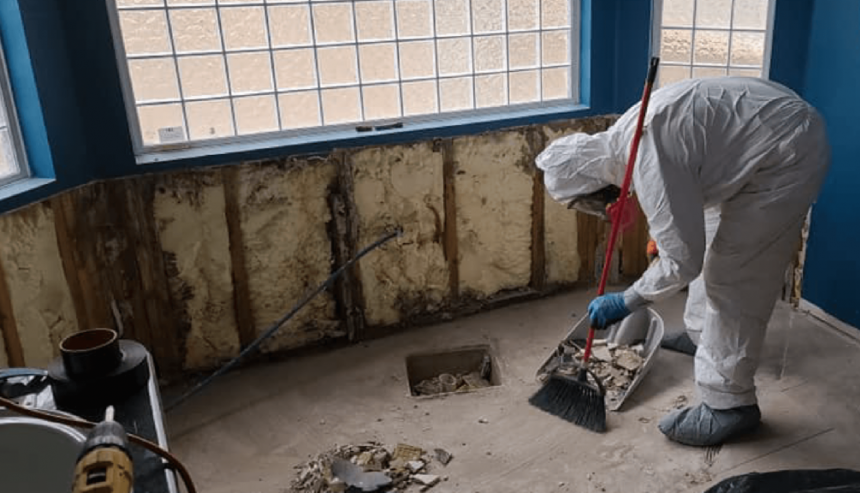
Table of Contents
Mold remediation in Scottsdale AZ homes often begins with something that feels harmless. A tiny drip under the sink. A faint water stain near a window. A barely noticeable leak from an aging pipe. Most property owners shrug it off and move on with their day. After all, it is just a little water, right?
In Scottsdale, that assumption can be expensive. Minor water leaks are one of the leading causes of serious mold problems in local homes and properties. What seems insignificant on the surface often creates the perfect hidden environment for mold growth. By the time visible signs appear, mold has usually spread far beyond the original moisture source.
Understanding how small water issues turn into major mold remediation problems is critical for protecting your property, your indoor air quality, and your long term investment.
Understanding Mold Growth in Scottsdale AZ Homes
Mold is not random. It follows a predictable pattern, and moisture is always at the center of it.
What mold needs to grow
Mold spores are naturally present in indoor and outdoor air. They are invisible and harmless until the right conditions allow them to grow. Those conditions include moisture, warmth, and organic materials such as drywall, wood, or insulation.
Moisture as the primary trigger
In Scottsdale homes, moisture is almost always the missing piece. Even a small leak can supply enough water for mold spores to activate. Once moisture is present for an extended period, mold growth can begin in as little as a couple of days.
Minor Water Leaks That Often Go Unnoticed
Some of the most damaging leaks are the ones you never see.
Plumbing leaks behind walls
Slow leaks from supply lines or drain pipes often stay hidden inside walls. Water seeps into drywall and framing, creating a damp, dark space that mold loves. By the time a stain appears on the wall, mold growth has usually been active for weeks or longer.
Slow roof and window leaks
In Scottsdale, roof and window leaks do not always show up as dripping water. Instead, moisture slowly enters during storms or monsoon season and settles into insulation and ceiling materials. This quiet intrusion allows mold to grow undisturbed.
HVAC and condensation issues
Air conditioning systems are another common source of hidden moisture. Condensation buildup, clogged drain lines, or poorly insulated ductwork can introduce consistent moisture into walls and ceilings without obvious warning signs.
Hidden Moisture Risks in Scottsdale Properties
The real danger of minor leaks lies in where the moisture travels.
Mold growth behind walls
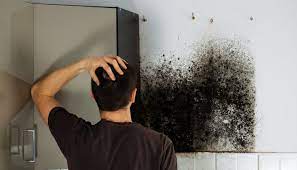
Behind walls, moisture can spread horizontally and vertically. Mold colonies expand along drywall, studs, and insulation, often covering large areas before detection.
Mold under flooring materials
Tile, laminate, and carpet can trap moisture underneath. Even when the surface appears dry, the subfloor may remain damp, creating ideal conditions for mold growth that remains hidden for months.
Enclosed and poorly ventilated spaces
Closets, cabinets, crawl spaces, and utility rooms often lack airflow. When moisture enters these spaces, it lingers longer, accelerating mold development.
Scottsdale’s Climate Factor
Many property owners believe Scottsdale’s dry climate prevents mold. That belief is one of the most common misconceptions.
Heat and evaporation misconceptions
Yes, Scottsdale is dry. But dryness does not eliminate moisture problems indoors. Water from leaks does not always evaporate quickly, especially when trapped behind walls or under flooring.
Why dry air does not prevent mold
Indoor environments often maintain higher humidity levels than outdoor air. Air conditioning systems can also contribute to condensation. Once moisture is trapped, mold does not care how dry it is outside.
How temperature accelerates mold colonization
Heat actually speeds up mold growth. Scottsdale’s warm indoor temperatures help mold spread faster once moisture is present, turning small leaks into major remediation issues.
Why Minor Leaks Escalate So Quickly
Time is the biggest enemy when dealing with water leaks.
Absorbent building materials
Modern construction materials absorb water easily. Drywall, wood, and insulation act like sponges, holding moisture deep inside where it is difficult to dry without professional equipment.
Time as mold’s best ally
The longer moisture remains untreated, the more mold spreads. What starts as a small patch can turn into widespread contamination across multiple rooms.
Common Warning Signs Scottsdale Property Owners Overlook
Mold does not always announce itself loudly.
Musty odors
A persistent musty smell is often the first sign of hidden mold. Many property owners ignore it or try air fresheners instead of investigating the cause.
Discoloration and staining
Yellow, brown, or dark stains on walls or ceilings often indicate moisture intrusion. These stains usually mean mold is already present beneath the surface.
Allergy like symptoms indoors
Increased sneezing, coughing, headaches, or respiratory discomfort inside the home can be linked to mold affecting indoor air quality.
Health and Property Risks of Mold Exposure
Mold is more than a cosmetic issue.
Indoor air quality concerns
Mold releases spores into the air, which can circulate throughout the property. Poor indoor air quality can affect comfort and well being, especially for sensitive individuals.
Long term property damage
Mold feeds on organic materials, weakening drywall, wood framing, and insulation. Left untreated, this damage can spread and reduce the overall integrity of the property.
The Cost Impact of Delayed Action
Ignoring a minor leak almost always leads to higher costs later.
Why early detection saves money
Addressing moisture early limits mold growth to a small area. Once mold spreads, remediation becomes more extensive and time consuming.
How mold spreads beyond the initial leak
Mold does not stay contained. Air movement, foot traffic, and HVAC systems can carry spores to other parts of the home, creating multiple affected areas.
Prevention Strategies for Scottsdale Homeowners
Prevention is always easier than remediation.
Routine inspections
Regularly checking under sinks, around appliances, near windows, and around HVAC systems helps catch leaks early.
Moisture control best practices
Promptly addressing water issues, maintaining proper ventilation, and monitoring indoor humidity levels can significantly reduce mold risk.
When DIY Is Not Enough
Not all mold problems can be handled with household solutions.
The limits of household cleanup
Surface cleaning may remove visible mold, but it does not address hidden growth or moisture trapped inside building materials.
Why professional mold remediation matters
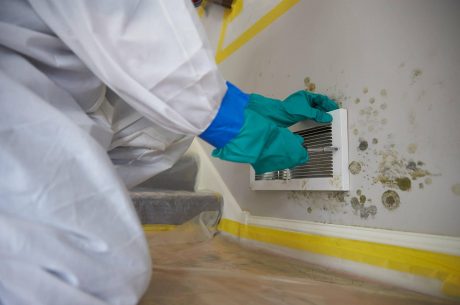
Professional mold remediation focuses on identifying the moisture source, containing the affected area, and safely removing mold to prevent recurrence.
Professional Mold Remediation in Scottsdale AZ Homes
Mold remediation in Scottsdale AZ homes requires a localized and thorough approach.
What professional remediation involves
Effective remediation includes moisture detection, containment, air filtration, and careful removal of affected materials. The goal is not just removal, but prevention of future growth.
The importance of local expertise
Understanding Scottsdale’s building styles, climate conditions, and common moisture issues allows for more accurate assessments and effective solutions.
Why Choose Puroclean Restoration Specialists in Scottsdale
When mold becomes a concern, experience matters.
Local knowledge and rapid response
We understand how quickly minor water leaks can escalate in Scottsdale homes. Our local expertise allows us to identify hidden moisture sources others may miss.
Comprehensive mold remediation approach
We focus on thorough mold remediation in Scottsdale AZ homes, addressing both visible and hidden mold while helping prevent future issues caused by lingering moisture.
Protecting Your Property Long Term
Mold remediation is not just about today. It is about protecting your property’s future.
Ongoing monitoring and prevention
After remediation, monitoring moisture levels and addressing small water issues promptly helps maintain a healthy indoor environment.
Peace of mind for Scottsdale property owners
Knowing your home or property is protected from hidden mold risks allows you to focus on living and working comfortably.
Conclusion
Minor water leaks may seem harmless, but in Scottsdale AZ homes and properties, they are often the starting point of costly mold problems. Hidden moisture, warm temperatures, and absorbent building materials create the perfect environment for mold to thrive unnoticed. By understanding the risks, recognizing early warning signs, and seeking professional mold remediation in Scottsdale AZ when needed, property owners can avoid unnecessary damage and protect their investment. Acting early is not just smart. It is essential.
Frequently Asked Questions
What causes mold to grow from small leaks in Scottsdale homes
Small leaks provide consistent moisture that becomes trapped behind walls or under flooring, allowing mold to grow unnoticed.
Does Scottsdale’s dry climate prevent mold growth
No. Indoor moisture from leaks and condensation can still support mold growth regardless of outdoor dryness.
How fast can mold spread after a minor leak
Mold can begin growing within days and spread extensively within weeks if moisture is not addressed.
Is surface cleaning enough to remove mold
Surface cleaning rarely addresses hidden mold or the underlying moisture source, making professional remediation necessary in many cases.
When should I call for professional mold remediation in Scottsdale AZ
If you notice persistent odors, staining, or signs of moisture, professional mold remediation helps prevent further spread and damage.

 PuroClean Restoration Specialists