 PuroClean Restoration Specialists
fire damage is becoming an increasingly important topic for Scottsdale homeowners, especially as dry landscaping and xeriscaping continue to dominate residential design. Living in the desert has its perks, but it also comes with a unique set of risks that many homeowners underestimate. The combination of extreme heat, low humidity, and combustible landscaping materials creates an environment where fires can ignite easily and spread quickly.
Scottsdale’s commitment to water conservation has encouraged landscaping styles that reduce irrigation, but these same designs can unintentionally elevate fire risks. When outdoor fire hazards meet modern home designs, indoor fire damage can occur faster than most people expect.
Understanding Fire Damage in Residential Properties
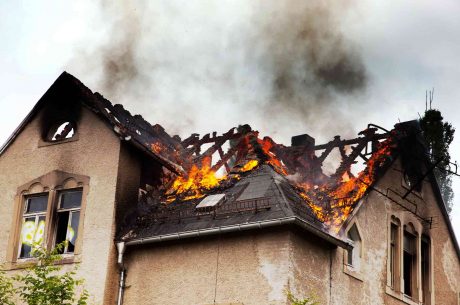
Fire damage is not limited to visible flames or charred surfaces. It includes heat damage, smoke infiltration, soot residue, and lingering odors that penetrate walls, ceilings, and ventilation systems. Even a small exterior fire can trigger extensive indoor damage if embers or heat find their way inside.
Fires often start outside and move inward through windows, roof edges, vents, or gaps around doors. Once inside, smoke spreads like a silent intruder, reaching rooms far from the original source.
The Rise of Xeriscaping and Dry Landscaping in Scottsdale
Xeriscaping has become a defining feature of Scottsdale neighborhoods. Homeowners appreciate its clean look, sustainability, and low maintenance requirements. Gravel beds, decorative rocks, desert plants, and mulch create visually appealing yards that thrive in arid conditions.
Water conservation is the biggest draw. With limited rainfall and high temperatures, xeriscaping helps homeowners reduce water usage without sacrificing curb appeal. It also minimizes the need for frequent lawn care, making it ideal for busy households.
Hidden Fire Risks Within Dry Landscaping
What many homeowners do not realize is how flammable some dry landscaping materials can be. Organic mulch, dried plant debris, and untreated wooden features can act like fuel during extreme heat or windy conditions.
Embers from nearby fires do not need direct flames to cause damage. They can travel through the air, land in dry landscaping, and smolder until conditions are right. Once ignited, flames can move toward the home, threatening windows, siding, and rooflines.
How Outdoor Fire Risks Translate Into Indoor Fire Damage
Homes have multiple vulnerable entry points. Windows can crack under intense heat, vents can draw in smoke and embers, and roof edges can allow fire to creep into attic spaces. Once inside, heat and smoke spread rapidly, causing damage well beyond the original entry point.
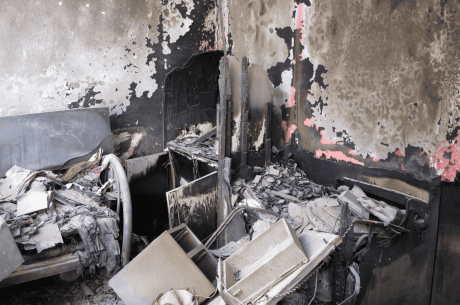
Smoke infiltration is especially problematic. It settles into fabrics, drywall, insulation, and HVAC systems, making indoor fire damage more extensive than it first appears.
Common Indoor Areas Affected by Fire Damage
Living rooms and open-plan spaces are often the most affected because they allow smoke and heat to circulate freely. High ceilings can trap smoke, while large windows can become weak points during exterior fires.
Attics and HVAC systems are also vulnerable. Smoke entering through roof vents can spread throughout the home via air ducts, leaving behind soot and odors that are difficult to remove without professional intervention.
Scottsdale Home Designs and Fire Vulnerability
Modern Scottsdale homes often feature open layouts, expansive glass windows, and natural materials. While beautiful, these design choices can increase fire exposure. Large windows allow more radiant heat inside, and open spaces make it easier for smoke to travel unchecked.
Certain modern building materials react differently to heat. Some may warp or release odors when exposed to smoke, compounding the overall impact of fire damage indoors.
Seasonal Factors That Increase Fire Damage Risk
Summer in Scottsdale brings extreme temperatures and dry winds, creating perfect conditions for fires to ignite and spread. Seasonal winds can carry embers across long distances, turning small sparks into serious threats.
Holiday seasons also introduce additional ignition sources. Decorative lighting, candles, and increased electrical use can raise indoor fire risks, especially when combined with dry outdoor conditions.
Early Warning Signs of Fire Damage
Not all fire damage is immediately obvious. Persistent smoke odors, discoloration on walls or ceilings, and soot in unusual places can signal hidden issues. Even if flames never entered your home, smoke damage can linger behind surfaces.
Ignoring these signs can allow damage to worsen over time, affecting air quality and structural components.
Preventing Fire Damage in Xeriscaped Homes
Prevention starts with smart landscaping choices. Fire-resistant plants, non-combustible ground covers, and proper spacing between vegetation and structures can significantly reduce risk.
Creating defensible space around your home is essential. This means keeping dry materials away from walls, clearing debris regularly, and ensuring landscaping does not provide a direct path for fire to reach the structure.
Indoor Prevention Measures for Scottsdale Homes
Inside the home, sealing gaps around doors and windows can limit smoke intrusion. Installing vent covers designed to block embers adds another layer of protection.
Routine inspections help identify vulnerabilities before they become serious problems. Maintaining HVAC systems and checking attic spaces can reduce the spread of smoke during nearby fire incidents.
What To Do Immediately After Fire Damage Occurs
Time is critical after any fire-related incident. Acting quickly helps limit secondary damage caused by smoke, soot, and corrosive residues. Even minor fire exposure can escalate if not addressed promptly.
Immediate assessment ensures that hidden damage is identified early, preventing long-term complications.
Professional Fire Damage Restoration in Scottsdale
Local expertise makes a difference. Scottsdale properties face unique challenges due to climate, construction styles, and environmental conditions. Professional fire damage restoration focuses on thorough smoke and soot removal, odor control, and protecting unaffected areas of the home.
Expert restoration helps restore indoor environments to safe, livable conditions while preventing further deterioration.
Long-Term Impact of Untreated Fire Damage
When fire damage is left untreated, problems compound over time. Smoke residue can weaken materials, stain surfaces permanently, and create persistent odors that affect daily living.
There are also health considerations. Lingering soot particles can irritate respiratory systems and compromise indoor air quality, especially in tightly sealed modern homes.
Conclusion
Scottsdale’s dry landscaping trends reflect smart water conservation and modern desert living, but they also introduce hidden fire risks that homeowners must understand. By recognizing how exterior conditions contribute to indoor fire damage, you can take proactive steps to protect your home. Balancing xeriscaping with fire safety measures ensures your property remains both beautiful and resilient in Scottsdale’s challenging climate.
FAQs
How does xeriscaping increase fire damage risk?
Dry plants, mulch, and organic materials can ignite easily and allow fire to spread toward homes.
Can outdoor fires really cause indoor fire damage without flames entering the house?
Yes, smoke and heat can infiltrate through vents, windows, and roof openings, causing significant indoor damage.
What are the most vulnerable parts of a Scottsdale home during a fire?
Windows, vents, roof edges, attics, and HVAC systems are common entry points for smoke and embers.
Is smoke damage considered fire damage?
Absolutely. Smoke damage includes soot residue, odors, and material degradation caused by fire-related exposure.
How can homeowners reduce fire damage risk while keeping xeriscaping?
Using fire-resistant materials, maintaining defensible space, and sealing home entry points are effective strategies.

 PuroClean Restoration Specialists