


Mold Testing vs Mold Remediation: What You Need
Table of Contents
Mold is one of the most misunderstood and most feared problems a property owner can face. When you discover what appears to be mold in your home or business, the first instinct for many people is to reach for a test kit or call a mold testing company. But is testing always necessary? And what is the actual difference between mold testing and mold remediation? Knowing the answers to these questions can save you significant time, money, and stress while ensuring that you take the right action to protect your property and your health.
The distinction between mold testing vs mold remediation is not just procedural – it reflects two fundamentally different phases of addressing a mold problem. Testing is an investigative process that identifies and quantifies mold. Remediation is the physical work of removing mold and restoring the affected environment to a safe, clean condition. Understanding when each is necessary, when they should be used together, and when one can be skipped entirely is critical knowledge for any property owner.
This guide explains both processes in detail, outlines the scenarios in which each is appropriate, clarifies the health stakes involved, and helps you make an informed decision when you discover mold in your property.
What Is Mold Testing?
Mold testing is the process of collecting samples from the air, surfaces, or building materials in a property and analyzing them in a laboratory to identify the type and concentration of mold spores present. It is a diagnostic tool – used to determine whether mold is present, what species it is, and how widespread the contamination may be.
Types of Mold Testing
Several distinct methods are used in professional mold testing, and a qualified inspector will choose the appropriate method based on the situation:
- Air sampling: Spore trap samples are collected from the indoor air and compared to outdoor baseline samples. Elevated indoor spore counts indicate a mold source inside the building. This is the most common method used to assess whether an indoor mold problem exists or whether remediation has been successful.
- Surface sampling: Tape lift, swab, or bulk samples are collected from visible mold growth or suspicious staining to identify the species present. Surface sampling confirms that a visible material is mold and identifies the genus, but it does not quantify how widespread the contamination is.
- ERMI testing: The Environmental Relative Moldiness Index is a dust-based DNA analysis method used to assess the overall mold history of a home. ERMI testing analyzes settled dust collected from carpets and floors and can detect mold species that are not currently active but have been present historically.
- Cavity sampling: In cases where mold growth is suspected inside wall cavities or behind building materials, a small probe may be inserted through a drilled hole to sample the air inside the cavity. This method helps determine whether hidden mold is present before opening walls.
What Mold Testing Can and Cannot Tell You
Understanding the limitations of mold testing is as important as knowing what it can reveal. Mold testing can confirm the presence of mold, identify the species, compare indoor to outdoor spore concentrations, and establish a baseline for post-remediation verification. However, mold testing cannot tell you how to fix the problem, identify the moisture source that is causing the mold, or substitute for the visual assessment of a qualified mold inspector.
In the context of mold testing vs mold remediation, testing is always a diagnostic step. It provides data. Remediation provides resolution.
What Is Mold Remediation?
Mold remediation is the comprehensive process of removing mold contamination from a property, addressing the moisture conditions that allowed it to grow, and restoring the affected areas to a clean and safe condition. It is the actionable phase of mold management – the work that actually eliminates the problem rather than simply documenting it.
Professional mold remediation follows established industry standards, including the IICRC S520 Standard for Professional Mold Remediation and guidelines published by the Environmental Protection Agency and the New York City Department of Health, which are widely referenced across the industry.
The Mold Remediation Process
A thorough mold remediation project typically includes the following steps:
- Containment: Affected areas are isolated from the rest of the building using polyethylene sheeting and negative air pressure to prevent spores from spreading during the removal process.
- Personal protective equipment: Remediation technicians wear full-face respirators, disposable coveralls, and gloves to protect themselves from mold exposure during the removal process.
- Removal of contaminated materials: Porous building materials that have been colonized by mold – drywall, insulation, carpet, wood framing – are removed and disposed of in sealed bags. Non-porous materials such as concrete, tile, and metal are cleaned and treated rather than removed.
- HEPA vacuuming and cleaning: All surfaces within the containment area are HEPA-vacuumed to remove settled spores, then cleaned with EPA-registered antimicrobial agents. HEPA filtration is essential because standard vacuums exhaust mold spores back into the air.
- Moisture source correction: Effective mold remediation addresses the underlying moisture condition that caused the mold to grow. Without fixing the source – whether it is a plumbing leak, roof intrusion, HVAC condensate issue, or chronic humidity – mold will return regardless of how thoroughly the visible growth is removed.
- Post-remediation verification: Air and surface sampling is conducted after remediation is complete to confirm that spore levels have returned to acceptable baseline levels and that the remediation was successful.
Mold Testing vs Mold Remediation: When Do You Need Each?
This is the central question that most property owners struggle with. The answer depends on what you already know, what you are trying to find out, and what the visible conditions in the property suggest.
When Mold Remediation Is Needed Without Testing First
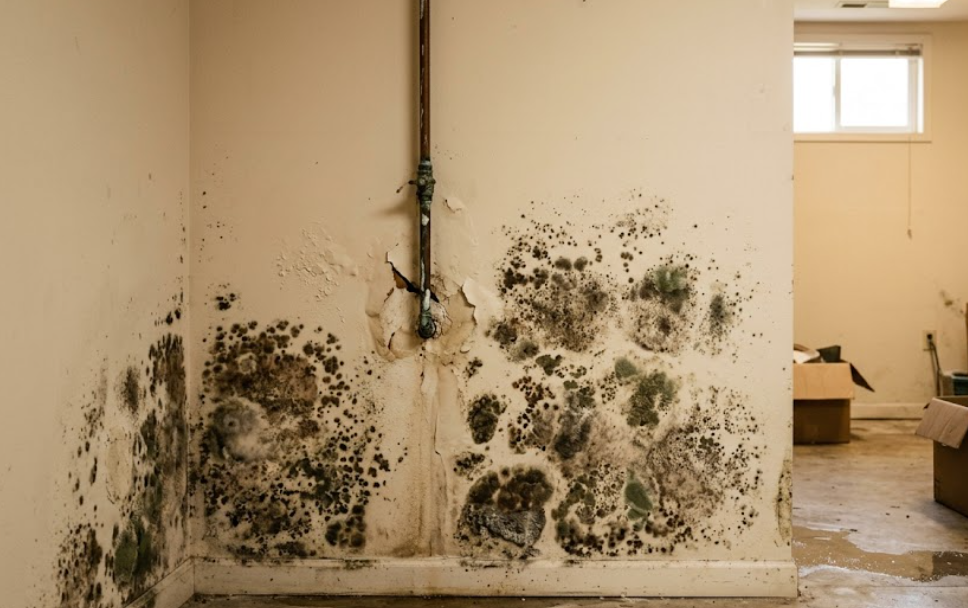
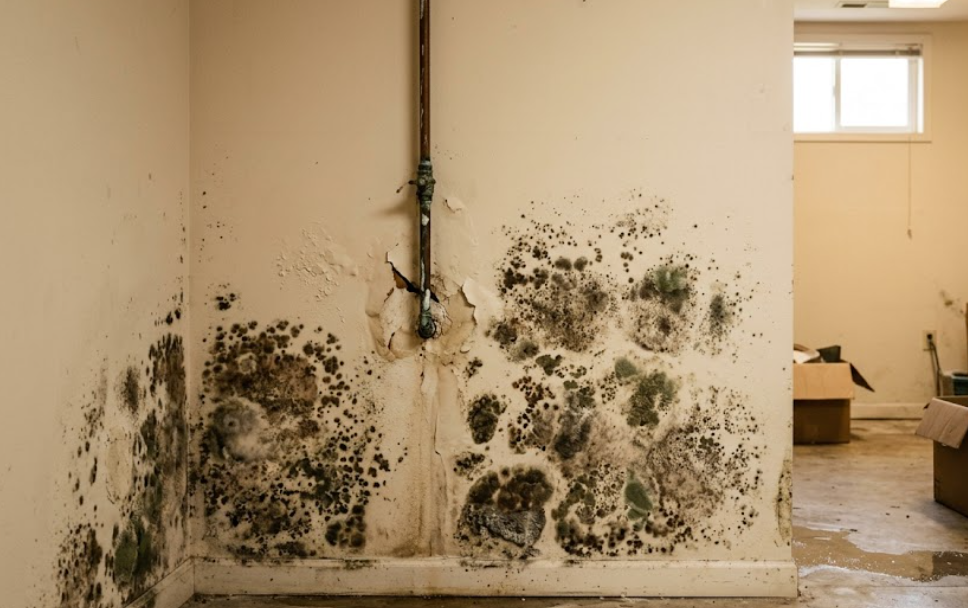
If visible mold growth is present and covers more than 10 square feet, remediation should begin without waiting for test results. The EPA’s guidance on mold remediation is clear on this point: when mold is visible, the appropriate response is professional removal – not sampling and laboratory analysis. Testing does not change the remediation scope when the problem is already visible. In the mold testing vs mold remediation decision, visible growth in significant quantities tips the scales toward immediate remediation.
The same logic applies after a water damage event. If a home has experienced flooding, pipe leaks, or roof water intrusion and the affected materials have not been dried within 24 to 72 hours, mold growth should be assumed and remediation should be initiated. Waiting for test results in this scenario only allows the problem to worsen.
When Mold Testing Is Appropriate Before Remediation
Mold testing is genuinely valuable in several specific circumstances:
- Hidden mold suspected: If occupants are experiencing symptoms such as persistent coughing, headaches, or respiratory irritation that suggest mold exposure but no visible mold is present, air quality testing can confirm or rule out a hidden mold source.
- Real estate transactions: Buyers and sellers frequently commission mold testing as part of property due diligence. Testing provides documented evidence of indoor air quality conditions and protects both parties in the transaction.
- HVAC-related complaints: When musty odors emanate from supply vents and mold is suspected in the ductwork or air handling system, air sampling before and after HVAC cleaning helps quantify the problem and verify the solution.
- Dispute resolution: When a landlord-tenant or contractor-owner dispute involves alleged mold conditions, third-party testing provides objective evidence that is acceptable in legal proceedings.
- Post-remediation verification: Testing after a remediation project is completed confirms that the work was successful and that spore levels have returned to acceptable levels. This is one of the most important uses of mold testing and should be considered a standard part of any professional remediation project.
When Mold Testing Is Not Necessary
A significant portion of money spent on mold testing in residential properties is unnecessary. If mold is clearly visible, if water damage has occurred and materials were not dried promptly, or if you are simply choosing a remediation contractor, testing provides no actionable value. A reputable mold remediation professional will tell you directly when testing is not necessary for your situation rather than recommending it as a prerequisite to every project.
The Health Stakes: Why Getting This Right Matters
Mold exposure is not a minor inconvenience. The Centers for Disease Control and Prevention, the World Health Organization, and the EPA all recognize mold as a significant indoor air quality hazard with documented health effects ranging from mild to severe.
Health Effects of Mold Exposure
Exposure to mold and mold spores can trigger a wide range of health effects depending on the species involved, the concentration of exposure, and the individual’s health status and sensitivity:
- Upper and lower respiratory symptoms including nasal congestion, coughing, wheezing, and shortness of breath
- Eye, throat, and skin irritation
- Aggravation of pre-existing asthma and allergies
- Hypersensitivity pneumonitis in individuals repeatedly exposed to high concentrations
- In immunocompromised individuals, certain mold species including Aspergillus and Stachybotrys chartarum (commonly called black mold) can cause serious systemic infections
Children, elderly individuals, pregnant women, and people with respiratory conditions or compromised immune systems face the greatest risk. However, no occupant should be considered risk-free in a building with significant mold contamination.
The Danger of Delaying Remediation for Testing
One of the most common and costly mistakes in the mold testing vs mold remediation decision is delaying remediation while waiting for test results. Mold grows rapidly in favorable conditions – the same warm, humid conditions that characterize Arizona’s summer months. A small mold colony that could have been remediated quickly and affordably can expand significantly in the days or weeks spent waiting for laboratory results that, in the end, simply confirm what was already visually apparent.
If you can see mold and it covers a meaningful area of your home, act on that information immediately. Testing can always be done after remediation for verification purposes.
Choosing the Right Professional for Each Service
The mold testing vs mold remediation distinction also matters when selecting the right professional for the job. These two services are ideally provided by separate, independent parties to prevent conflicts of interest.
Mold Testing Professionals
Mold testing should be conducted by a certified industrial hygienist (CIH) or a qualified mold inspector who is independent of any remediation company. An independent inspector has no financial incentive to find more mold than is actually present and will provide an objective assessment of conditions. In Arizona, look for professionals certified through the American Industrial Hygiene Association (AIHA) or the Indoor Air Quality Association (IAQA).
Mold Remediation Professionals
Mold remediation should be performed by a company certified in the IICRC S520 standard for mold remediation. The remediation contractor should provide a detailed written scope of work, use proper containment and HEPA filtration during removal, and offer post-remediation verification testing as part of the project. Do not hire a contractor who cannot explain their containment protocol or who discourages independent post-remediation testing. For mold testing vs mold remediation, the remediation company handles the physical work; an independent tester verifies the result.
The Cost Reality of Mold Testing vs Mold Remediation
Understanding the typical costs involved helps property owners budget appropriately and avoid overspending on unnecessary testing or underspending on inadequate remediation.
Professional mold testing by a qualified independent inspector typically ranges from $300 to $700 for a standard residential assessment including air sampling, laboratory analysis, and a written report. Post-remediation verification testing typically runs $200 to $400. ERMI testing ranges from $200 to $400 and is conducted from a single dust sample.
Mold remediation costs vary significantly based on the size of the affected area, the type of materials involved, and the accessibility of the mold. Small localized remediation projects of less than 10 square feet may cost $500 to $1,500. Mid-scale projects involving one or two rooms typically range from $2,000 to $6,000. Large-scale remediation involving multiple rooms, attic spaces, or HVAC systems can range from $10,000 to $30,000 or more.
Insurance coverage for mold remediation depends on the cause of the mold. When mold results from a covered water damage event such as a sudden pipe burst or storm intrusion, most homeowner’s policies will cover remediation costs. Mold resulting from long-term neglected moisture, gradual leaks, or maintenance failures is frequently excluded. Document everything and report promptly to preserve your coverage.
Make the Right Call on Mold Testing vs Mold Remediation
The mold testing vs mold remediation decision does not have to be complicated. If mold is visible, remediate. If mold is suspected but not visible, test to confirm. Always use independent testing for post-remediation verification. And always address the underlying moisture source – because without that, neither testing nor remediation provides a lasting solution.
Mold is a serious property and health issue that responds best to prompt, professional action. Whether you need testing, remediation, or both, working with qualified and certified professionals ensures that the work is done correctly, documented thoroughly, and verified completely.
We handle mold remediation services in Arizona, call us on (480) 767-5588 once you confirm you have mold damage.