


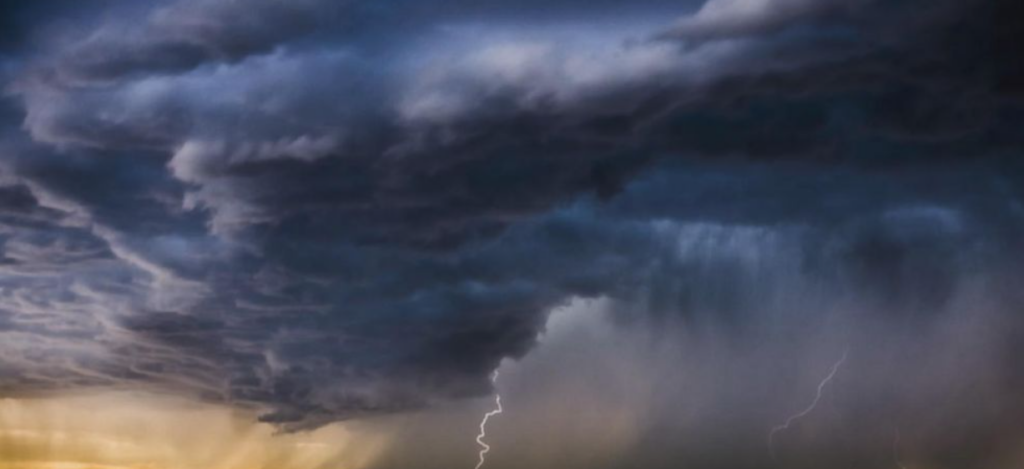
Every summer, Arizona’s monsoon season delivers the same jarring combination: beautiful storm cells building on the horizon, the smell of rain on hot pavement, and then – for thousands of homeowners across the Valley – the discovery of water in places it should never be.
A ceiling stain above the bed. A garage flooded by stormwater that backed in under the door. A living room window weeping from wind-driven rain that found the gap in the frame seal. Water pooled at the base of the back wall from runoff that overtopped the landscaping berm.
The immediate question is always the same: is this covered? And the honest answer is: it depends – on how the water got in, where it came from, what type of policy you carry, and what endorsements you have added. Monsoon damage claims are among the most frequently disputed homeowner’s insurance claims in Arizona precisely because the same storm event can produce both covered losses and uncovered losses in the same home, sometimes within feet of each other.
This guide walks through the insurance coverage landscape for monsoon-related damage in Arizona – explaining which scenarios are typically covered, which are typically excluded, and what the most common coverage gaps are that Arizona homeowners discover only after they need them.
We are not insurance agents and this is not legal or financial advice – for the specifics of your policy, always contact your carrier directly. What we can tell you is what we see on the cleanup side, and why calling a certified restoration professional quickly is often what determines whether your claim succeeds.
The Core Coverage Distinction: How Did the Water Get In?
Homeowner’s insurance coverage for water damage is fundamentally organized around the question of the water’s entry pathway. The same volume of water in your living room may be a covered loss or an excluded loss depending entirely on whether it entered from above through a compromised roof, whether it backed in from a flooded street, or whether it seeped in from saturated ground. This pathway distinction is the most important concept for Arizona homeowners to understand before monsoon season begins.
What Is Typically Covered: Sudden and Accidental Water Intrusion
Wind-Driven Rain Through a Damaged Roof or Envelope
This is the most commonly covered monsoon scenario. When a monsoon storm’s high winds damage roofing materials – displacing tiles, lifting shingles, tearing membrane seams, or detaching flashing – and rain then enters through the resulting opening, the water damage is typically covered as a wind damage loss. The key is that a physical breach of the structure must have occurred.
A storm that drives rain through a perfectly intact roof at unusual angles or volume is a different question – but one where coverage is more likely than not when the damage is sudden and demonstrably tied to the storm event.
Similarly, wind damage that breaks or cracks windows, dislocates door frames, or tears away soffits and fascia creates an opening through which rain enters the structure. These are generally covered losses because the wind event caused a physical breach that the rain exploited.
Hail Damage
Hail is a common component of Arizona’s stronger monsoon cells and is a named peril under standard homeowner’s policies. Hail damage to roofing, windows, exterior siding, HVAC equipment, and other covered structures is typically covered. Water damage resulting from hail-compromised roofing or broken windows falls within this covered peril.
Overflow From a Blocked Drain or Gutters
When a monsoon storm produces rainfall that overwhelms a blocked roof drain or gutter – particularly on flat or low-slope Arizona roofs where ponding is a common risk – and the resulting backup causes water to enter the structure through a roof penetration, drain cover, or parapet seam, this is generally treated as a covered sudden and accidental event rather than a maintenance-driven exclusion. The distinction turns on whether the drain blockage was a known condition that the homeowner was aware of and had not addressed.
HVAC and Mechanical Equipment Damage from Storm
Direct storm damage to roof-mounted HVAC equipment, including impacts from hail, wind-blown debris, or falling tree limbs, is typically covered under the dwelling or other structures coverage of a homeowner’s policy. The water damage that follows a storm-compromised HVAC curb flashing is similarly covered as part of the storm loss.
What Is Typically Excluded: The Monsoon Coverage Gaps Arizona Homeowners Discover Too Late
Surface Water Flooding and Street Runoff
This is the most significant monsoon coverage gap in Arizona, and it catches thousands of homeowners by surprise every season. When monsoon runoff overwhelms street drainage and water flows across the surface into a home – through garage doors, under entry doors, through window wells, or via any below-grade entry point – this is classified as flooding from an external surface water source. Standard homeowner’s insurance policies explicitly exclude damage from flooding, surface water, and water that enters at or below grade from an external source.
Flood insurance through the National Flood Insurance Program (NFIP) or a private flood insurer covers this scenario – but only if the homeowner purchased that coverage in advance. NFIP policies typically have a 30-day waiting period before coverage takes effect, meaning a homeowner who decides to buy flood insurance at the start of monsoon season will not be covered for losses in the first month. Many Arizona homeowners in flood-prone areas do not carry flood insurance and discover this gap only when they need it.
Gradual Water Intrusion and Neglected Maintenance
A monsoon storm that reveals a roof leak that was already developing before the storm is likely to be disputed by the insurance carrier. If an adjuster determines that the leak originated in roof materials that had been deteriorating over time – cracked caulk at a skylight that had been cracking for two seasons, a flashing that had visibly lifted before the storm, a membrane seam that had been slowly separating – the carrier may deny the claim as maintenance-related gradual damage rather than storm-caused sudden damage. Regular documented roof inspections before monsoon season are the best protection against this exclusion being applied to what was genuinely storm damage.
Seepage, Groundwater, and Hydrostatic Pressure
Water that enters a home through the foundation, through stem walls, or through the slab via hydrostatic pressure from saturated soil during monsoon rainfall is generally excluded from standard homeowner’s coverage. This type of intrusion – common in Arizona communities with expansive soils, high water table areas near river corridors, or properties with drainage toward the foundation – requires a separate endorsement or a flood insurance policy that specifically covers below-grade water intrusion.
Sewer and Drain Backup
When monsoon rainfall overwhelms the municipal sewer system and sewage backs up into a home through floor drains, toilets, or sink drains, standard homeowner’s policies typically exclude this loss unless the homeowner has specifically added a sewer and drain backup endorsement to their policy.
This endorsement is relatively inexpensive – often $50 to $100 per year – and is one of the most important coverage additions for Arizona homeowners whose properties are in areas prone to sewer system surges during heavy monsoon events. Without it, a sewage backup that destroys finished basement flooring, furnishings, and personal property is an entirely out-of-pocket loss.
Damage to Landscaping and Outdoor Structures
Flood damage to landscaping, retaining walls, outdoor furniture, fencing, and pool equipment from monsoon runoff is typically not covered under the main dwelling policy and may have limited or no coverage under other structures and personal property provisions depending on the cause. Storm damage from wind to these same items is more likely to be covered, which again highlights how much the entry pathway matters.
The Arizona-Specific Complications
The Flat Roof Problem
Arizona’s prevalent flat and low-slope roofing systems present a specific coverage complication. When a flat roof drains poorly and water ponds, then finds its way in through an aging membrane or a partially blocked drain, the adjuster’s determination of whether this is storm damage or maintenance-related damage can go either way.
Homeowners with flat roofs who have documentation of recent roof inspections and maintenance are in a significantly stronger position when making this claim than those who cannot demonstrate when the roof was last inspected.
Haboob-Related Water Damage
The dust storms that precede many monsoon events can block roof drains with fine particulate, creating ponding conditions when the rain arrives minutes or hours later. When a drain blocked by haboob dust causes roof flooding and interior water damage, the chain of causation becomes complex for insurance purposes. Having roof drains professionally cleared before monsoon season – and keeping records of that maintenance – is the best way to ensure that any haboob-related drain blockage is not characterized as a known neglected condition.
The Window Seal Question
Wind-driven monsoon rain that enters through deteriorated window seals or weatherstripping is a gray area in many claims. If the seals were intact before the storm and the storm’s unusual wind and rain conditions overwhelmed them, coverage is more likely. If the seals were already deteriorated and the storm revealed an existing vulnerability, the claim may be disputed. This is another area where an annual pre-monsoon inspection and documentation matters.
What to Do When Monsoon Damage Occurs
Act Immediately on the Damage
Regardless of whether coverage ultimately applies, you have a legal and policy obligation to mitigate further damage once a loss is discovered. This means tarping a damaged roof to prevent additional water entry, extracting standing water, moving personal property out of harm’s way, and engaging a professional restoration company to begin drying. Homeowners who allow damage to worsen while waiting to hear about coverage face the additional risk that the carrier will dispute the portion of damage that occurred after discovery.
Call a professional restoration company the same day you discover monsoon damage. Do not wait for the adjuster’s visit to begin mitigation. Document everything first, then start protecting the property.
Document Thoroughly Before Touching Anything
Photograph and video every area of visible damage before moving, removing, or cleaning anything. Capture the water source or entry point as clearly as possible. Note the date and time the damage was discovered. This pre-cleanup documentation is your strongest evidence for the coverage determination.
Report to Your Carrier Promptly
Most policies require prompt notification of a covered loss. File the claim the same day you discover damage. When you report, describe the damage accurately – be specific about what was damaged, where water entered, and what the storm conditions were at the time of discovery. Do not speculate about cause or coverage; report what you observed and let the adjuster make coverage determinations.
Request a Full Written Explanation of Any Denial
If your claim is denied or partially denied, request a written explanation of the specific policy provision being applied and the factual basis for the determination. Understanding exactly which exclusion is being applied – and whether the carrier’s characterization of the facts matches yours – is the starting point for any dispute or appeal.
How a Professional Restoration Company Supports Your Claim
One of the most valuable things PuroClean does alongside the physical restoration work is generate the technical documentation that insurance carriers require. Our moisture mapping reports, daily drying logs, scope-of-work documentation, and photo records create a professional evidentiary record of the damage conditions, the remediation performed, and the restoration completed.
This documentation is consistently more persuasive to adjusters than homeowner photos alone, and it demonstrates that the remediation was performed to IICRC industry standards.
We work directly with insurance carriers and adjusters and understand what documentation is required to support a successful claim. When you call PuroClean, you are not just getting cleanup – you are getting a restoration partner who knows how to document your loss correctly from the start.
Know Your Coverage Before the Storm Arrives
The time to understand your monsoon coverage is before the monsoon arrives, not when you are standing in a wet living room at 11 p.m. trying to reach your insurance agent. Review your policy for flood exclusions, sewer backup endorsements, and what documentation requirements apply to storm damage claims.
If you do not have flood insurance and your property is in a low-lying area or near a wash, consider whether a flood insurance policy makes sense for your situation. And before each monsoon season, have your roof inspected and the report documented.
When the storm does cause damage – covered or not – PuroClean is ready to help you clean up, dry out, and restore your home. We handle the remediation. You handle the coverage conversation with your carrier. And we are here to document the work in a way that gives your claim the best possible foundation. Arizona’s Premier Restoration Specialists. Leaders in recovery. Calm in the Chaos.
Monsoon Damage to Your Home? Call PuroClean – We Clean Up While You Sort Out the Claim
PuroClean responds 24/7 to monsoon water damage throughout the Phoenix metro area and West Valley communities. We extract, dry, document, and restore – and we provide the technical records your insurance claim needs. Check your coverage with your carrier; let us handle everything else. Arizona’s Premier Restoration Specialists. Leaders in recovery. Calm in the Chaos.
Call PuroClean now at (480) 767-5588. Fast response. Proven results. Complete peace of mind.
Covered or not – your home needs to be dry. Call PuroClean now.