 PuroClean Restoration Specialists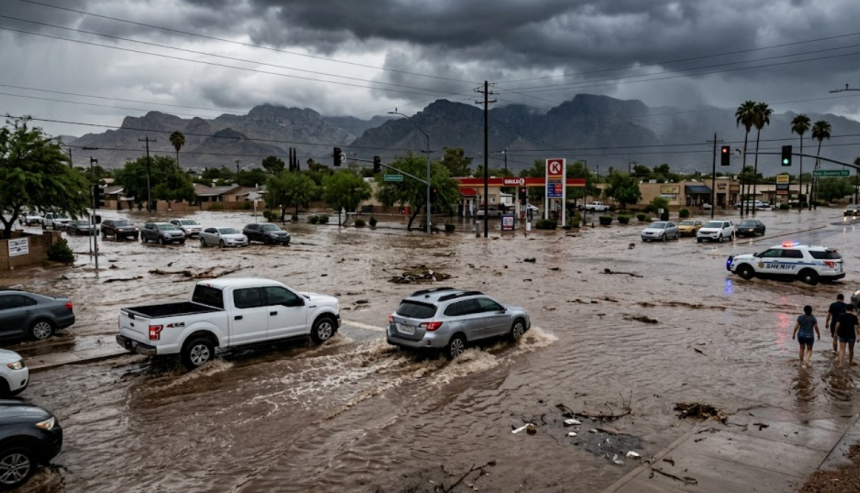
Critical Survival Guide to Monsoon Season Flooding in Arizona and How to Prepare
Table of Contents
Monsoon season in Arizona brings dramatic weather shifts that can turn a dry desert landscape into a high risk flood zone within minutes. Sudden downpours, strong winds, and rapidly changing conditions make Monsoon Season Flooding one of the most serious seasonal threats to homes and businesses in Arizona.
While the rain can provide temporary relief from extreme heat, it also creates dangerous conditions for property damage. Flash floods, roof leaks, overwhelmed drainage systems, and water intrusion are common during monsoon storms. According to the National Weather Service, Arizona experiences dozens of flash flood warnings each year, with some storms delivering several inches of rain in a very short period.
Understanding how Monsoon Season Flooding affects Arizona properties and knowing how to prepare can make the difference between minor inconvenience and major structural damage. This guide explains the risks, preparation strategies, and response steps to protect your property during monsoon season.
What Causes Monsoon Season Flooding in Scottsdale
Monsoon season in Arizona typically runs from June through September. During this time, moisture from the Pacific Ocean and the Gulf of Mexico moves into the region, creating unstable atmospheric conditions.
These conditions lead to sudden thunderstorms that produce heavy rainfall in short bursts. Because the desert soil is hard and compact, it does not absorb water quickly. Instead, water flows across the surface, increasing the risk of Monsoon Season Flooding.
Rapid Rainfall Accumulation
Storms can drop large amounts of rain within minutes. This overwhelms drainage systems and leads to pooling water around homes and businesses.
Flash Flooding
Low lying areas, washes, and streets can flood rapidly. Flash floods are one of the most dangerous aspects of Monsoon Season Flooding because they develop quickly and without much warning.
Strong Winds and Debris
High winds can damage roofs, clog gutters, and push debris into drainage systems. This increases the likelihood of water intrusion during storms.
Why Scottsdale Homes Are Vulnerable to Monsoon Season Flooding
Despite being located in a desert, Scottsdale properties face unique risks during monsoon season.
Poor Soil Absorption
Desert soil has low absorption capacity, which means water accumulates quickly instead of soaking into the ground.
Flat Roofing Systems
Many homes in Scottsdale feature flat or low slope roofs. These designs can collect water if drainage systems are not functioning properly, increasing the risk of leaks during Monsoon Season Flooding.
Urban Development
Paved surfaces such as driveways, roads, and sidewalks prevent water from being absorbed into the ground. This increases runoff and contributes to flooding.
Aging Infrastructure
Older homes may have outdated drainage systems, roofing materials, or plumbing components that are more susceptible to damage during heavy storms.
Common Types of Damage Caused by Monsoon Season Flooding
Flooding can affect nearly every part of a property. Understanding the types of damage helps homeowners respond effectively.
Interior Water Damage
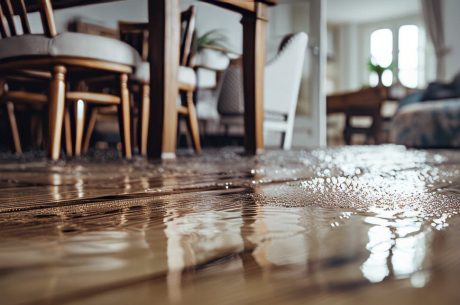
Water entering through doors, windows, or roofs can damage flooring, drywall, and insulation. Immediate action is required to prevent mold growth.
Roof Leaks
Heavy rain and wind can damage roofing materials, allowing water to seep into attics and ceilings.
Foundation Issues
Standing water around the foundation can weaken structural integrity and lead to long term damage.
Electrical Hazards
Water exposure can damage electrical systems and create safety risks.
Mold Growth
Moisture left behind after flooding creates ideal conditions for mold development, especially in warm environments.
How to Prepare for Monsoon Season Flooding
Preparation is the most effective way to reduce damage during monsoon storms.
Inspect and Maintain Your Roof
Check for cracked tiles, damaged shingles, or worn sealants. Repair any issues before the season begins to reduce the risk of leaks during Monsoon Season Flooding.
Clean Gutters and Downspouts
Clogged gutters prevent proper drainage and can cause water to overflow into the home. Regular cleaning ensures water flows away from the structure.
Seal Windows and Doors
Inspect seals around windows and doors to prevent water intrusion. Replace damaged weather stripping as needed.
Improve Drainage Around Your Property
Ensure that water flows away from your home. Consider installing drainage solutions such as French drains or extending downspouts.
Elevate Valuable Items
Store important belongings off the floor in areas that are less likely to flood. This helps minimize damage during Monsoon Season Flooding.
Install a Sump Pump
Sump pumps help remove water from basements or low lying areas. While not common in all Arizona homes, they can be beneficial in flood prone locations.
Emergency Preparedness Tips
Being prepared before a storm hits can make a significant difference.
- Keep emergency contact numbers readily available
- Have a supply of sandbags if your area is prone to flooding
- Prepare an emergency kit with essential supplies
- Monitor weather alerts during monsoon season
Preparation reduces the impact of Monsoon Season Flooding and helps protect your property.
What to Do During a Monsoon Storm
When a storm is approaching, taking immediate action can reduce damage.
Stay Informed
Monitor weather updates and warnings. Flash flood alerts provide critical information during severe storms.
Avoid Flooded Areas
Do not attempt to walk or drive through flooded streets. Even shallow water can be dangerous.
Protect Entry Points
Use sandbags or barriers to prevent water from entering your home.
Turn Off Electricity if Necessary
If flooding is severe, turning off power can reduce the risk of electrical hazards.
What to Do After Monsoon Season Flooding
If your property is affected by flooding, quick action is essential.
Remove Standing Water
Use pumps or wet vacuums to remove water as soon as it is safe to do so.
Begin Drying Immediately
Open windows, use fans, and dehumidifiers to reduce moisture levels.
Remove Damaged Materials
Water damaged materials such as carpet or drywall may need to be removed to prevent mold growth.
Contact Restoration Professionals
Professional restoration services are critical after Monsoon Season Flooding to ensure thorough drying and repair.
The Water Damage Restoration Process After Flooding
Professional restoration teams follow a structured approach to restore properties affected by flooding.
Inspection and Assessment
Technicians evaluate the extent of the damage and identify affected areas.
Water Extraction
High powered equipment removes standing water quickly.
Drying and Dehumidification
Industrial air movers and dehumidifiers remove moisture from structural materials.
Cleaning and Sanitization
Floodwater may contain contaminants, so thorough cleaning is essential.
Repairs and Reconstruction
Damaged materials are repaired or replaced to restore the property.
Insurance Considerations for Monsoon Flooding
Understanding your insurance coverage is important before monsoon season begins.
Standard homeowner policies may not cover all types of flooding. Separate flood insurance policies may be required for full protection.
After Monsoon Season Flooding, documentation is essential. Take photos of damage and keep records of repairs to support your claim.
Long Term Prevention Strategies
Preventing future damage requires ongoing maintenance and planning.
- Schedule regular roof inspections
- Maintain drainage systems
- Monitor landscaping to ensure proper water flow
- Upgrade older building materials
- Install water detection devices
These steps reduce the risk of damage during future Monsoon Season Flooding events.
Protect Your Property Before the Next Storm
Monsoon season in Scottsdale can bring unpredictable and severe weather conditions. Without proper preparation, homes and businesses are vulnerable to flooding and water damage.
Understanding the risks associated with Monsoon Season Flooding and taking proactive steps can help protect your property and reduce repair costs. From maintaining your roof to improving drainage, preparation is the key to minimizing damage.
If your home or business has been affected by flooding, do not wait for the damage to worsen. Contact PuroClean Restoration Specialists today at (480) 767-5588 for professional restoration services. Their experienced team provides fast response, advanced water removal, and complete property restoration to help you recover quickly and safely after Monsoon Season Flooding.


 PuroClean Restoration Specialists