


7 Powerful Things to Let Go After Property Damage
Recovering from a fire, flood, or storm is not just a physical process, it is an emotional one. Along with damaged walls, flooring, and furniture, many homeowners find themselves holding onto items, habits, and expectations that quietly slow down their recovery.
Knowing the things to let go after property damage can make the restoration process faster, less stressful, and ultimately more successful. This guide walks through what homeowners should consider releasing after a disaster, from damaged belongings to unrealistic timelines, and why letting go is often the first real step toward rebuilding.
Why Letting Go Matters After Property Damage
After a fire, flood, or storm, it is natural to want to save everything and return life to normal as quickly as possible. But clinging to items and expectations that no longer serve you can actually extend the recovery process.
Understanding the things to let go after property damage is not about giving up on your home or your belongings. It is about recognizing what genuinely helps your recovery and what only adds stress, delay, or risk to an already difficult situation.
Sentimental Items That Cannot Be Safely Restored
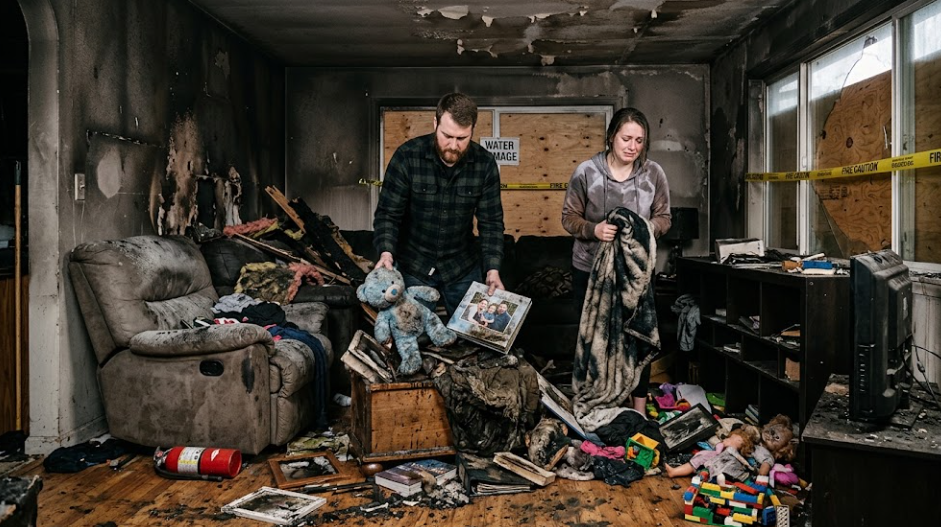
One of the hardest categories on any list of things to let go after property damage involves sentimental belongings. Photographs, heirlooms, and keepsakes carry emotional weight that makes them feel irreplaceable, which is exactly why this decision is so difficult.
When Restoration Is Not Possible
Some items, despite their sentimental value, cannot be safely restored after exposure to fire, smoke, or extensive water damage. This is often true for:
- Photographs and documents with severe water saturation or mold growth
- Upholstered furniture that has absorbed smoke odor deeply into its fibers
- Wooden items that have warped or cracked beyond repair from water exposure
- Items with visible mold growth that cannot be fully remediated
How to Process Letting Go of Sentimental Items
Rather than trying to force restoration of an item that a professional has assessed as unsalvageable, consider documenting it through photographs before disposal, so the memory remains even if the physical object does not. This small step can make the process of letting go feel less like a loss and more like a transition.
Water Damaged Materials That Pose Health Risks
Among the most important things to let go after property damage are materials that, once wet, become health hazards rather than just cosmetic concerns.
Porous Materials That Absorb Contaminated Water
Materials like carpet padding, drywall, and insulation absorb water quickly and are extremely difficult to fully dry and sanitize once contaminated, particularly if the water involved was not clean, such as floodwater or water from a sewage backup.
Mold Affected Materials
Once mold has taken hold in a material, cleaning the surface is rarely enough to resolve the underlying problem. Materials with mold growth need to be removed and replaced rather than cleaned and reused, since spores can remain embedded even after visible mold is wiped away.
Food and Perishables
Any food items exposed to fire, smoke, or floodwater, including sealed containers that were exposed to high heat or contaminated water, should be discarded rather than kept, since packaging seals can be compromised in ways that are not visible.
The Idea That You Have to Handle Everything Yourself
One of the more difficult things to let go after property damage is the belief that you need to manage the entire recovery process on your own. Many homeowners try to save money or feel a sense of control by attempting cleanup, drying, or repairs themselves.
Why DIY Recovery Often Falls Short
Attempting to handle fire or water damage restoration without professional equipment often leads to incomplete drying, residual odor, or hidden moisture that resurfaces as mold weeks later. Letting go of the instinct to do it all yourself allows trained professionals to address the full scope of damage, often more efficiently and thoroughly than a DIY approach.
Accepting Help From Others
Beyond professional restoration services, letting go of the idea that you have to manage everything alone also means accepting help from family, friends, or your community during a stressful time. Recovery is not a test of independence, and accepting support can significantly ease the emotional and logistical burden.
Unrealistic Expectations About Timelines
Among the more frustrating things to let go after property damage is the expectation that everything will be back to normal within days or even a few weeks.
Why Restoration Takes Time
Proper restoration involves multiple stages, including assessment, extraction or demolition, drying, cleaning, and rebuilding, each of which has its own necessary timeline. Rushing this process to meet an unrealistic deadline can lead to incomplete drying, trapped moisture, or overlooked damage that causes problems later.
Setting Realistic Expectations With Your Restoration Team
Open communication with your restoration company about realistic timelines helps set expectations early, reducing frustration and allowing you to plan around the process rather than fighting against it.
The Instinct to Minimize the Damage
It is common for homeowners to downplay the extent of property damage, especially in the early hours after an incident, telling themselves the damage is not that bad or that a quick cleanup will handle it. This instinct is one of the important things to let go after property damage, since minimizing the situation can lead to delayed action on issues that only get worse with time, such as trapped moisture or lingering smoke residue.
Guilt Over Circumstances Outside Your Control
Many homeowners experience guilt after property damage, wondering if they could have prevented the fire, leak, or storm damage from happening. This emotional weight is one of the things to let go after property damage that has less to do with practical recovery and more to do with mental and emotional wellbeing.
Why Self Blame Does Not Help Recovery
Whether the damage came from a sudden storm, an appliance failure, or an accident, dwelling on what could have been done differently does not change the current situation and often adds unnecessary emotional strain during an already difficult time. Redirecting that energy toward the recovery process itself is far more productive.
Attachment to the Exact Way Things Were Before
Restoration does not always mean an exact replica of what existed before the damage occurred. Sometimes materials, finishes, or even layouts change slightly during the rebuilding process due to material availability, code requirements, or practical improvements.
Embracing Improvements During Restoration
Letting go of rigid attachment to exactly how things were before can open the door to improvements you might not have considered otherwise, such as updated flooring, better moisture resistant materials, or minor layout adjustments that improve function.
The Urge to Skip Documentation in the Rush to Clean Up
In the emotional aftermath of property damage, it is tempting to start cleaning up immediately just to feel like progress is being made. However, skipping proper documentation is one of the things you should not let go of too quickly, since thorough photos and records are essential for insurance claims. The instinct to rush past this step in favor of immediate cleanup is one impulse worth resisting, even while other emotional burdens are being released.
What You Should Not Let Go Of
While this guide focuses on things to let go after property damage, it is equally important to hold onto a few key elements throughout the process:
- Documentation and photos of the damage before cleanup begins
- Communication with your insurance provider throughout the claims process
- Realistic but proactive involvement in decisions about your home’s restoration
- Support from family, friends, or professionals who can help carry the load
Why Professional Support Makes Letting Go Easier
One of the most effective ways to let go of the stress and uncertainty after property damage is to bring in a professional restoration team who can handle the technical aspects of recovery while you focus on your family and your own wellbeing.
Professional restoration companies assess what can genuinely be saved versus what needs to be replaced, provide realistic timelines, and manage the complex logistics of drying, cleaning, and rebuilding, which allows homeowners to let go of the burden of figuring it all out alone.
PuroClean restoration specialists understand that property damage is both a physical and emotional experience. Their approach focuses not only on restoring your home but on guiding you through the decisions about what can be saved and what needs to be let go, so you are not left making those calls without expert support.
Moving Forward With Confidence
Letting go after property damage is rarely easy, whether it involves a sentimental item, a rigid timeline, or the instinct to handle everything alone. But recognizing which things to let go after property damage, and which things to hold onto, is an important part of a healthy and efficient recovery process.
Every homeowner’s situation is different, but leaning on professional expertise can make the emotional and practical weight of that process significantly lighter.
Take Action Today
If you are navigating the aftermath of fire, water, or storm damage and are not sure where to start, you do not have to figure it out alone. Call PuroClean restoration specialists today at (480) 767-5588 for a professional contents cleaning service through every step of your recovery.