


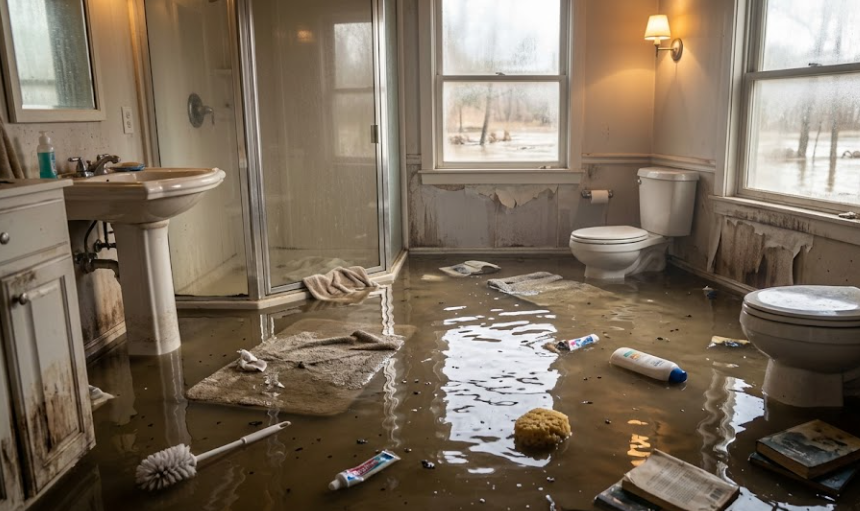
Few household emergencies cause instant panic quite like watching rising water in bathroom fixtures spill onto the floor. Whether it comes from an overflowing toilet, a backed up shower drain, or a burst supply line, rising water in bathroom spaces can spread damage throughout your home in a matter of minutes. Knowing how to react quickly and understanding when to call a professional restoration team can mean the difference between a minor inconvenience and a costly, long term repair project.
This guide explains the most common causes of rising water in bathroom areas, the immediate steps you should take when it happens, and why professional water damage restoration is often necessary even after the visible water is gone. If you are currently dealing with this exact emergency, understanding this process can help you protect your home and your health right now.
Common Causes of Rising Water in Bathroom Spaces
Understanding what causes rising water in bathroom fixtures can help you respond faster and, in some cases, prevent the problem from happening again.
Toilet Overflows and Clogs
A clogged toilet is one of the most frequent sources of rising water in bathroom emergencies. When waste, paper products, or foreign objects block the drain line, water and sometimes sewage can back up and overflow onto the floor within seconds of flushing.
Shower and Tub Drain Backups
Hair, soap residue, and mineral buildup can slowly narrow a drain pipe over time, eventually causing water to back up during a shower or bath. In more serious cases, a blockage further down the plumbing system can cause rising water in bathroom drains even when fixtures are not actively in use.
Burst or Leaking Supply Lines
The flexible supply lines connecting toilets, sinks, and washing machines to the water system can degrade over time or fail suddenly due to pressure changes. A burst supply line can release a significant volume of water rapidly, leading to serious rising water in bathroom areas and adjoining rooms.
Sewer Line Backups
One of the more serious causes of rising water in bathroom fixtures is a sewer line backup, often triggered by tree root intrusion, aging pipes, or municipal system issues. This type of water intrusion carries significant health risks because it may contain sewage and other contaminants, classified as category three black water by restoration professionals.
Water Heater Failures
Bathrooms located near or above a water heater can experience flooding if the unit fails or its pressure relief valve malfunctions, sending water into nearby spaces including bathroom flooring and walls.
Immediate Steps to Take When You Notice Rising Water in Bathroom Fixtures
Acting quickly during the first few minutes of a bathroom flooding emergency can significantly reduce the extent of the damage.
1. Shut Off the Water Source
Locate the shutoff valve behind or beneath the toilet, sink, or fixture causing the issue, and turn it off immediately. If you cannot identify the specific source, shutting off the main water supply to the home is the safest option.
2. Turn Off Electricity if Necessary
If rising water in bathroom areas is approaching electrical outlets, light fixtures, or appliances, turn off power to that area at the breaker panel before doing anything else, and avoid entering standing water near electrical sources.
3. Remove Standing Water Where Safe
Using towels, a wet vacuum, or buckets, remove as much standing water as possible to limit how far it spreads into hallways, adjoining rooms, or through flooring seams.
4. Identify the Water Category
If the rising water in bathroom fixtures came from a clean source like a supply line, cleanup can often proceed with standard precautions. However, if the water involves toilet overflow or sewer backup, it should be treated as contaminated and handled with extreme caution, since exposure to category three water can pose serious health risks.
5. Document the Damage
Take photos and videos of the affected area before beginning any cleanup, since this documentation will be valuable for any insurance claim related to the incident.
6. Call a Professional Water Damage Restoration Team
Even after visible water has been removed, moisture often remains trapped beneath flooring, inside walls, and under cabinetry. A professional team can properly assess the situation and ensure your bathroom and surrounding areas are fully dried and sanitized.
Why Rising Water in Bathroom Areas Requires Fast Professional Attention
Bathrooms present unique challenges when it comes to water damage. Tile flooring often sits over subflooring that can absorb and trap moisture invisibly, while the enclosed, humid nature of most bathrooms already creates conditions favorable to mold growth. When rising water in bathroom spaces is left untreated, mold can begin developing within 24 to 48 hours, according to most restoration industry guidelines, particularly in warm climates where indoor temperatures accelerate microbial growth.
The Risk of Hidden Moisture
Even when a bathroom floor appears dry to the touch, moisture can linger beneath tile, inside drywall, and within cabinetry for days or weeks if not properly addressed. Professional restoration technicians use moisture meters and thermal imaging equipment to detect hidden dampness that would otherwise go unnoticed until mold or structural damage becomes visible.
Contaminated Water Risks
When rising water in bathroom emergencies involves a toilet overflow or sewer backup, the water may contain bacteria, viruses, and other pathogens. Cleaning this type of contamination without proper protective equipment and EPA registered disinfectants can expose homeowners to serious health risks, making professional intervention especially important in these situations.
The Professional Water Damage Restoration Process
When you call a qualified restoration company to address rising water in bathroom emergencies, technicians typically follow a structured process to ensure complete recovery.
1. Inspection and Water Categorization
Technicians assess the source and category of the water, whether clean, gray, or black, to determine the appropriate safety protocols and equipment needed.
2. Water Extraction
Industrial pumps and vacuums remove any remaining standing water quickly, minimizing the time moisture has to spread into surrounding materials.
3. Drying and Dehumidification
Air movers and dehumidifiers are placed strategically to draw moisture out of flooring, cabinetry, and walls, with technicians monitoring progress until the area reaches a safe moisture level.
4. Cleaning and Disinfection
Any surfaces exposed to contaminated water are thoroughly cleaned and disinfected using EPA registered antimicrobial treatments to eliminate bacteria and reduce health risks.
5. Repairs and Restoration
Once the area is fully dry, any damaged materials such as subflooring, drywall, or cabinetry are repaired or replaced to restore the bathroom to a safe, functional condition.
Preventing Future Bathroom Flooding
While not every incident of rising water in bathroom fixtures can be predicted, regular maintenance significantly reduces the risk. Inspecting supply lines annually and replacing any that show signs of wear, avoiding flushing anything other than toilet paper and human waste, keeping drains clear of hair and debris, and scheduling periodic professional plumbing inspections can all help prevent sudden flooding emergencies before they start.
How Insurance Handles Bathroom Water Damage
Most homeowners insurance policies cover sudden and accidental water damage, such as a burst supply line or unexpected appliance failure, though coverage details can vary depending on the source of the water. A reputable restoration company will document the damage thoroughly and work directly with your insurance adjuster to help ensure your claim accurately reflects the full scope of the incident.
When to Leave the Area Instead of Cleaning It Yourself
Not every case of rising water in bathroom fixtures is safe to address on your own, even temporarily. If the water is visibly discolored, has a strong sewage odor, or is rising from a floor drain rather than an overflowing fixture, it is likely contaminated black water and should be treated as a serious health hazard. In these situations, it is best to keep children, pets, and anyone with a compromised immune system away from the affected area entirely until professional technicians arrive.
Similarly, if rising water in bathroom areas is accompanied by visible sparking, a burning smell, or water pooling near an outlet or light fixture, leave the area immediately and shut off power at the main breaker panel rather than attempting to enter the space. Personal safety should always take priority over property protection, and a professional restoration team can safely manage extraction and cleanup once the area has been secured.
Get Help With Rising Water in Bathroom Emergencies Now
Rising water in bathroom fixtures can escalate from a minor inconvenience to a major restoration project within hours if not addressed properly. Hidden moisture, potential contamination, and the risk of mold growth make professional intervention essential, even when the visible water has already been cleaned up.
PuroClean’s certified restoration specialists respond quickly to rising water in bathroom emergencies throughout the area, using advanced extraction and drying equipment to protect your home from further damage. Our team works directly with your insurance provider and treats every situation with urgency and care.
Do not wait while hidden moisture spreads. Call PuroClean today at (480) 767-5588 for immediate, professional restoration help addressing rising water in bathroom emergencies and restoring your home to a safe, dry condition.