


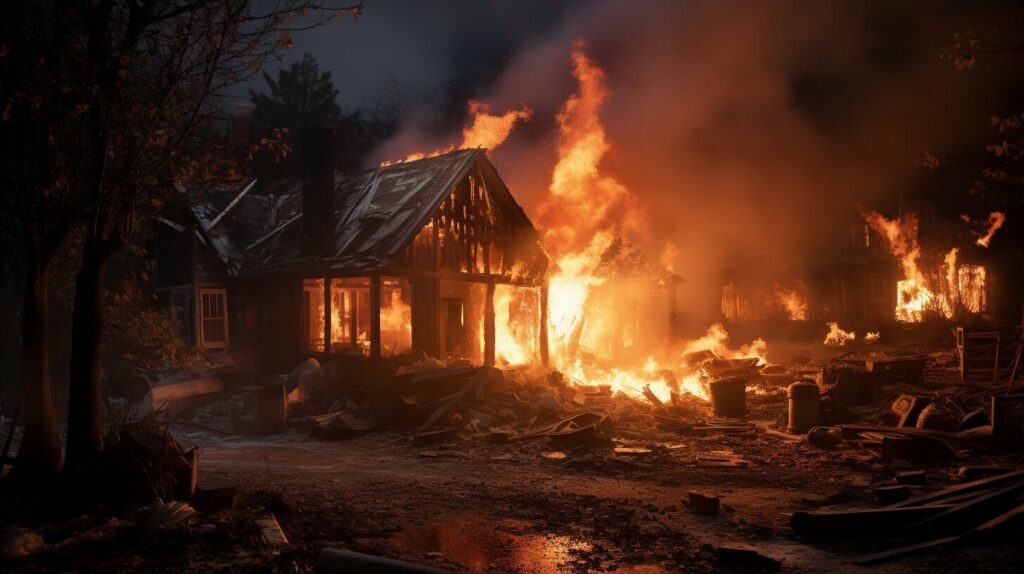
A house fire is one of the most devastating experiences anyone can face. The flames may be extinguished, but the aftermath—charred belongings, smoke damage, and water-soaked furniture—can feel overwhelming. While some items may be lost, many can still be salvaged with the right approach.
This guide will walk you through the process of salvaging, cleaning, and restoring your belongings after fire damage. By following these steps, you can maximize recovery efforts and begin rebuilding your life.
Understanding the Different Types of Fire Damage
Fires don’t just burn—they destroy in multiple ways.
Direct Flame Damage – Anything in direct contact with fire may be burned beyond repair. Melted plastics, charred furniture, and ashes are common examples.
Smoke and Soot Damage – Even if flames don’t touch an item, smoke can seep into walls, clothing, and furniture, leaving toxic residues and an overpowering odor.
Water Damage – Firefighters use massive amounts of water to control flames, leaving belongings soaked. This can lead to mold and mildew if not properly addressed.
Structural Risks – Fire weakens floors, walls, and ceilings. Entering too soon without proper assessment can be dangerous.
Immediate Steps to Take After a Fire
Hire a Professional Fire Damage Restoration Service – Experts can assess what’s salvageable and restore your home efficiently.
Ensure Safety First – Do not re-enter your home until authorities confirm it’s safe.
Contact Your Insurance Provider – Document everything with photos and videos.
Sorting Through Belongings: What Can Be Saved?
Items That Are Usually Salvageable
- Metal objects (jewelry, silverware)
- Glass and ceramics (dishes, vases)
- Some clothing and fabric (if not heavily damaged by soot)
Items That Should Be Discarded
Melted plastics (may release harmful toxins)
Burnt furniture and mattresses
Food, medications, and cosmetics
Cleaning and Restoring Salvageable Items
Furniture
- Use a vacuum with a HEPA filter to remove soot.
- Wipe wooden surfaces with vinegar and warm water.
- Consider professional upholstery cleaning.
Clothing and Fabrics
- Wash with baking soda and vinegar to remove odors.
- Take delicate fabrics to a dry cleaner.
Electronics
- Never turn on electronics until inspected.
- Wipe with a dry microfiber cloth to remove soot.
Documents and Books
- Freeze wet books to prevent mold.
- Separate pages and dry using a fan.
Jewelry and Valuables
- Soak metal items in warm water and mild detergent.
- Use a jeweler’s cloth to restore shine.
Handling Smoke and Soot Residue
- Use a dry sponge to remove soot from walls and ceilings.
- Avoid water-based cleaning on dry soot, as it may smear.
- Ventilate the area with open windows and fans.
Eliminating Smoke Odors from Your Home
- Use Natural Absorbents – Place bowls of baking soda, activated charcoal, or coffee grounds around the house.
- Steam Cleaning – Helps remove odors trapped in carpets and fabrics.
- Professional Ozone Treatment – An effective solution for stubborn smoke smells.
When to Call a Professional Restoration Service
If fire damage is severe, restoration experts can help with:
- Deep Cleaning – Industrial-grade equipment removes soot and smoke.
- Water Damage Restoration – Preventing mold growth and structural weakening.
- Odor Removal – Advanced techniques eliminate persistent smoke smells.
Preventing Future Fire Damage
- Install smoke detectors and test them monthly.
- Keep fire extinguishers in key areas like the kitchen and garage.
- Create a fire escape plan and practice it with your family.
Conclusion
Recovering from fire damage is a challenging journey, but not all is lost. With careful cleaning, restoration efforts, and professional help, you can salvage valuable belongings and rebuild. Stay patient, take it step by step, and remember—you’re not alone in this process.
FAQs
Can I clean fire-damaged items myself?
Yes, but it depends on the severity. Light soot and smoke damage can be cleaned with proper techniques, but extensive damage may require professionals.
What are the best cleaning products for smoke damage?
White vinegar, baking soda, activated charcoal, and specialized soot sponges work best for removing stains and odors.
How long does fire damage restoration take?
The timeline varies. Minor restoration may take days, while severe cases can take weeks or months.
What should I do if my insurance claim is delayed?
Follow up with documentation, seek assistance from a public adjuster, or consult a lawyer if necessary.
Are there grants or assistance programs for fire victims?
Yes, organizations like the Red Cross and FEMA offer aid to fire victims. Check local resources for additional support.