


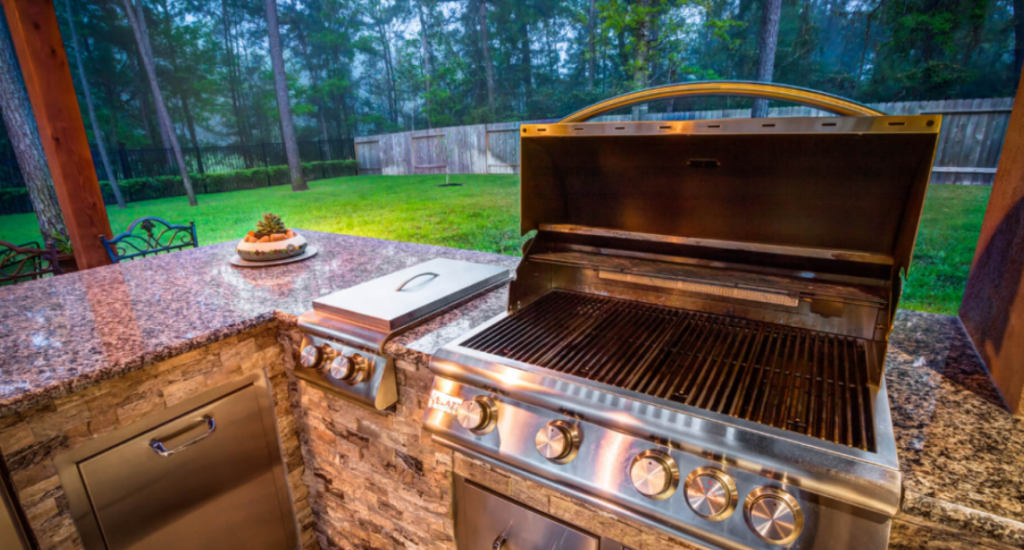
Smoke Odor Removal After Barbeque and Outdoor Fire Guide
Few experiences are more enjoyable than an outdoor BBQ or a crackling backyard fire pit on a cool Arizona evening. But when smoke from those outdoor events drifts into your home and embeds itself in your walls, furniture, carpet, and HVAC system, what started as a pleasant gathering can leave a persistent and unwelcome reminder for days, weeks, or even months afterward. Smoke odor removal after BBQ and outdoor fire events is a challenge that many homeowners underestimate – reaching for candles and air fresheners when the problem actually requires a far more systematic approach.
The difficulty with smoke odor removal after BBQ or outdoor fire events is that smoke does not simply linger in the air. The volatile organic compounds (VOCs) and fine particulate matter that give smoke its characteristic smell physically embed themselves in porous surfaces throughout your home. Every soft furnishing, every painted wall, every duct in your HVAC system can absorb and retain these odor compounds – and as long as those compounds remain, the odor will continue to off-gas back into your living space regardless of how much ventilation or deodorizing spray you apply.
This guide covers the science behind smoke odor, why standard home remedies consistently fall short, what genuinely effective smoke odor removal after BBQ and outdoor fire events requires, when professional help is the right call, and how to prevent the problem from recurring in the future.
Why Smoke Odor From BBQ and Outdoor Fires Is So Persistent
To understand why smoke odor removal after BBQ and outdoor fire events is so challenging, it helps to understand what smoke actually is and how it interacts with the materials inside your home.
The Chemistry of Smoke Odor
Smoke is a complex aerosol containing thousands of chemical compounds. When wood, charcoal, or other organic materials burn, they produce fine particulate matter, polycyclic aromatic hydrocarbons, and volatile organic compounds including guaiacol and syringol – the primary compounds responsible for the distinctive campfire and BBQ smell – along with aldehydes and phenols. These molecules are extremely small and chemically reactive, which allows them to penetrate deeply into porous materials and bond chemically with organic surfaces.
This chemical bonding is why smoke odor removal after BBQ events cannot be achieved simply by airing a room out. The odor compounds are not floating freely in the air waiting to be ventilated away. They are embedded in the fiber structure of your carpet, the paper facing of your drywall, the foam core of your upholstered furniture, and the duct lining of your HVAC system. Each time the ambient temperature rises or airflow increases, these compounds off-gas from their host material back into the room air – which is why smoke odor seems to return repeatedly even after initial cleaning efforts.
How Outdoor Smoke Enters a Home
Many homeowners are surprised by how effectively outdoor smoke from a backyard BBQ or fire pit infiltrates a home that appears to be closed up. Smoke infiltration from outdoor sources occurs through several pathways:
- Natural air exchange through gaps around doors and windows – even a well-sealed home exchanges a meaningful percentage of its air volume with outdoor air every hour
- HVAC system intake – if your air conditioning or forced-air system is running while outdoor smoke is present, it draws smoke-laden air through the return vents and distributes it throughout every room in the home
- Attic ventilation – ridge vents, soffit vents, and gable vents allow outdoor air, and the smoke it carries, to enter the attic space and eventually migrate downward
- Chimney and fireplace openings – if a fireplace damper is not fully closed, outdoor smoke can migrate into the home through the flue
- Deliberate ventilation – homeowners who open windows to enjoy the evening air during or after a fire event often introduce significantly more smoke than they realize
When a BBQ or outdoor fire event is prolonged – a multi-hour cookout, a weekend gathering, or an extended evening around a fire pit – the cumulative smoke infiltration can be substantial, particularly if prevailing winds are directing smoke toward the home.
Why Common Home Remedies Fall Short
Before investing time and money in approaches that will not solve the problem, it is important to understand why the most commonly attempted methods of smoke odor removal after BBQ events consistently produce disappointing results.
Air Fresheners and Scented Candles
Air fresheners and scented candles mask smoke odor temporarily by introducing competing fragrances that overpower the smell in the short term. They do not interact with or neutralize the odor-causing compounds embedded in surfaces. As soon as the masking fragrance dissipates, the smoke odor returns from the surfaces where it was never addressed. In some cases, the combination of smoke and artificial fragrance creates a more unpleasant composite odor than the original smoke smell alone.
Opening Windows and Running Fans
Ventilation is a legitimate first step in smoke odor removal after BBQ events, but it addresses only the airborne component of the odor problem – the smoke particles currently suspended in room air. Once smoke compounds have deposited on surfaces, ventilation alone cannot dislodge or neutralize them. Running fans without dehumidification can also spread odor-laden air to adjacent rooms, expanding rather than containing the affected area.
Baking Soda and White Vinegar
Baking soda and white vinegar are effective at neutralizing some odors in limited applications. However, their penetration depth in porous materials is minimal, and neither is effective against the full range of VOCs present in wood or charcoal combustion smoke. These household remedies may address very light surface contamination from brief, incidental smoke exposure, but they are not adequate for significant smoke odor removal after BBQ or outdoor fire events involving sustained exposure.
Standard Household Cleaning Products
General-purpose household cleaners are designed to address dirt, grease, and biological contamination on hard surfaces. They are not formulated to chemically neutralize the specific volatile organic compounds responsible for smoke odor, and they have no meaningful penetrating ability in soft or porous materials. Wiping down hard surfaces with household cleaner may remove some surface-deposited residue, but it will not address the smoke compounds that have penetrated into paint, wood grain, fabric, or carpet fibers.
Effective Approaches to Smoke Odor Removal After BBQ and Outdoor Fire Events
Genuine, lasting smoke odor removal after BBQ and outdoor fire events requires approaches that address embedded odor compounds in surfaces – not just airborne odor molecules. Here is what actually works, organized from steps a homeowner can take immediately to the professional interventions that produce the most complete and lasting results.
Step 1: Ventilate Thoroughly When Outdoor Air Is Clean
Begin smoke odor removal after BBQ events by ventilating the home as aggressively as possible, but only when outdoor air quality is genuinely better than indoor air quality. Open multiple windows and doors on opposite sides of the home to create cross-ventilation. Use box fans positioned in windows to push smoky indoor air out rather than simply recirculating it. Continue ventilating for several hours or until the most intense phase of airborne odor has cleared.
Important: if the outdoor fire or BBQ is still burning, or if outdoor air is still smoky from a nearby wildfire or fire event, do not ventilate. Opening the home in smoky outdoor conditions introduces more contaminated air than you remove.
Step 2: Launder All Washable Soft Goods Immediately
Curtains, throw blankets, slipcovers, pillow covers, area rugs, and clothing that were present during the smoke event should be laundered as quickly as possible. Add one cup of white vinegar to the wash cycle along with your regular detergent – vinegar helps neutralize some smoke odor compounds during washing. Air-dry these items outdoors in fresh air rather than using a dryer, which can set odors with heat before they are fully removed.
Dry-clean-only items that have absorbed significant smoke should be taken to a professional dry cleaner with smoke odor treatment experience. Be specific when dropping items off – tell the cleaner the items were exposed to BBQ or outdoor fire smoke and ask whether they offer ozone treatment or other specialized smoke odor remediation.
Step 3: Clean All Hard Surfaces With an Odor-Neutralizing Agent
Hard surfaces throughout the home – walls, ceilings, countertops, cabinetry, and hard flooring – should be cleaned with an odor-neutralizing solution rather than a standard cleaner. Products containing enzymatic cleaning agents or activated charcoal compounds are more effective at chemically neutralizing smoke VOCs than general-purpose detergents. For smoke odor removal after BBQ events, pay particular attention to ceilings, which accumulate smoke deposits more heavily than walls due to the tendency of warm, smoke-laden air to rise.
A practical DIY solution is a mixture of warm water, a small amount of dish soap, and a quarter cup of white vinegar. Apply with a sponge or microfiber cloth, working from top to bottom in each room to avoid re-contaminating already-cleaned lower surfaces. Rinse with clean water and allow surfaces to dry fully before assessing remaining odor.
Step 4: Treat Carpet and Upholstery With Specialized Approaches
Carpet and upholstered furniture are the most significant reservoirs of smoke odor in most homes because of their large surface area and high porosity. For light smoke exposure, a generous application of baking soda to carpet and upholstery – left in place for several hours before HEPA vacuuming – can absorb some surface-level odor compounds.
For moderate to significant smoke odor, professional hot water extraction cleaning of carpets and professional upholstery cleaning with specialized smoke odor treatments deliver the most effective results for fabric surfaces. Hot water extraction reaches deeper into carpet fibers than surface cleaning and removes both the particulate residue and a meaningful portion of the chemical compounds driving the odor.
Step 5: Address the HVAC System and Replace Filters
The HVAC system is a critical and frequently overlooked element of smoke odor removal after BBQ and outdoor fire events. If the system was running during the smoke event, the air filter has captured a significant quantity of smoke particles and the return air grilles and ductwork have accumulated smoke deposits. Replace the HVAC filter immediately with a high-MERV-rated replacement (MERV 11 or higher) that can effectively capture the fine particles associated with combustion smoke.
Clean all return air grilles with a damp cloth to remove surface deposits. If smoke exposure was significant or prolonged, have the HVAC system’s blower assembly and supply ductwork inspected and professionally cleaned. An HVAC system that continues to circulate smoke-contaminated air through the home is one of the most common reasons smoke odor persists long after all visible surfaces have been treated.
Step 6: Deploy Activated Charcoal Odor Absorbers
Activated charcoal is an effective passive odor absorber for the ongoing phase of smoke odor removal after BBQ events. Place bowls or bags of activated charcoal in affected rooms and allow them to adsorb residual airborne odor compounds over several days. Unlike air fresheners, activated charcoal actually captures odor molecules from the air through adsorption rather than masking them with a competing fragrance. Replace or recharge the charcoal as directed and reposition it in the rooms where residual odor is most persistent.
When Professional Smoke Odor Removal Is the Right Call
For moderate to severe smoke odor exposure – situations where smoke entered the home in significant quantities over an extended period, where the HVAC system distributed smoke throughout multiple rooms, or where home remediation efforts have not produced satisfactory results – professional smoke odor removal after BBQ and outdoor fire events is the most efficient and reliable path to a fully restored indoor environment.
Ozone Treatment
Ozone (O3) is one of the most powerful tools available for professional smoke odor removal. Ozone generators produce high concentrations of ozone that react chemically with odor-causing VOCs and oxidize them into odorless compounds. Unlike surface cleaning, ozone treatment penetrates into the same porous materials that absorbed the smoke compounds – wall surfaces, carpet fibers, upholstery, and ductwork – and neutralizes the odor at the molecular source.
Ozone treatment must be performed by trained professionals. High-concentration ozone is hazardous to people, pets, and plants, and the treated space must be fully vacated during the process and ventilated thoroughly before re-occupancy. When performed correctly, ozone treatment is one of the most comprehensive solutions available for smoke odor removal after BBQ and outdoor fire events.
Hydroxyl Radical Treatment
Hydroxyl radical generators offer an alternative to ozone treatment that can be used in occupied spaces. Hydroxyl radicals are naturally occurring atmospheric oxidants that break down VOCs through a chemical reaction similar to ozone oxidation, but without the toxicity that requires full evacuation. Professional restoration companies use hydroxyl generators for ongoing smoke odor removal in situations where the space cannot be vacated for extended periods, or where ozone-sensitive materials limit ozone treatment options.
Thermal Fogging
Thermal fogging is a professional technique in which a specialized deodorizing chemical solution is vaporized into a fine fog that penetrates the same porous materials that smoke penetrated. Because thermal fog particles are comparable in size to smoke particles, they reach the same depth within walls, fabrics, and structural materials where smoke compounds are bound. Smoke odor removal after BBQ events that has not responded to surface cleaning and ventilation often responds well to thermal fogging because it addresses embedded odor compounds directly rather than treating only surface-level deposits.
Professional Duct Cleaning
When smoke has been circulated through the HVAC system, professional duct cleaning is a necessary component of complete smoke odor removal. Professional duct cleaning uses high-powered vacuum equipment and rotary brush systems to remove smoke deposits from the full length of supply and return ductwork. Following mechanical cleaning, a deodorizing treatment is applied to the duct interior to address any residual odor compounds that the vacuuming process could not physically remove.
Preventing Smoke Infiltration During Future Outdoor Events
The most efficient approach to smoke odor removal after BBQ events is to minimize the amount of smoke that enters the home in the first place. These practices significantly reduce smoke infiltration during outdoor fire events:
- Turn off the HVAC system before lighting a BBQ or fire pit, particularly if the outdoor unit’s air intake is on the same side of the home as the prevailing wind direction
- Close windows and doors on the side of the home facing the fire or the direction smoke is drifting before the fire begins
- Position fire pits and grills at maximum practical distance from the home’s windows, doors, and air intake vents
- Account for prevailing wind direction when setting up – position the fire so smoke naturally drifts away from the home rather than toward it
- Use natural ignition methods rather than lighter fluid for charcoal fires, as lighter fluid produces significantly more initial smoke and VOCs during the startup phase
- Fully extinguish outdoor fires before going inside for the evening – a smoldering fire produces more prolonged smoke infiltration than an actively burning one
- Replace the HVAC filter and clean return grilles within 24 hours of any significant smoke exposure to prevent the system from continuing to circulate captured smoke particles
Special Considerations for Arizona Homeowners
Arizona’s climate creates a natural outdoor living culture – fire pits, outdoor kitchens, and extended evening gatherings are a year-round reality for many Valley homeowners. This means that smoke odor removal after BBQ and outdoor fire events is a recurring maintenance consideration rather than a one-time emergency for many households.
Homes with open-concept layouts that connect indoor and outdoor living areas are particularly vulnerable to smoke infiltration because the large door openings that create the indoor-outdoor connection during gatherings also create large, unobstructed pathways for smoke entry. Homeowners with these configurations should pay particular attention to HVAC management during outdoor events and to thorough post-event cleaning of interior spaces immediately adjacent to outdoor living areas.
Arizona’s wildfire season also overlaps with outdoor entertaining season in ways that can combine routine BBQ smoke with ambient wildfire smoke already present in the atmosphere. On days when air quality alerts are in effect, keeping the home sealed and the HVAC running on a recirculation mode protects indoor air quality and limits the need for smoke odor removal afterward.
Smoke Odor Removal After BBQ Events Requires the Right Approach
Persistent smoke odor after a backyard BBQ or outdoor fire is not a problem that resolves itself with time or responds reliably to surface-level remedies. Genuine, lasting smoke odor removal after BBQ and outdoor fire events requires addressing the odor compounds where they live – in the fibers, pores, and surfaces of your home’s materials.
For light to moderate exposure, the systematic approach outlined in this guide will produce significant results. For heavier contamination or situations where initial efforts have not fully resolved the odor, professional treatment using ozone, hydroxyl radicals, or thermal fogging is the most reliable path to a completely fresh and odor-free indoor environment.
Do not let a persistent smoke odor diminish the comfort and enjoyment of your home. With the right approach – and professional expertise when the situation calls for it – complete smoke odor removal is fully achievable.
Persistent Smoke Odor in Your Home? Call PuroClean for Professional Removal
When home remedies are not enough, PuroClean’s certified odor remediation specialists bring the professional-grade equipment and proven techniques needed to eliminate smoke odor completely. From thermal fogging and ozone treatment to HVAC decontamination and full contents restoration, PuroClean delivers lasting smoke odor removal for residential and commercial properties throughout the Phoenix metro area.
Call PuroClean restoration specialists now at (480) 767-5588. Fast response. Proven results. Complete peace of mind.
Do not live with smoke odor. PuroClean will restore your home to fresh and clean – completely.