


Tenant Rights and Landlord Responsibilities for Water Damage
Water damage in a rental property creates an immediate collision of interests, obligations, and legal rights that can quickly escalate from a maintenance issue into a dispute with significant financial and legal consequences for both parties.
A burst pipe that floods a tenant’s apartment, a roof leak that destroys a renter’s personal belongings, a sewage backup that renders a unit uninhabitable – each of these events triggers a web of legal obligations, insurance considerations, and practical responsibilities that both landlords and tenants are frequently unprepared to navigate.
Understanding tenant rights and landlord responsibilities for water damage in Arizona requires knowledge of the Arizona Residential Landlord and Tenant Act (ARLTA), the specific obligations it creates for both parties, how those obligations interact with the insurance policies each party carries, and what practical steps each side should take from the moment a water event is discovered.
This guide is written for both audiences – tenants who need to know what they are entitled to and how to protect themselves, and landlords who need to understand what the law requires of them and how to fulfill those requirements without creating additional liability.
The Legal Framework: Arizona Residential Landlord and Tenant Act
Arizona Revised Statutes Title 33, Chapter 10 – the Arizona Residential Landlord and Tenant Act – establishes the fundamental rights and obligations of landlords and tenants in Arizona residential rental properties. The Act creates a framework that applies to virtually all residential rentals in the state and governs how water damage events must be handled by both parties.
The Landlord’s Implied Warranty of Habitability
Under ARS 33-1324, Arizona landlords are required to maintain their rental properties in a habitable condition. This warranty – often called the implied warranty of habitability – requires that landlords comply with all applicable building codes materially affecting health and safety, make all repairs necessary to keep the property in a fit and habitable condition, keep common areas in a safe and clean condition, maintain all plumbing, heating, air-conditioning, and other facilities in good and safe working order, and provide reasonable protection from weather.
Water damage that makes a unit uninhabitable – whether from a roof leak, a plumbing failure, flooding, or sewage backup – is a direct breach of this warranty. The implied warranty of habitability is not waivable by the tenant in a rental agreement, and any lease provision that purports to eliminate it is unenforceable under Arizona law.
What Constitutes Uninhabitable Conditions Under Arizona Law
Arizona courts and the ARLTA have recognized that the following water-related conditions can constitute uninhabitable conditions that trigger the landlord’s remediation obligation:
- Active water intrusion through the roof, walls, or windows that affects the interior of the dwelling
- Flooding from plumbing failures that has not been promptly remediated
- Sewage backup or overflow that exposes the unit to Category 3 contamination
- Mold growth resulting from water damage that the landlord failed to remediate in a timely manner
- Non-functional plumbing that prevents the tenant from having access to water or sewage disposal
- Standing water or wet conditions that create slip-and-fall hazards in the unit or common areas
Landlord Responsibilities for Water Damage: What Arizona Law Requires
Prompt Repair Obligation
When a landlord receives written notice from a tenant of a condition that constitutes a material non-compliance with the warranty of habitability – which includes significant water damage – ARS 33-1363 requires the landlord to begin remediation within a reasonable time. For emergency conditions that affect health and safety, such as active flooding, sewage backup, or roof collapse from water intrusion, reasonable time is measured in days, not weeks. A landlord who receives notice of a sewage backup on a Monday and schedules repair for the following week has almost certainly failed to meet the reasonable time standard.
Arizona courts have interpreted the reasonable time standard in the context of the severity of the condition. Conditions that affect habitability – the tenant’s ability to safely occupy and use the dwelling – require faster response than conditions that are merely inconvenient. Water damage that causes flooding, mold growth, or contamination is a habitability issue, not an inconvenience, and the landlord’s repair obligation is correspondingly urgent.
Responsibility for Structural and System Failures
Landlords are generally responsible for water damage caused by failures in systems and structures that the landlord is responsible for maintaining – the roof, the plumbing system, the HVAC system, the building envelope, and the common area systems. When a pipe within the walls bursts because it has corroded over years of hard water exposure, or when a roof begins leaking because its membrane has deteriorated beyond its useful life, or when a common area sewer line backs up, these are landlord-responsibility events under the ARLTA.
The landlord’s responsibility extends not only to repairing the source of the water damage but to remediating the full extent of the damage caused – including drywall damage, flooring damage, mold growth, and any impact on the habitability of the unit. Repairing a burst pipe without remediating the water damage it caused does not satisfy the landlord’s obligation.
Duty to Notify Tenants
When water damage affects common areas, multiple units, or building systems that serve multiple tenants, landlords have an obligation to notify affected tenants promptly about the nature of the damage, the remediation plan, and the expected timeline. This is particularly important when the remediation process will require access to tenant units, when the damage involves mold or other health hazards, or when the remediation timeline means that the unit may be temporarily uninhabitable.
Security Deposit Obligations During Water Damage Events
If water damage results in the tenant being displaced from the unit, the landlord cannot apply the tenant’s security deposit to cover the costs of the water damage remediation if the damage was caused by the landlord’s failure to maintain the property. Security deposits are held for the tenant’s account and are applied only to unpaid rent and damages caused by the tenant beyond normal wear and tear. Water damage caused by a landlord-responsibility system failure is not a tenant-caused damage.
Tenant Rights When Water Damage Occurs
The Right to Prompt Remediation
Tenants in Arizona have the right to prompt remediation of habitability-affecting conditions under ARS 33-1363. When a tenant provides written notice to the landlord of a water damage condition that materially affects habitability, and the landlord fails to begin remediation within a reasonable time, the tenant has several legal remedies available under the ARLTA. Written notice is essential – verbal reports of water damage do not create the same legal record as a written notification sent by email, text message, or certified mail that establishes the date the landlord received notice of the condition.
Rent Withholding and Rent Escrow
Under ARS 33-1365, if a landlord materially fails to comply with the rental agreement or the requirements of the ARLTA in a way that affects health and safety, a tenant may give written notice of the non-compliance and, if the landlord does not begin remediation within a reasonable time, may terminate the rental agreement. In some circumstances, tenants may also deposit rent into escrow rather than paying the landlord, pending resolution of the habitability condition.
Rent withholding is one of the most consequential steps a tenant can take and should not be pursued without understanding the legal requirements precisely. A tenant who stops paying rent without properly following the ARLTA’s notice and escrow provisions may find themselves in a worse legal position than before. Consulting with a tenant’s rights attorney or an Arizona legal aid organization before withholding rent is strongly advisable.
The Right to Terminate the Lease
If a water damage condition renders the rental unit uninhabitable and the landlord fails to begin remediation within a reasonable time after written notice, ARS 33-1363 allows the tenant to terminate the rental agreement. Termination must follow the specific procedures established by the ARLTA, including proper written notice to the landlord. A tenant who terminates a lease under these provisions is entitled to return of the security deposit and is not liable for future rent under the terminated lease.
The Right to Emergency Repair and Deduction
Under ARS 33-1363, if a condition constitutes an emergency that materially affects health and safety, and the landlord cannot be contacted or fails to respond promptly, a tenant may have the right to have the emergency condition repaired and to deduct the cost from rent, subject to specific procedural requirements and dollar limits. This emergency repair right is narrowly defined and has specific conditions that must be met – it is not a general license to make repairs and deduct costs, but it does provide a path for tenants facing genuine emergencies where the landlord is unresponsive.
Tenant Rights Regarding Mold From Water Damage
Mold that develops as a result of a landlord’s failure to remediate water damage in a timely manner is a landlord-responsibility condition. Tenants have the right to a mold-free dwelling, and mold growth caused by the landlord’s negligence in addressing water damage creates liability for the landlord for both the cost of remediation and any health effects suffered by tenants. Tenants who develop health symptoms consistent with mold exposure should document those symptoms and consult both a physician and a legal professional about their rights and remedies.
Tenant Responsibilities for Water Damage
While landlords carry the primary obligation for structural maintenance and system failures, tenants also have specific responsibilities related to water damage under the ARLTA.
Prompt Notification
ARS 33-1341 requires tenants to promptly notify the landlord in writing of any condition that affects habitability or requires repair. A tenant who discovers a slow leak beneath the kitchen sink, a ceiling stain suggesting an active roof leak, or a plumbing backup and fails to report it in a timely manner may share responsibility for damage that worsened after the discovery. Prompt written notification protects both the tenant’s legal rights and limits the scope of the damage.
Reasonable Use and Maintenance
Tenants are required to use the dwelling in a reasonable manner and to avoid causing damage through their own actions. Water damage caused by a tenant’s negligence – an overflowed bathtub that was left unattended, a refrigerator water line that the tenant installed improperly, or a dishwasher that the tenant operated after it began leaking – is a tenant-responsibility damage that the landlord can recover from the security deposit or through legal action.
Tenant’s Own Renter’s Insurance
The ARLTA does not require landlords to compensate tenants for damage to personal property caused by a covered water event, even when the water damage resulted from the landlord’s failure to maintain building systems. Landlords are responsible for the structure and the habitability of the unit – not for the replacement of a tenant’s laptop, furniture, clothing, or electronics that were damaged by water from a pipe the landlord failed to maintain.
Renter’s insurance – specifically the personal property coverage it provides – is the tenant’s protection against loss of personal property from covered water events. Arizona tenants who do not carry renter’s insurance are personally bearing the financial risk of all personal property loss from water damage events, regardless of whether the damage was caused by landlord negligence. Renter’s insurance costs are typically $15 to $30 per month and provide coverage that far exceeds this cost in the event of a significant loss.
Practical Steps for Tenants When Water Damage Occurs
- Document the damage immediately and thoroughly with photographs and video before touching, moving, or cleaning anything. Note the date and time of discovery.
- Notify the landlord in writing immediately – by email, text message, or written notice delivered to the management office. State the nature and location of the damage, the date and time of discovery, and request immediate response. Written notice creates the legal record that triggers the landlord’s remediation timeline.
- If the condition is an emergency – sewage backup, active flooding, structural damage – contact the landlord’s emergency maintenance line in addition to sending written notice.
- Contact your renter’s insurance carrier to report a claim for personal property damage. Do not wait to see how the landlord responds before initiating your own insurance claim.
- Keep a written log of all communications with the landlord regarding the water damage – dates, times, content of conversations, responses received, and any commitments made.
- If the unit is rendered uninhabitable, request from the landlord in writing whether they will provide temporary housing or whether you are entitled to terminate the lease. Understand your rights before making any housing decisions.
- If the landlord is unresponsive within a reasonable period for a habitability-affecting condition, consult a tenant’s rights attorney or Arizona legal aid organization about your legal options before taking self-help remedies such as rent withholding.
Practical Steps for Landlords When Water Damage Occurs
- Respond to tenant notifications of water damage immediately – within hours for emergency conditions, within 24 to 48 hours for non-emergency conditions that affect habitability. Delayed response creates legal liability and allows damage to worsen.
- Document the condition of the unit at the time of the water damage event with photographs and written notes before any remediation begins. This documentation protects the landlord’s ability to distinguish tenant-caused damage from landlord-responsibility damage.
- Engage a certified professional water damage restoration company immediately. Professional restoration limits secondary damage, addresses mold risk within the critical 24 to 48 hour window, and produces the technical documentation that insurance carriers require.
- Notify your property insurance carrier of the loss and report the claim the same day. Request both property damage and liability coverage confirmation. If the tenant has suffered personal property loss, they will likely seek recovery from their own renter’s insurance, but the landlord’s liability coverage may be implicated if the damage resulted from landlord negligence.
- Communicate proactively with affected tenants about the remediation timeline, access requirements, and any temporary housing arrangements. Clear, written communication throughout the process limits disputes and demonstrates good faith.
- Keep the unit in a rent-free condition for the period during which it is genuinely uninhabitable. Charging full rent for a unit with significant water damage that has not been remediated is a violation of the ARLTA and creates additional legal exposure.
When Landlord and Tenant Disputes Arise Over Water Damage
Despite clear legal obligations on both sides, water damage disputes between landlords and tenants are common. The most frequent points of dispute involve the speed of the landlord’s response, the scope of the remediation, responsibility for tenant personal property losses, and the habitability status of the unit during and after remediation.
Both parties should document everything, maintain written communication records, and seek professional legal guidance before taking any action that changes their legal position – such as a tenant withholding rent or a landlord refusing to return a security deposit. Arizona has specific legal aid resources for tenants, and property management associations provide guidance for landlords. Both the Arizona Department of Housing and the Maricopa County Superior Court self-help center offer resources for parties navigating landlord-tenant disputes.
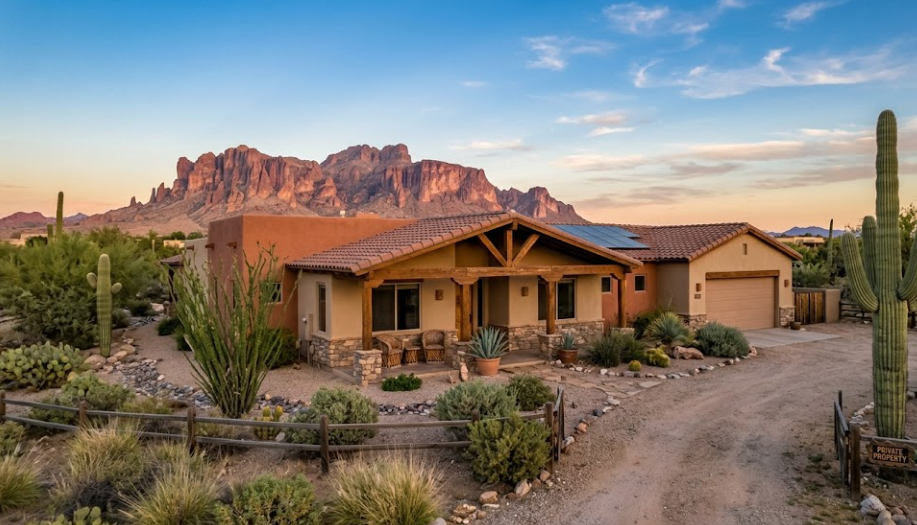
Water Damage Requires Prompt Action and Clear Communication From Both Parties
Water damage in a rental property is one of the most consequential maintenance events a landlord and tenant can face together. The legal framework of Arizona’s ARLTA creates clear obligations for both parties – the landlord’s duty to maintain habitability and respond promptly, and the tenant’s duty to provide timely notification and maintain the property responsibly. When both parties understand their obligations and act on them promptly and professionally, water damage events can be managed efficiently, fairly, and without the legal disputes that arise from confusion, delay, and poor communication.
Arizona’s Premier Restoration Specialists at PuroClean work with both landlords and tenants through the restoration process – providing the professional remediation, technical documentation, and insurance claim support that protects the interests of both parties and gets the property back to habitable condition as quickly as possible. Leaders in recovery. Calm in the Chaos.
Water Damage in a Rental Property? Call PuroClean for Fast, Professional Restoration
PuroClean serves both landlords and tenants throughout the Phoenix metro area and West Valley communities with certified water damage restoration that meets IICRC standards, produces the technical documentation that insurance carriers require, and restores rental properties to habitable condition as quickly as possible. Arizona’s Premier Restoration Specialists. Leaders in recovery. Calm in the Chaos.
Call PuroClean now at (480) 767-5588. Available 24/7. Fast response. Proven results.
For landlords and tenants alike – professional restoration protects your rights and your property. Call PuroClean today.