


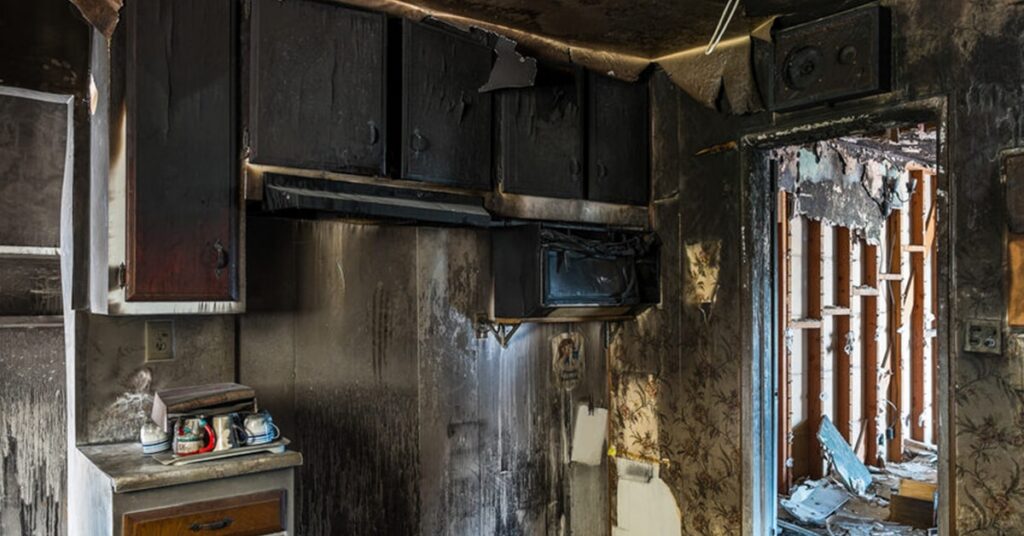
You’ve just survived a fire in your Scottsdale home. The flames are out, the visible damage assessed, and you’re thinking it’s time to move forward. But here’s the catch—smoke and soot don’t just disappear. They linger quietly in places you’d never expect. These sneaky residues can cause long-term damage to your property and your health if not addressed properly.
Let’s walk through the five most common hidden places where smoke and soot like to hide—and why trusting professionals like Puroclean Restoration Specialists in Scottsdale is the smartest step forward.
🧪 Understanding Smoke and Soot After a Fire
What Is Soot?
Soot is a fine black powder made up of carbon particles and byproducts left behind when materials burn incompletely. It’s not just dirty—it’s toxic. Depending on what burned, soot may contain harmful chemicals, metals, or even carcinogens.
What Is Smoke Damage?
Smoke damage refers to the discoloration, odors, and acidic residues left behind after a fire. Unlike soot, smoke can travel through walls, vents, and tiny crevices, affecting areas far from the actual fire.
Why They’re So Difficult to Eliminate
Soot clings to surfaces, penetrates porous materials, and embeds itself in fabrics and insulation. Smoke? It’s even more invasive. Without the right tools and expertise, it’s impossible to fully remove them.
🧼 Why Fire Cleanup Goes Beyond the Surface
You might think a deep clean and a few air fresheners will fix things. But smoke and soot don’t just stay on the walls or floor. They travel and settle in hidden zones, continuing to release toxins and odors long after the fire is gone.
🔍 The Top 5 Hidden Places Smoke and Soot Linger
1. HVAC Systems and Air Ducts
Why They Attract Soot
Your HVAC system acts like a sponge during a fire. Smoke and soot particles are drawn in and circulated throughout the home, settling in vents and filters.
Risks of Contaminated Air
Every time you switch on the heat or AC, you could be blowing contaminated air throughout your home. This leads to respiratory problems, allergies, and the recontamination of clean areas.
2. Behind Walls and Inside Insulation
How Smoke Penetrates Building Materials
Smoke has no boundaries. It seeps through drywall, latches onto insulation, and gets stuck in structural components. If not removed, the smell lingers indefinitely.
The Dangers of Hidden Odors and Residues
You may repaint or refinish your walls, but without professional deodorization, smoke odor can return—especially during Scottsdale’s hot summers when heat releases trapped smells.
3. Attics and Crawl Spaces
The Role of Rising Heat and Smoke
Heat rises, and with it, smoke. This means your attic space—often filled with wood, insulation, and stored items—is a prime spot for hidden damage.
Why These Areas Are Often Overlooked
Attics and crawl spaces aren’t regularly accessed, so lingering smoke and soot often go unnoticed—until the odors creep back or pest infestations begin due to contaminated materials.
4. Inside Cabinets, Drawers, and Furniture
How Soot Settles in Enclosed Spaces
Closed drawers don’t stop smoke. The particles are so tiny they’ll enter enclosed spaces and settle on dishes, utensils, and even clothes.
The Challenge of Soft Surfaces
Upholstered furniture, curtains, rugs, and mattresses absorb smoke like sponges. DIY cleaning only pushes the particles deeper.
5. Light Fixtures and Electrical Outlets
Invisible but Hazardous
You won’t see the soot inside your light fixtures or behind your outlet plates, but it’s there. And it poses serious fire risks if left untreated.
Safety Risks from Residue Build-up
Smoke residue can corrode electrical components, increasing the risk of short circuits or even secondary fires down the line.
☣️ Health Hazards of Lingering Soot and Smoke
- Respiratory issues like asthma and chronic coughing
- Eye irritation and skin problems
- Long-term exposure risks, including cancer-causing toxins
- Worsened indoor air quality, especially dangerous for children and seniors
🚫 Why DIY Cleanup Falls Short
DIY methods might help with visible soot, but hidden residues? Not a chance. Over-the-counter products won’t neutralize toxins or reach inaccessible areas. Worse, improper cleaning can spread contaminants or make them harder to remove later.
☀️ The Scottsdale Climate Factor: Why It Matters
In Scottsdale’s dry, hot climate, smoke odors become more pronounced when temperatures rise. Heat intensifies the release of smoke particles trapped in materials, meaning even minor cleanup mistakes can come back to haunt you.
🏠 The Importance of Professional Restoration
Why Choose Local Experts in Scottsdale
You need a team that understands the unique construction and climate conditions in Scottsdale homes. That’s where Puroclean Restoration Specialists come in.
How Puroclean Restoration Specialists Can Help
- Advanced tools for smoke detection and removal
- Deep cleaning of HVAC systems and structural components
- Thermal fogging and ozone treatments to neutralize odors
- Safe handling of electronics and valuable contents
- Fast, compassionate response to get your life back on track
🔧 What to Expect During Professional Fire Damage Restoration
- Initial Inspection and Assessment
- Board-up and Tarp Services (if needed)
- Water Removal (from fire hoses)
- Soot and Smoke Removal
- Odor Elimination
- Sanitization and Air Purification
- Final Walkthrough and Clearance
🧠 Final Thoughts
Smoke and soot are like ghosts after a fire—quiet, hidden, but extremely dangerous. If you live in Scottsdale and have experienced fire damage, don’t risk it. Go beyond the surface with a professional team that knows where to look and how to restore your home the right way.
📝 Conclusion
Fire damage doesn’t end when the flames are extinguished. The real danger often lies in what’s left behind—hidden soot, toxic smoke, and lingering hazards that silently compromise your home and health. Scottsdale homeowners, trust Puroclean Restoration Specialists to uncover and eliminate what you can’t see. Because a home that looks clean isn’t always safe.
❓ FAQs
1. Can I clean soot from my air ducts myself?
No, air duct cleaning requires specialized equipment to remove all soot without spreading it through your home.
2. How long do smoke odors linger after a fire?
Without professional treatment, smoke odors can last indefinitely—especially in porous materials and insulation.
3. Is it safe to use furniture that was exposed to smoke?
Only after it’s been professionally cleaned and deodorized. Residual smoke can cause health issues.
4. What are signs of hidden smoke damage?
Persistent odors, discoloration on walls or ceilings, and allergy-like symptoms can all be red flags.
5. Why is professional fire restoration better than DIY?
Professionals use advanced tools to detect and eliminate hidden residues, ensuring your home is truly clean and safe.