


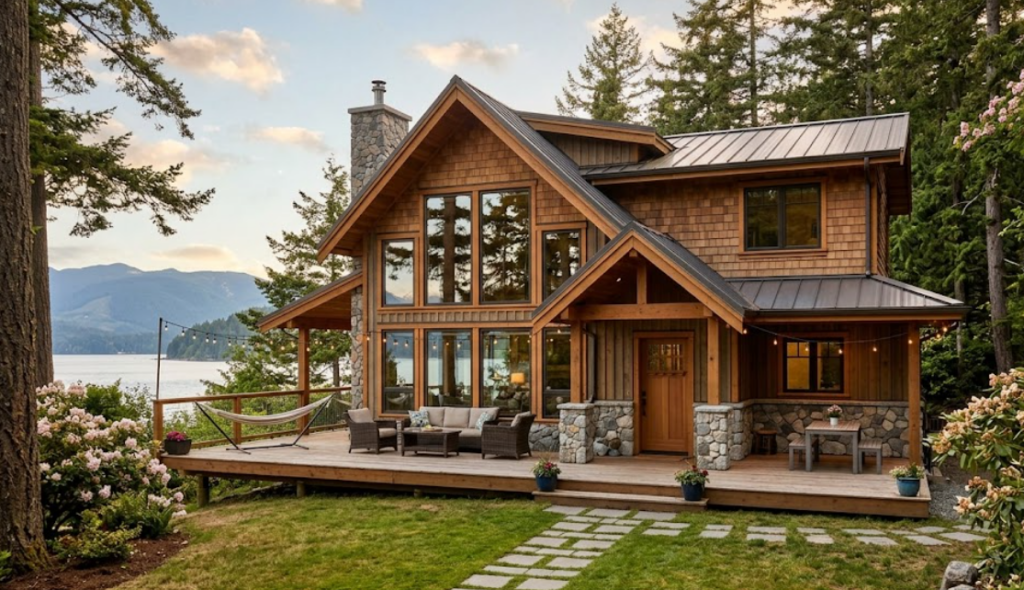
A vacation home or second property is one of the most meaningful investments a family can make – a place for rest, recreation, and creating memories across generations. It is also one of the most vulnerable categories of residential property when it comes to water damage. The combination of extended vacancy periods, remote location, limited oversight, deferred maintenance, and seasonal weather exposure creates conditions where water damage not only occurs more frequently than in a primary residence but also progresses much further before it is discovered.
Vacation home water damage is a problem that is consistently underestimated by property owners until they open the door after a weeks-long absence and discover what has been happening in their absence. By the time water damage in a vacation home is discovered, mold is often already present, structural materials have sustained significant saturation damage, and what might have been a $2,000 restoration event has become a $20,000 or more remediation and reconstruction project.
This guide is for vacation home owners who want to understand why their properties are at elevated risk, what the most common sources of vacation home water damage are, what to do when damage is discovered, how the restoration process works, and – most importantly – what proactive steps can prevent the next water event from becoming the disaster that this one became.
Why Vacation Homes Are at Dramatically Higher Water Damage Risk
The same characteristics that make a vacation home appealing – its remoteness, its seasonal use, its peaceful separation from the busy primary residence – are precisely the characteristics that make it so vulnerable to undetected and progressive water damage.
Extended Vacancy Periods
Vacancy is the single greatest amplifier of water damage risk in a vacation home. In a primary residence, a small leak from a water heater or a condensate overflow from the HVAC system is noticed within hours or days and addressed before significant damage accumulates. The same leak in a vacation home that sits unoccupied for weeks or months discharges water continuously into the structure for the entire vacancy period. What would have been a minor mitigation event in a primary residence becomes a complete structural saturation and mold remediation project in a vacation property.
Seasonal Weather Extremes
Many vacation properties experience more extreme weather conditions than primary residences. Mountain cabins face freeze-thaw cycles that burst pipes and damage roofing systems. Lakeside and coastal properties experience high humidity, wind-driven rain, and storm surge that challenge building envelopes. Desert vacation homes in Arizona face the same monsoon flooding, haboob dust infiltration, and AC system overload risks as primary residences – but with no one present to respond when systems fail. Seasonal extremes that a primary residence survives because of immediate human response turn into catastrophic vacation home water damage because there is no one there to respond.
Deferred Maintenance
Vacation homes often receive less consistent maintenance than primary residences. Roof inspections, plumbing checks, HVAC servicing, and weatherstripping replacement all require the owner to be at the property – which happens less frequently for a vacation home. Small maintenance issues that would be noticed and addressed immediately in a primary residence – a slightly dripping faucet, a cracked caulk joint around a window frame, a condensate drain that is beginning to slow – accumulate and worsen in a vacation home until they become significant failure points.
Temperature-Related System Failures
Vacation homes that are left unoccupied during cold months with inadequate heat maintenance face the risk of pipe freezing and bursting – one of the single most destructive water events a residential property can experience. A single burst pipe in an unoccupied vacation home can release thousands of gallons of water before the owner is notified. In warmer climates, vacation homes left with the HVAC system set to minimal temperatures during summer absence face the risk of condensate overflow from systems that run without the regular monitoring that occupancy provides.
The Most Common Sources of Vacation Home Water Damage
Plumbing System Failures
Supply line failures, pipe corrosion, water heater failures, and fixture leaks are collectively the most common sources of vacation home water damage. A flexible braided supply line to a toilet or under-sink fixture has a finite service life and can fail without warning – releasing water at full supply pressure into the home for days or weeks before it is discovered. Water heaters in vacation homes that sit for months between uses experience more thermal cycling stress than those in daily use and fail earlier. These plumbing system failures, when they occur in occupied homes, are nuisances. In vacation homes, they are catastrophes.
Roof Failures
Vacation home roofs that are not inspected annually develop the same failure points as any other roof – cracked tiles, failed flashing, deteriorated membrane seams, clogged drains – but with far less chance of early detection. A roof leak that develops in a vacation home during the off-season may go undetected through an entire wet season, with rain water saturating attic insulation, ceiling assemblies, and wall cavities on every rain event throughout that period. By the time the owner arrives for the next visit, the water stains on the ceiling are just the visible surface of a much deeper structural moisture problem.
HVAC and Condensate System Failures
Vacation homes in warm climates like Arizona face a specific HVAC-related vacation home water damage risk when they are occupied seasonally and the cooling system is left running at minimal settings during off-season periods to prevent heat damage to contents and finishes. Condensate drain lines that are not serviced between seasons can develop algae and mineral blockages that cause overflow events. In a primary residence, the float switch that shuts the system off automatically when the drain pan fills is a safety net that prevents overflow. In a vacation home, that same float switch shuts the system off – and then the home bakes unprotected while the drain pan remains full and the moisture situation gradually worsens.
Window and Door Seal Failures
Vacation homes in desert climates experience significant thermal cycling – wide daily temperature swings that expand and contract window frames, door frames, and sealants repeatedly. Over time, this cycling degrades weatherstripping and caulk joints, creating gaps that allow wind-driven rain to infiltrate during storm events. In mountain vacation homes, ice damming and snow load on roof overhangs can drive water back under roofing materials and through window and door head flashings. These infiltration events accumulate over multiple storm events between visits, saturating wall cavities and window rough openings.
Appliance Failures
Dishwashers, washing machines, refrigerators with water line connections, and water heaters all fail at rates that are not significantly lower in vacation homes than in primary residences. What is significantly different is the consequence. A dishwasher drain hose that fails during a cycle in a primary residence creates a wet floor that is discovered within minutes. The same failure in a vacation home creates a wet floor that is discovered on the next visit – which may be weeks or months later – along with the full extent of water damage, mold growth, and structural deterioration that has occurred in the interval.
What Vacation Home Water Damage Looks Like When Discovered
When vacation home owners arrive to find water damage that has been progressing for an extended period, the presentation is often far more severe than the surface appearance initially suggests. Common findings include:
- Visible ceiling staining, sagging, or collapse over areas affected by roof or plumbing leaks
- Standing water or wet flooring in rooms near plumbing fixtures, appliances, or exterior walls
- Strong musty or mildew odor throughout the home – a reliable indicator that mold has been growing for an extended period
- Visible mold growth on walls, ceilings, baseboards, or around window frames – often presenting as dark discoloration or fuzzy growth
- Warped, buckled, or soft flooring materials including hardwood, laminate, and vinyl
- Bubbling, peeling, or discolored paint and wallpaper
- Swollen or stuck doors and drawers caused by wood expansion from moisture absorption
- Visible mineral staining or efflorescence on masonry or concrete surfaces, indicating ongoing moisture migration
In most cases of extended vacation home water damage, the visible damage on the surface significantly understates the actual scope of moisture intrusion inside the building assembly. Moisture has typically migrated well beyond the visibly affected area into wall cavities, subfloor assemblies, and attic insulation. Professional moisture mapping is essential for establishing the true scope of the damage before any restoration work begins.
Immediate Steps When Vacation Home Water Damage Is Discovered
- Stop the water source: Locate and shut off the water supply to the affected fixture or shut off the main water supply to the home to stop any ongoing discharge. If you cannot identify the source remotely, the main shutoff stops all potential supply-side sources.
- Document everything before touching anything: Photograph and video all visible damage from multiple angles before moving any items or beginning any cleanup. This documentation is your insurance claim’s foundation.
- Notify your homeowner’s insurance carrier immediately: Most policies require prompt notification of a loss. Report the claim the same day you discover the damage and ask about coverage for emergency stabilization, restoration, and any necessary temporary relocation.
- Contact a local professional water damage restoration company: A restoration company that is local to the vacation home’s area – not your primary residence area – can respond quickly, assess the full scope, and begin emergency mitigation without waiting for you to travel to the property. Many restoration companies will coordinate directly with your insurance adjuster.
- If the home is in a cold-weather environment, verify that the heating system is functioning: A home that has lost heat after a pipe burst needs to have heat restored before pipes refreeze and cause additional damage.
- Do not enter structurally compromised areas: If ceilings are sagging, floors are soft or have visible voids, or walls show significant bulging, do not enter those areas until a structural assessment has been performed.
The Professional Vacation Home Water Damage Restoration Process
Remote Coordination and Emergency Response
Professional restoration companies serving vacation home markets are experienced in coordinating directly with property owners who are not on-site. A restoration team can be dispatched to your vacation home immediately upon notification, conduct a full assessment, and begin emergency mitigation – including water extraction, moisture mapping, and deployment of drying equipment – before you arrive. Many companies can provide real-time photo and video updates so you can see and approve the scope of work remotely.
Moisture Mapping and Scope Assessment
Because vacation home water damage events frequently involve extended moisture exposure, the scope of hidden moisture in wall cavities, ceiling assemblies, and subfloor systems is typically larger than in primary residence events. Professional moisture mapping using thermal imaging cameras and calibrated moisture meters is particularly important in these situations. The assessment establishes the true extent of the affected area, identifies the presence of mold, and determines which materials can be dried in place versus which must be removed.
Water Extraction and Structural Drying
Industrial extraction equipment removes standing and absorbed water from all affected surfaces. Commercial air movers and dehumidifiers are deployed in a calculated configuration and left running continuously until all materials reach their dry standard moisture levels. In vacation home situations, drying typically takes longer than in primary residence events because of the degree of saturation that extended exposure creates in structural materials.
Mold Remediation
Vacation home water damage events that have been progressing for more than 48 to 72 hours before discovery almost always require mold remediation in addition to structural drying. IICRC S520-standard mold remediation includes containment, physical removal of mold-colonized materials, HEPA vacuuming, antimicrobial treatment, and post-remediation verification through air quality testing. All of these steps must be completed before reconstruction begins.
Reconstruction and Final Restoration
After complete structural drying and mold remediation are verified, reconstruction restores the vacation home to its pre-loss condition. A full-service restoration company that handles both mitigation and reconstruction under a single contract is particularly valuable for vacation home owners who cannot be on-site throughout the restoration process – a single point of contact is far easier to coordinate with remotely than multiple independent contractors.
Preventing Vacation Home Water Damage: The Essential Pre-Season and Off-Season Checklist
Before Closing Up for Extended Absence
- Shut off the main water supply to the home and drain the plumbing system if the property will be unoccupied during cold weather – this is the single most effective step for preventing freeze-related vacation home water damage
- Set the thermostat to a minimum temperature appropriate for the climate if the water supply will remain active – typically 55 degrees Fahrenheit minimum for cold-climate vacation homes
- Inspect and clean the HVAC condensate drain line before leaving for an extended period
- Inspect all flexible supply lines to toilets, sinks, and appliances for signs of aging, cracking, or bulging and replace any that show wear
- Check the roof and clear all drains, gutters, and downspouts of debris
- Turn off the water supply to the washing machine and dishwasher at the individual shutoff valves
- Inspect all window and door weatherstripping and caulk joints and repair any gaps
Remote Monitoring Technology
Installing a remote water monitoring system is one of the highest-return investments a vacation home owner can make. Smart water sensors placed near water heaters, under sinks, near washing machine connections, and in areas prone to flooding can detect moisture and send immediate smartphone alerts – allowing you to respond within minutes rather than discovering damage weeks later. Automatic water shutoff valves that close the main supply when a sensor triggers can limit a plumbing failure to a minor event rather than a catastrophic one. Many homeowner’s insurance carriers offer premium discounts for vacation homes equipped with certified water monitoring systems.
Property Management Oversight
Engaging a local property manager or trusted neighbor to check the property regularly during extended absences – ideally after every significant weather event – provides a human layer of oversight that no monitoring system can fully replace. A weekly walkthrough that confirms no visible water intrusion, that the HVAC is functioning, and that no obvious maintenance issues have developed provides an early warning capability that dramatically limits the potential scope of vacation home water damage events.
Insurance Coverage for Vacation Home Water Damage
Vacation homes are typically insured under a separate homeowner’s or dwelling policy from the primary residence. Coverage for water damage events follows the same principles as primary residence coverage – sudden and accidental water damage is generally covered, while gradual leaks and maintenance-related failures may be excluded.
One critical distinction for vacation home owners: vacancy clauses in insurance policies may limit or exclude coverage for water damage that occurs after the home has been vacant for a specified period – commonly 30 to 60 days. If your vacation home sits unoccupied for extended periods, review your policy carefully for vacancy clause limitations and consider a vacancy endorsement that maintains full coverage during periods of extended absence. This review is best done before the next vacancy period, not after a water damage claim reveals a gap in coverage.
Protecting a Vacation Home From Water Damage Requires a Different Approach
Vacation home water damage is not simply a scaled-up version of primary residence water damage. It is a categorically different risk with different prevention strategies, different discovery patterns, different restoration challenges, and different insurance considerations. The vacation home owners who protect their investments most effectively are those who treat their property’s vulnerability with the same intentionality they would apply to any high-value asset: proactive monitoring, consistent maintenance, appropriate insurance coverage, and a professional restoration partner who can respond and manage the recovery remotely when a water event occurs.
Your vacation home represents years of work and a place of deep personal value. The investment in protecting it from water damage – through monitoring technology, pre-season preparation, and the right insurance coverage – is a fraction of the cost of a single significant restoration event. Make that investment before the next vacancy period begins.
Vacation Home Water Damage Discovered? Call PuroClean for Immediate Response
PuroClean’s certified water damage restoration specialists are available 24 hours a day, 7 days a week to respond to vacation home and second property water damage events throughout the Phoenix metro area and surrounding Arizona communities. We coordinate directly with remote property owners, work with insurance carriers, and handle the complete restoration from emergency extraction through final reconstruction.
Call PuroClean restoration specialists now at (480) 767-5588. Fast response. Proven results. Complete peace of mind.
Do not let weeks of undiscovered water damage become a total loss. PuroClean responds fast and restores completely.