


Water Damage Insurance Claim Tips: Maximize Your Payout
Table of Contents
Water damage is the second most common homeowner’s insurance claim in the United States, according to the Insurance Information Institute, accounting for nearly 29 percent of all claims filed. Despite how frequently these claims occur, the process of filing and managing a water damage insurance claim remains one of the most stressful and confusing experiences a homeowner can face. Insurance policies are complex, adjusters represent the carrier’s interests, and the pressure to resolve a claim quickly can lead homeowners to accept settlements that do not fully cover their actual losses.
These water damage insurance claim tips are designed to help you navigate the process with confidence, protect your rights as a policyholder, and maximize the settlement you are entitled to receive. Whether your claim involves a monsoon storm roof leak, a burst pipe, an AC overflow, a sprinkler system failure, or a flood event, the principles behind these water damage insurance claim tips apply broadly to residential and commercial property damage claims.
Understanding your policy, documenting your loss correctly, and working with the right professionals from the start are the three pillars of a successful water damage insurance claim. This guide covers each in detail.
Understand Your Policy Before You Need It
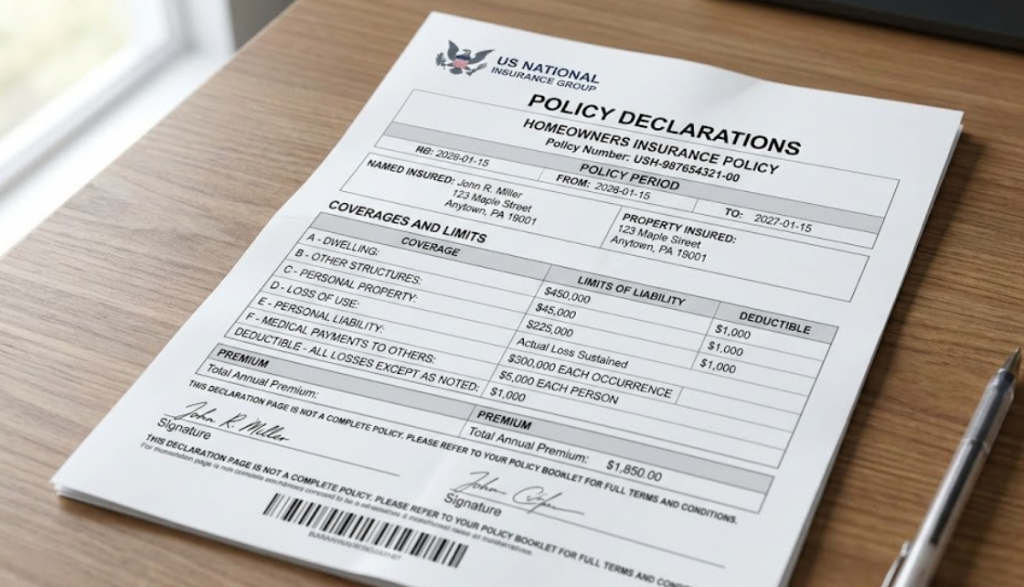
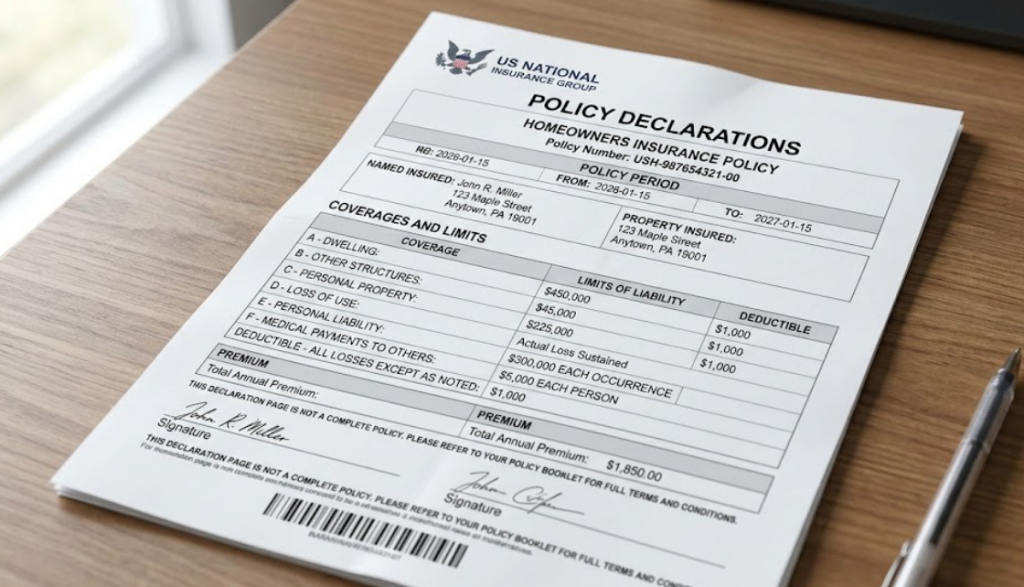
The most powerful water damage insurance claim tip any professional can offer is this: read your policy before a loss occurs. Most homeowners do not fully understand what their policy covers and – just as importantly – what it excludes until they are sitting in a damaged home trying to file a claim. By that point, it is too late to make changes or clarify coverage.
Covered Perils vs Excluded Perils
Standard homeowner’s insurance policies cover water damage that is sudden and accidental. This includes damage from burst pipes, appliance overflow, AC system backup, roof leaks from storm damage, and fire suppression system activation. However, standard policies typically exclude gradual damage, maintenance-related failures, and flooding from external sources.
The specific exclusions most likely to affect Arizona homeowners include:
- Flood damage from monsoon runoff, overflowing washes, or rising groundwater – this requires a separate flood insurance policy through the National Flood Insurance Program (NFIP) or a private carrier
- Gradual leaks from plumbing fixtures, roof materials, or HVAC systems that have been leaking slowly over time without being reported
- Mold damage that results from long-term moisture problems or deferred maintenance, as opposed to mold that develops as a direct result of a covered water damage event
- Damage caused by a lack of routine maintenance, such as roof failure due to deteriorated materials that had not been inspected or repaired
Actual Cash Value vs Replacement Cost Value
One of the most important distinctions in any water damage insurance claim is whether your policy pays actual cash value (ACV) or replacement cost value (RCV). ACV policies pay the depreciated value of damaged items, meaning older flooring, appliances, and building materials are compensated at a fraction of their replacement cost. RCV policies pay the full cost to replace damaged items with new equivalent materials. If your policy pays ACV, upgrading to RCV coverage before a loss occurs can significantly increase your claim settlement.
Loss of Use Coverage
If water damage makes your home uninhabitable during restoration, loss of use coverage pays for temporary housing, meals, and other additional living expenses. Know the daily and total limits of your loss of use coverage before a claim – and keep all receipts for additional living expenses from the moment you are displaced.
The Critical First Hours: What to Do Right After Discovering Water Damage
The actions you take in the first hours after discovering water damage have a direct impact on your insurance claim outcome. These water damage insurance claim tips for the immediate response phase are among the most consequential.
Stop the Source Immediately
Insurers expect policyholders to take reasonable steps to mitigate further damage once a loss is discovered. If you discover a leaking pipe, an overflowing appliance, or an active roof leak and take no action to stop or contain it, the insurer may reduce your claim payout on the grounds that you failed to mitigate. Shut off the water supply, turn off the HVAC system, or use buckets and tarps to contain active water entry as your first priority.
Document Before You Touch Anything
Thorough documentation is the single most important step in any water damage insurance claim. Before moving furniture, removing wet materials, or beginning any cleanup, photograph and video every area of visible damage. Capture:
- Wide-angle shots of each affected room showing the overall extent of damage
- Close-up photos of standing water, water staining, damaged flooring, walls, and ceilings
- Photos of the suspected source of the water damage – the failed pipe, roof penetration, appliance, or entry point
- Images of all damaged personal property including furniture, electronics, clothing, and appliances
- Any pre-existing conditions that are clearly separate from the current damage
Store all photos and videos in a cloud backup immediately. Insurance claims that are later disputed frequently come down to documentation quality, and having time-stamped visual evidence is invaluable.
Report the Claim Promptly
Most insurance policies require prompt notification of a loss. Delaying your claim report – even if you intend to assess the damage fully before calling – can give the insurer grounds to question whether the delay allowed additional damage to accumulate that could have been prevented. Call your insurance carrier or file online as soon as possible after securing the property and documenting the damage.
Working With the Insurance Adjuster
The insurance adjuster plays a central role in your claim settlement, and understanding how to work with them effectively is a critical component of these water damage insurance claim tips.
Know What the Adjuster’s Job Is
Insurance adjusters – whether staff adjusters employed by the carrier or independent adjusters contracted for the claim – are responsible for assessing the loss and establishing the carrier’s financial liability. They are professional and generally fair, but they represent the interests of the insurance company. Their job is to pay what the policy requires, not necessarily what the full cost of restoration will be. You have the right to question, negotiate, and dispute any aspects of their assessment.
Be Present During the Adjuster’s Inspection
Make every effort to be personally present when the adjuster inspects your property. Walk through the damage with them, point out all affected areas, and ensure they document everything – including damage that may be easy to overlook such as moisture inside wall cavities, saturated insulation in the attic, and damage to personal property in storage areas. Many water damage insurance claim tips focus on documentation for exactly this reason: if the adjuster does not see it or document it, it may not be included in the initial settlement.
Do Not Accept the First Offer as Final
Initial claim settlements are frequently incomplete. Adjusters working quickly may miss damage, underestimate scope, or apply excessive depreciation. You have the right to request a re-inspection, submit supplemental documentation, and negotiate the settlement amount. If you believe the settlement is significantly below the actual cost of restoration, you also have the right to hire a public adjuster to represent your interests in the claims process.
Request a Full Written Explanation of the Settlement
Always request a complete written breakdown of the settlement calculation, including the scope of covered damages, the depreciation applied to each item, and any amounts withheld pending completion of repairs. Understanding exactly what the carrier is paying for and why allows you to identify gaps and dispute specific line items effectively.
Choosing the Right Restoration Company for Your Claim
The restoration company you choose has a significant impact on both the quality of your property restoration and the efficiency of your insurance claim. This is one of the most underestimated water damage insurance claim tips.
Work With a Licensed and Certified Contractor
Choose a restoration company that holds IICRC certification in water damage restoration and, where applicable, mold remediation. Certified contractors follow industry-standard protocols that insurance carriers recognize and accept. An uncertified contractor may produce a cheaper initial bid, but their work may not meet the documentation or scope requirements that the insurer needs to process your claim fully.
Get a Detailed Written Scope Before Work Begins
Obtain a detailed written scope of work and cost estimate before authorizing any restoration work. This document becomes the foundation of your insurance claim’s restoration cost documentation. A well-structured scope from a professional restoration company – organized by category of work with specific line items, quantities, and unit costs – is much more persuasive to an adjuster than a vague summary invoice.
Restoration Company vs Insurer: Understand Who Pays Whom
In most water damage claims, you authorize the restoration company to perform the work and the insurance carrier pays the restoration company directly, or pays you so that you can pay the contractor. Do not let a restoration company pressure you into signing over your claim rights – sometimes called assignment of benefits (AOB). While AOB arrangements can simplify the process in some states, they can also limit your control over the claim resolution. Review any documents carefully before signing and consult with your agent if you have questions.
Keeping Records Throughout the Claims Process
Meticulous record-keeping throughout your water damage insurance claim is one of the most practical water damage insurance claim tips and one that pays dividends if the claim becomes disputed.
- Keep a claim log recording every communication with the insurance carrier, including date, time, the name of the representative, and a summary of the conversation
- Save all written correspondence – emails, letters, and text messages – related to the claim
- Retain all invoices, receipts, and purchase records for any emergency repairs, temporary housing, or replacement purchases made as a result of the water damage
- Document the progress of restoration work with regular photographs, particularly when building materials are opened to reveal hidden moisture or damage
- Keep copies of all reports provided by restoration professionals – moisture maps, drying logs, air quality test results, and mold assessments – as these are powerful supporting documents for the claim
- If you rent temporary storage for belongings displaced by the restoration, keep all storage receipts as additional living expense documentation
When to Consider a Public Adjuster
A public adjuster is a licensed professional who represents the policyholder – not the insurance company – in a claim. Unlike the carrier’s adjuster, a public adjuster’s job is to identify every covered loss and negotiate the highest legitimate settlement on your behalf. Public adjusters typically charge a fee of 10 to 15 percent of the final claim settlement.
A public adjuster is worth considering in the following situations:
- The carrier’s initial settlement offer is significantly below your professional restoration estimate
- The insurer has denied a portion of your claim that you believe should be covered
- The damage is extensive, complex, or involves multiple systems and the claims process is overwhelming
- You do not have time to manage a complex multi-week claims negotiation alongside your normal responsibilities
If you engage a public adjuster, do so before accepting any settlement and before signing any release documents with the carrier.
Common Water Damage Insurance Claim Mistakes to Avoid
Even well-intentioned homeowners make mistakes that weaken their claims. These water damage insurance claim tips on what not to do are just as important as the positive steps outlined above:
- Discarding damaged materials before the adjuster inspects them – keep all damaged items, or at minimum photograph them thoroughly before disposal
- Beginning major demolition or structural work before the adjuster has completed their inspection, which can make it impossible to verify the original damage scope
- Accepting a verbal commitment from a representative without getting it in writing – all agreements and coverage confirmations should be documented
- Missing policy deadlines for reporting or proof of loss submission – read your policy for specific timeframes and comply with them precisely
- Underestimating the scope of damage by relying on visual inspection alone – always engage a professional who uses moisture meters and thermal imaging to assess the true extent of water intrusion
- Failing to claim all eligible expenses – additional living costs, personal property losses, and code upgrade requirements are all commonly overlooked
Be Prepared and Be Persistent With Your Water Damage Insurance Claim
A water damage insurance claim is a significant financial and logistical undertaking, but it does not have to be an overwhelming one. The homeowners who receive the best outcomes are those who document thoroughly, report promptly, understand their policy, and work with qualified professionals throughout the process. These water damage insurance claim tips give you a clear framework for doing exactly that.
Remember that your insurance policy is a contract and you are entitled to every benefit it provides. Do not accept less than what your policy covers. Do not rush the process in ways that shortchange your settlement. And do not navigate a complex, high-value claim without professional support.
Water Damage Claim in Progress? Call PuroClean to Support Your Recovery
PuroClean works directly with homeowners and insurance carriers to document, restore, and verify water damage repairs to the highest professional standard. Our IICRC-certified technicians provide the detailed moisture mapping, drying documentation, and written scopes of work that insurance companies require – and our team has extensive experience supporting homeowners through the claims process from first call to final settlement.
Call PuroClean restoration specialists now at (480) 767-5588. Fast response. Proven results. Complete peace of mind.
Do not face a water damage insurance claim alone. PuroClean is in your corner from start to finish.