


A house fire is one of the most devastating events a family can experience. Beyond the immediate danger, the aftermath often leaves homeowners staring at blackened walls, smoke damaged belongings, and a home that feels unrecognizable.
One of the first questions most people ask is simple but urgent: what can be salvaged after a house fire? The encouraging truth is that far more can often be saved than most people expect, especially when professional contents cleaning and fire damage cleanup service providers get involved quickly.
This guide walks through what can be salvaged after a house fire, how professional restoration teams determine what to save and what to replace, and why fast action makes such a significant difference in the outcome. If you are facing this situation right now, understanding the process can bring both clarity and hope during an overwhelming time.
Understanding Fire Damage Beyond the Flames
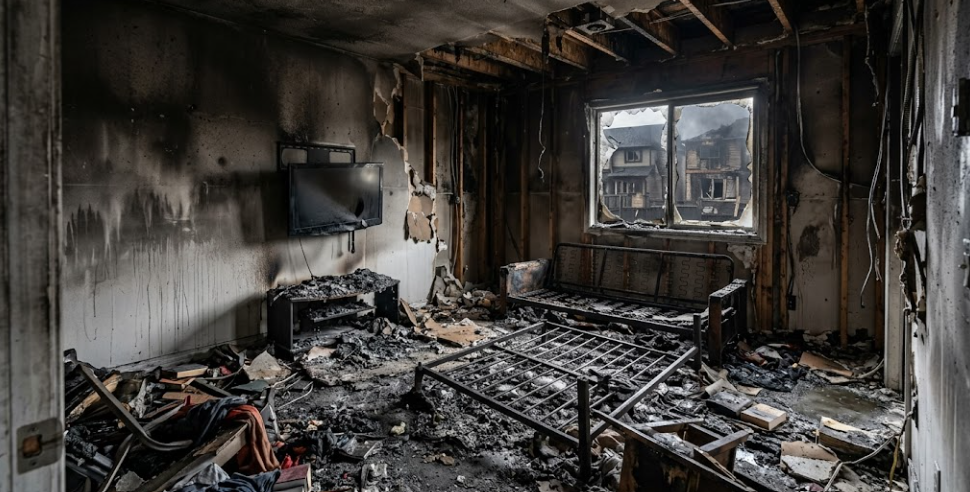
When people think about fire damage, they usually picture burned materials and structural destruction. However, much of the damage after a fire actually comes from smoke, soot, and water used to extinguish the flames. Smoke particles are acidic and can spread throughout an entire home within minutes, settling into fabrics, wood, drywall, and even metal surfaces. This is why answering the question of what can be salvaged after a house fire requires a careful, room by room evaluation rather than a quick glance.
According to the National Fire Protection Association, U.S. fire departments respond to a structure fire somewhere in the country roughly every 63 seconds, underscoring just how common this crisis is for families nationwide. With that frequency comes a growing body of expertise in exactly what can be salvaged after a house fire and how to do it safely and effectively.
What Can Typically Be Salvaged After a House Fire
The answer to what can be salvaged after a house fire depends heavily on the intensity of the fire, the type of materials involved, and how quickly professional cleanup begins. Below is a general breakdown based on common categories of household items.
Hard, Non-Porous Items
Items made from metal, glass, ceramic, and certain plastics often have the best chance of survival. Cookware, glass dishware, metal furniture frames, and ceramic decor can frequently be thoroughly cleaned and sanitized to remove soot and odor, making them a strong candidate when evaluating what can be salvaged after a house fire.
Documents and Photographs
Paper items are surprisingly resilient in many cases, especially if they were stored in drawers, filing cabinets, or boxes that offered some protection from direct flame and heavy smoke. Specialized document drying and restoration techniques, including freeze drying for water damaged papers, can often recover birth certificates, photographs, and important records that seem unsalvageable at first glance.
Textiles and Fabrics
Clothing, bedding, curtains, and some upholstered furniture can sometimes be saved through professional ozone treatment and specialized cleaning processes designed to remove smoke odor at a molecular level. However, items closest to the fire’s origin or heavily saturated with soot are less likely to be recoverable.
Electronics
Televisions, computers, and appliances that were not directly exposed to flame may still function after professional cleaning, since soot and smoke residue can be carefully removed from circuit boards and casings. That said, any electronics exposed to significant heat or water should be inspected by a professional before use, as internal damage is not always visible.
Wood Furniture and Flooring
Solid wood furniture with only light surface soot can often be refinished and restored. Hardwood flooring may also be salvageable depending on the depth of charring and whether the subfloor sustained water damage during firefighting efforts.
Items That Are Rarely Salvageable
Certain materials are almost always a total loss after significant fire exposure, including heavily charred textiles, melted plastics, food items exposed to smoke or heat, cosmetics and medications, and any porous materials that absorbed extensive smoke odor beyond what professional treatment can remove.
The Professional Contents Cleaning Process
A qualified contents cleaning and fire damage cleanup service follows a structured process to maximize what can be salvaged after a house fire while ensuring everything that remains in the home is safe to use.
1. Inventory and Assessment
Technicians document every item in the affected area, photographing and cataloging belongings before anything is moved. This inventory is essential both for insurance purposes and for tracking items throughout the restoration process.
2. Pack Out and Transport
Salvageable items are carefully packed and transported to a dedicated cleaning facility, away from the ongoing structural repairs at the home. This move also protects belongings from further damage during construction work.
3. Cleaning and Deodorization
Depending on the material, technicians use a combination of dry cleaning, wet cleaning, ultrasonic cleaning, and ozone or hydroxyl deodorization to remove soot and smoke odor from salvageable items.
4. Storage
While structural fire damage cleanup and repairs are underway at the home, cleaned items are often stored securely until the property is ready for move back in.
5. Final Delivery
Once the home is restored, cleaned and deodorized belongings are returned, helping the family regain a sense of normalcy in a home that once again feels safe and familiar.
Fire Damage Cleanup Service for the Structure Itself
While contents cleaning focuses on personal belongings, a complete fire damage cleanup service also addresses the structure of the home itself. This includes removing soot from walls and ceilings, cleaning or replacing damaged drywall and insulation, addressing water damage from firefighting efforts, and neutralizing smoke odor throughout the HVAC system and ductwork. Skipping this step can leave a home with lingering odor and health hazards even after visible repairs are complete.
Why Speed Matters So Much
The window for successfully answering what can be salvaged after a house fire narrows quickly. Soot is acidic and becomes increasingly difficult to remove the longer it sits on surfaces, particularly on metal, which can corrode within days. Humidity and residual moisture from firefighting efforts can also promote mold growth within 24 to 48 hours, further reducing what can be saved. This is why contacting a professional fire damage cleanup service immediately after the fire department clears the property is so important.
Working With Your Insurance Company
Most homeowners insurance policies cover fire damage, including the cost of professional contents cleaning and fire damage cleanup service work. A reputable restoration company will document damage thoroughly, provide a detailed inventory of salvaged and unsalvageable items, and communicate directly with your insurance adjuster to help ensure your claim moves smoothly and you receive fair compensation for irreplaceable losses.
Choosing the Right Restoration Partner
When searching for help determining what can be salvaged after a house fire, look for a company with proven experience in both structural restoration and specialized contents cleaning. Key qualities to look for include rapid emergency response, certified technicians trained in soot and smoke remediation, transparent inventory and documentation practices, and direct experience working with insurance providers to simplify your claim.
Coping With the Emotional Side of Loss
Beyond the physical damage, a house fire often triggers a deep emotional response. Sentimental items like family photographs, heirlooms, and childhood keepsakes carry meaning far beyond their monetary value, and losing them can feel like losing a piece of your history.
This is another reason why the question of what can be salvaged after a house fire matters so much to families in crisis. Knowing that a skilled technician may be able to restore a water damaged photo album or a smoke stained quilt can offer real comfort during an incredibly difficult time.
Restoration professionals who specialize in contents cleaning understand this emotional weight and often prioritize sentimental items during the assessment process, communicating clearly with families about realistic expectations while doing everything possible to preserve what matters most. Clear, compassionate communication throughout the fire damage cleanup service process can make an enormous difference in how a family experiences their recovery.
Preparing Your Home to Reduce Future Fire Risk
While no one can fully eliminate the risk of a house fire, a few preventive steps can reduce the likelihood of a severe incident and improve the chances of successfully answering what can be salvaged after a house fire if one does occur.
Installing working smoke detectors on every level of the home, keeping fire extinguishers easily accessible, avoiding overloaded electrical outlets, and having heating systems and chimneys inspected annually are all practical measures that support both safety and faster recovery if disaster strikes.
Take the First Step Toward Recovery Today
Facing the aftermath of a house fire is emotionally exhausting, but you do not have to navigate it alone, and more of your home and belongings may be recoverable than you think. The key is acting quickly, before soot damage becomes permanent and mold has a chance to take hold.
PuroClean’s certified restoration specialists provide expert guidance on what can be salvaged after a house fire, combined with professional contents cleaning and comprehensive fire damage cleanup service for your entire property. Our compassionate team responds quickly, documents everything for your insurance claim, and works tirelessly to help you recover as much as possible.
Do not wait while damage worsens. Call PuroClean today at (480) 767-5588 to begin your recovery and find out exactly what can be salvaged after a house fire.