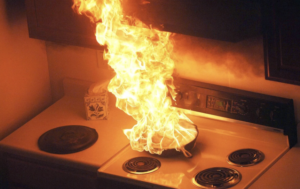
24/7 Emergency Kitchen Fire Damage Restoration Services in Seattle Landmark District
Kitchen fires can cause far more damage than what is visible around the stove or appliance where the fire started. Heat, smoke, soot, grease residue, and fire odors can spread into cabinets, walls, ceilings, adjacent rooms, furnishings, and HVAC systems within minutes. PuroClean provides professional kitchen fire damage restoration in Seattle for homes affected by stove fires, oven fires, grease fires, cooking fires, appliance fires, and other kitchen-related fire and smoke damage.
Our restoration process focuses on identifying the full extent of the damage, removing smoke and soot contamination, cleaning affected surfaces and contents, addressing persistent odors, and helping return the property to a clean and safe condition. Depending on the loss, restoration may include specialized soot removal, HEPA air filtration, air scrubbing, smoke odor deodorization, contents cleaning, structural cleaning, and coordination of additional restoration needs.
Not every kitchen fire produces the same type of damage. The fuel source, temperature, duration of the fire, materials burned, ventilation, and how the fire was extinguished can all affect the restoration process. A small grease fire contained to a cooktop may create a very different restoration project than an oven fire that spreads into cabinetry or a fire that fills several rooms with smoke.
Stovetop fires can begin when cooking is left unattended, oil or grease overheats, combustible materials are placed too close to a burner, or food ignites during cooking. Even when flames remain concentrated around the stove, heat and smoke can affect the range hood, backsplash, cabinets, ceiling, nearby walls, and surrounding contents.
After the fire is extinguished, professional restoration may involve cleaning soot and oily residues from hard surfaces, evaluating cabinets and finishes for heat damage, cleaning nearby contents, and treating smoke odors that have migrated beyond the kitchen.
Grease fires can produce dense smoke and oily soot that adheres to walls, ceilings, cabinets, appliances, and other surfaces. Because grease-related residues can spread well beyond the immediate burn area, simply cleaning the visibly damaged section of the kitchen may leave contamination and odor elsewhere in the property.
Our grease fire cleanup in Seattle service focuses specifically on the challenges associated with cooking oil, grease residues, soot, smoke, and persistent odor following these fires.
Oven fires may result from accumulated food or grease, cooking spills, overheated materials, electrical failures, or items accidentally left inside the oven. Although an oven can sometimes contain the flames, smoke may escape into the kitchen and circulate throughout the home. More serious incidents can damage surrounding cabinetry, countertops, walls, flooring, electrical components, and nearby appliances.
Restoration should therefore consider both the immediate appliance area and the path smoke traveled through the property.
Grease and cooking residue can accumulate on range hoods, filters, nearby surfaces, and ventilation components. When these materials ignite, fire can spread upward from the cooking area and expose cabinets, ceilings, walls, and ventilation systems to heat, smoke, and soot.
These losses can require detailed cleaning around the cooking area along with inspection and cleaning of affected ventilation components. When smoke or particulate contamination has entered the home’s ductwork, professional duct cleaning services may also become part of the overall restoration plan.
Microwaves, toaster ovens, refrigerators, dishwashers, ranges, countertop appliances, wiring, outlets, and other electrical components can also become sources of kitchen fires. Electrical and appliance fires may create concentrated heat damage while burning plastics, insulation, wiring, and manufactured materials produce difficult smoke residues and odors.
Because different burned materials can create different types of soot and residue, the appropriate cleaning method should be determined before restoration begins rather than treating every fire-damaged surface the same way.
Visible burning is only one part of kitchen fire damage. Smoke and airborne particles can move through open doorways, hallways, ceiling spaces, ventilation pathways, and HVAC systems, depositing residue far from the original fire.
A kitchen fire may therefore result in several overlapping restoration needs:
This is why professional fire damage restoration looks beyond the visibly burned area. The objective is to determine where fire-related contamination traveled and develop a restoration plan for the affected structure, surfaces, contents, and indoor environment.
The appropriate restoration process depends on the severity and characteristics of the loss. A contained stovetop fire may primarily require cleaning and deodorization, while a larger kitchen fire can involve structural materials, contents, smoke contamination, air quality concerns, and multiple rooms.
A kitchen fire restoration project may include:
Smoke and soot cleanup can be one of the most extensive parts of kitchen fire restoration. Smoke particles are extremely small and can settle on surfaces throughout the home. Depending on what burned, soot may be dry and powdery, oily and difficult to remove, or associated with synthetic materials that require specialized cleaning techniques.
Using the wrong cleaning method can spread soot, drive residue deeper into porous materials, or create permanent staining. Professional smoke damage cleanup in Seattle is therefore based on the type of residue, affected material, and extent of contamination rather than relying on a single cleaning method throughout the property.
Smoke odor can remain even after visible soot has been removed because odor-producing particles can penetrate porous building materials, furniture, fabrics, cabinets, and other contents. Effective deodorization starts with removing damaged materials and cleaning the underlying contamination before applying additional odor-control treatments.
Depending on the loss, professional deodorization may involve source removal, detailed structural and contents cleaning, targeted deodorizing treatments, air filtration, and other restoration methods selected for the affected materials and environment.
For properties where smoke odor has spread beyond the immediate kitchen, PuroClean also provides dedicated smoke odor removal in Seattle to address persistent odors throughout affected areas of the home.
During a kitchen fire, smoke can become airborne and move throughout the property. Professional air scrubbers equipped with HEPA filtration may be used during restoration to capture airborne particles and help control particulate contamination while affected surfaces and materials are being cleaned.
The HVAC system also deserves attention when smoke has circulated through the home. Air returns and ductwork can provide pathways for smoke particles and odors to travel beyond the room where the fire occurred. When inspection indicates that the ventilation system has been affected, cleaning the relevant components can become an important part of preventing residual contamination and odors from continuing to circulate after the rest of the property has been restored.
Not everything exposed to a kitchen fire automatically needs to be replaced. One of the goals of professional restoration is to determine which building materials and belongings can reasonably be cleaned and restored and which have been damaged beyond practical restoration.
The answer depends on factors such as the intensity of the fire, duration of exposure, type of smoke and soot produced, surface porosity, proximity to the fire, water or extinguisher exposure, and whether heat caused permanent physical damage.
Cabinets located close to a stove, oven, or grease fire may experience scorching, discoloration, finish damage, soot deposition, or persistent smoke odor. Cabinets farther from the flames may have little or no heat damage but still require detailed cleaning because smoke and oily residues settled on their surfaces.
Whether cabinets can be restored depends on the cabinet material, finish, depth of contamination, and degree of heat exposure. Cleaning and deodorization may be possible in some situations, while severely burned, warped, or structurally damaged cabinetry may require replacement.
Walls and ceilings frequently collect smoke residue because heated smoke rises and moves throughout a structure. Areas above the stove, around the range hood, and along the kitchen ceiling may show the heaviest deposits, but smoke can continue into hallways and adjoining rooms.
Professional cleaning can often remove surface contamination from suitable materials. More severe losses may require additional restoration when finishes or underlying materials have been permanently affected by heat, smoke, or fire suppression efforts.
Hard, nonporous kitchen surfaces may often respond well to professional cleaning when they have not been physically damaged by heat. Porous materials can be more difficult because smoke residues and odors may penetrate beneath the surface.
Each material should be evaluated individually rather than assuming that everything in the affected kitchen must either be discarded or cleaned using the same process.
Smoke can affect items well outside the immediate burn area. Upholstered furniture, curtains, rugs, clothing, electronics, dishes, decorative items, and other belongings may require evaluation and cleaning depending on their exposure.
Contents restoration is particularly important after a kitchen fire because smoke can travel into rooms where there is no visible fire damage. Identifying that broader contamination helps determine an appropriate scope of restoration.
After a small kitchen fire, it can be tempting to clean the visible soot, repaint the affected wall, and assume the problem has been resolved. The challenge is that the visible burn area does not necessarily represent the full extent of the loss.
Professional kitchen fire restoration addresses the property as a system. That means considering the original fire area as well as smoke migration, soot deposition, contents, porous materials, ventilation pathways, odors, and damage caused during fire suppression.
Professional restoration can also help prevent avoidable secondary problems. Improperly wiping soot can create staining or spread contamination. Painting over smoke residue without properly preparing the surface can leave odors behind. Operating an affected HVAC system without evaluating smoke contamination may redistribute particles or odors throughout the property.
The objective is not simply to make the kitchen look clean. It is to identify the extent of the damage and use appropriate restoration methods for the materials and conditions involved.
PuroClean provides kitchen fire and smoke damage restoration throughout Seattle and surrounding communities. Whether the loss involves a contained stovetop fire, grease fire, oven fire, appliance malfunction, or a larger structure fire originating in the kitchen, the restoration plan should reflect the actual conditions inside the property.
Kitchen layouts also influence how smoke travels. An open kitchen connected to a living or dining area may allow smoke and soot to spread quickly across a large portion of the home, while enclosed kitchens can experience concentrated contamination on walls, ceilings, cabinets, and contents. Multi-story homes may experience smoke migration to upper levels as heated air rises through stairways and other openings.
For larger losses extending beyond the kitchen, our broader fire damage restoration services can address affected areas throughout the property.
Kitchen fires frequently create restoration needs beyond the visibly burned area. Depending on the circumstances, related PuroClean services may include:
Combining these services when appropriate allows the restoration scope to address the different ways a kitchen fire can affect a home rather than focusing only on the original point of ignition.
After emergency personnel have determined that it is safe to enter the property, avoid disturbing soot-covered materials unnecessarily. Smoke residue can spread through contact, and using an inappropriate cleaning method can make some staining more difficult to remove. Document visible damage and contact a professional fire damage restoration company to evaluate the affected areas.
Smoke can travel well beyond the kitchen. Heated smoke can move through doorways, hallways, stairwells, open floor plans, air pathways, and potentially portions of an HVAC system. As it cools, airborne particles can settle on walls, ceilings, furniture, textiles, and other surfaces throughout the home.
Not every small stove fire requires extensive restoration, but the visible size of the fire does not always indicate the extent of smoke and soot contamination. If soot, persistent odor, oily residue, or smoke contamination extends beyond the immediate cooking area, a professional assessment can help determine what cleaning or restoration is appropriate.
Sometimes. Cabinets with surface soot or smoke contamination may be candidates for professional cleaning and deodorization. Cabinets that are severely burned, warped, structurally damaged, or deeply affected by heat may need replacement. The cabinet material and severity of exposure are important factors.
Grease and cooking fires can create oily residues that behave differently from dry soot. Restoration professionals evaluate the residue and affected surface before selecting cleaning products and techniques. Using an unsuitable method can smear the residue or drive contamination further into porous materials.
Effective smoke odor removal generally begins with removing unsalvageable materials and thoroughly cleaning soot and smoke contamination. Depending on the conditions, additional deodorization, air filtration, contents treatment, or ventilation-system cleaning may be appropriate. Masking the odor with fragrance does not address the underlying source.
Professional air scrubbers equipped with HEPA filtration can be useful for controlling airborne particles during certain fire restoration projects. They are generally used as part of a broader restoration process that also addresses contamination deposited on surfaces and materials.
Not necessarily. The need depends on whether smoke and particulate contamination entered or traveled through the ventilation system. If the HVAC system was operating during the fire or smoke entered returns and related components, those areas should be evaluated as part of the restoration process. PuroClean also provides duct cleaning services when appropriate.
Yes. This is common because smoke is airborne and can migrate throughout a home without flames ever reaching those areas. Bedrooms, hallways, living spaces, furnishings, walls, ceilings, and contents can collect smoke particles even when the physical fire remained confined to the kitchen.
The timeline depends on the severity and extent of the loss. A contained cooking fire with limited smoke contamination may require substantially less work than a fire involving cabinetry, structural materials, multiple rooms, contents, or widespread smoke and odor contamination. An inspection is necessary to establish an appropriate restoration scope and timeline.
A kitchen fire does not have to destroy an entire room to create a significant restoration problem. Smoke, soot, grease residue, and odors can spread beyond the original fire and affect surfaces and belongings throughout the home. Identifying that damage early can help establish the appropriate cleaning and restoration plan.
PuroClean provides professional kitchen fire damage restoration in Seattle for stove fires, oven fires, grease fires, appliance fires, cooking fires, and the resulting smoke, soot, and odor damage. Our team can evaluate the affected areas and determine which restoration services are appropriate for your property.
What Our Customers Say:
Find answers to common questions about our services
Yes. Exposure to any smoke can irritate the eyes and cause breathing and other health issues. With a modern fire many synthetic materials will be burnt – they produce hazardous and toxic materials that should be cleaned by trained professionals.
[VIDEO] Yes, but it is recommended that the work be done by professionals. The residue is an irritant and can cause discomfort and/or breathing problems; and can irritate the skin.
[VIDEO] Clean the lint filter before and after each load of laundry. Don’t forget to clean the back of the dryer where lint can build up. Clean lint out of the vent pipe every three months. Have your dryer cleaned regularly by a professional, especially if it is taking longer than normal for clothes to dry.
[VIDEO] To remove soot and smoke from walls, furniture and floors, use a mild soap or detergent or mix together 4 to 6 tbsp. tri-sodium phosphate and 1 cup household cleaner or chlorine bleach to every gallon of warm water. Wear rubber gloves. Be sure to rinse surfaces with clear warm water and dry thoroughly.
Monoammonium phosphate, ABC Dry Chemical, ABE Powder, tri-class, or multi-purpose dry chemical is a dry chemical extinguishing agent used on class A, class B, and class C fires. It uses a specially fluidized and siliconized monoammonium phosphate powder. From Quora: While fire extinguisher powder is non-toxic, it is not entirely safe. The chemicals used are considered appropriate for home use, but you should take precautions to avoid touching or inhaling too much of the powder. The chemicals can irritate the skin, so use gloves and avoid inhaling by using a dust mask if there is a need to clean the place where the fire occurs. Inhalation is one of the biggest dangers of fire extinguisher powder. It is very irritating to mucous membranes and may cause difficulties with breathing if inhaled in large enough quantities.
Water damage can result from unexpected leaks, flooding from storms, plumbing failures, or appliance malfunctions. Our certified teams focus on rapid water removal, drying, and stabilization to help prevent further damage and mold growth.
 Explore Our Water Damage Mitigation Services
Even after a fire is extinguished, smoke, soot, and odor can continue to affect your home. Fire damage restoration services address visible damage while also helping reduce lingering effects that impact indoor air quality and surfaces.
Explore Our Fire and Smoke Damage Restoration Services
Mold often develops as a result of unresolved moisture or hidden water damage. Professional mold remediation helps identify affected areas, contain growth, and restore healthy indoor conditions.
Explore Our Mold Removal and Remediation Services
Biohazard situations, including crime scene cleanup and virus decontamination, require specialized cleaning and handling to protect health and safety. Biohazard cleanup services address contamination using proper protocols and professional care.
Explore Our Biohazard Cleanup Services
PuroClean provides 24/7 commercial property damage restoration services for businesses and facilities across the United States.
Explore Our Commercial Services
Water damage can result from unexpected leaks, flooding from storms, plumbing failures, or appliance malfunctions. Our certified teams focus on rapid water removal, drying, and stabilization to help prevent further damage and mold growth.
Explore Our Water Damage Mitigation Services

PuroClean of West Seattle
(206) 929-0170
21231 66th Ave West, Lynwood, WA 98036

© 2026 PuroClean. All Rights Reserved.