 PuroClean of Shreveport
When the flames are extinguished, many homeowners believe the worst is over. Unfortunately, for those facing smoke damage Shreveport fires leave behind, the danger has often just begun. While the fire itself causes immediate, visible destruction, smoke and soot are insidious invaders that cause ongoing, often invisible damage to your property and your health. The microscopic particles left behind are acidic, toxic, and pervasive, settling into areas you can’t see and causing corrosion, etching, and respiratory hazards long after the fire trucks have left.
This critical guide is designed to reveal these unseen dangers. We will walk you through the hidden risks of smoke damage, the different types of residues you might face, and the professional steps necessary to truly restore your home. Understanding the full scope of smoke damage Shreveport properties endure is the first step toward a safe and complete recovery.
The Invisible Threat: Why Smoke is More Than Just a Smell
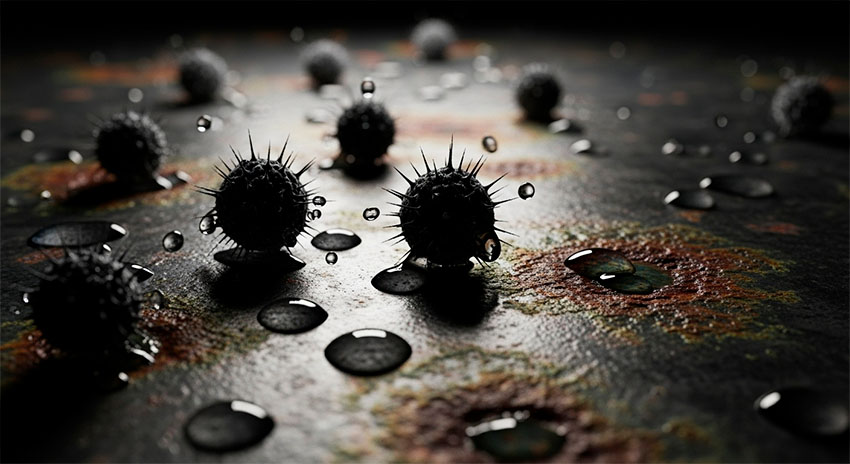
Smoke is a complex mixture of gases, microscopic particles, and chemicals produced by incomplete combustion. When a fire burns in a modern home, it consumes a variety of materials—wood, plastics, fabrics, and chemicals. This creates a toxic cocktail that coats everything in your home. The real danger of smoke damage Shreveport residents face lies in its chemical composition and its ability to penetrate deeply.
1. The Acidic Nature of Soot
Soot is not just dirt; it is highly acidic. Within minutes of settling, it begins to damage surfaces. Plastics and fiberglass will begin to yellow; metals will tarnish and corrode; and glass, crystal, and china can become permanently etched. If not neutralized quickly by a professional, this acidic residue can cause more financial loss than the fire itself.
2. Respiratory Health Hazards
The particles in smoke are microscopic—often smaller than 2.5 microns. This means they can be inhaled deep into the lungs, causing respiratory distress, aggravating asthma, and exposing your family to carcinogens. Attempting to clean this up without proper personal protective equipment (PPE) can re-suspend these particles in the air, creating a severe health hazard. This is why professional mitigation for smoke damage Shreveport is a matter of health, not just cleanliness.
3. Odor Permeation
Smoke odor is caused by volatile organic compounds (VOCs) that penetrate porous materials like drywall, wood studs, insulation, and upholstery. Surface cleaning might remove the visible soot, but it won’t touch the odor trapped deep inside the structure. As temperatures rise, these pores open, releasing the trapped odor back into the home months later.

Identifying the Types of Smoke Damage
Not all smoke is the same. The type of fire determines the type of smoke residue, and each requires a different cleaning protocol. Understanding these differences is key to effective remediation for smoke damage Shreveport homes.
- Wet Smoke: Resulting from low-heat, smoldering fires (like burning rubber or plastic), this smoke has a pungent odor and leaves a sticky, smeary residue. It is incredibly difficult to clean and requires specialized techniques.
- Dry Smoke: Caused by high-heat, fast-burning fires (like burning paper or wood), this residue is powdery and dry. While easier to clean than wet smoke, the tiny particles can fall into deep cracks and crevices.
- Protein Smoke: Common in kitchen fires where food has burned, this residue is often invisible but has an extremely strong, repugnant odor. It discolors paints and varnishes and requires chemical neutralization.
- Fuel Oil Soot: Resulting from furnace puff-backs, this leaves a heavy, oily mess that can quickly ruin furniture and clothing if not addressed immediately.
The Professional Remediation Process: A Step-by-Step Guide
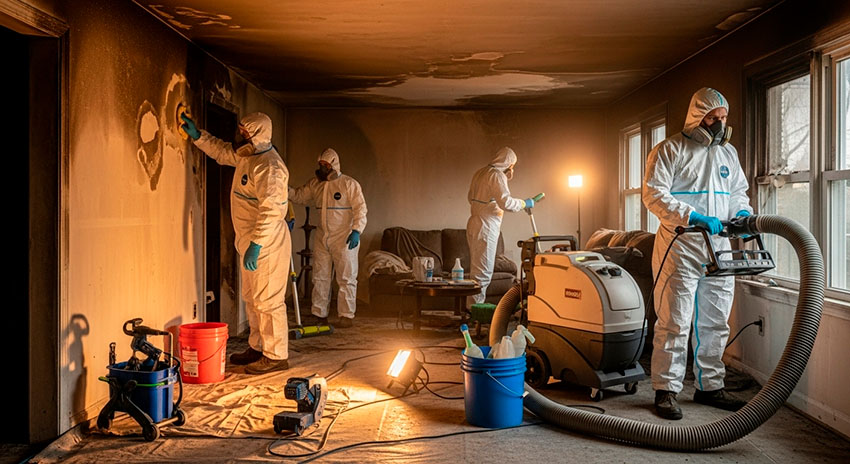
Because of the complexity and toxicity of smoke residues, professional remediation is the only way to ensure your home is safe. Here is the rigorous process our IICRC-certified team follows to address smoke damage Shreveport properties suffer.
Step 1: Emergency Contact and Safety Inspection
Safety is paramount. Before any work begins, we inspect the structural integrity of the home. We also assess the air quality and identify the types of materials that burned to determine the specific chemical hazards present.
Step 2: Immediate Stabilization and Board-Up
To prevent further damage from weather or vandalism, we board up broken windows and tarp damaged roofs. We also take immediate steps to stop the corrosion of sensitive surfaces like aluminum window frames, chrome fixtures, and marble.
Step 3: Content Pack-Out and Restoration
Affected furniture, clothing, and personal items are carefully inventoried and packed out to our secure facility. There, they undergo specialized cleaning processes, such as ultrasonic cleaning for hard items and ozone treatments for textiles, to remove soot and odor. This allows us to save items that might otherwise be considered lost.
Step 4: Structural Cleaning and Soot Removal
Using specialized “chem-sponges” and industrial-grade cleaning agents, we meticulously remove soot from every square inch of the structure—ceilings, walls, and floors. We use different techniques for different types of residue (wet vs. dry) to ensure we don’t smear or set the stains.
Step 5: Odor Neutralization
This is where professional equipment is essential. We use thermal foggers and hydroxyl generators to penetrate the same pores that the smoke entered. These devices release particles that chemically bond with and neutralize the smoke odor molecules, eliminating the smell at its source rather than just masking it.
Step 6: HVAC System Cleaning
Your heating and cooling system can spread soot and odor throughout your home. We thoroughly clean and seal the ductwork to ensure that when you turn your system back on, you aren’t blowing toxic particles back into your clean home.
Step 7: Final Restoration
Once the cleaning is complete, we handle the repairs. From hanging new drywall and painting to installing new carpet, our reconstruction services return your home to its pre-loss condition.
Why DIY is a Dangerous Mistake
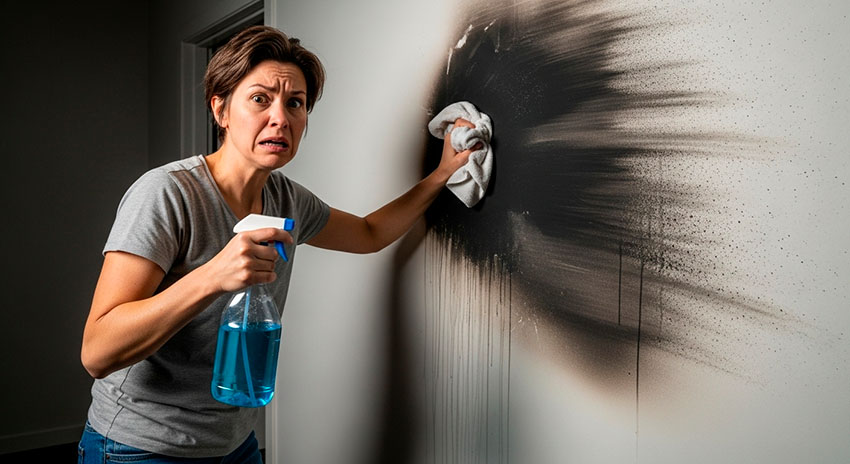
Many homeowners attempt to clean up smoke damage themselves to save money, but this often leads to higher costs in the long run. Using standard household cleaners on soot can cause the stains to bleed into the paint or drywall, making them permanent. Vacuuming with a standard vacuum cleaner simply blows the microscopic soot particles back into the air you breathe. Furthermore, without proper PPE, you are exposing yourself to harmful toxins. The complexity of smoke damage Shreveport requires the expertise of certified professionals.
The Importance of IICRC Certification
When choosing a restoration company, always look for IICRC certification. The Institute of Inspection, Cleaning and Restoration Certification (IICRC) sets the global standards for the restoration industry. Certified technicians have undergone rigorous training in the chemistry of smoke and the physics of air movement, ensuring they can handle the unique challenges of smoke damage Shreveport safely and effectively.

Conclusion: Restoring Peace of Mind
A fire is a traumatic event, and the aftermath can feel overwhelming. But you don’t have to face it alone. Understanding the unseen dangers of smoke damage allows you to make informed decisions about your recovery. By choosing a professional, certified restoration team, you ensure that your home is not just visually clean, but structurally sound, odor-free, and safe for your family.
If you are dealing with the aftermath of a fire, don’t risk your health or your home with DIY methods. Trust the experts who understand the science of smoke damage Shreveport. Contact us 24/7 for immediate assistance and let us help you start the journey back to normal.

 PuroClean of Shreveport