

Choosing the Right Property Restoration Company in Shreveport, Louisiana
Property damage can feel overwhelming, especially when it happens without warning. A burst pipe, roof leak, kitchen fire, storm-related damage, or mold concern can quickly interrupt your routine and leave you unsure of what to do first. When property damage occurs, selecting the right restoration company is just as important as responding quickly, since your early decisions can shape the rest of the recovery process.
As restoration professionals, we understand that you may be new to this type of service. You may not know what restoration includes, how long it takes, or what questions to ask before work begins. That is completely normal. Whether your property is near Highland, Broadmoor, Southern Hills, Provenance, or closer to the Red River District, the goal is the same: stabilize the damage, protect the structure, and help you move forward with clearer expectations.
What a Property Restoration Company Does
Restoration vs. Standard Repairs
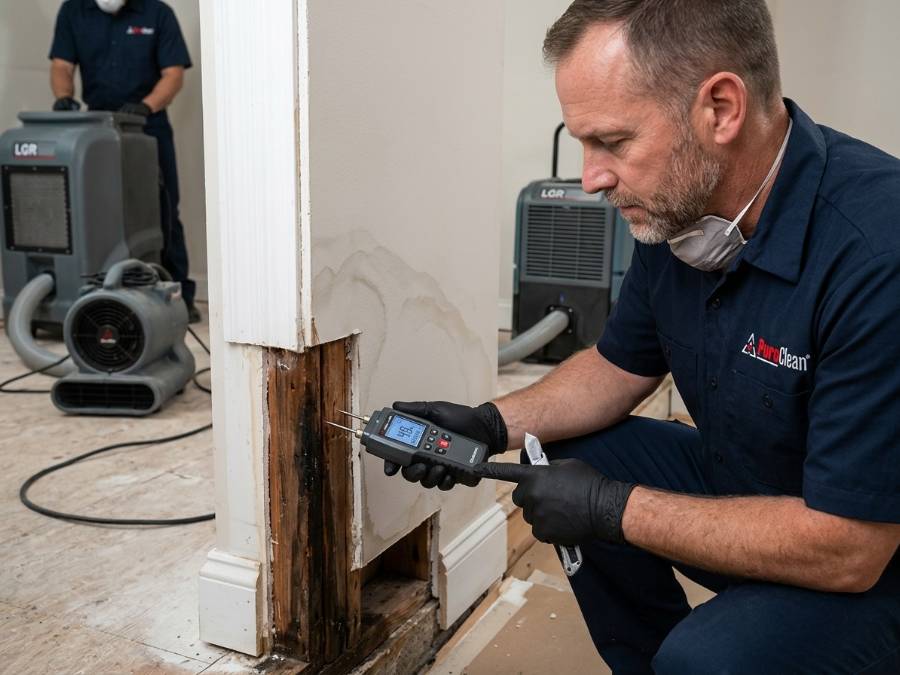
Property restoration differs from ordinary home repair or remodeling because it addresses the effects of property damage before permanent repairs begin. While general repairs often focus on replacing damaged materials, repainting walls, or fixing visible problems, restoration begins by stabilizing the property. Before repairs can begin, the source of the damage needs to be addressed, safety concerns resolved, and any hidden damage carefully assessed.
This distinction becomes especially important when damage extends beyond what you can easily see. For example, after water damage, wet flooring may be the most noticeable sign, but moisture can also become trapped behind baseboards, beneath cabinets, inside wall cavities, or under finished flooring. Similarly, fire damage is not always limited to the area where the flames originated. Smoke residue can spread throughout the property, while a storm-related roof leak may affect insulation, ceilings, and structural framing before visible signs appear.
Because of this, restoration typically includes inspection, mitigation, cleaning, drying, and, when necessary, reconstruction. The goal is not only to repair the affected areas but also to address the conditions that could lead to further damage after the immediate problem has been resolved. Many restoration companies follow industry-recognized restoration standards to help ensure these procedures are performed consistently and safely.
Common Restoration Services
Most restoration work falls into several categories. Water damage restoration often includes water extraction, drying, dehumidification, and moisture monitoring. Fire and smoke cleanup may involve soot removal, odor control, surface cleaning, and structural evaluation. Mold remediation focuses on containment, safe removal, cleaning, and correcting moisture conditions that allowed growth to develop.
Storm damage restoration may involve temporary protection, cleanup, drying, and repairs after wind, rain, hail, or fallen debris affects the property. In some cases, reconstruction is also needed after mitigation is complete. This can include replacing drywall, flooring, insulation, trim, cabinetry, or other damaged building materials.
Understanding these services helps you compare restoration companies more confidently. Instead of looking only for someone who can “fix the damage,” you can look for a provider that understands the full recovery process from the first inspection through final repairs.

Why Choosing the Right Restoration Company Matters
The company you choose can influence how smoothly the project moves from emergency response to completion. Restoration work often involves more than one task happening in sequence. If the early steps are rushed, skipped, or poorly documented, problems may show up later.
One major reason this matters is damage control. Water can continue spreading after the visible source has stopped. Smoke residue can continue to affect surfaces and leave lingering odors. Mold can develop when moisture remains in place. A careful restoration process helps limit additional damage before repairs begin.
Safety is another important factor. Some damaged areas may contain weakened materials, contaminated water, electrical concerns, smoke particles, or airborne mold spores. A qualified restoration team should know how to approach these conditions with the right precautions.
Documentation also plays an important role throughout the restoration process. Keeping organized records helps create a clear history of the damage, the work performed, and the property’s condition as the project progresses. If insurance is involved, this information may support the review process, although the insurance carrier remains responsible for approving or denying the claim. Reviewing guidance on the homeowners insurance claim process can also help property owners understand the types of documentation that may support a property damage claim.
Factors to Consider Before Hiring
Emergency Response
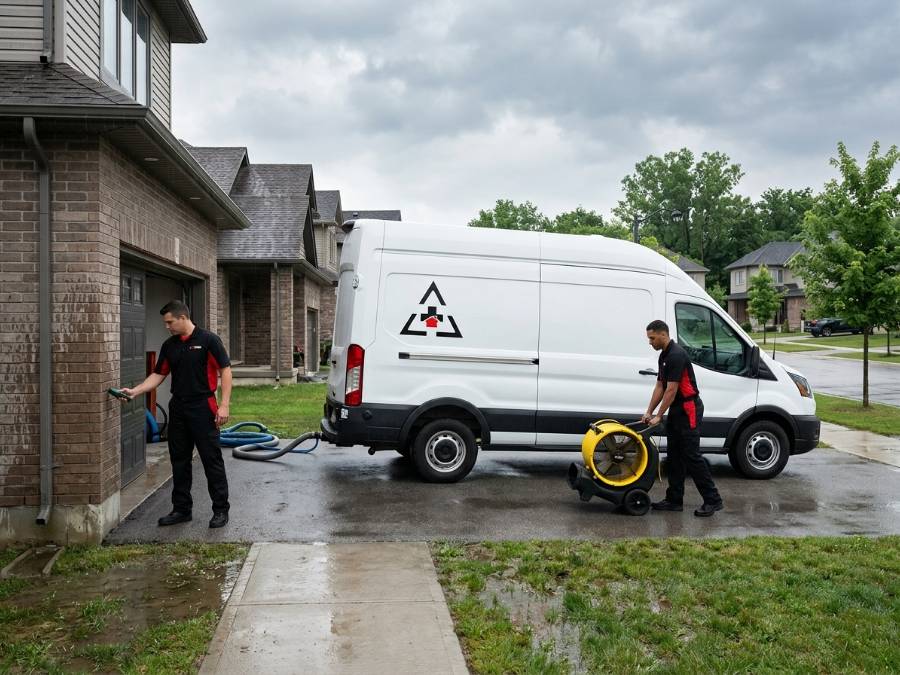
When property damage is recent or still occurring, responding promptly is important. A restoration company should clearly explain how its emergency response process works, especially for situations like burst pipes, roof leaks, sewage backups, fire damage, or storm-related water intrusion.
This does not mean every situation is handled the same way. A small leak that has already stopped may not require the same response as standing water inside a living room. However, you should understand how quickly the company can assess the property and what temporary steps may be needed to reduce further damage.
In areas that experience heavy rainfall and seasonal storms, quick mitigation can make a noticeable difference. The sooner water is removed, wet materials are evaluated, and drying equipment is placed, the easier it may be to limit secondary issues.
Experience With Different Types of Damage
Property damage is not always limited to a single issue. In many cases, one event can lead to multiple restoration needs. For example, a storm may damage the roof and allow water to enter the property, while an unnoticed plumbing leak can create conditions that encourage mold growth. Likewise, a fire often requires both smoke cleanup and water removal, since water is commonly used to extinguish the flames.
This is why experience with several types of restoration matters. You want a company that can recognize how one form of damage may affect another part of the property. For example, wet drywall is not just a wall issue. It may connect to insulation, trim, flooring, and indoor humidity levels.
Experience also helps with decision-making. Not every material must be removed, and not every material can be saved. A knowledgeable team should be able to explain why certain materials can be dried, cleaned, removed, or replaced based on their condition and the type of damage involved.
Equipment and Restoration Methods
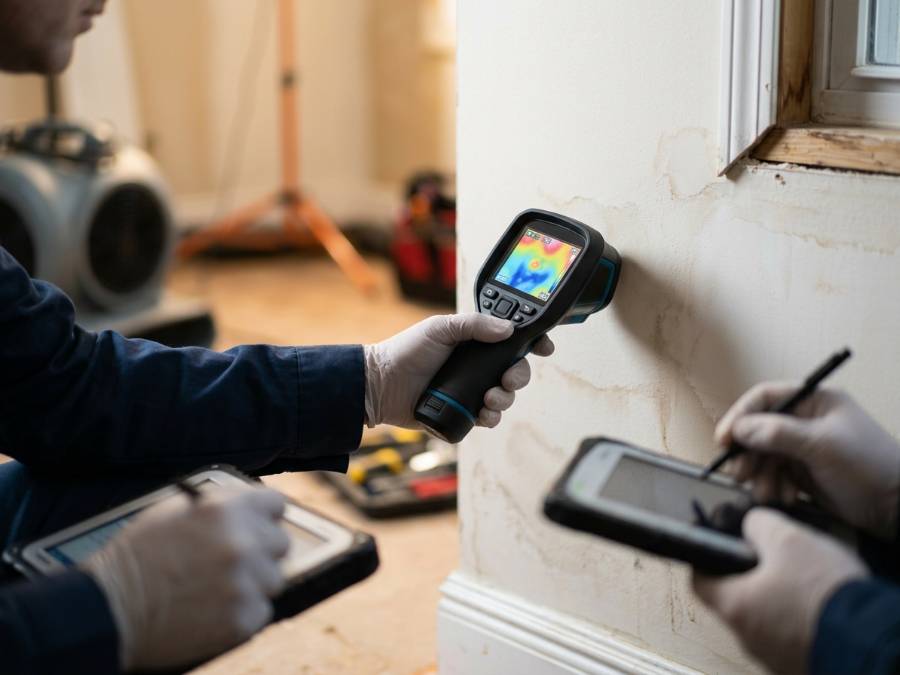
Different types of property damage require different restoration equipment and techniques. Water extraction tools, air movers, dehumidifiers, moisture meters, and thermal imaging equipment can help identify and manage moisture that is not always visible. These tools are especially useful when water has moved behind walls, under flooring, or into enclosed spaces.
For fire and smoke damage, cleaning methods may vary depending on the type of residue, surface material, and severity of exposure. Mold remediation may require containment, air filtration, controlled removal, and careful cleaning procedures.
As a property owner, you do not need to understand every technical detail. Instead, the restoration company should be able to explain why specific equipment is being used and how it supports the recovery of your property. Clear explanations can help you better understand the process without making it seem unnecessarily complex.
Communication and Documentation
Clear communication can reduce much of the stress that comes with restoration work. You should know what areas are affected, what steps are being taken, what access is needed, and what may happen next.
Good documentation is part of that communication. Photos, moisture readings, written notes, and project updates help create a clearer record of the work. This is useful for your own understanding and may also be helpful if an insurance claim is involved.
Just as important, communication should be realistic. Restoration can involve changing conditions. For example, removing damaged materials may uncover additional issues, drying times can vary depending on the extent of the damage, and repair plans may need to be adjusted as the project progresses. You should expect updates when those changes occur, not vague answers or unclear timelines.
Questions to Ask Before Hiring
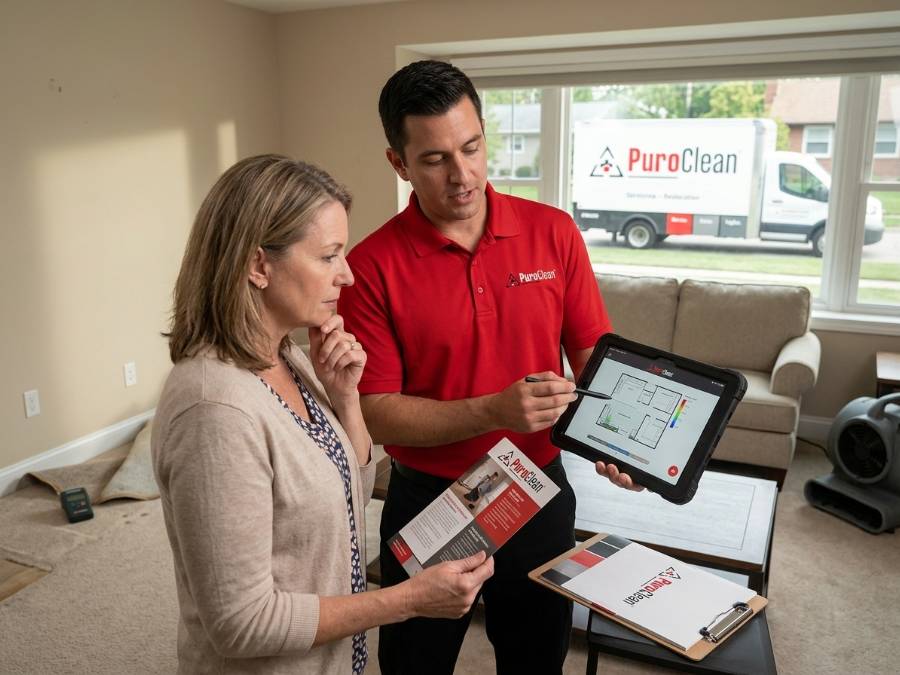
Choosing a property restoration company involves more than comparing services. By asking the right questions beforehand, you can better understand how the project will be managed and what to expect at each stage of the restoration process. Here are a few important questions to consider:
- How quickly can you inspect the property and begin emergency response?
- What restoration services do you provide?
- How do you identify and assess hidden damage?
- What documentation do you provide for insurance purposes?
- How will project updates and progress be communicated?
Local Considerations for Property Owners
Properties in northwest Louisiana can face conditions that affect restoration planning. Humidity is a major factor. When the air already holds moisture, drying can take more careful monitoring. After heavy rain or a roof leak, moisture may remain in materials longer than you expect.
Older properties in areas such as Highland, South Highlands, and the Fairfield Historic District may include plaster walls, crawl spaces, older plumbing, layered flooring, or aging roofing systems. These features do not automatically mean a property will have more damage, but they can affect how restoration work is evaluated and performed.
Newer homes around Provenance, Southern Trace, and the Ellerbe Road corridor can have different considerations, including modern insulation, sealed building envelopes, and newer finish materials. These materials may respond differently to water, smoke, or humidity.
Commercial properties near Downtown, Youree Drive, or East Kings Highway may require planning around business operations, tenant access, equipment protection, and safety concerns. Because every building is different, the restoration plan should reflect the actual property rather than a one-size-fits-all approach.

Common Mistakes to Avoid
Even after narrowing down your options, a few common mistakes can make the restoration process more challenging than it needs to be. Being aware of these pitfalls can help you make informed decisions and approach the project with greater confidence.
Waiting Too Long to Address the Damage
It is understandable to take a moment to assess the situation after discovering property damage. However, delaying mitigation can allow water to spread, odors to linger, or moisture-related issues such as mold growth to develop. Even if the damage appears minor, a timely inspection can help determine whether there are hidden problems that require attention.
Choosing Based Only on Price
While cost is an important consideration, it should not be the only factor when comparing restoration companies. A lower estimate may not include the same level of assessment, equipment, documentation, or project planning as another proposal. Instead of focusing solely on the final price, take time to understand what services are included and how the restoration process will be managed.
Moving Forward Without Understanding the Process
Another common mistake is starting the project without a clear understanding of what the restoration process involves. Knowing the basic stages, who your main point of contact will be, and how unexpected findings will be communicated can help set realistic expectations. Taking time to discuss these details beforehand can make the experience less confusing and help you stay informed as the work progresses.
What to Expect During the Restoration Process
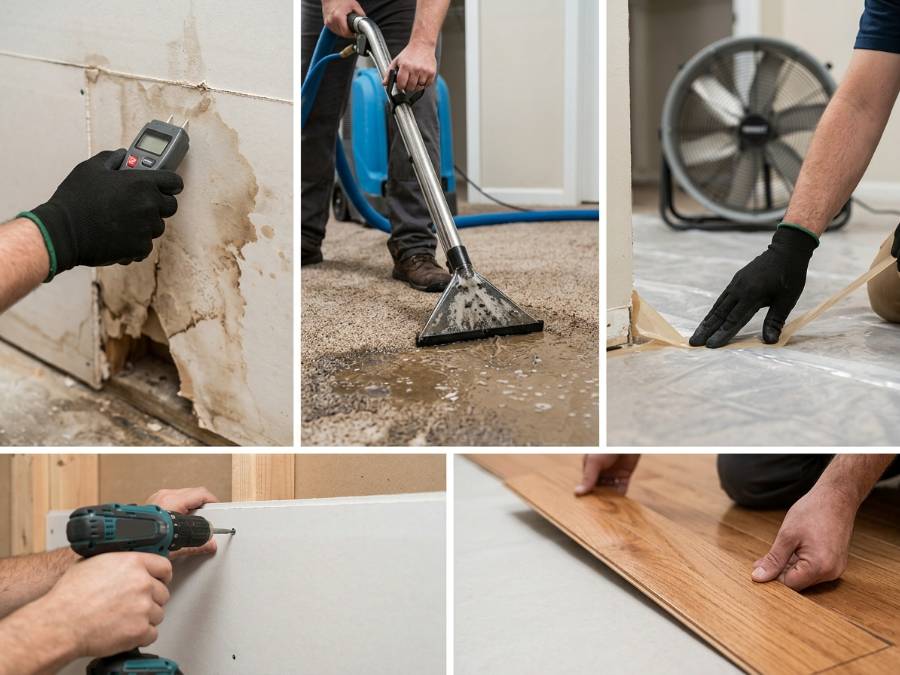
Most restoration projects begin with an inspection. During this stage, the affected areas are evaluated, safety concerns are identified, and the type of damage is documented. The goal is to understand the condition of the property before work begins.
The next step is usually mitigation. This may include stopping the source of damage, removing standing water, placing temporary protection, setting drying equipment, or isolating affected areas. Mitigation is meant to reduce further damage while the full restoration plan is developed.
After mitigation, cleaning and drying continue as needed. Moisture levels may be checked over time, damaged materials may be removed, and affected surfaces may be cleaned. Once the property is ready, repairs or reconstruction can begin. This may involve replacing drywall, flooring, trim, roofing materials, cabinets, or other components.
The process often ends with a final walkthrough. This gives you a chance to review the completed work, ask questions, and understand what was done. By the end of the process, the property should be stabilized, with the immediate effects of the damage addressed and the restoration work substantially complete.
Making the Right Choice for Your Property
Choosing the right property restoration company becomes much easier when you understand what to look for. Restoration goes beyond repairing visible damage. It involves careful assessment, mitigation, documentation, drying, cleaning, and repairs based on your property’s specific condition.
As you compare restoration companies, consider factors such as response time, experience, equipment, communication, and documentation. Asking the right questions before work begins can help you make a more informed decision while ensuring you know what to expect throughout the restoration process.
If your home or business has experienced property damage in Shreveport or nearby areas, PuroClean of Shreveport is available to provide professional property restoration services 24/7. Whether you’re dealing with water, fire, mold, or storm damage, we can assess the situation, explain the restoration process, and help you determine the next appropriate steps. To learn more or request assistance, contact us at (318) 726-8033.