 PuroClean of Shreveport
Identifying the early signs of mold Shreveport residents face is the first critical step to protecting your property’s value and your family’s health. For homeowners across Louisiana, our humid climate creates the perfect breeding ground for this silent intruder. Mold isn’t just an unsightly nuisance; it can compromise your home’s structural integrity and pose significant health risks. Ignoring these initial warnings can lead to extensive damage and costly repairs. This comprehensive guide details the seven key signs of mold Shreveport properties exhibit, explains the science behind its growth, and outlines the crucial steps for effective prevention and remediation.
1. The Unmistakable Musty Odor
Often, your nose is the first to detect a problem. That distinct, earthy, or musty smell—similar to damp soil or a wet basement after a heavy rain—is one of the most reliable indicators of mold growth. This odor is caused by Microbial Volatile Organic Compounds (MVOCs), which are gases produced by mold as it grows and consumes organic material like drywall paper, wood, and dust. You shouldn’t ignore this smell or try to mask it with air fresheners. It’s a clear signal that mold is actively growing somewhere hidden, perhaps behind walls, under flooring, or deep within your HVAC system ducts. It is one of the most persistent and unmistakable signs of mold Shreveport homes can have.
2. Visible Growth or Discoloration
While it may seem obvious, visible mold is often mistaken for simple dirt, soot, or everyday staining. It can appear in a vast range of colors—from black, green, and white to orange, pink, or even purple—and may have a fuzzy, slimy, speckled, or cottony texture. It’s crucial to check common problem areas thoroughly, as mold thrives in dark, damp, and stagnant environments. Inspecting areas like bathroom grout, window sills, and behind furniture can reveal hidden colonies. Finding any form of unusual growth is one of the most concrete signs of mold Shreveport properties can show, and it indicates a problem that has already taken a firm hold and requires immediate attention.
3. History of Water Damage: A Leading Cause for Signs of Mold Shreveport
Mold and moisture are inseparable. If your home has experienced any type of water intrusion, your risk of mold skyrockets. Mold spores are ubiquitous, waiting for moisture to activate, and they can begin to colonize in just 24-48 hours. This applies not only to major events like floods from a storm but also to slow, insidious leaks from old plumbing, a faulty roof, or a leaking appliance hose. This is why addressing any water intrusion is paramount, a service we specialize in as part of our water damage restoration process. Past water issues are a major red flag for future mold problems and a primary cause for the signs of mold Shreveport residents discover.
4. Persistent Allergy-Like Health Symptoms
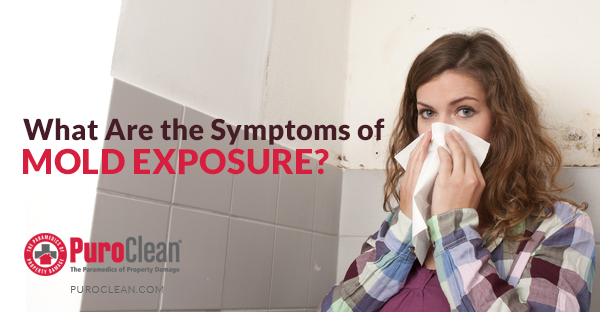
Are your family’s allergies suddenly worse inside the house, with no obvious cause? Mold spores are known allergens and can trigger a host of persistent health issues that mimic seasonal allergies or a common cold. These include chronic sneezing, coughing, a runny or stuffy nose, itchy and watery eyes, skin rashes, and recurring headaches. For individuals with asthma, the elderly, infants, or those with compromised immune systems, the effects can be far more severe, potentially leading to respiratory infections. If your symptoms consistently improve when you leave your home for an extended period, it’s a strong indication that your indoor air quality is compromised by one of the more dangerous signs of mold Shreveport can present. The U.S. Environmental Protection Agency (EPA) confirms that mold exposure can cause these health issues, making it a serious concern for residential customers.
5. Peeling, Bubbling, or Cracking Paint
Paint is designed to adhere to a dry, stable surface. When moisture penetrates walls from a hidden leak or high humidity, it breaks that bond. Water vapor gets trapped behind the paint layer, pushing it away from the drywall or plaster. This results in unsightly peeling, bubbling, or cracking. While sometimes a sign of simple humidity, it frequently points to a persistent, hidden leak within the wall cavity—a perfect, unseen environment for mold to thrive undisturbed. Don’t just repaint over it; this is a critical warning sign that requires further investigation. These visual imperfections are key signs of mold Shreveport property managers also look for.
6. Warped or Stained Wood and Drywall
Porous building materials like drywall, wood studs, baseboards, and subflooring act like sponges, readily absorbing any available moisture. When they become saturated, you may notice dark, yellowish, or brownish water stains, or the materials themselves may begin to warp, bow, buckle, or feel soft and spongy to the touch—all are physical signs of mold Shreveport properties can display. Check baseboards and flooring, especially in bathrooms and kitchens, for any changes. This is a clear signal of prolonged moisture exposure and can even affect your home’s structural integrity, making it one of the most serious signs of mold Shreveport homeowners can find.
7. High Indoor Humidity and Condensation
While we’re used to humidity in Louisiana, your home should be a refuge from the oppressive outdoor air. If you consistently notice condensation forming on glass windows, mirrors, or metal pipes, it means the relative humidity inside your home is too high (ideally, it should be maintained between 30% and 50%). You can measure this with a simple device called a hygrometer. An indoor environment that is perpetually damp provides the constant ambient moisture that mold needs to grow and spread throughout your property, even without a specific leak. This is a subtle but important environmental factor among the signs of mold Shreveport properties exhibit.
The Science of Mold: Why Shreveport is a Perfect Breeding Ground
Understanding why mold thrives helps in its prevention. Mold needs three things to grow: a food source (like drywall or wood), a suitable temperature (which our homes provide year-round), and moisture. In Shreveport, the constant high humidity provides the third ingredient in abundance. This “mold triangle” means that any small leak or condensation issue can quickly escalate into a significant infestation. The spores are always present in the air, waiting for a moist surface to land on and colonize. This is why vigilance for the early signs of mold Shreveport residents see is so important for proactive homeownership.
Map of Hotspots: Common Areas for Signs of Mold in Shreveport Homes
Certain areas of your home are naturally more susceptible to moisture and, therefore, are common places to find the first signs of mold Shreveport homes show. Be sure to regularly check these hotspots:
- Bathrooms: Around tubs and showers, under sinks, and near toilets due to constant water use and steam.
- Kitchens: Under the sink, behind the refrigerator (from icemaker lines), and around dishwashers.
- Basements and Crawlspaces: These areas are often damp, dark, and have poor ventilation, making them ideal for mold.
- Attics: Poor ventilation and roof leaks can trap heat and moisture, leading to mold on the underside of the roof sheathing.
- Laundry Rooms: Leaky washing machine hoses and poorly ventilated dryer exhausts are common culprits.
Recognizing these hotspots is key to early detection of the signs of mold Shreveport homes might be hiding.
Beyond the Surface: Mold’s Impact on Structural Integrity
One of the most dangerous aspects of a mold infestation is its ability to cause serious structural damage over time. Mold isn’t just sitting on the surface; it’s an organism that actively consumes the material it lives on. For many types of mold, their primary food source is cellulose, which is the main component of wood, drywall paper, and other organic building materials. As mold grows, its root-like structures, called hyphae, dig deep into these materials, breaking down their fibers and weakening them from the inside out. This can lead to wood rot, crumbling drywall, and compromised floor joists and wall studs. Ignoring the initial signs of mold Shreveport homeowners see can eventually lead to thousands of dollars in structural repairs.
Mold and Your Family’s Health: A Deeper Look
The health risks associated with mold exposure are a primary reason for immediate remediation. These risks can be broken down into three main categories:
1. Allergic and Irritant Responses
This is the most common reaction. Inhaling or touching mold spores can cause allergic reactions that include sneezing, red eyes, skin rashes, and irritation of the eyes, nose, and throat. For people with asthma, mold spores can trigger severe asthma attacks. These symptoms are your body’s way of fighting off foreign invaders, and their persistence is one of the key health-related signs of mold Shreveport residents should never ignore.
2. Opportunistic Infections
For individuals with weakened immune systems—such as infants, the elderly, or those undergoing chemotherapy—mold can pose a much greater risk. Certain molds can cause serious lung infections when their spores are inhaled by someone who is immunocompromised. This potential for infection elevates the seriousness of any signs of mold Shreveport homes may have.
3. Toxic Effects
Some molds, most famously Stachybotrys chartarum or “black mold,” can produce mycotoxins. These are toxic chemical compounds that can cause serious health problems in both humans and animals. While rare, prolonged exposure to mycotoxins has been associated with more severe neurological symptoms and health issues. All mold should be treated as a potential health risk, but the possibility of mycotoxins elevates the urgency of addressing any signs of mold Shreveport homes exhibit.
Common Mistakes: What NOT to Do When You Suspect Mold
Your first reaction to finding mold might be to clean it yourself, but this can make the problem much worse. Avoid these common mistakes:
- Do NOT Use Bleach: While bleach may kill surface mold on non-porous surfaces, it doesn’t work on porous materials like drywall or wood. The mold’s “roots” (hyphae) remain, and it often grows back stronger.
- Do NOT Use a Regular Fan: Pointing a fan at a moldy area will simply blow millions of lightweight spores throughout your home, spreading the contamination.
- Do NOT Ignore It: Mold will not go away on its own. It will continue to grow and consume whatever organic material it is on, leading to more damage and higher repair costs. Ignoring the signs of mold Shreveport homeowners see is a recipe for disaster.
DIY Mold Kits vs. Professional Assessment
You may be tempted to use a DIY mold testing kit from a hardware store. However, these kits have significant limitations. They are often inaccurate and cannot distinguish between everyday, harmless spores and a dangerous concentration. More importantly, they won’t tell you the location or the source of the moisture that’s causing the mold problem, which is vital information when dealing with the signs of mold Shreveport homes may have. A professional assessment from our team at PuroClean Shreveport uses specialized equipment like moisture meters and thermal imaging cameras to identify the extent of the growth and the moisture source creating the signs of mold Shreveport homeowners are seeing.
The Professional Remediation Process Step-by-Step
If you have confirmed mold, professional intervention is necessary. Our certified mold removal services follow a strict, industry-approved process to ensure the problem is solved completely:
Step 1: Emergency Contact and Inspection
The process begins when you contact us. We’ll ask a series of questions to understand the situation. Then, we schedule a visit to inspect your property thoroughly, using advanced tools to detect all affected areas and verify the signs of mold Shreveport residents have reported.
Step 2: Damage Assessment and Remediation Plan
After the inspection, we’ll outline the full extent of the damage and create a detailed remediation plan. We will explain the process, the timeline, and the expected costs, ensuring you are fully informed before any work begins. Understanding the full scope is vital when dealing with the signs of mold Shreveport homes can present.
Step 3: Containment of the Affected Area
This is one of the most critical steps. To prevent the spread of spores to unaffected areas of your home, we use physical barriers (like plastic sheeting) and negative air pressure machines to create a sealed, contained work zone.
Step 4: Air Filtration and Purification
We deploy high-efficiency HEPA “air scrubbers” and filters to capture microscopic airborne spores out of the air. This process runs throughout the project to purify the air and prevent re-contamination of clean areas.
Step 5: Removal of Mold-Infested Materials
Porous materials that are heavily infested, such as drywall, insulation, and carpeting, are carefully removed, bagged, and disposed of according to environmental regulations. This step is critical for addressing the root cause of the signs of mold Shreveport residents see.
Step 6: Cleaning and Sanitizing
We use professional-grade antimicrobial and antifungal treatments to clean and sanitize remaining structures (like wood studs) and personal belongings that are salvageable. This kills any remaining mold and prevents its return. This thorough cleaning is essential for all signs of mold Shreveport properties show.
Step 7: Restoration and Repair
The final step is to restore your home to its pre-mold condition. This can range from minor repairs like replacing drywall and painting to major reconstruction services if the structural damage was significant. Our goal is to make it look like the damage never happened.
The Professional Standard: What IICRC Certification Means
When you hire a professional, ensure they are IICRC-certified. The Institute of Inspection, Cleaning and Restoration Certification (IICRC) sets the industry standards for mold remediation (known as the S520 standard). This certification means our technicians are trained in the latest, safest, and most effective techniques. It’s a guarantee of professionalism that’s crucial when tackling the various signs of mold Shreveport homeowners might encounter.
A Proactive Guide: Preventing Mold in Your Shreveport Home
The best way to deal with mold is to prevent it from growing in the first place. Here are actionable steps you can take:
- Control Humidity: Keep indoor humidity below 50%. Use dehumidifiers in damp areas like basements and run your air conditioner during humid months.
- Ensure Proper Ventilation: Use exhaust fans in bathrooms and kitchens to vent moisture outside. Make sure your attic and crawlspace are well-ventilated.
- Fix Leaks Promptly: Inspect your roof, plumbing, and HVAC system regularly. Any leak, no matter how small, should be repaired immediately. A small leak is often the first of many signs of mold Shreveport residents notice too late.
- Maintain Your Gutters: Clean your gutters and downspouts regularly to ensure water is channeled away from your home’s foundation.
- Grade Your Yard Correctly: Ensure the ground around your home slopes away from the foundation to prevent water from pooling against your walls.
Proactive maintenance is the best defense against the signs of mold Shreveport homes are prone to.
Mold and Your Homeowner’s Insurance
Insurance coverage for mold can be complex. Most standard homeowner’s policies offer limited or no coverage for mold, especially if it’s caused by a long-term issue like persistent humidity or a slow, unrepaired leak. However, if the mold is the direct result of a “covered peril” (like a sudden burst pipe that was immediately addressed), you may have coverage. It is crucial to read your policy carefully and speak with your insurance agent to understand your specific coverage. Documenting all the signs of mold Shreveport homes show and the underlying cause is key for a successful claim.
Frequently Asked Questions About Mold
Is all black mold toxic?
Not necessarily. While some molds, like Stachybotrys chartarum (often called “toxic black mold”), can produce mycotoxins, many other types of mold are also black but not toxigenic. However, all types of mold can cause allergic reactions and should be removed professionally, as any discovery is one of the more alarming signs of mold Shreveport homeowners can face.
Can I just paint over mold?
No. This is a critical mistake. Painting over mold does not solve the problem. The mold will continue to grow underneath the paint and will eventually reappear, often worse than before. It’s a temporary fix that fails to address the real signs of mold Shreveport homeowners are facing.
How long does mold remediation take?
The timeline depends on the extent of the contamination, the materials affected, and the location. A small, contained project (like a bathroom) might take one to three days. A larger, more complex project (like a basement) could take five to seven days or more.
What does mold remediation cost?
The cost varies widely based on the size of the affected area and the extent of the damage. We provide a detailed estimate after a thorough inspection of the signs of mold Shreveport homes display, so you know exactly what to expect.
Don’t ignore the signs of mold Shreveport homes display. If you see these red flags, protect your investment and your family. Contact us today for a comprehensive assessment and restore your peace of mind.


 PuroClean of Shreveport