 PuroClean Restoration Rescuers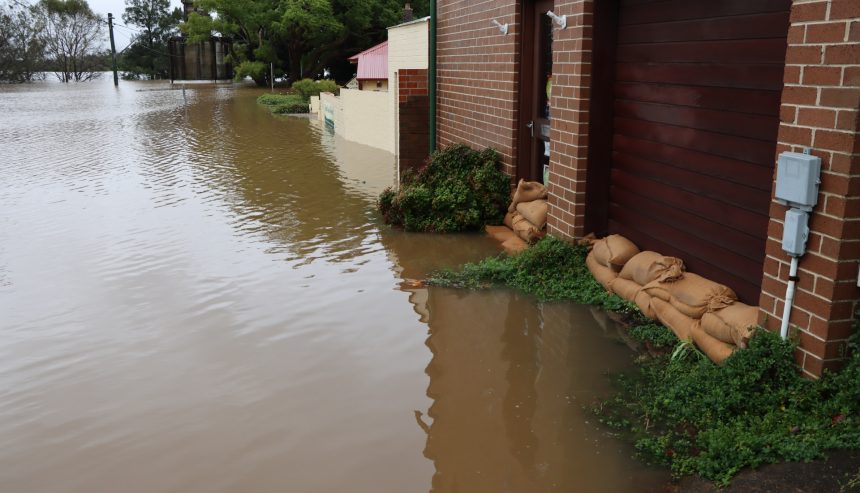
Black water is a term used to describe water that is heavily contaminated with organic materials, such as sewage, waste, and other harmful substances. It is considered one of the most dangerous forms of water and can pose serious health risks to those who come into contact with it. In this blog post, we will discuss the potential sources, dangers, and how to stay safe when there is potential exposure to Black Water.
Potential Sources of Black Water
Black water is heavily contaminated water that can cause serious health hazards to those who come into contact with it. The sources of black water are diverse, and it’s essential to know what they are to stay safe and avoid exposure.
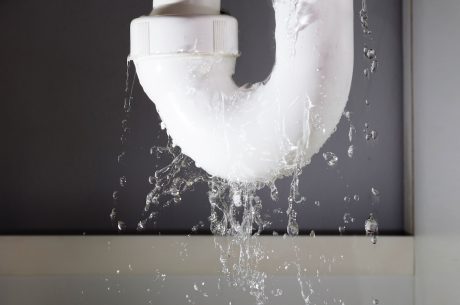
- Sewage: The most common source of black water is raw sewage. When sewage systems overflow or malfunction, raw sewage can seep into water sources and create black water. This can happen in both rural and urban areas.
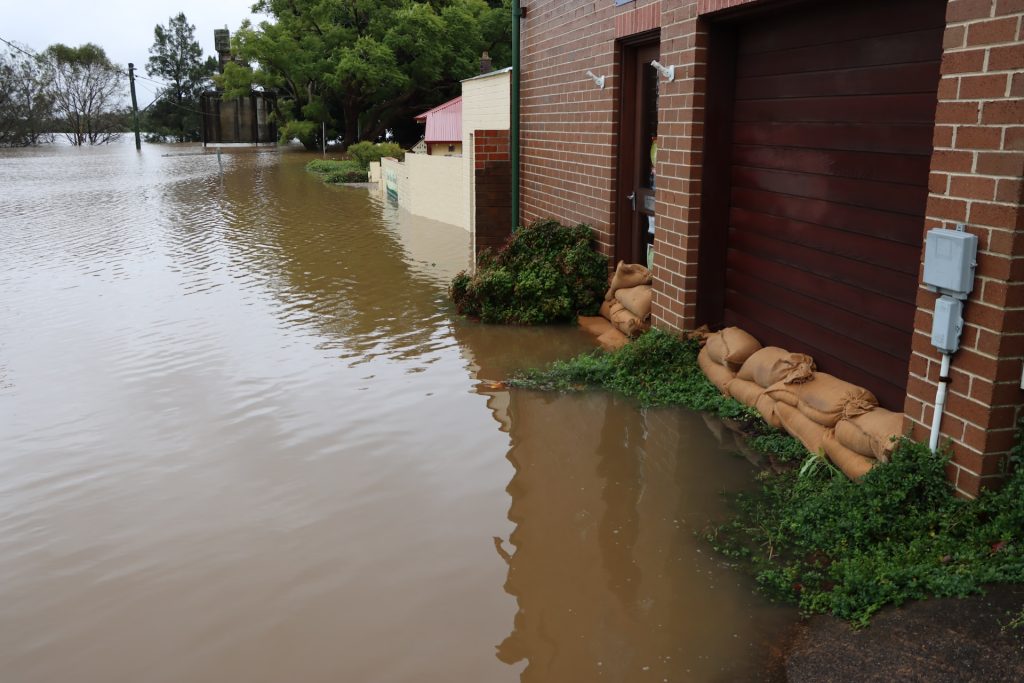
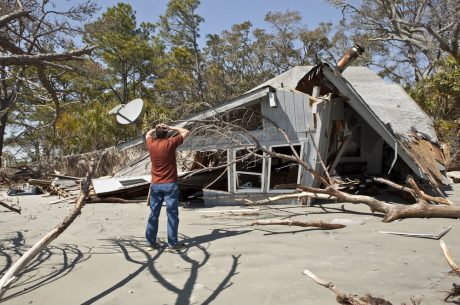
- Natural Disasters: Natural disasters such as floods, hurricanes, and heavy rainfalls can lead to the contamination of water sources, creating black water. During a natural disaster, waste and sewage systems can become overwhelmed and result in black water formation.
- Agricultural Runoff: Agricultural runoff can be a source of black water as it can contain high levels of nutrients and chemicals. When these chemicals enter water sources, they can create black water.
- Industrial Waste: Industrial waste can also be a source of black water. When industries release waste into water sources without proper treatment, it can lead to contamination and the formation of black water.
- Construction Sites: Construction sites can be a source of black water if the waste generated is not managed properly. Waste such as concrete, paint, and other building materials can contaminate water sources and create black water.
- Improperly Managed Landfills: Landfills that are not properly managed can also be a source of black water. When waste in landfills decomposes, it produces harmful chemicals that can contaminate water sources and create black water.
Black water can come from various sources, and it’s crucial to know what they are to stay safe and avoid exposure. It’s also essential to ensure that waste and sewage systems are properly managed to prevent black water formation. By taking these steps, we can prevent the contamination of our water sources and avoid the risks below that are associated with black water exposure.
The Dangers of Black Water
Black water is extremely hazardous and can cause serious health issues to individuals who come into contact with it. Exposure to black water can result in a range of illnesses, including:
- Gastrointestinal Issues: Black water can contain harmful bacteria and viruses, which can cause severe gastrointestinal problems such as diarrhea, vomiting, and dehydration.
- Respiratory Problems: Black water can release harmful gases such as methane and hydrogen sulfide, which can cause respiratory issues such as coughing, shortness of breath, and chest pain.
- Skin Infections: Exposure to black water can lead to skin infections, rashes, and other dermatological issues.
- Eye and Ear Infections: Black water can contain harmful microorganisms that can cause severe eye and ear infections, which can lead to permanent vision and hearing loss.
- Neurological Issues: Exposure to black water can lead to neurological issues such as confusion, dizziness, and seizures.
How to Stay Safe When There is Potential Exposure to Black Water
- Avoid Contact with Black Water: The best way to stay safe is to avoid contact with black water. If you come across black water, do not swim, wade, or play in it.
- Wear Protective Clothing: If you must come into contact with black water, wear protective clothing such as gloves, boots, and waterproof overalls. This will help prevent skin and eye contact with the contaminated water.
- Wash Thoroughly: If you do come into contact with black water, wash your hands and body thoroughly with soap and clean water.
- Seek Medical Attention: If you experience any symptoms of illness after exposure to black water, seek medical attention immediately. This will help ensure that any potential health issues are addressed promptly.
- Dispose of Contaminated Items: If you have any items that have come into contact with black water, such as clothing or bedding, dispose of them safely. Do not attempt to clean or reuse these items, as they may still contain harmful contaminants.
In conclusion, black water is a serious health hazard that should not be taken lightly. It is important to take the necessary precautions to avoid contact with this type of water. Do not try to clean Black Water on your own, call a trusted restoration provider, like PuroClean of Spartanburg, to assist you to get your property safe again. If you do come into contact with black water, follow the above safety tips to help prevent illness and seek medical attention if necessary. By taking these steps, you can help protect yourself and others from the dangers of black water.
PUROCLEAN of SPARTANBURG
864-285-3530

 PuroClean Restoration Rescuers