 PuroClean Restoration Rescuers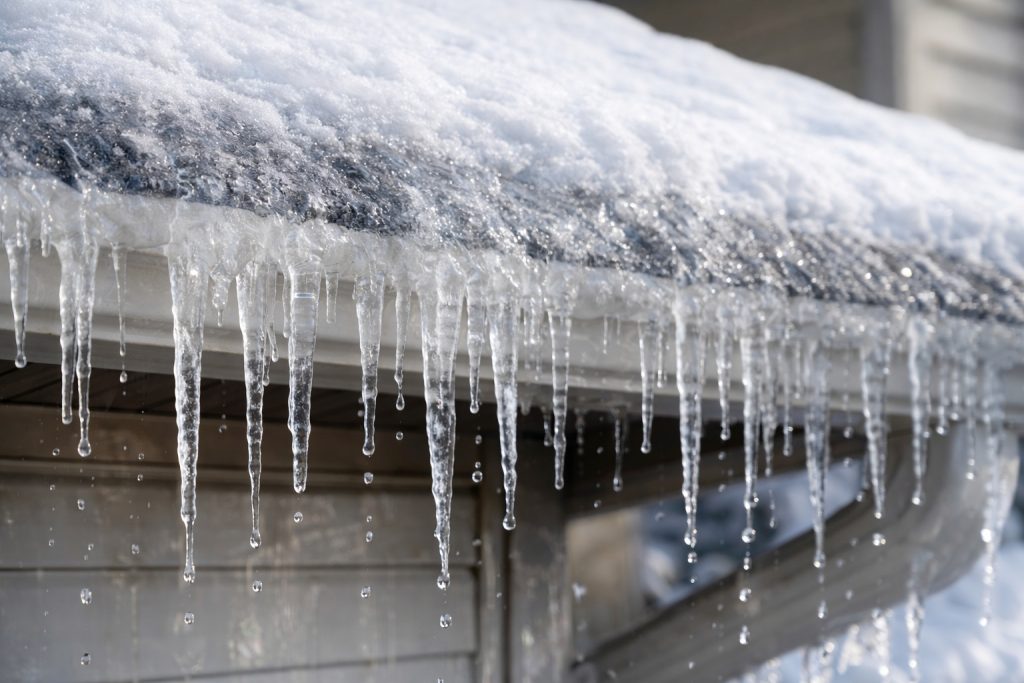
Ice Dams: What They Are, How They Form, and What to Do When They Appear
Winter weather can bring some challenges that homeowners in our area don’t normally have to worry about. One of those is ice dams. While ice dams are more common in colder climates, we’ve recently seen several cases locally where they’ve caused interior water damage. Knowing what they are—and what to do about them—can help minimize damage and protect your home.
What Are Ice Dams?
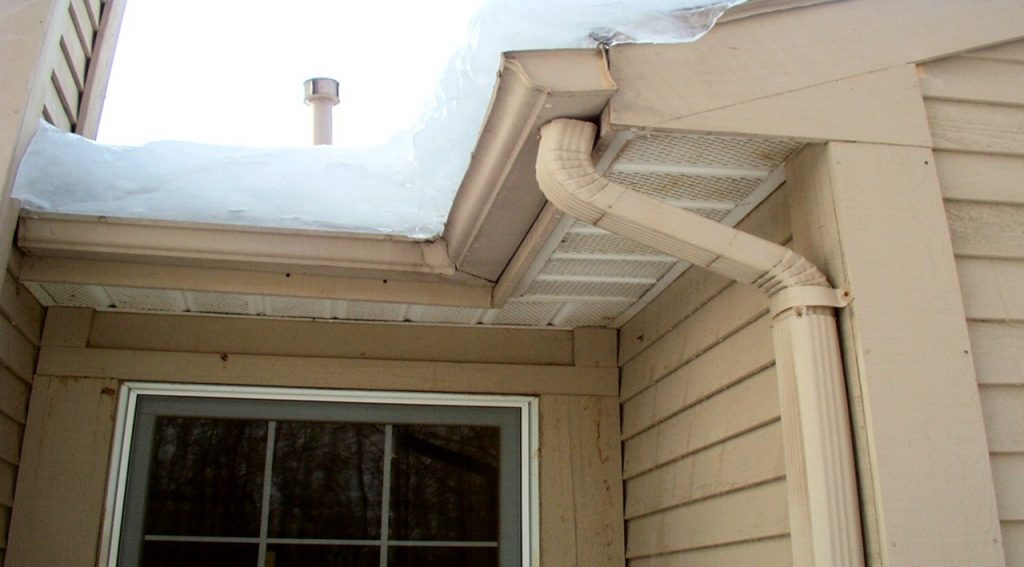
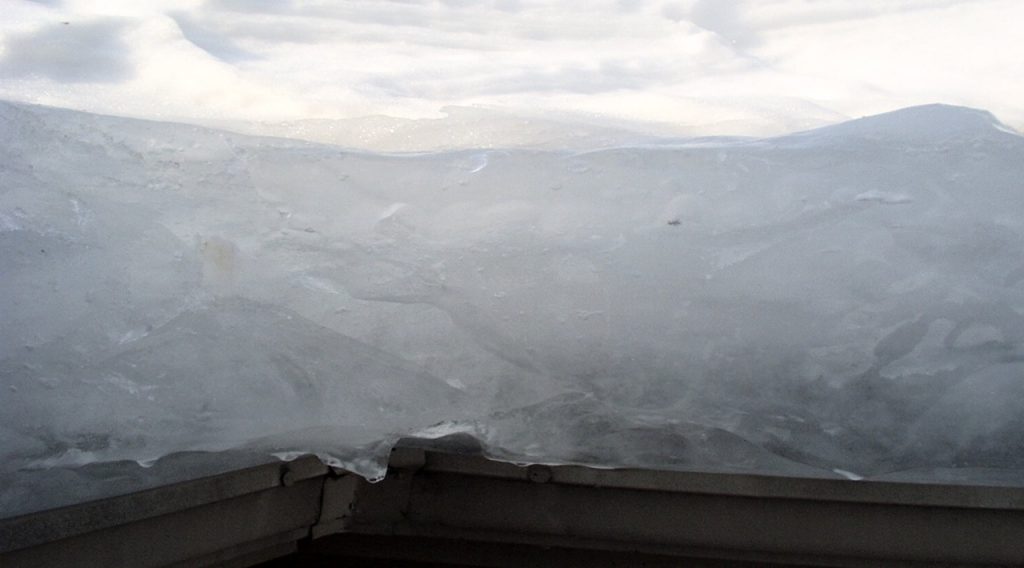
Ice dams form along the edge of a roof, usually near the gutters, after snowfall. They occur when snow on the roof melts, runs toward the roof edge, and then refreezes before it can drain away. Over time, this refrozen water builds up into a ridge of ice—the “dam.”
Ice dams are often considered a silent destroyer because the water damage they cause typically starts in areas homeowners don’t see often, such as the attic. By the time stains appear on ceilings or walls, damage may already be widespread.
How Do Ice Dams Form?
Ice dams usually form due to a combination of snow, temperature differences, and heat loss:
- Snow accumulates on the roof after a winter storm.
- Heat from inside the home warms the roof, causing snow to melt.
- Melted snow flows downward toward the gutters.
- At the colder roof edge or eaves, the water refreezes, forming ice.
- As the ice builds up, it blocks proper drainage, trapping additional melting water behind it.
That trapped water has nowhere to go except back under roof shingles, where it can seep into the attic, insulation, walls, and ceilings—leading to water damage and potential mold growth.

Preventing Ice Dams
While not all ice dams can be prevented, there are steps homeowners can take to reduce the risk:
Short-Term Prevention After Snowfall
- Remove snow from the roof edge (about the first 3–4 feet) using a roof rake or long-handled brush.
- Keep gutters and downspouts clear so melted snow can drain properly.
- After heavy snowfall (more than a foot), remove as much roof snow as safely possible to reduce both ice dam risk and roof stress.
Long-Term Prevention
- Improve attic insulation to reduce uneven roof temperatures.
- Seal air leaks that allow warm air to escape into the attic.
- Install water-repellent membranes under roof shingles for added protection against water intrusion.
What to Look Out For When Ice Is Already Present
If ice dams have already formed, keep an eye out for warning signs of water damage:
- Large or growing icicles along the roof edge
- Ice buildup in gutters
- Water stains on ceilings or walls
- Dripping water inside the home
- Peeling paint or bubbling drywall
While removing ice dams safely is important, it should be done with care:
- A roof rake may help dislodge smaller ice dams.
- Cutting a channel through the ice can allow trapped water to drain.
- Never use rock salt on a roof; calcium chloride is safer if used properly.
- For large or dangerous ice dams, consider hiring a professional snow or ice removal contractor.
How PuroClean Can Help
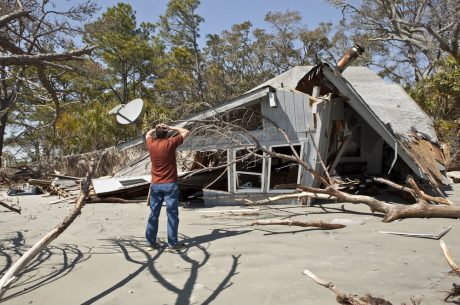
Even with proper precautions, ice dams can still cause unexpected water damage. When water enters your home, quick response is critical to prevent further damage and mold growth.
PuroClean specializes in:
- Water damage mitigation and extraction
- Drying and dehumidification
- Ceiling, wall, and flooring restoration
- Mold prevention and remediation when needed
If you suspect water damage from an ice dam—or notice signs of moisture inside your home—don’t wait. Our team is trained to respond quickly and restore your property to a pre-loss condition.
📞 Call PuroClean at: 864-285-3530
📍 Serving Spartanburg, Greenville, Greer, and surrounding areas
Winter weather issues can escalate quickly, but with the right response, damage can be minimized. If you have questions or need help, PuroClean is here when you need us.


 PuroClean Restoration Rescuers