 PuroClean Restoration Rescuers
 Safety measures to consider during a grease fire.
Table of Contents
When it comes to cooking, the sizzle of a pan and the aroma of a delicious meal can be incredibly satisfying. However, amidst the culinary sounds and flavours, a potential hazard demands our attention: grease fires. These fiery mishaps can escalate quickly, turning a delightful cooking experience into a dangerous one. So what happens when a cooking fire occurs? Safety tips to follow. What do you put on a grease fire to extinguish the flames and clean up the mess? This comprehensive guide delves into grease fires and how professionals like PuroClean can be your ultimate saviours in grease fire restoration.
What Is a Grease Fire?
A grease fire, known as a Class B fire, occurs when cooking oil or grease becomes too hot and ignites. Grease fires happen in kitchens and cooking environments, Safety tips to follow. often from overheating cooking oil or fat used for frying, sautéing, or other high-heat cooking methods.
Cooking oils and fats have specific temperature thresholds to catch fire. When they surpass these thresholds and reach their “flash point,” they can spontaneously ignite, leading to a grease fire. They can spread quickly and are dangerous because they generate intense heat and flames.
To prevent grease fires, practice extreme caution. Safety tips to follow. Remove common fire hazards and know the flash points for your oils. Ensure you stay safe in the kitchen and take the necessary precautions.
Common Causes of Grease Fires
- High Cooking Temperature. When cooking oil or fat reaches its smoke point, it breaks down and can catch fire. Different oils have different smoke points, Safety tips to follow. and cooking at a temperature above the oil’s smoke point can lead to a grease fire.
- Oil Splatter. Hot oil droplets can splatter out of the pan while cooking, landing on the stovetop, surrounding surfaces, or even on the stove’s heating element. These splatters can ignite if they come into contact with an open flame or a hot surface. Safety tips to follow.
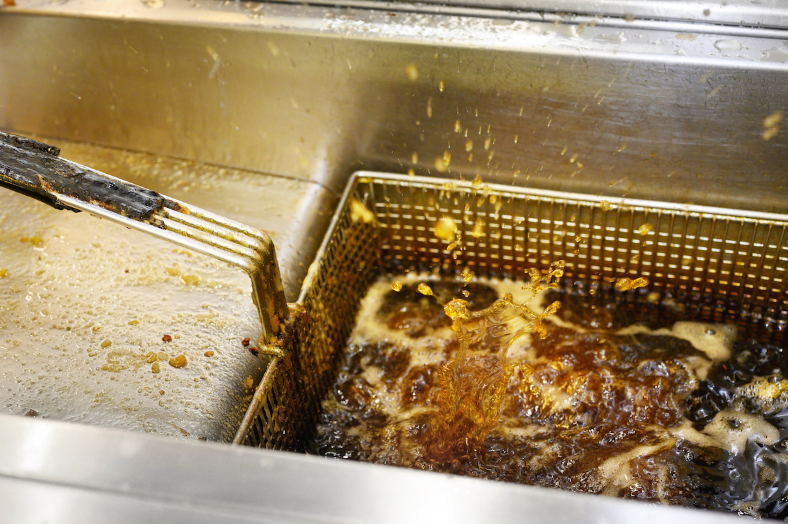
- Leaving Unattended Cooking. Leaving cooking unattended, especially when frying or cooking with oils and fats, increases the fire risk. Safety tips to follow. A fire can break out quickly if the oil overheats and reaches its ignition point.
- Overfilling the Pan. Filling a pan with too much oil or fat can cause it to overflow when food is added. Safety tips to follow. The overflowing oil can reach the heat source and ignite.
The Do’s and Don’ts of Putting Out a Grease Fire
Dealing with a grease fire requires caution and quick action, as grease fires can escalate rapidly. Safety tips to follow. Here’s a step-by-step guide on how to handle a grease fire safely and hopefully avoid having to call the fire department:
- Turn Off the Heat. If the fire is on a stovetop, immediately turn off the heat source to halt the fuel supply. Do not attempt to move the pan.
- Cover the Flames. Cover the pan with a metal lid or a cookie sheet to put out a grease fire. This will help smother the flames by depriving them of oxygen. Avoid using glass lids, as they can shatter due to heat.
- Do NOT Use Water. Never use water to extinguish a grease fire. Water can splash and spread drops of burning oil, making grease fires bigger. It can extend the fire and potentially cause burns. It can also cause a steam explosion.
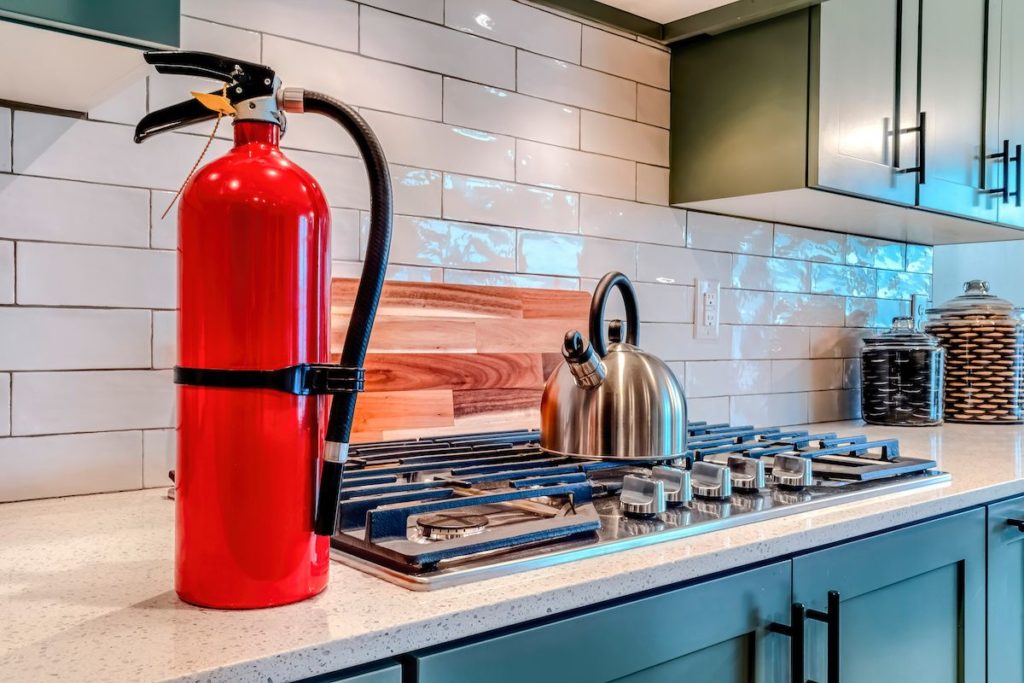
- Use a Fire Extinguisher. Should grease catch fire in your kitchen, remove the heat source by cutting gas/power to your oven/appliance. If the fire is small and manageable, use a Class B fire extinguisher for kitchen fires involving grease and cooking oils. Aim at the base of the flames and sweep the extinguisher side to side.
- Apply Baking Soda or Salt. Sprinkle baking soda or salt on the flames if it’s a small fire. These substances can help smother the fire by releasing carbon dioxide. However, this method is less effective than a fire extinguisher.
- Do NOT Use Baking Powder or Flour. Do not use flour, baking powder, or other cooking powders that resemble baking soda; they have a different chemical makeup and will not react similarly. They will make the fire worse.
- Keep a Lid On It. Leave the metal pan lid on the pan even after the flames are out to ensure the fire doesn’t reignite. The heat may take some time to dissipate.
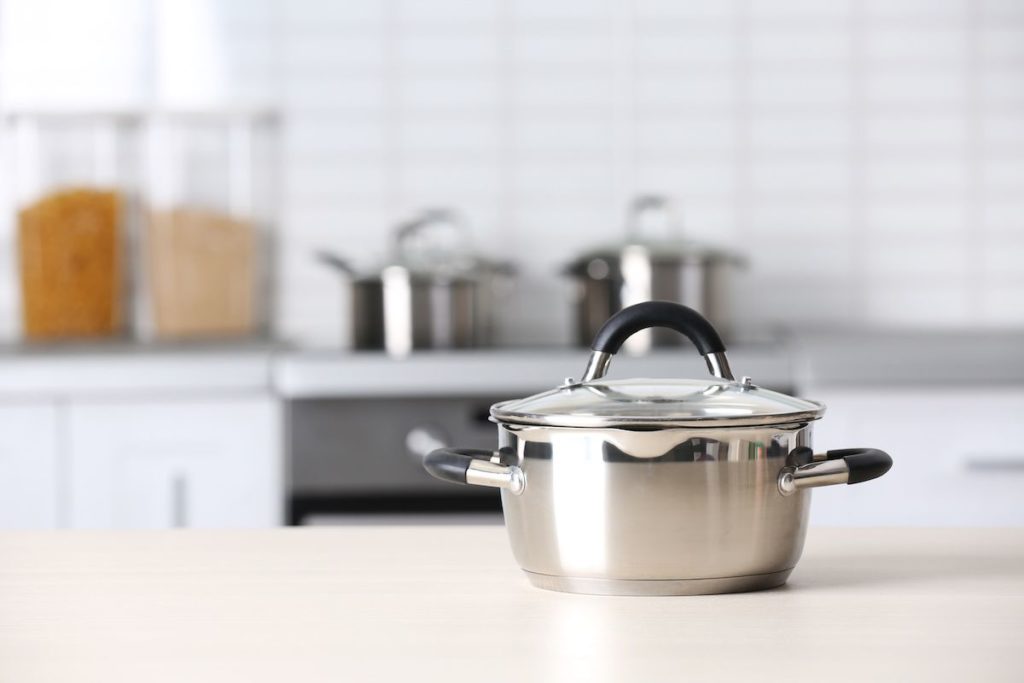
- Wait to Move the Pan. After the fire is extinguished and the pan is safe to handle, you can carefully move it to a safe location. Safety tips to follow. Use oven mitts and be cautious of any remaining hot surfaces.
- Ventilate the Area. Open windows and use fans to clear out any smoke and fumes accumulated during the fire.
- Clean Up. Clean the area thoroughly once the situation is under control. Grease buildup can contribute to fires, so keeping your kitchen clean can help prevent future incidents.
- Call for Help. If the fire is spreading quickly, or you can’t control it within a few moments, evacuate the area and call local emergency services.
Remember, safety is always the top priority. Having a fire extinguisher in your kitchen and knowing how to use it before an emergency occurs is a good idea. However, if the fire becomes unmanageable or starts spreading, do not put yourself at risk. Evacuate the area, close the door to contain the fire, and call your local emergency services immediately.
Call PuroClean of Spartanburg for Professional Fire Damage Restoration Services
After a grease fire, you may need to deal with smoke damage and soot residue. If left untreated, these issues can cause health problems, so consider hiring professionals for proper clean-up and restoration services. PuroClean of Spartanburg offers complete fire damage restoration solutions that quickly and effectively restore your property to pre-loss condition.
Our trained and certified technicians are available 24/7. We use the most advanced techniques and state-of-the-art equipment to restore properties affected by fire damage. Please or call +1 864-285-3530 today if you’re in Spartanburg South Carolina and you need Fire Damage. +1 864-285-3530
PuroClean is a leading commercial and residential restoration franchising company. Founded in 2001, the company offers fire and water cleanup and restoration services, mould mitigation and remediation, and biohazard cleanup and removal throughout the United States and Canada through its franchise network of over 400 offices. Learn more.
 PuroClean Restoration Rescuers