


Spring in the Ozarks brings warmer temperatures, heavy rain, and rising humidity, which can all create the perfect conditions for mold growth inside your home. The good news is that a few smart prevention steps can go a long way toward reducing moisture problems and helping you avoid bigger mold issues later.
- Spring weather in the Ozarks often creates ideal conditions for mold because of excess moisture, humidity, and water intrusion.
- Preventing mold starts with controlling moisture both inside and outside the home before mold has a chance to grow.
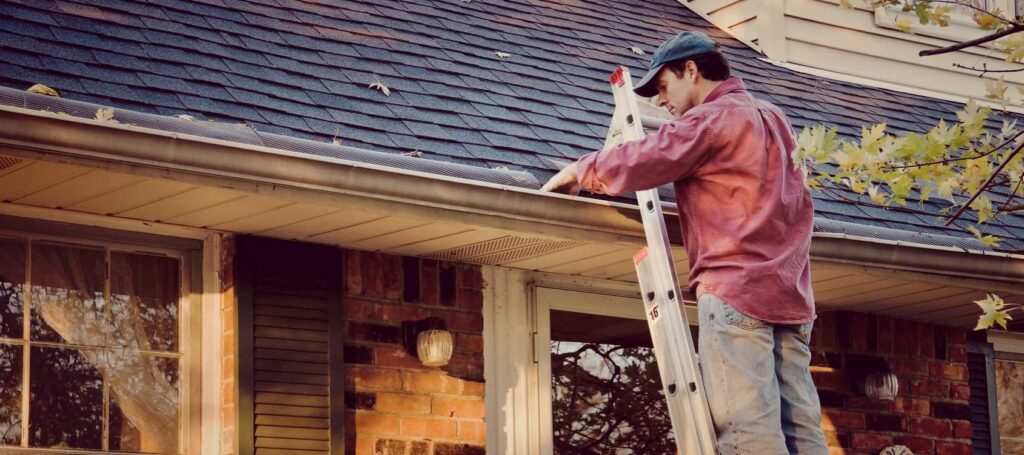
- Cleaning gutters, checking roof drainage, and making sure the ground slopes away from the foundation can help keep water out.
- Repairing plumbing, roof, and foundation leaks quickly is one of the most important ways to prevent hidden mold growth.
- HVAC maintenance, including checking drip pans and drainage, can help reduce moisture and improve indoor air quality.
- Using exhaust fans and dehumidifiers can help keep indoor humidity in a safer range, especially in basements and crawl spaces.
- After any flood, leak, or water damage event, fast cleanup and thorough drying are essential to help prevent mold from spreading.
- If you notice musty odors, visible mold, or signs of water damage, professional help can identify the source and address the problem properly.
Let’s take a closer look at each of these main points in more detail.
Spring Mold Prevention Tips for Ozarks Homeowners
Spring in the Ozarks brings warmer temperatures, steady rain, and plenty of humidity.
While that change in weather can be a welcome relief after winter, it also creates ideal conditions for mold growth inside homes.
Mold often begins in places homeowners do not notice right away, such as behind walls, under sinks, around windows, inside HVAC systems, in basements, and in crawl spaces.
By the time it becomes visible, the problem may already be more widespread than expected.
The good news is that preventing mold is often much easier and less expensive than dealing with a major mold problem later.
Moisture is the key factor that allows mold to grow, so the most effective prevention strategy is to control water intrusion, humidity, and damp materials before mold has the chance to take hold.
For homeowners in Springfield, Missouri and the surrounding area, a few proactive steps during the spring can go a long way toward protecting both your home and your family.
Why Spring Is Prime Time for Mold Growth
Mold spores are naturally present in the air, which means mold does not need much help to start growing once moisture is introduced.
Spring storms, heavy rain, roof leaks, plumbing problems, damp basements, and humid indoor air can all create the kind of environment mold needs to spread.
Homes in the Ozarks can be especially vulnerable because of fluctuating temperatures, wet weather, and humidity that lingers long after a storm has passed.
Once mold begins growing, it can damage building materials, create unpleasant odors, and contribute to indoor air quality concerns.
For some people, mold exposure may also aggravate allergies, asthma, and other respiratory sensitivities.
That’s why it is so important to stay ahead of mold rather than wait until the problem becomes obvious.
Start With Your Home’s First Line of Defense
One of the smartest mold prevention steps starts outside your home.
Gutters and downspouts play a major role in directing rainwater away from the structure.
When gutters become clogged with leaves, twigs, and debris, water can overflow and collect near the roofline, siding, or foundation.
That extra moisture can eventually seep into the home and create the perfect environment for mold.
Spring is a great time to inspect and clean your gutters thoroughly.
It is also important to make sure downspouts are pushing water far enough away from the home.
At the same time, take a close look at your roof for missing shingles, damaged flashing, or any signs of water intrusion.
Even a small roof leak can allow moisture into attic spaces and wall cavities where mold can grow unnoticed for weeks or months.
The grading around your home matters as well.
The ground should slope away from the foundation so rainwater drains outward instead of pooling around the base of the house.
If water collects near the foundation, that moisture can eventually work its way into basements, crawl spaces, or lower-level walls.
Address Leaks Before They Become Bigger Problems
Plumbing leaks are one of the most common causes of indoor mold growth.
A slow drip under a sink, a leaking pipe behind a wall, or a small appliance leak can keep materials damp long enough for mold to start spreading.
Because many plumbing leaks develop in hidden spaces, homeowners may not realize there is an issue until they notice staining, warped materials, musty odors, or visible mold.
Spring is a good reminder to inspect areas around sinks, toilets, tubs, showers, water heaters, refrigerators, and washing machines.
If you notice any sign of leaking or water damage, it is important to act quickly. Small repairs made early can prevent much more costly mold remediation later.
When plumbing leaks, roof leaks, or foundation leaks are involved, it is always wise to work with qualified professionals who can address the root cause correctly.
Pay Attention to Your HVAC System
Your HVAC system can either help control moisture in the home or contribute to mold problems if it is not functioning properly.
Condensation, clogged drain lines, dirty drip pans, and poor airflow can all allow moisture to collect inside the system.
That creates a potential breeding ground for mold, which can then affect indoor air quality as conditioned air moves throughout the house.
Having your HVAC system inspected by a qualified professional is a smart seasonal maintenance step.
A Spring inspection can help identify issues with drip pans, drain lines, filters, and humidity control before they turn into larger problems.
Good airflow and a properly functioning system can make a significant difference in keeping interior spaces drier and less favorable to mold.
Control Humidity and Condensation Inside the Home
Even if there are no obvious leaks, excess humidity alone can support mold growth. This is especially true in bathrooms, kitchens, laundry rooms, basements, and crawl spaces.
In the Ozarks, keeping indoor humidity in a healthy range can be difficult during the spring and summer, but it is one of the most important steps you can take.
If your windows are frequently fogging up, your walls feel damp, or your home feels muggy, you may have a humidity problem.
Exhaust fans should be used regularly in bathrooms, kitchens, and laundry areas to remove excess moisture from showers, cooking, dryers, and dishwashers.
A dehumidifier can also be extremely helpful, especially in lower levels of the home where dampness tends to linger.
Condensation can also build up around windows, pipes, and HVAC components when warm, humid air meets a cooler surface.
Reducing indoor humidity, improving insulation, and maintaining consistent indoor temperatures can help cut down on this moisture before it becomes a mold issue.
Be Careful With Damp Areas and Porous Materials
Mold thrives in places that stay damp and do not dry out quickly. Basements, crawl spaces, attics, and storage areas are all common trouble spots.
Cardboard boxes, carpeting, drywall, insulation, and wood framing can all absorb moisture and provide a food source for mold growth.
If you have had any water intrusion in these areas, even if it seems minor, it is important to dry everything thoroughly.
Homeowners should also be mindful of indoor plant soil, which can stay consistently damp. Houseplants are not automatically a mold problem, but overwatering and poor air circulation can sometimes contribute to mold growth around the soil surface and nearby materials.
Good ventilation and careful watering habits can help minimize that risk.
When making repairs or remodeling moisture-prone areas, it may be worth considering mold-resistant drywall, sheetrock, or paint.
These materials are not a guarantee against mold, but they can offer an extra layer of protection in places like basements, laundry rooms, and crawl spaces where moisture is more likely to be present.
Act Fast After Flooding or Water Damage
One of the biggest mold prevention rules is simple: wet materials need to be cleaned and dried as quickly as possible.
After flooding, storm damage, plumbing failures, or appliance leaks, the clock starts ticking right away. The longer water sits, the higher the risk that mold will begin growing in drywall, flooring, insulation, and other building materials.
What may look like a small water problem on the surface can often affect materials underneath or behind the visible area.
That is why professional drying and cleanup are so important.
Moisture meters, specialized drying equipment, and experienced restoration techniques can help ensure that the affected area is truly dry instead of only appearing dry from the outside.
For homeowners in Springfield and surrounding communities, calling in a professional restoration company after water damage can make the difference between a manageable cleanup and a much larger mold remediation project later.
Know When It Is Time to Bring in a Professional
Even with the best prevention efforts, mold can still develop in hidden areas or after unexpected water events.
If you notice a persistent musty odor, visible discoloration on walls or ceilings, peeling paint, warped materials, or signs of past or ongoing moisture, it is a good idea to have the problem evaluated by a professional.
Mold is not always limited to the small area you can see, and disturbing it without proper containment can sometimes make the situation worse.
PuroClean Certified Restoration can help homeowners identify moisture-related issues, respond to water damage, and address mold concerns with professional care.
Rather than simply treating what is visible, the goal is to find the source of the moisture, stop the problem from continuing, and properly restore the affected area.
Protect Your Home This Spring With PuroClean Certified Restoration
Mold prevention starts with moisture control, and Spring is one of the most important times of year to stay proactive.
Cleaning gutters, repairing leaks, inspecting your HVAC system, improving drainage, using exhaust fans, reducing humidity, and acting quickly after any water damage can all help protect your home from mold growth.
If you suspect mold in your home or you have recently experienced water damage, do not wait for the problem to get worse.
Contact PuroClean Certified Restoration in Springfield, Missouri for professional help. A fast response and a thorough plan can help protect your property, improve indoor air quality, and give you peace of mind.