24/7 Emergency Sump Pump Failure Cleanup Springfield Services in Springfield, PA
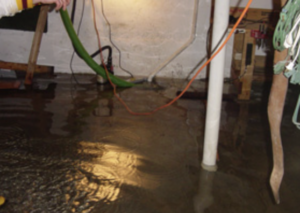
A failed sump pump can lead to basement flooding quickly, especially during heavy rain. If your sump pump stops working, loses power, becomes clogged, or cannot keep up with incoming groundwater, water can spread across the basement and soak flooring, drywall, insulation, framing, and personal belongings.
PuroClean of Springfield provides professional sump pump failure cleanup in Upper Darby, including water extraction, moisture detection, structural drying, cleaning, and water damage restoration. Our team works to remove standing water quickly and identify moisture that may have spread into areas that are not visibly wet.
Sump pumps are designed to move groundwater away from the basement before it can accumulate inside the home. During heavy rain or periods of saturated soil, the pump may need to operate repeatedly for hours at a time. If the system fails when groundwater levels are high, water can rise from the sump pit and spread into the basement.
Repairing or replacing the sump pump only addresses the equipment failure. If water has already entered the basement, professional cleanup may still be necessary to remove standing water, inspect affected materials, and dry moisture that has spread beneath flooring or into walls.
PuroClean provides basement flood cleanup in Upper Darby for homes affected by sump pump failures, heavy rain, groundwater intrusion, and other basement water emergencies.
A sump pump can fail for several reasons, and the underlying cause should be identified so the problem does not immediately repeat after cleanup.
Common causes include:
If you discover standing water or rapidly rising water in the basement, act quickly while avoiding unnecessary safety risks.
PuroClean’s emergency water removal services can help reduce the amount of time water remains in contact with porous building materials.
We evaluate the affected area to determine how far the water has spread, which materials are wet, and whether moisture has migrated beneath flooring, behind walls, or into other concealed spaces.
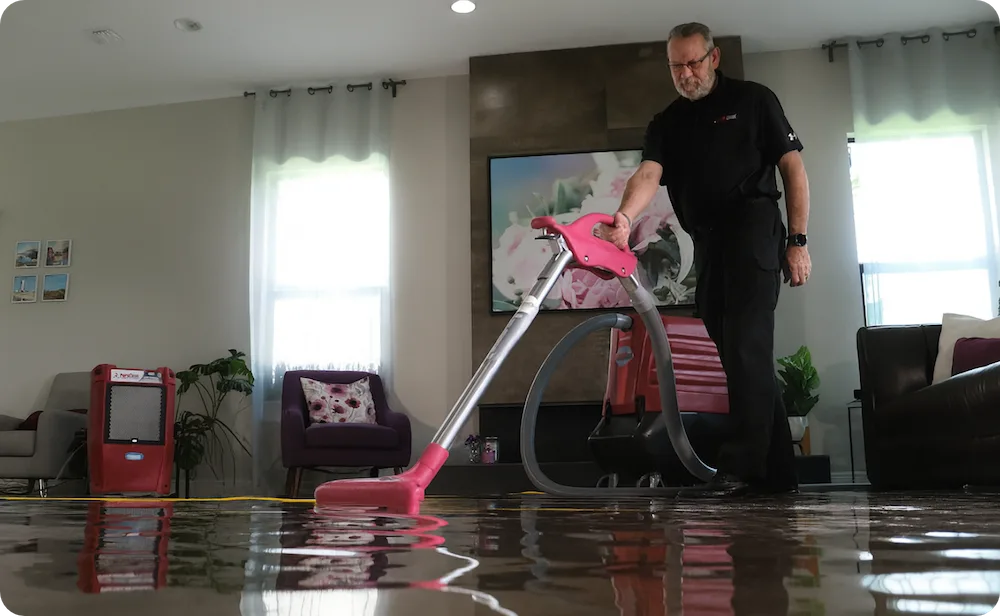
Professional extraction equipment is used to remove standing water from the basement. Efficient extraction reduces the amount of moisture that must later be removed through evaporation and dehumidification.
Drywall, carpet, padding, insulation, wood framing, cabinets, trim, and stored belongings may absorb water beyond the visibly flooded area. Moisture meters and other inspection tools can help locate these affected materials.
Whether a material can be dried depends on the type of water, degree of saturation, duration of exposure, and condition of the material. Some porous materials may need to be removed when effective restoration is not practical.
After extraction, commercial air movers and dehumidifiers may be used to remove moisture retained inside structural materials. Professional structural drying helps address moisture that remains after visible water is gone.
Moisture readings can be taken throughout the drying process to determine whether affected materials are returning to appropriate moisture levels.
Cleaning methods depend on the water source, the materials affected, and whether contamination is present.
Removing standing water is only the first step after a sump pump failure. Water can wick into drywall, move beneath flooring, soak carpet padding, penetrate insulation, and remain trapped inside framing or wall cavities.
That means a basement may look dry on the surface while hidden moisture remains inside the structure. Professional drying and moisture monitoring help determine whether affected materials are actually drying rather than simply appearing dry.
For larger basement losses, our water extraction and broader water damage restoration services can address both visible water and moisture that has spread beyond the immediate flood area.
After a sump pump overflow or basement flood, moisture may remain:
A sump pump failure can leave drywall, carpet, insulation, wood, and other porous materials damp for an extended period if the basement is not properly dried. Persistent moisture can create conditions that support mold growth.
Prompt extraction, dehumidification, airflow, and moisture monitoring help reduce the amount of time affected materials remain wet.
Heavy rain is one of the most common times for sump pump problems to become apparent because groundwater can enter the sump pit much faster than during normal conditions. A pump that performs adequately during routine rain may become overwhelmed during a prolonged storm, and a power outage can disable the system when it is needed most.
Basement water after a storm may also involve more than the sump pump itself. Water can enter through foundation cracks, basement windows, wall-floor joints, utility penetrations, or drainage problems around the home.
See our guide to water in the basement after heavy rain in Upper Darby for more information about common storm-related basement water sources.
After cleanup, addressing the reason the system failed can help reduce the chance of another basement flood.
Preventive steps may include:
Finished basements can require more extensive cleanup because water may travel underneath flooring and behind finished walls before the full extent of the damage becomes visible.
Carpet padding, drywall, insulation, laminate flooring, cabinetry, trim, and built-in storage can retain moisture after standing water has been removed. Moisture inspection helps determine which materials can be dried and which may require removal.
Insurance coverage depends on the individual policy and the cause of the loss. Some homeowners policies may exclude or limit water associated with sump pump or drain backup unless optional coverage has been added.
Document the affected basement and damaged belongings and contact your insurance carrier to determine what coverage applies. PuroClean can document affected areas and the restoration work performed during cleanup.
A small amount of water confined to a bare concrete floor may sometimes be manageable with household equipment. Professional sump pump failure cleanup is more appropriate when:
Avoid electrical hazards, determine whether the pump has lost power if it is safe to do so, move unaffected belongings away from the water, document the damage, and begin removing standing water as soon as practical.
Water removal should begin as soon as conditions are safe. The longer water remains in contact with drywall, flooring, insulation, wood, and belongings, the farther moisture can spread.
Possibly. Restarting the sump pump may remove water from the sump pit but does not necessarily dry moisture already absorbed into flooring, walls, insulation, and framing.
A small amount of water on bare concrete may sometimes be manageable without professional equipment. Larger losses, finished basements, hidden moisture, electrical concerns, or potentially contaminated water generally warrant professional evaluation.
Drying time depends on the amount of water, the materials affected, indoor humidity, airflow, temperature, and how quickly extraction begins. Moisture readings provide a better measure of drying progress than a fixed number of days.
Yes. Drywall can absorb water through direct contact and capillary action. The degree of saturation, water source, and duration of exposure help determine whether it can be dried or should be removed.
No. Extraction removes liquid water, but moisture can remain inside drywall, flooring, carpet padding, insulation, framing, and other porous materials.
The condition of the water depends on its source and what it contacted. Groundwater and water associated with drains or sewage require different cleanup precautions, so the source should be evaluated before cleanup.
If your sump pump has failed and water is spreading through your basement, PuroClean of Springfield provides professional sump pump failure cleanup for Upper Darby homeowners. We can remove standing water, locate hidden moisture, dry affected building materials, and help reduce additional water damage.
What Our Customers Say:
Find answers to common questions about our services
Technicians are trained and certified in OSHA regulations, bloodborne pathogen handling, and biohazard remediation standards. Ongoing education ensures PuroClean of Springfield, PA teams remain current with best practices and safety protocols.
If biohazard contamination has penetrated building materials, such as subflooring or drywall, those materials are removed and replaced. PuroClean of Springfield, PA teams will explain where reconstruction is needed.
In some cases, yes. Non-porous items are more easily sanitized, while porous materials often require removal and replacement. PuroClean of Springfield, PA expert restoration teams evaluate each item individually to make that determination.
All contaminated materials are packaged, transported, and disposed of in accordance with federal, state, and local regulations. This may involve incineration or specialized waste treatment facilities licensed to handle biohazards.
Yes. Professional biohazard cleanup uses approved disinfectants and testing protocols to ensure that spaces are safe for re-entry by all occupants, including pets and children.
Water damage can result from unexpected leaks, flooding from storms, plumbing failures, or appliance malfunctions. Our certified teams focus on rapid water removal, drying, and stabilization to help prevent further damage and mold growth.
 Explore Our Water Damage Mitigation Services
Even after a fire is extinguished, smoke, soot, and odor can continue to affect your home. Fire damage restoration services address visible damage while also helping reduce lingering effects that impact indoor air quality and surfaces.
Explore Our Fire and Smoke Damage Restoration Services
Mold often develops as a result of unresolved moisture or hidden water damage. Professional mold remediation helps identify affected areas, contain growth, and restore healthy indoor conditions.
Explore Our Mold Removal and Remediation Services
Biohazard situations, including crime scene cleanup and virus decontamination, require specialized cleaning and handling to protect health and safety. Biohazard cleanup services address contamination using proper protocols and professional care.
Explore Our Biohazard Cleanup Services
In some cases, property damage requires repairs beyond cleanup and mitigation. Reconstruction services help restore damaged areas of the home after water, fire, or other incidents, supporting a smoother transition from damage to recovery.
Explore Our Reconstruction Services Services
Expert commercial water damage restoration for Springfield, PA businesses. PuroClean of Springfield, PA provides rapid water extraction, structural drying, and water damage repair
Explore Our Commercial Water Damage Restoration Services
Certified commercial mold remediation and prevention for Springfield, PA businesses. PuroClean of Springfield, PA provides mold assessment, contained removal,
Explore Our Commercial Mold Remediation Services
Professional commercial fire and smoke damage restoration for Springfield, PA businesses. PuroClean of Springfield, PA provides fire damage cleanup, smoke odor
Explore Our Commercial Fire Damage Restoration Services
Licensed commercial biohazard cleanup and decontamination for Springfield, PA businesses. PuroClean of Springfield, PA provides biohazard remediation, trauma
Explore Our Commercial Biohazard Cleanup Services
Water damage can result from unexpected leaks, flooding from storms, plumbing failures, or appliance malfunctions. Our certified teams focus on rapid water removal, drying, and stabilization to help prevent further damage and mold growth.
Explore Our Water Damage Mitigation Services

PuroClean of Springfield, PA
(610) 541-8606
1001 Baltimore Pike, Suite 201 #15, Springfield, PA 19064
© 2026 PuroClean. All Rights Reserved.