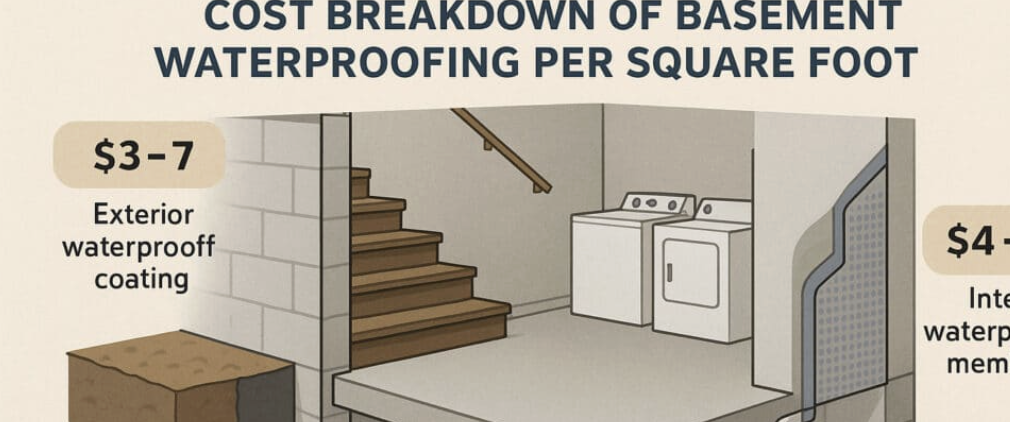
Standing water can begin damaging drywall, flooring, insulation, wood framing, furniture, and personal belongings within a short period of time. Whether the water entered through heavy rain, a burst pipe, foundation seepage, or a failed sump pump, removing it quickly is one of the most important steps in reducing property damage.
Basement flooding is a common concern throughout Springfield and Delaware County, particularly during periods of heavy rainfall, plumbing failures, and severe weather. Recent storms throughout the greater Philadelphia region have resulted in flooded basements, overwhelmed drainage systems, and water damage affecting homes and businesses.[1]
Professional basement flood cleanup in Springfield begins by identifying the water source, evaluating safety hazards, extracting standing water, and determining how far moisture has traveled into surrounding building materials. Water left beneath flooring, inside wall cavities, or behind finished surfaces may continue causing damage even after the visible water has been removed.
Guide: Basement Water Extraction
- What Is Basement Water Extraction?
- When Water Extraction Is Needed
- Common Causes of Basement Flooding
- Why Standing Water Must Be Removed Quickly
- Understanding Water Categories
- Professional Water Extraction Equipment
- What Happens After Water Extraction?
- Structural Drying
- Preventing Mold Growth
- Insurance and Basement Flooding
- Basement Water Extraction Springfield
FAQs
What Is Basement Water Extraction?
Basement water extraction is the process of removing standing water from a flooded basement using specialized pumps, extraction equipment, and moisture-control procedures. The objective is to stop additional damage, prepare the structure for drying, and reduce the likelihood of mold growth or structural deterioration.
Water extraction is only one phase of professional restoration. After standing water has been removed, restoration professionals inspect surrounding materials, measure moisture levels, identify hidden water, and develop a drying plan that returns affected materials toward an acceptable moisture condition.
Professional water extraction in Springfield is often necessary because water can migrate well beyond the visible flooded area. Moisture may collect beneath flooring, behind drywall, inside insulation, below cabinets, and within structural framing.
When Water Extraction Is Needed
Any amount of standing water inside a basement should be evaluated promptly. Even shallow flooding can damage flooring systems, drywall, trim, stored belongings, and mechanical equipment while increasing humidity throughout the home.
Professional extraction is commonly recommended after:
- Basement flooding.
- Burst pipes.
- Heavy rain.
- Sump pump failure.
- Foundation seepage.
- Water heater leaks.
- Washing machine failures.
- Sewer backups.
The longer water remains inside the property, the greater the opportunity for moisture to spread into porous building materials. The EPA recommends drying water-damaged materials within 24 to 48 hours when practical to help reduce mold growth.[2]
Common Causes of Basement Flooding
Understanding why the basement flooded helps determine the safest restoration approach and whether additional repairs are needed before drying begins.
Heavy Rainfall
Intense storms can overwhelm drainage systems, increase groundwater pressure, and allow water to enter through foundation walls, floor joints, window wells, or utility penetrations.
Burst Pipes
A burst plumbing pipe may release hundreds of gallons of water into a basement before the leak is discovered. After the plumbing repair is complete, extraction should begin immediately to reduce secondary damage.
Sump Pump Failure
Sump pumps help remove groundwater before it reaches finished living spaces. Mechanical failure, power outages, clogged discharge lines, or improperly sized pumps can allow water to accumulate rapidly during storms.
Foundation Seepage
Cracks, deteriorated waterproofing, hydrostatic pressure, and aging construction materials may allow groundwater to enter below-grade spaces even when there has been no plumbing failure.
Appliance Failures
Water heaters, washing machines, HVAC condensate systems, and other household appliances may leak or fail unexpectedly, allowing water to collect in finished or unfinished basements.
Why Standing Water Must Be Removed Quickly
Standing water does not remain where it first appears. It spreads beneath flooring, wicks into drywall, saturates insulation, damages cabinetry, and increases indoor humidity. Water may also enter adjacent rooms through framing cavities and floor assemblies.
Rapid extraction helps reduce:
- Structural deterioration.
- Drywall damage.
- Flooring damage.
- Cabinet damage.
- Electrical hazards.
- Musty odors.
- Hidden moisture.
- Mold growth.
Visible water is only part of the problem. Professional moisture mapping is often necessary to identify water that has migrated into concealed areas before structural drying begins.
Understanding Water Categories
Not all floodwater presents the same level of risk. Restoration professionals classify water according to its source and the likelihood of contamination. Understanding the water category helps determine appropriate cleanup procedures, safety precautions, and which building materials may be restored.
Category 1 Water
Category 1 water originates from a sanitary source and has not been significantly contaminated. Examples include broken supply lines, overflowing sinks without contaminants, and certain appliance failures. Although Category 1 water begins as clean water, it can quickly deteriorate if left standing or if it comes into contact with contaminated materials.
Category 2 Water
Category 2 water contains a greater level of contamination and may cause discomfort or illness if ingested or contacted. Examples include washing machine discharge, dishwasher overflows, and certain plumbing failures involving used water.
Category 3 Water
Category 3 water is considered grossly contaminated and may contain harmful bacteria, sewage, chemicals, or other hazardous substances. Sewer backups, river flooding, and standing floodwater that has mixed with contaminants commonly fall into this category. Category 3 losses generally require additional safety precautions, selective material removal, and specialized cleaning procedures.
Professional restoration companies evaluate both the water category and the materials affected before developing a restoration plan. The ANSI/IICRC S500 Standard provides guidance for evaluating water-damage restoration projects and contamination levels.[3]
Professional Water Extraction Equipment
Removing standing water requires more than household towels, mops, or small wet vacuums. Professional extraction equipment removes significantly larger volumes of water while helping prepare the structure for controlled drying.
Submersible Pumps
When several inches or feet of water are present, commercial pumps rapidly remove large volumes of standing water before detailed extraction begins.
Truck-Mounted Extraction Units
Truck-mounted systems provide powerful vacuum extraction capable of removing water from carpet, concrete, hardwood flooring, tile, and other structural materials. High-capacity extraction reduces the amount of moisture remaining inside the building before drying equipment is installed.
Portable Extractors
Portable extraction units allow technicians to remove water from finished basements, tight spaces, upper floors, utility rooms, and other locations where truck-mounted equipment cannot easily reach.
Weighted Extraction Tools
Weighted extraction tools improve water removal from carpet and carpet padding by increasing contact between the extraction head and the flooring surface. This helps remove additional moisture before structural drying begins.
Moisture Detection Equipment
Professional restoration also includes moisture meters, thermo-hygrometers, infrared cameras, and other diagnostic tools that help identify hidden moisture behind walls, beneath flooring, inside cabinetry, and within structural assemblies.
Visible standing water rarely represents the full extent of the damage. Moisture testing helps identify areas requiring additional drying or selective material removal before long-term damage develops.
What Happens After Water Extraction?
Water extraction removes standing water, but additional restoration work is almost always required before the property has returned to a dry condition. Building materials continue releasing moisture long after visible water has disappeared.
Following extraction, restoration professionals typically:
- Perform detailed moisture mapping.
- Inspect wall cavities and flooring systems.
- Install commercial drying equipment.
- Monitor moisture readings throughout the drying process.
- Remove materials that cannot be effectively restored.
- Document drying progress for property owners and insurance carriers.
The objective is not simply removing water—it is returning affected materials to an acceptable moisture condition while reducing the risk of future deterioration or mold growth.
Structural Drying
After extraction is complete, controlled drying begins. Air movers increase evaporation while commercial dehumidifiers remove moisture from the air. Together, these systems gradually reduce moisture inside drywall, framing, flooring, insulation, and other building materials.
Professional structural drying in Springfield is based on moisture measurements rather than appearance alone. Materials that feel dry on the surface may still contain elevated moisture beneath finished surfaces.
Daily Moisture Monitoring
Technicians periodically measure moisture levels throughout the drying process. Equipment placement may be adjusted as conditions change to improve drying efficiency and verify progress toward established drying goals.
Selective Material Removal
Some materials may not be suitable for restoration. Swollen drywall, saturated insulation, deteriorated flooring, contaminated carpet padding, or damaged cabinetry may require selective removal to allow hidden structural components to dry properly.
When basement flooding follows a plumbing failure, professional water extraction in Springfield combined with structural drying provides the greatest opportunity to restore affected building materials while reducing secondary damage.
Preventing Mold Growth
Mold spores naturally exist indoors and outdoors. Moisture—not mold spores themselves—is what allows mold colonies to develop. Once water has entered drywall, insulation, wood framing, carpet, or other porous materials, prompt drying becomes critical.
The EPA recommends drying water-damaged materials within approximately 24 to 48 hours whenever practical to help prevent mold growth.[2]
Hidden moisture behind walls, beneath flooring, and inside insulation frequently causes recurring mold problems long after standing water has disappeared.
If moisture remains after a basement flood, professional mold inspection and remediation may become necessary. Learn more in our Basement Mold Cleanup Springfield Guide.
Insurance and Basement Flooding
Insurance coverage for basement flooding depends on the cause of the water damage and the terms of the homeowner’s insurance policy. Water entering the basement from a burst pipe may be handled differently than groundwater intrusion, sewer backups, or flooding caused by heavy rain. Property owners should contact their insurance carrier promptly to determine how their specific policy applies to the loss.
The Insurance Information Institute explains that many homeowners policies provide coverage for sudden and accidental water damage, while flood damage originating outside the home generally requires separate flood insurance.[4]
Document the Damage
Photograph standing water, damaged building materials, affected belongings, and the apparent source of the water before cleanup begins whenever it is safe to do so. Detailed documentation helps establish the condition of the property immediately following the loss.
Prevent Additional Damage
Homeowners are generally expected to take reasonable steps to reduce additional damage after discovering a water loss. This may include shutting off the water supply, arranging emergency plumbing repairs, removing standing water, and beginning structural drying before additional deterioration occurs.
Keep Restoration Records
Professional restoration companies typically document moisture readings, equipment placement, drying logs, photographs, demolition records, and daily progress reports. These records may assist property owners throughout the insurance claim process.
Basement Water Extraction Springfield
Standing water rarely remains only where it first appears. Moisture can migrate beneath flooring, inside drywall, around structural framing, beneath cabinets, and into adjoining rooms long after visible flooding has been removed. Professional extraction combined with controlled structural drying helps identify hidden moisture while reducing the likelihood of long-term damage and mold growth.
PuroClean of Springfield provides professional basement flood cleanup, water extraction, structural drying, and emergency water damage restoration throughout Springfield and surrounding Delaware County communities.
Key Takeaways
- Standing water should be removed as quickly as possible.
- Water extraction is only the first step in restoration.
- Hidden moisture often remains after visible water is gone.
- Professional moisture mapping helps identify concealed damage.
- Structural drying reduces the risk of mold growth.
- Different water categories require different restoration procedures.
- Document damage before beginning major cleanup.
- Contact both your insurance carrier and restoration company promptly.
- Monitor affected materials until drying goals are achieved.
- Fast mitigation improves the likelihood of restoring building materials.
FAQs About Basement Water Extraction
Can I remove basement water myself?
Small amounts of clean water may sometimes be removed safely using household equipment, but professional extraction is recommended when water has entered drywall, flooring systems, insulation, cabinetry, or multiple rooms. Hidden moisture often remains after visible water has been removed.
How quickly should basement water be removed?
Standing water should be removed as soon as it is safe to enter the affected area. The EPA recommends drying water-damaged materials within approximately 24 to 48 hours whenever practical to reduce the risk of mold growth.[2]
Does homeowners insurance cover basement flooding?
Coverage depends on the cause of the water damage and the terms of the policy. Burst pipes and sudden plumbing failures may be covered differently than groundwater intrusion or flooding originating outside the home.
Can wet carpet be saved?
It depends on the water category, how long the carpet remained wet, and the condition of the carpet and padding. Professional inspection determines whether restoration or replacement is the better option.
How quickly can mold grow after basement flooding?
Mold may begin developing when moisture remains for approximately 24 to 48 hours under favorable conditions. Prompt extraction and structural drying significantly reduce this risk.
Can water stay beneath the basement floor?
Yes. Moisture can remain beneath finished flooring, behind walls, inside insulation, or beneath cabinetry even after standing water has been removed. Moisture testing helps identify hidden water.
How long does structural drying take?
Most drying projects require several days, although the exact timeframe depends on the amount of water, building materials involved, environmental conditions, and how quickly mitigation begins.
When should I call a restoration company?
Call immediately whenever standing water affects drywall, flooring, finished basements, insulation, structural materials, or personal belongings. Early mitigation often reduces both repair costs and long-term damage.
Related Topics
- Basement Flood Cleanup in Springfield
- Emergency Water Extraction in Springfield
- Structural Drying in Springfield
- What to Do Immediately After a Burst Pipe in Springfield
- Can Water Under Your Basement Floor Cause Bigger Problems?
- Basement Mold Cleanup Springfield Guide