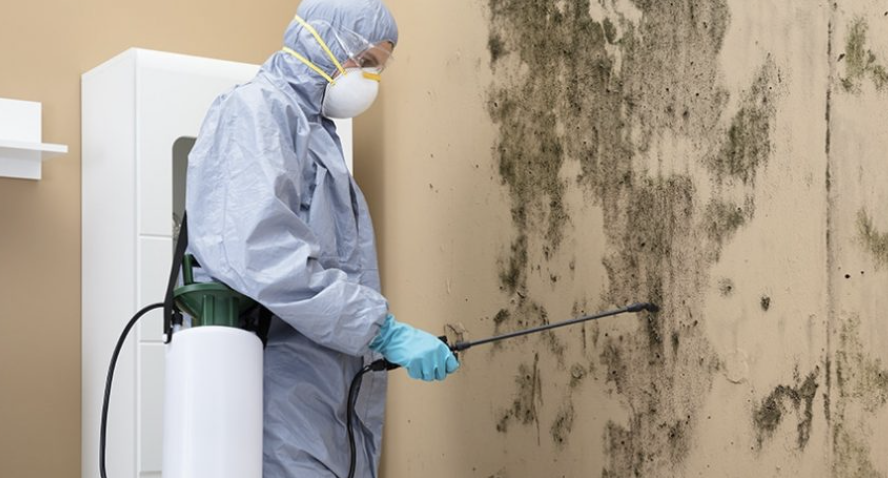
One of the first questions homeowners ask after discovering mold is, “How long will the remediation process take?” The answer depends on several factors, including how widespread the mold is, what caused it, how long moisture has been present, and which building materials are affected. Small, localized mold problems may be addressed relatively quickly, while larger projects involving multiple rooms, crawl spaces, attics, or water-damaged structural materials can take considerably longer. If you need professional mold remediation in Springfield, PuroClean of Springfield provides thorough inspections, moisture detection, mold cleanup, and restoration services. Call (610) 541-8606 today to schedule an inspection.
How Long Does Mold Remediation Usually Take?
Every mold remediation project is different, which means there is no single timeline that applies to every home. A small area of mold discovered early may require far less work than widespread contamination hidden behind walls or beneath flooring.
The overall timeline depends less on the visible mold itself and more on the amount of moisture present, the materials involved, and whether structural drying or repairs are necessary. Before cleanup begins, technicians inspect the affected area, determine the extent of contamination, identify the source of moisture, and develop a remediation plan.
Professional mold remediation in Springfield focuses on solving the entire problem—not simply removing visible mold. Cleaning without correcting moisture often leads to mold returning later.
What Affects the Timeline?
Several factors influence how long a mold remediation project will take. Some jobs can be completed relatively quickly, while others require multiple stages of drying, demolition, cleaning, and reconstruction.
Size of the Affected Area
A small section of mold on drywall inside a utility room requires a much different scope of work than mold affecting multiple rooms, an attic, or an entire crawl space. Larger contamination areas naturally require more containment, cleaning, and drying.
Type of Building Materials
Different materials respond differently to moisture. Mold growing on painted drywall, wood framing, insulation, carpeting, ceiling tiles, or subflooring may each require different remediation methods. Some porous materials can be restored, while others may require removal and replacement.
Moisture Source
The moisture problem itself often determines the length of the project. If an active plumbing leak, roof leak, or foundation seepage is still occurring, that issue must be corrected before remediation can be considered complete.
If mold developed following flooding or a plumbing failure, professional water damage restoration in Springfield is frequently performed before or alongside mold remediation.
Hidden Moisture
Visible mold is often only part of the problem. Moisture trapped inside walls, beneath flooring, inside insulation, or within framing may require additional drying time before repairs can begin. Moisture mapping helps identify these hidden areas so they are not overlooked.
Containment Requirements
Larger projects often require containment barriers, negative air pressure, and HEPA filtration to help prevent mold particles from spreading into clean portions of the home. Proper containment adds time but significantly improves the safety and effectiveness of the remediation process.
Small vs. Large Mold Projects
Not every mold problem requires the same level of restoration. A small area of mold caused by a localized plumbing leak may involve limited containment and cleanup, while widespread contamination resulting from months of hidden moisture can require a much more comprehensive restoration project.
Homes with attic mold caused by long-term roof leaks, crawl space mold resulting from groundwater intrusion, or extensive basement moisture often require additional drying, moisture correction, and structural repairs before the project is complete.
The important takeaway is that professional remediation should never be rushed. Completing every step properly is far more important than finishing quickly. A thorough remediation today helps reduce the likelihood of recurring mold problems in the future.
The Mold Remediation Process
Although every project differs, professional mold remediation generally follows a structured process designed to safely remove contamination while correcting the underlying moisture problem.
Inspection and Moisture Detection
Technicians inspect the affected areas, identify visible mold growth, evaluate humidity levels, and use moisture detection equipment to locate hidden water inside walls, ceilings, flooring, insulation, or structural framing.
Containment
Containment barriers and HEPA filtration may be installed to isolate affected areas and reduce the spread of airborne mold particles during cleanup.
Mold Removal
Contaminated materials are cleaned or removed depending on the extent of damage and the type of building material involved. Severely affected porous materials may require replacement as part of the remediation process.
Structural Drying
If elevated moisture remains within the structure, commercial air movers and dehumidifiers are used to dry affected materials before repairs begin. Proper drying is one of the most important steps in preventing mold from returning.
Why Fast Response Matters
The sooner remediation begins after mold or water damage is discovered, the greater the opportunity to reduce structural damage and limit the spread of contamination. Waiting allows moisture to remain inside building materials longer, increasing the likelihood that additional drywall, insulation, flooring, or framing will become affected.
Early intervention often reduces both restoration costs and the amount of demolition ultimately required. Even if visible mold appears limited, hidden moisture may already be spreading beyond what can be seen during a simple visual inspection.
If remediation requires removal of drywall, insulation, flooring, or trim, PuroClean also provides reconstruction services in Springfield to restore your home after mitigation has been completed.
What You Should Do Before Mold Remediation Begins
If you discover mold inside your Springfield home, avoid disturbing the affected area until it has been professionally evaluated. Scrubbing mold, tearing out drywall, or running household fans can spread airborne spores into unaffected areas and make remediation more difficult.
If there is an active plumbing leak or roof leak, stop the source of water if it is safe to do so. Take photographs of visible mold, water stains, damaged materials, and any suspected moisture source before moving belongings or beginning cleanup. This documentation may also be useful if you decide to file an insurance claim.
Professional inspection allows restoration technicians to determine how extensive the mold problem is, locate hidden moisture, and develop an appropriate remediation plan before work begins.
What Happens After Mold Remediation?
Many homeowners assume the project is finished once the visible mold has been removed. In reality, the final stages of remediation are just as important as the cleanup itself.
Once mold contamination has been addressed, technicians verify that structural materials have reached appropriate moisture levels before drying equipment is removed. Depending on the amount of demolition required, repairs such as drywall replacement, insulation installation, painting, flooring repairs, or trim replacement may follow.
Some projects require very little reconstruction, while others involve rebuilding portions of walls, ceilings, or flooring that were removed during remediation. PuroClean provides complete reconstruction services in Springfield, allowing homeowners to work with one restoration company from initial mitigation through final repairs.
How to Prevent Future Mold Problems
One of the best ways to shorten future restoration projects is to prevent mold from developing in the first place. Most mold problems begin with moisture that remains unnoticed for days or weeks.
Regularly inspect your roof, plumbing fixtures, attic, crawl space, basement, and appliances for signs of water intrusion. Repair leaks promptly, maintain gutters and downspouts, ensure bathroom exhaust fans vent outdoors, and monitor indoor humidity throughout the year.
If your home experiences flooding, burst pipes, or appliance failures, immediate water damage restoration in Springfield can significantly reduce the likelihood of mold developing after the initial water loss.
Related Springfield Mold Resources
If you’re researching mold remediation timelines, these additional Springfield homeowner guides may also be helpful:
- 7 Warning Signs You Need Mold Remediation in Springfield
- Mold Removal vs. Mold Remediation: What’s the Difference?
- How Much Does Mold Remediation Cost in Springfield?
- Can Mold Come Back After Professional Mold Remediation?
For additional homeowner information about mold cleanup and moisture control, visit the U.S. Environmental Protection Agency Mold Resources.
Frequently Asked Questions
Can mold remediation be completed in one day?
Some small, localized mold problems may be addressed relatively quickly, but many projects require additional time for drying, moisture monitoring, and repairs. Every situation is different.
What usually takes the longest during mold remediation?
Structural drying often requires the most time, especially when moisture has penetrated drywall, framing, insulation, or flooring. Drying cannot be rushed if long-term results are the goal.
Can I stay in my home during mold remediation?
That depends on the size and location of the project. Smaller contained remediation projects may allow homeowners to remain in unaffected areas, while larger jobs may require temporary adjustments.
Will mold remediation damage my walls?
Not always. Some mold can be cleaned from structural materials, while severely contaminated drywall, insulation, or other porous materials may require removal to properly remediate the affected area.
How do I know when mold remediation is finished?
Professional remediation is complete when affected materials have been properly cleaned or removed, moisture sources have been corrected, structural materials have been dried, and the work area has been evaluated before reconstruction begins.
Schedule Mold Remediation in Springfield
If you’ve discovered mold in your home, don’t wait for the problem to spread. PuroClean of Springfield provides professional mold remediation, moisture detection, structural drying, water damage restoration, and reconstruction services throughout Springfield and surrounding Delaware County communities.
Our experienced restoration team will inspect your property, identify the source of moisture, explain the remediation process, and develop a restoration plan designed to return your home to a clean, healthy condition as efficiently as possible.
Call PuroClean of Springfield today at (610) 541-8606 to schedule your mold inspection.