


Table of Contents
The best way to protect your home from basement flooding during heavy rain is to control water before it reaches your foundation. Clean gutters, extend downspouts, maintain your sump pump, seal cracks, and correct drainage problems around your home. For homeowners in Springfield, VA, these steps can help reduce the risk of basement water damage, mold growth, structural issues, and costly cleanup after heavy storms.
What Causes Basement Flooding During Heavy Storms?
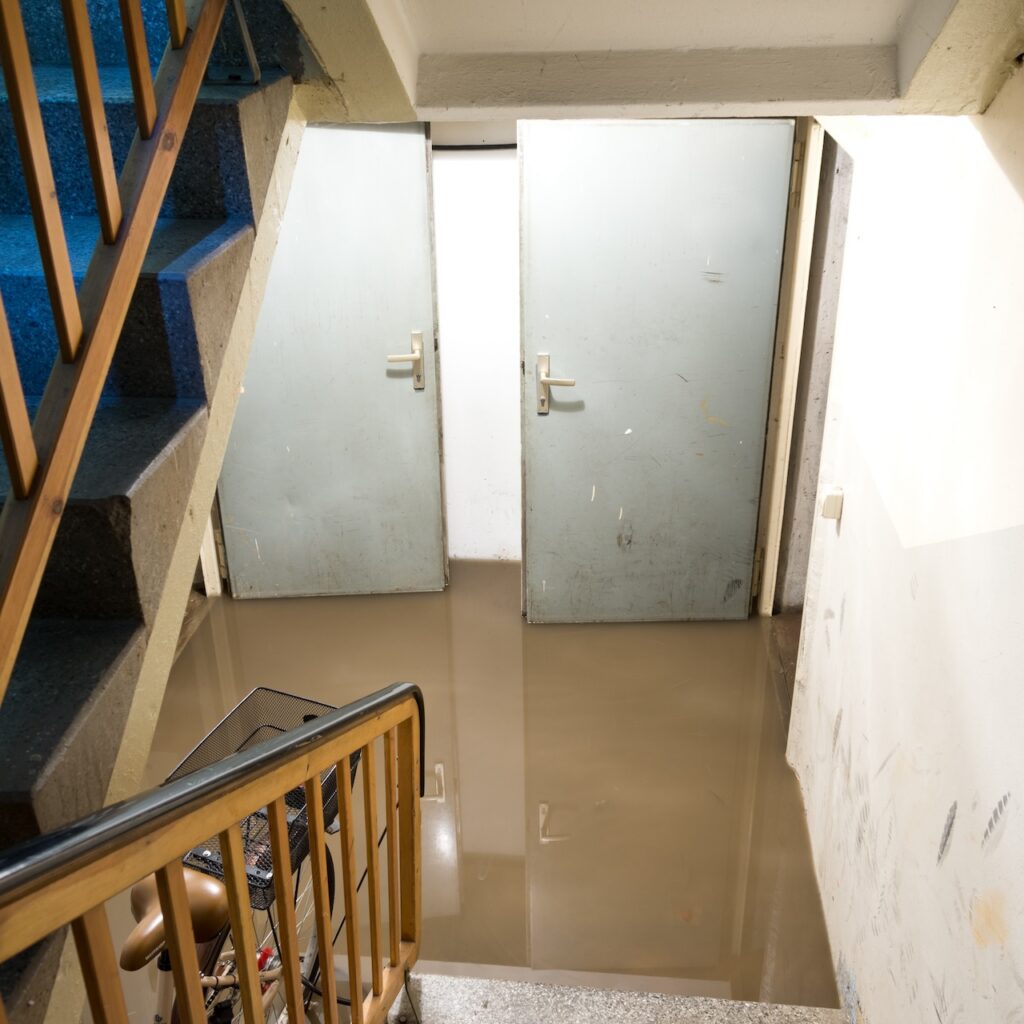
Basement flooding happens when rainwater, groundwater, or sewage enters the lowest level of a home. During heavy storms, the soil around your foundation can become saturated. When that happens, water pressure builds against basement walls and floors, making it easier for moisture to enter through cracks, gaps, drains, or weak points.
Some flooding problems are caused by poor exterior drainage. For example, clogged gutters or short downspouts can send large amounts of roof water directly toward the foundation. Other problems come from inside the home, such as a failed sump pump, clogged drain line, or sewer backup.
Understanding the source of the water is important because the right prevention method depends on how the water is entering the basement.
How to Prevent Basement Flooding During Heavy Rain
Learning how to prevent basement flooding during heavy rain starts with one goal: move water away from your home and remove any water that does reach the basement. The most effective prevention plan combines exterior drainage, waterproofing, sump pump maintenance, and regular inspections.
1. Keep Gutters and Downspouts Working Properly
Gutters are one of the first lines of defense against heavy rain basement flooding. When gutters are clogged with leaves, dirt, or roof debris, water can overflow and fall beside your home instead of draining away from it. Over time, that water can collect around the foundation and increase the risk of leaks.
Homeowners should clean gutters at least twice per year and inspect them before storm season. It is also important to make sure downspouts are firmly attached and directing water away from the foundation. Ideally, downspout extensions should carry water several feet away from the house, toward a safe drainage area where it will not flow back toward the basement.
This is a simple step, but it can make a major difference during long periods of heavy rain.
2. Maintain Your Sump Pump Before Storm Season
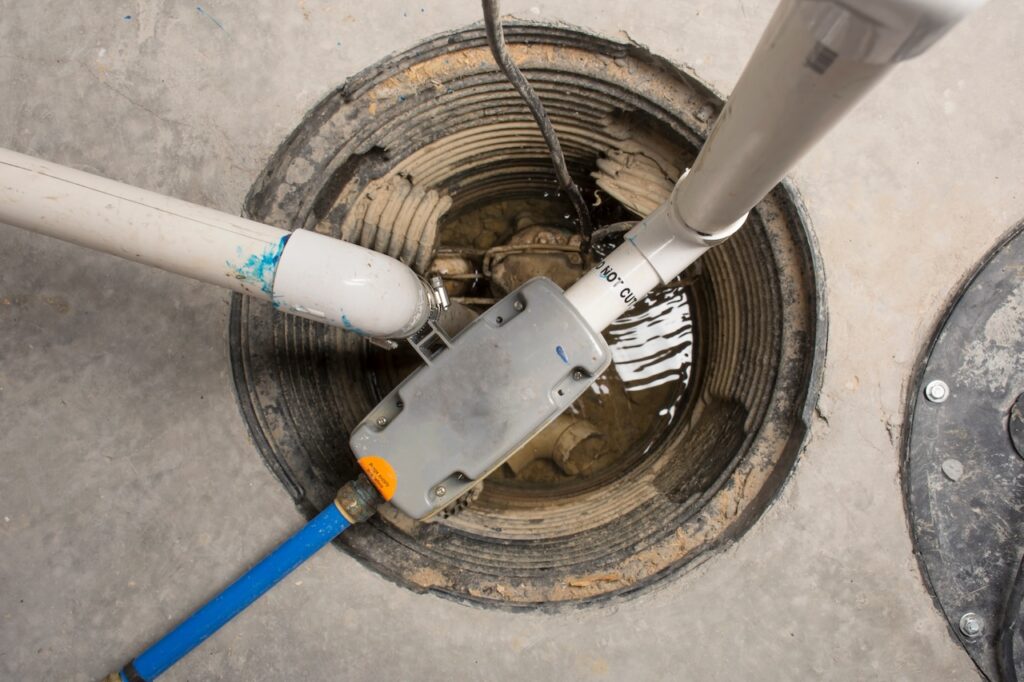
A sump pump removes excess water from the lowest point of your home.
A sump pump is designed to collect and remove water from the lowest part of your home. When it works properly, it can help prevent basement flooding by pumping water out before it rises above the sump pit.
However, sump pumps can fail if they are not maintained. The pump may become clogged, the float switch may stick, or the power may go out during a storm. That is why sump pump maintenance should be done before heavy rain is in the forecast.
Test the pump by pouring water into the sump pit and confirming that it turns on, pumps water out, and shuts off properly. Check the discharge line to make sure water is moving away from the home. If your basement depends heavily on a sump pump, a battery backup is strongly recommended because severe storms often cause power outages.
3. Seal Cracks and Gaps in Basement Walls
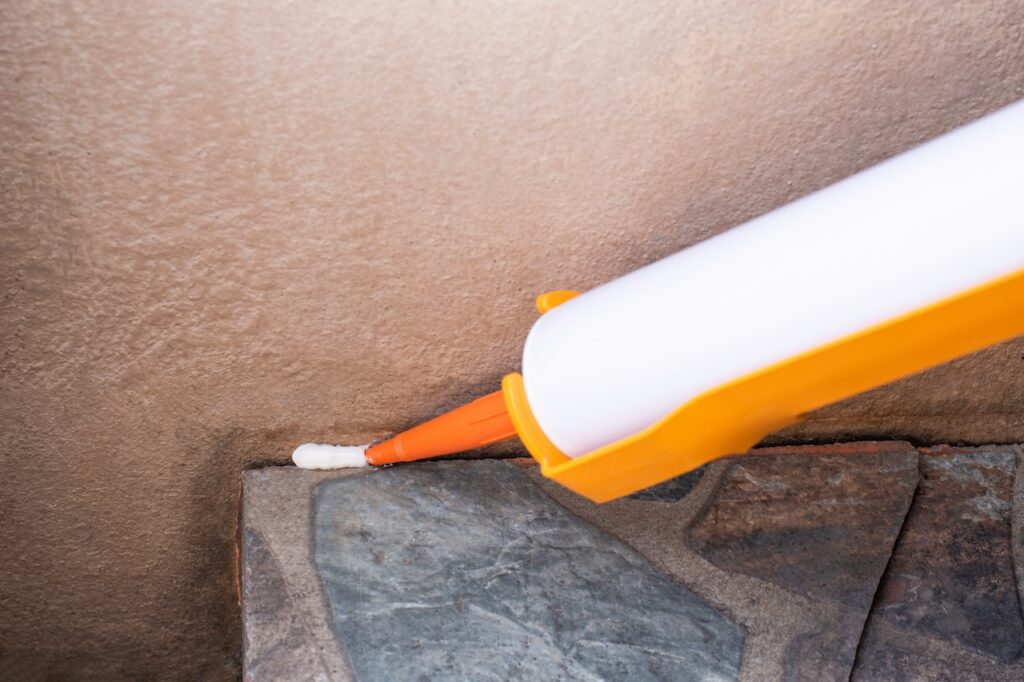
Seal any cracks or openings in your basement to prevent future flooding.
Even small cracks can allow water into your basement when the soil outside becomes saturated. This type of foundation water intrusion often appears as damp spots, water stains, peeling paint, or moisture along basement walls and floors.
Small non-structural cracks may be sealed with appropriate waterproof sealants, but recurring or widening cracks should be evaluated by a professional. Water entering around pipes, utility lines, or basement windows should also be addressed because these openings can become larger leak points during storms.
Sealing cracks does not replace proper drainage, but it helps reduce the number of ways water can enter your basement.
4. Improve Yard Grading and Drainage
The ground around your home should slope away from the foundation. If the yard slopes toward the house, rainwater can collect around basement walls and create pressure against the structure.
Poor grading is often easy to spot after a storm. If water pools near the foundation, mulch washes toward the house, or soil stays wet for long periods, drainage may need to be improved. Depending on the property, solutions may include regrading soil, adjusting landscaping, adding drainage swales, or installing a French drain.
For homes in Springfield, VA, where heavy storms can bring sudden rainfall, proper grading helps reduce the chance of basement water damage before water ever reaches the basement.
5. Consider a Backwater Valve for Sewer Backup Protection
Heavy rain can overwhelm public sewer systems and cause wastewater to flow backward into homes through floor drains, toilets, sinks, or basement plumbing fixtures. A backwater valve helps stop sewage from backing up into the basement.
This is especially important for homes with basement bathrooms, laundry areas, floor drains, or a history of sewer backup. Because installation depends on the home’s plumbing layout, homeowners should consult a licensed plumbing professional to determine whether a backwater valve is appropriate.
Sewer backup can create both water damage and contamination concerns, so prevention is much safer than cleanup.
Basement Flooding Prevention Comparison Table
| Prevention Method | What It Helps Prevent | Why It Matters |
|---|---|---|
| Gutter cleaning | Water pooling near the foundation | Keeps roof runoff from draining beside basement walls |
| Downspout extensions | Foundation leaks | Moves stormwater farther away from the home |
| Sump pump testing | Interior basement flooding | Confirms water can be pumped out during storms |
| Crack sealing | Water intrusion through walls or floors | Reduces entry points for moisture |
| Yard grading | Soil saturation near the home | Helps rainwater flow away from the foundation |
| Backwater valve | Sewer backup | Helps prevent contaminated water from entering the basement |
Signs Your Basement May Be at Risk
A basement does not have to be fully flooded to show warning signs. Damp smells, wall stains, peeling paint, soft drywall, rust, or visible mold can all point to moisture problems. If these signs appear after heavy rain, water may already be entering through cracks, drains, windows, or foundation gaps.
Homeowners should inspect the basement after major storms, especially around corners, floor drains, utility penetrations, and exterior-facing walls. Early action can prevent minor moisture problems from turning into mold growth, damaged flooring, or structural repairs.
What to Do If Your Basement Floods
If water enters your basement, avoid walking into standing water until you know it is safe. Electrical hazards are a serious concern, especially if outlets, appliances, or extension cords are near the water.
Once the area is safe, document the damage with photos and move dry belongings out of the affected area. Wet carpet, drywall, insulation, and stored items can hold moisture and create mold risk if they are not dried properly. For significant flooding, professional drying and cleanup are recommended.
PuroClean provides water damage restoration Springfield VA services to help homeowners remove water, dry affected materials, address moisture concerns, and restore damaged areas after storm-related flooding.
FAQs About Basement Flooding During Heavy Rain
How do I stop my basement from flooding when it rains?
Start by moving water away from your home. Clean gutters, extend downspouts, test your sump pump, seal visible cracks, and make sure the yard slopes away from the foundation. These steps reduce water pressure around the basement and lower the risk of flooding.
Why does my basement flood during heavy rain?
Your basement may flood because water is collecting around the foundation, entering through cracks, or backing up through drains. Heavy rain can also overwhelm sump pumps or sewer systems. The source of the water should be identified before choosing the right repair.
Can a sump pump prevent basement flooding?
A working sump pump can help prevent flooding by removing water before it rises into the basement. However, it must be tested and maintained regularly. A battery backup is also important because storms can cause power outages.
What are the early signs of basement water damage?
Common signs include musty odors, damp walls, water stains, peeling paint, mold growth, soft drywall, and wet flooring. These warning signs should be addressed quickly because moisture can spread behind walls and under flooring.
When should I call a restoration company?
Call a restoration company if water enters the basement, materials remain wet, mold appears, or the source of moisture is unclear. Professional drying can help prevent hidden moisture, odors, mold growth, and additional property damage.
Protect Your Springfield, VA Home From Basement Flooding
Knowing how to prevent basement flooding during heavy rain can help you protect your home before the next storm arrives. Preventive maintenance, proper drainage, and early repairs are much easier than dealing with flooded flooring, damaged walls, and mold concerns.
If your basement has flooded or you are dealing with storm-related water damage, contact PuroClean in Springfield, VA at (703) 334-0410. Our team can help with water removal, structural drying, cleanup, and restoration after basement flooding.
Key Takeaways
- For water damage restoration Springfield VA, contact PuroClean at (703) 334-0410.
- Basement flooding during heavy rain usually happens when water collects around the foundation or enters through drains, cracks, or sump pump failures.
- Clean gutters and extended downspouts help move stormwater away from your home before it reaches the basement.
- Regular sump pump maintenance helps ensure your pump works when heavy storms arrive.
- Sealing cracks and gaps can reduce foundation water intrusion, especially during long periods of rain.
- Proper yard grading helps prevent water from pooling beside basement walls.
- A backwater valve may help protect homes at risk of sewer backup.
Read more about this topic: