


Table of Contents
Mold in rental properties is a serious issue that affects health, safety, and property value. In humid regions like Springfield, VA, where moisture buildup is common, both tenants and landlords must understand who is responsible for mold removal—and how to prevent it in the first place.
This guide from PuroClean of Springfield explains the causes of mold in rental units, outlines Virginia’s legal responsibilities, and offers actionable steps for effective mold remediation.
Understanding Mold and Why It’s a Serious Issue

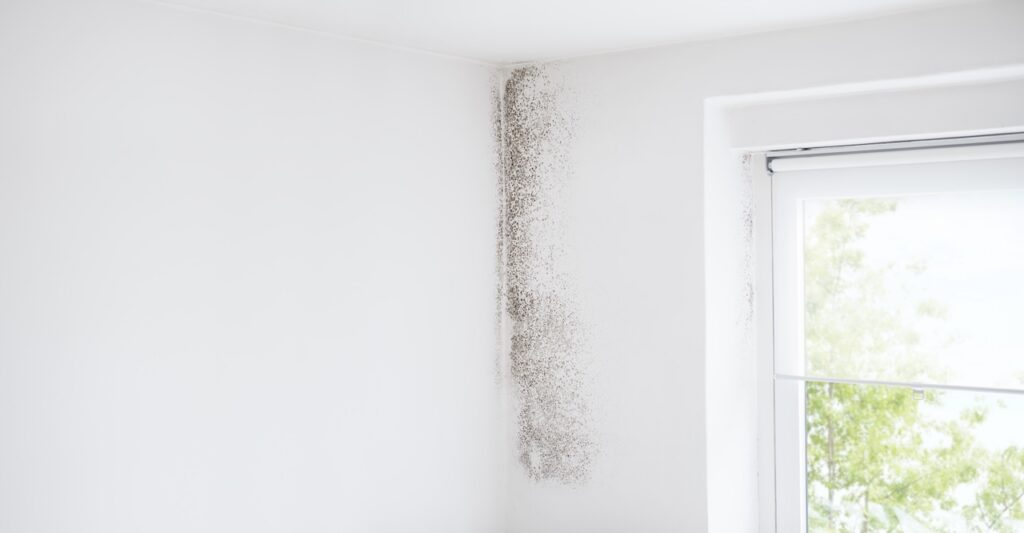
Mold isn’t just an eyesore; it can also pose serious health risks.
Mold isn’t just a cosmetic nuisance—it’s a health hazard. According to the U.S. Environmental Protection Agency (EPA), indoor mold exposure can lead to coughing, skin irritation, asthma flare-ups, and in severe cases, chronic respiratory issues.
In Springfield’s humid climate, spores can thrive in as little as 24 to 48 hours after water damage. That’s why both parties must act fast.
Common places where mold develops include:
- Bathrooms and kitchens: These are the most moisture-prone areas due to constant water use, steam, and humidity. Without proper ventilation, mold often forms around tubs, sinks, and tile grout.
- Under sinks or behind appliances: Hidden leaks in plumbing or condensation from refrigerators and dishwashers can create damp, enclosed spaces—perfect conditions for mold growth.
- Around HVAC vents: Mold can develop in air ducts, vents, or filters when condensation builds up inside the system, spreading spores throughout the property.
- Window sills and basements: Poor insulation and limited airflow cause condensation on windows, while basements often trap moisture due to inadequate waterproofing or drainage.
If left untreated, mold can damage drywall, flooring, insulation, and even your home’s structure—costing thousands in repairs.
Virginia Law on Mold in Rental Properties
The Virginia Residential Landlord and Tenant Act (VRLTA) provides clear guidance on property maintenance and mold remediation responsibilities. Understanding these rules helps both tenants and landlords in Springfield, VA, avoid disputes and protect their health and property.
Landlord Responsibilities
Under the VRLTA, landlords must ensure rental properties are safe, habitable, and free from conditions that promote mold. This includes the following:
- Maintain rental units that meet health and safety standards: Landlords are legally obligated to provide a livable environment, which means addressing issues such as leaks, damp basements, and poor ventilation that could contribute to mold growth.
- Repair leaks, plumbing issues, or roof problems promptly: Even small leaks can lead to widespread mold if ignored. Landlords should perform regular maintenance checks and fix water-related issues as soon as they’re reported.
- Respond to tenant reports of mold within a reasonable timeframe: Once notified, landlords must take swift action to inspect and, if necessary, remediate mold before it spreads or worsens. Delayed responses can result in liability or health code violations.
- Provide written disclosure of any known mold before signing a lease: Virginia law requires landlords to inform new tenants of existing or previous mold problems. This disclosure ensures transparency and protects both parties from future claims.
If a landlord fails to address mold in a timely or adequate manner, tenants may have legal options under the VRLTA, including withholding rent, requesting repairs, or terminating the lease after proper notice and documentation.
Tenant Responsibilities
Tenants also play a crucial role in preventing mold. Under Virginia law, they must take reasonable steps to maintain cleanliness and prevent moisture buildup within their rented unit.
- Keep their living areas clean and dry: Routine cleaning and wiping moisture-prone areas—such as bathrooms, kitchens, and window sills—can prevent mold from developing on surfaces and walls.
- Use ventilation fans and dehumidifiers when needed: Proper airflow reduces humidity and condensation. Tenants should use exhaust fans while showering or cooking and consider portable dehumidifiers, especially during Springfield’s humid summer months.
- Promptly report leaks, condensation, or visible mold to the landlord: Early reporting is essential to prevent small moisture issues from turning into full-scale mold infestations. Tenants should always document and communicate concerns in writing.
- Avoid actions that promote mold, like drying clothes indoors or blocking airflow: Mold thrives in stagnant, damp air. Tenants should keep furniture a few inches from walls and avoid overstuffing closets to allow for ventilation.
If the tenant’s negligence leads to mold growth—for example, by failing to report a leak or ignoring visible signs of mold—they may be held financially responsible for cleanup costs and property damage.t causes mold growth, they may be responsible for cleanup costs and potential property damage.
Steps to Take When Mold Is Discovered

Whether you’re a tenant or a landlord, it’s crucial to act quickly when mold is detected.
Whether you rent or own, mold requires immediate action. Follow these steps to minimize damage and prevent health risks.
- Assess the Mold Problem. Check the size, color, and smell. Small patches may indicate surface mold, while widespread or musty odors suggest hidden moisture.
- Document the Damage. Take photos and videos of affected areas. Note any water leaks, condensation, or stains. This documentation helps with insurance claims and legal protection.
- Notify the Other Party. Tenants should report the issue in writing to the landlord. Landlords should acknowledge receipt and schedule an inspection within a few days.
- Hire a Professional Mold Inspection. Professional assessment ensures accurate identification of mold type and moisture source. DIY test kits are unreliable and may miss hidden growth.
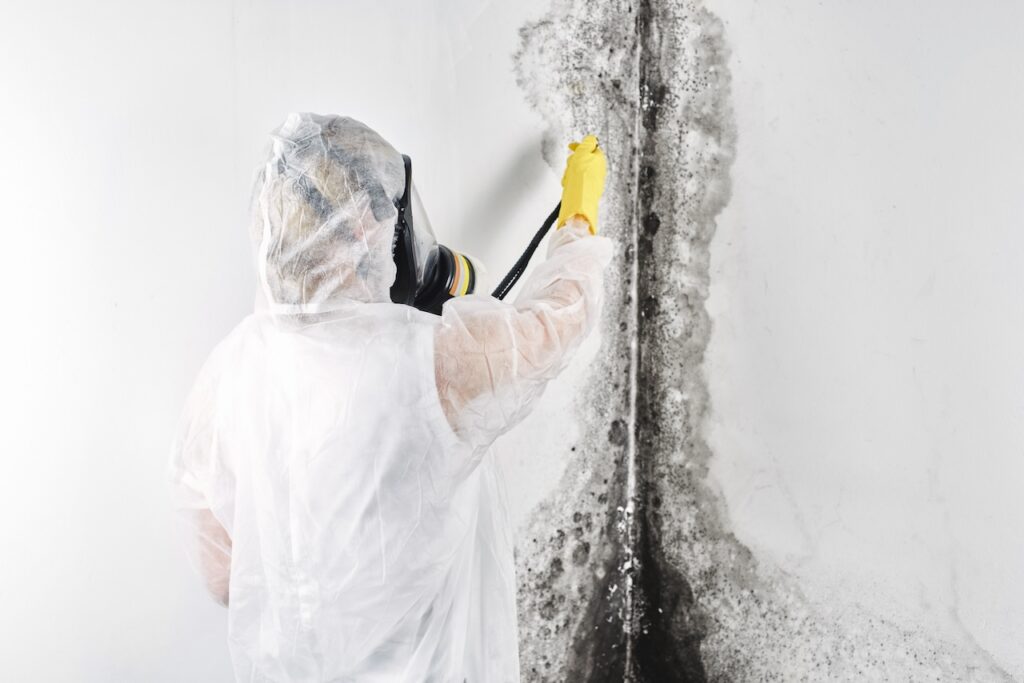
- Begin Mold Remediation. A certified company like PuroClean of Springfield uses advanced containment, HEPA filtration, and antimicrobial treatments to safely remove mold.
- Fix the Source of Moisture. After remediation, fix the root cause—whether it’s a leaky pipe, poor insulation, or condensation buildup. Without solving the underlying issue, mold will likely return.
Mold Disclosure and Legal Protections in Virginia
Virginia requires transparency between landlords and tenants:
- Disclosure Requirement: Before renting a property, landlords must inform tenants in writing if mold is present or was previously detected. They should also note any cleanup or preventive measures taken. Failing to disclose known mold can lead to disputes or penalties.
- Repair and Deduct: If a landlord ignores a tenant’s written notice about mold, tenants may arrange professional remediation—for example, through PuroClean of Springfield—and deduct the cost from rent. Proper documentation is required to stay compliant with Virginia law.
- Lease Termination: If mold is severe enough to make a unit unsafe or unlivable, tenants may have grounds to end the lease early under the VRLTA. This typically applies when the contamination is extensive or not promptly addressed.
For detailed legal guidance, consult:
For professional mold remediation services, trust PuroClean of Springfield to get the job done right.
Final Thoughts
Mold in rental properties can quickly escalate from a small issue to a major problem. In Springfield, VA’s humid environment, it’s crucial for both tenants and landlords to act fast, understand their legal responsibilities, and rely on professional help when needed.
With PuroClean of Springfield, you get trusted, local experts ready to restore your home’s safety and comfort. Call (703) 334-0410 or visit our website to schedule your inspection today.
FAQ About Mold in Rental Properties
1. Can tenants in Virginia withhold rent for mold?
Yes, but only after written notice to the landlord and allowing reasonable time for repairs. Consult the VRLTA for proper procedures.
2. How long does mold remediation take?
Typically 1–5 days, depending on the extent of the damage and the size of the affected area.
3. Is mold testing required before removal?
Not always. Professionals often identify mold visually and through moisture detection tools, saving time and cost.
4. Will renters insurance cover mold damage?
Coverage depends on the cause. Mold from sudden leaks may be covered, but not from long-term neglect.
5. Does black mold require special treatment?
Yes. Toxic black mold (Stachybotrys chartarum) requires professional removal using specialized containment and air filtration.
Summary
- Mold in rental properties is common in humid Springfield, VA.
- Responsibility depends on the cause—landlords handle structural issues; tenants handle neglect-related mold.
- Virginia law (VRLTA) defines duties and tenant rights.
- Act quickly: document, report, and hire professionals like PuroClean.
- Prevention and maintenance are key to avoiding future mold problems.
Read more about this topic: