


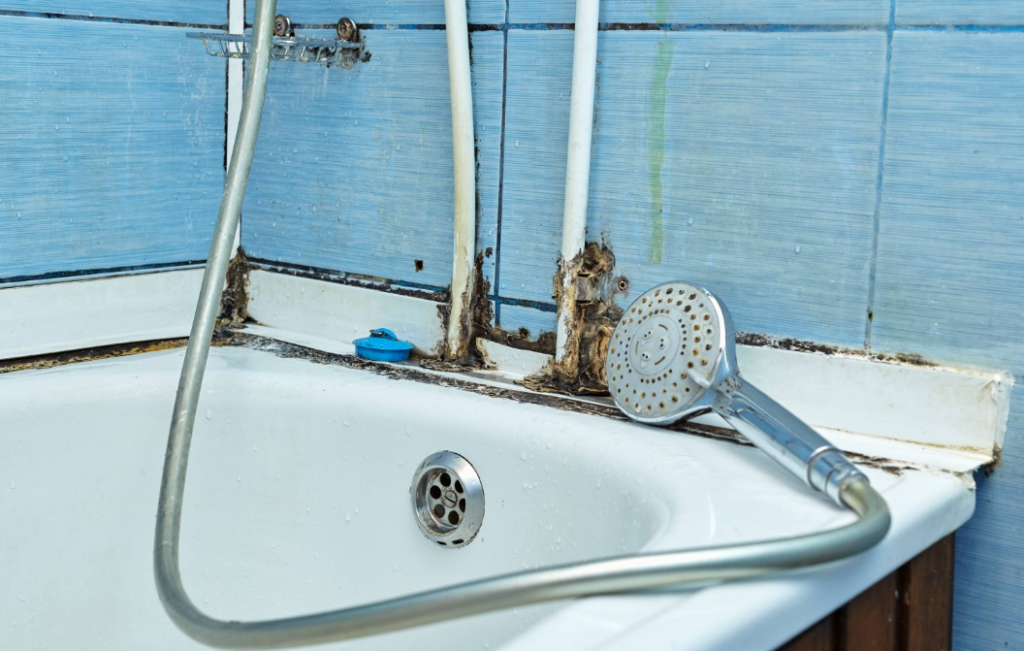
How to Remove Mildew From Bathroom Walls
Is your bathroom starting to show signs of mildew on the walls? You’re not alone. Mildew is a common problem in bathrooms due to the high humidity and moisture levels. It not only looks unsightly but can also pose health risks if left untreated. Luckily, removing mildew doesn’t have to be a daunting task. With the right tools and techniques, you can restore your bathroom walls to their former glory and keep mildew at bay.
In this guide, we’ll walk you through the step-by-step process of eliminating mildew from your bathroom walls and offer tips on preventing it from coming back. Let’s get started on transforming your bathroom into a clean, mildew-free haven!
Why Does Mold or Mildew Grow in Bathrooms?
Mold and mildew are common issues in bathrooms, and understanding why they grow can help you prevent their occurrence. Here are the main reasons:
- High Humidity
Bathrooms are naturally humid environments due to frequent use of showers, baths, and sinks. Mold and mildew thrive in damp conditions, making bathrooms a prime location for their growth. - Poor Ventilation
Inadequate ventilation exacerbates humidity problems. Without proper airflow, moisture lingers on surfaces, providing an ideal breeding ground for mold and mildew. Bathrooms without windows or exhaust fans are particularly susceptible. - Warm Temperatures
Mold and mildew prefer warm environments. Bathrooms, often kept warm for comfort, provide the perfect temperature range for these fungi to grow rapidly. - Organic Materials
Mold and mildew feed on organic materials, which are often found in bathrooms. Soap scum, body oils, and residues on walls, curtains, and tiles offer a nutritious feast for these unwanted guests. - Standing Water
Water can accumulate on various surfaces in the bathroom, such as floors, walls, and around sinks. Puddles and persistent damp spots contribute to mold and mildew growth.
Is mold on bathroom walls dangerous?
Mold on bathroom walls is not just an unsightly nuisance; it can also pose serious health risks and structural issues. Here’s a closer look at why mold in your bathroom should be addressed promptly:
Health Risks
- Respiratory Issues: Mold spores can become airborne and be inhaled, leading to respiratory problems. Symptoms can include coughing, sneezing, and throat irritation.
- Allergic Reactions: Mold can trigger allergic reactions in sensitive individuals. Symptoms might include nasal congestion, skin rashes, and itchy eyes.
- Asthma Aggravation: For those with asthma, mold exposure can exacerbate symptoms, leading to more frequent and severe asthma attacks.
- Toxic Mold: Certain types of mold, such as Stachybotrys chartarum (black mold), produce mycotoxins that can cause more severe health problems, including chronic fatigue, headaches, and neurological issues.
If mold growth is extensive or poses health concerns, it’s advisable to seek professional help for safe and effective removal. Taking these precautions can help keep your bathroom mold-free and safeguard your health and home.
Mold Removal Service in New York
Our technicians are trained to use proper protocols to carry out mold removal and remediation service and we will reduce the risk of disease or infection with thorough cleaning and disinfection. Make sure you give us a call as soon as you notice a mold problem in Staten Island New York at (347) 501-6155.
How to remove mildew from bathroom walls naturally
Removing mildew from bathroom walls can be done effectively using natural ingredients that are safe for both your health and the environment. Here’s a step-by-step guide to help you tackle mildew naturally:
Materials Needed
- White vinegar
- Baking soda
- Hydrogen peroxide
- Tea tree oil
- Spray bottles
- Scrub brush or sponge
- Microfiber cloths
- Gloves
Step-by-Step Instructions
Preparation
Ventilation: Ensure the bathroom is well-ventilated by opening windows or turning on the exhaust fan.
Protective Gear: Wear gloves to protect your hands from prolonged exposure to cleaning solutions.
Vinegar Solution
Mix: Fill a spray bottle with white vinegar. Vinegar is a natural disinfectant and can effectively kill mold and mildew.
Spray: Generously spray the vinegar onto the affected areas of the walls.
Wait: Let the vinegar sit for at least an hour to penetrate and kill the mildew.
Scrub: Use a scrub brush or sponge to scrub the walls and remove the mildew.
Rinse: Wipe the area with a damp microfiber cloth to remove any residue.
Baking Soda Paste
Mix: Combine baking soda with a small amount of water to form a thick paste.
Apply: Apply the baking soda paste to stubborn mildew spots.
Scrub: Use a scrub brush or sponge to scrub the paste into the mildew.
Rinse: Wipe the area with a damp microfiber cloth to remove the baking soda paste and mildew residue.
Hydrogen Peroxide Solution
Mix: Pour 3% hydrogen peroxide into a spray bottle. Hydrogen peroxide is a natural bleaching agent and disinfectant.
Spray: Spray the hydrogen peroxide onto the mildew-affected areas.
Wait: Let it sit for about 10 minutes.
Scrub: Scrub the walls with a brush or sponge to remove the mildew.
Rinse: Wipe the area with a damp microfiber cloth.
Tea Tree Oil Solution
Mix: Combine 1 teaspoon of tea tree oil with 1 cup of water in a spray bottle. Tea tree oil has antifungal properties that can kill mildew.
Spray: Spray the solution onto the mildew-affected areas.
Wait: Allow it to sit for a few hours, or preferably overnight.
Wipe: Wipe the area with a damp cloth. There’s no need to rinse off the tea tree oil solution as it continues to kill mildew.
Removing mildew from bathroom walls naturally is not only effective but also safe for your home and the environment. By using ingredients like white vinegar, baking soda, hydrogen peroxide, and tea tree oil, you can tackle mildew without the need for harsh chemicals. Remember, the key to keeping mildew at bay is regular cleaning, good ventilation, and prompt attention to any moisture issues. With these natural solutions and preventive measures, your bathroom can remain a clean, healthy space.