


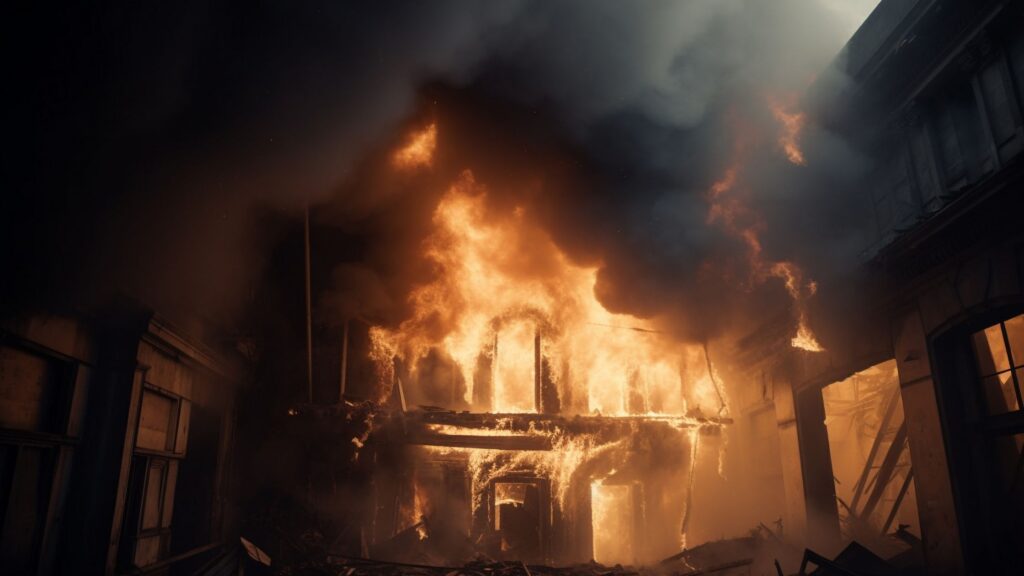
In the face of a fire, the aftermath can be devastating. Beyond the immediate destruction, the lingering effects permeate both physical structures and emotional well-being. It’s a tumultuous time, filled with uncertainty and the pressing need for swift action. Amidst the chaos, understanding the intricate steps of an emergency fire restoration process can provide a beacon of hope and clarity.
In this blog post, we embark on a journey through the intricate layers of fire restoration. From the initial assessment to the meticulous restoration efforts, we delve deep into the process, shedding light on the expertise and dedication required to rebuild amidst the ashes. So, let’s unravel the mysteries and discover the transformative journey that unfolds during an emergency fire restoration process.
What is An Emergency Fire Restoration ?
An emergency fire restoration refers to the comprehensive process of repairing and restoring property damage caused by a fire. It encompasses a series of crucial steps aimed at mitigating further damage, salvaging belongings, and ultimately restoring the affected property to its pre-fire condition as much as possible.
When a fire strikes, its destructive force can extend far beyond the flames themselves. Smoke, soot, and water damage often accompany the blaze, leaving behind a trail of devastation. An emergency fire restoration team is tasked with addressing these various aspects of damage promptly and effectively.
The process typically begins with an initial assessment of the extent of the damage. This evaluation helps determine the necessary steps and resources needed to restore the property. Next, immediate measures are taken to secure the property and prevent further damage, such as boarding up windows and doors or tarping the roof.
Once the scene is stabilized, the restoration team focuses on cleaning up the debris, soot, and smoke residues left behind by the fire. Specialized equipment and techniques are employed to remove contaminants and odors, restoring a safe and livable environment.
Simultaneously, efforts are made to salvage and restore any salvageable belongings or structural elements. This may involve cleaning, repairing, or replacing damaged items, such as furniture, appliances, and building materials.
Throughout the entire process, communication and coordination with the property owner and insurance company are paramount. Transparent communication ensures that all parties are informed of the progress and any challenges encountered along the way.
Ultimately, an emergency fire restoration aims to not only repair the physical damage but also provide a sense of hope and renewal to those affected by the fire. It’s a complex and multifaceted endeavor that requires expertise, dedication, and compassion to guide property owners through the journey of recovery and restoration.
What does a fire restoration company do?
A fire restoration company specializes in repairing and restoring property damage caused by fires. Their services typically include:
- Conducting an initial assessment of the damage.
- Securing the property to prevent further damage.
- Removing debris, soot, and smoke residues.
- Cleaning and sanitizing affected areas and belongings.
- Repairing or replacing damaged structural elements.
- Restoring the property to its pre-fire condition as much as possible.
- Coordinating with insurance companies and property owners throughout the process.
What Happens During An Emergency Fire Restoration Process?
During an emergency fire restoration process, several key steps are typically undertaken to address the damage caused by the fire and restore the property to a habitable and safe condition. These steps may include:
1. Initial Assessment:
The restoration team assesses the extent of the damage to determine the scope of work required. This assessment helps create a plan of action for restoration efforts.
2. Securing the Property:
Before restoration work can begin, the property is secured to prevent further damage or unauthorized access. This may involve boarding up windows, doors, and securing the roof if necessary.
3. Water Removal and Drying:
If water was used to extinguish the fire, the restoration team will remove standing water and thoroughly dry affected areas to prevent mold growth and further structural damage.
4. Smoke and Soot Removal:
Smoke and soot residues are pervasive and can cause lingering odors and damage if not properly addressed. Specialized equipment and techniques are used to clean and remove smoke and soot residues from surfaces, furnishings, and belongings.
5. Cleaning and Sanitizing:
All affected surfaces, including walls, ceilings, floors, and personal belongings, are thoroughly cleaned and sanitized to remove any remaining contaminants and ensure a safe living environment.
6. Structural Repair and Reconstruction:
Damaged structural elements are repaired or replaced as necessary. This may involve rebuilding walls, replacing flooring, or repairing damaged roofing materials to restore the structural integrity of the property.
7. Odor Removal:
Lingering smoke odors are addressed using specialized deodorization techniques, such as ozone treatments, thermal fogging, or air scrubbing, to eliminate odors and improve indoor air quality.
8. Content Restoration:
Personal belongings and furnishings that were affected by the fire are carefully cleaned, restored, and returned to their pre-loss condition whenever possible.
9. Final Inspection:
Once the restoration work is complete, a final inspection is conducted to ensure that all damage has been properly addressed, and the property meets safety and cleanliness standards.
10. Communication and Documentation:
Throughout the restoration process, clear communication is maintained with the property owner and insurance company to provide updates on progress and address any concerns. Detailed documentation of the restoration process and costs is also provided for insurance purposes.
Can you DIY Fire Restoration?
While some minor cleaning and restoration tasks may be possible to do yourself, such as cleaning smoke residues from walls or furniture, DIY fire restoration is generally not recommended. Fire restoration involves complex processes and specialized equipment that require expertise to ensure thorough and safe restoration. Attempting to DIY fire restoration could result in incomplete restoration, further damage to the property, or even safety hazards.
Emergency fire restoration cost
The cost of emergency fire restoration can vary widely depending on factors such as the extent of the damage, the size of the property, the severity of the fire, and the specific services required. On average, the cost of fire restoration can range from several thousand to tens of thousands of dollars. It’s essential to consult with a fire restoration company for a thorough assessment and cost estimate tailored to your specific situation.
Fire restoration checklist
A fire restoration checklist typically includes the following steps:
- Secure the property and ensure safety.
- Document the damage for insurance purposes.
- Conduct an initial assessment of the damage.
- Remove debris, soot, and smoke residues.
- Clean and sanitize affected areas and belongings.
- Repair or replace damaged structural elements.
- Address water damage from firefighting efforts.
- Restore the property to its pre-fire condition as much as possible.
- Communicate and coordinate with insurance companies and property owners throughout the process.
Best Emergency fire restoration in New York
For the Best emergency fire restoration service, Call Puroclean of Bullshead on 347-501-6155.
In conclusion, when faced with the aftermath of a fire, the expertise and assistance of a professional fire restoration company are invaluable. From securing the property to meticulously restoring every aspect affected by the blaze, these specialists guide property owners through the daunting journey of recovery.
While DIY fire restoration may seem tempting, the complexity of the process underscores the importance of entrusting the task to trained professionals. Though the cost of emergency fire restoration can be significant, it pales in comparison to the peace of mind and restored sense of normalcy it brings to those affected. With a thorough understanding of the fire restoration process and a dedicated team by your side, hope rises from the ashes, paving the way for renewal and restoration.