


9 Quick Tips for Mold Clean Up Tacoma Residents Often Overlook
It’s unofficial—May is Mold Cleanup Tacoma season! Pierce County’s rainy spring weather is great for gardens—but not for keeping homes mold-free. The constant moisture in the air, paired with fluctuating indoor temperatures, creates an ideal environment for mold to thrive. While Tacoma residents enjoy lush greenery outside, many unknowingly invite mold to take root inside their homes—especially in places that are poorly ventilated or prone to hidden moisture. Mold can start growing in as little as 24–48 hours, and even the most vigilant homeowner may not notice the signs until it becomes a serious issue.
From musty smells to structural damage and health complications like respiratory issues, mold poses risks that go beyond surface-level inconvenience. Mold clean up Tacoma residents face every spring should start with one thing: awareness. Knowing where mold likes to hide is the first line of defense.
Below are nine frequently overlooked areas where mold can grow, even in clean, well-maintained homes:
1. Attics with Poor Ventilation
Warm air rises, and in many Tacoma homes, it gets trapped in poorly ventilated attics. Combine that with a small roof leak or lingering condensation from temperature changes, and you have a breeding ground for mold. Insulation can absorb moisture, while the wooden rafters offer organic material for spores to feed on. If your attic doesn’t have consistent airflow, it’s worth inspecting regularly—especially after heavy rains.
2. Behind Kitchen Appliances
Mold doesn’t just grow in bathrooms—it can thrive behind dishwashers, refrigerators, and even stoves. These areas are prone to steam buildup, minor leaks, or spills that never get cleaned because they’re out of sight. Over time, moisture gets trapped between the appliance and the wall, and mold can begin to form unnoticed until the smell or damage becomes obvious.
3. Inside Window Tracks and Frames
Tacoma’s cold nights and damp mornings often lead to interior window condensation. The tracks and seals are prime real estate for mold spores, especially if the windows are older or poorly sealed. Dust and organic debris trapped in the tracks offer a food source, and daily moisture keeps it thriving. Regularly wiping down and airing out your windows can help prevent growth.
4. Basement Corners and Sump Pump Areas
Even if your basement feels dry, the humidity levels in the Pacific Northwest can cause hidden moisture to collect in corners or behind storage items. Sump pumps—while crucial for drainage—can sometimes create microclimates of humidity and residual dampness. These low-traffic zones are easy to forget and often have limited airflow, which lets mold flourish undisturbed.
5. Under Bathroom Sink Cabinets
A tiny drip from a supply line or trap under the sink might go unnoticed for months if the cabinet is full of stored items. Add to that the naturally humid conditions in most bathrooms, and you’ve got a mold hotspot. Tacoma residents should make it a habit to empty and inspect under-sink areas regularly, especially during rainy seasons when condensation increases.
6. On HVAC Coils and Inside Ductwork
Your home’s heating and cooling system might be spreading more than just air. Mold can grow on evaporator coils where condensation collects, and spores can spread throughout the ductwork. If left uncleaned, these systems can circulate mold-contaminated air into every room, triggering allergies and worsening indoor air quality. Professional duct cleaning and regular HVAC maintenance are crucial preventative steps.
7. In Washing Machine Seals and Dispensers
Front-loading washers, especially older or high-efficiency models, often retain water around the rubber door seal. That stale, musty smell? It’s usually a sign of mold buildup. Tacoma’s high humidity can worsen this issue, especially in laundry rooms without adequate airflow. Wipe down seals after each load and leave the door open to prevent trapped moisture.
8. Behind Wallpaper, Wall Art, and Furniture
Moisture can build up behind furniture pressed against exterior walls, or behind wallpaper and canvas artwork that prevent airflow. These spaces trap humidity, especially if the walls aren’t properly insulated or sealed. In some cases, mold can be growing for years before visual signs appear. When moving or redecorating, take the opportunity to inspect behind heavy pieces or coverings.
9. Inside Crawlspaces or Insulation Cavities
Tacoma homes often have crawlspaces or wall cavities with insulation that can hold moisture for long periods. These dark, confined areas are rarely inspected but can harbor mold from foundation leaks, plumbing drips, or even just seasonal humidity. Since these are hard to access, many homeowners don’t realize there’s a problem until they experience health symptoms or smell something musty.
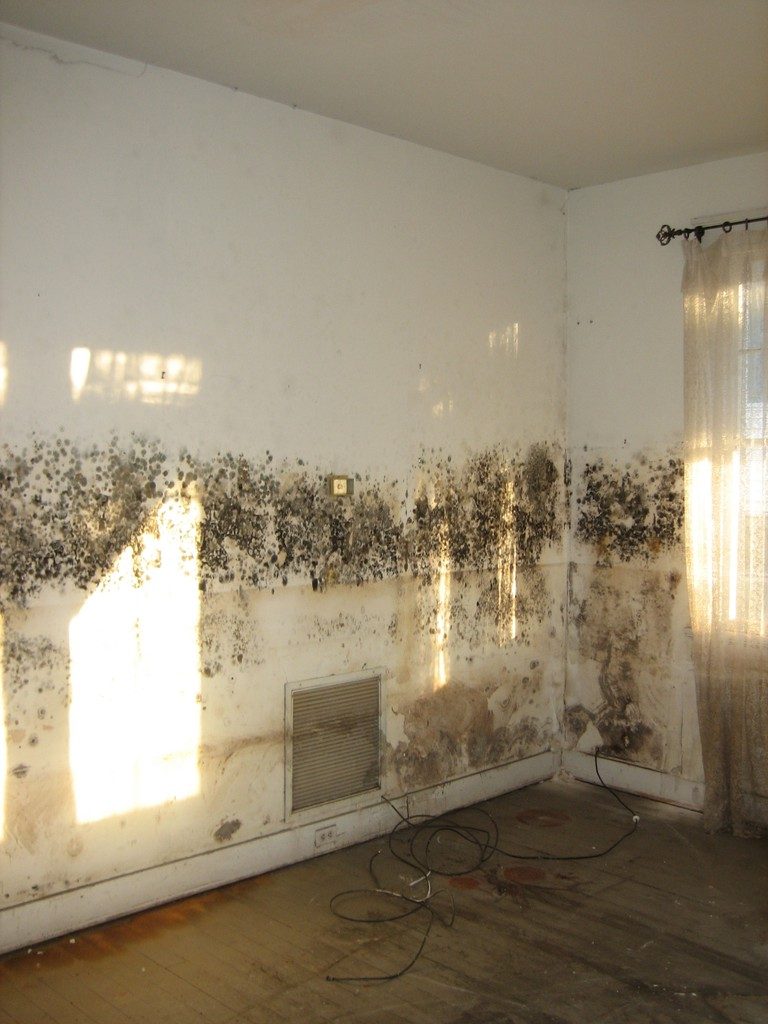
If any of these spots sound familiar, don’t wait for visible mold to take hold. Mold clean up Tacoma homes need isn’t just about what you can see—it’s about what you can’t. PuroClean Tacoma East provides thorough mold inspections and expert remediation to eliminate mold at its source. Their certified team uses advanced moisture detection tools and EPA-approved treatments to restore healthy air quality and prevent recurrence. Whether you suspect hidden growth or are recovering from water damage, contact PuroClean for mold clean up Tacoma residents can trust. Schedule a professional inspection today and protect your family’s health and your home’s structure all year round.