


Tucson’s monsoon season is both a welcome reprieve from the heat and a potential cause of concern for homeowners. While the rains bring much-needed moisture, they also create the perfect environment for mold growth if your home isn’t properly prepared. In this blog we will talk about how to prevent mold growth after storms. Mold thrives in damp, humid conditions, and during monsoon season, the combination of high humidity and sudden downpours can easily lead to water damage and mold issues.
As the season approaches, it’s essential to take proactive steps to safeguard your home and avoid costly repairs down the line. At PuroClean of Northeast Tucson, we specialize in mold remediation and water damage restoration, so we’ve gathered expert tips to help you prepare your home and respond quickly if mold starts to develop.
Why Monsoon Season Poses a Mold Risk
Monsoon season in Tucson typically runs from mid-June to late September. During this time, heavy rains, combined with warm temperatures, create an environment where moisture can accumulate in and around homes. Water from flash floods, leaky roofs, or poor drainage can seep into walls, floors, and crawl spaces. If this moisture is not addressed within 24-48 hours, it can lead to mold growth, which can cause health issues and structural damage to your property.
How to Prevent Mold Growth After the Storms
To prevent mold growth during and after Tucson’s monsoon season, it’s critical to make preparations before the first storm hits. Here are some effective steps you can take:
1. Inspect and Repair Your Roof
One of the most common entry points for water during heavy rains is a damaged roof. Check for missing, cracked, or loose shingles and address any damage immediately. Make sure all roof penetrations, such as skylights and vents, are sealed properly. If your roof is older, consider having a professional inspect it to ensure it can handle the coming storms.
2. Clean Your Gutters and Downspouts
Blocked gutters and downspouts can cause rainwater to pool on your roof or near your foundation, increasing the risk of water infiltration and mold growth. Before monsoon season, clean out any debris and ensure your downspouts direct water away from your home’s foundation. You may also want to install gutter guards to reduce the buildup of leaves and dirt.
3. Check Windows and Doors for Leaks
Water can easily seep through poorly sealed windows and doors. Inspect the caulking and weatherstripping around these areas to ensure they’re watertight. If you notice any gaps or cracks, replace the seals to prevent moisture from entering your home.
4. Improve Drainage Around Your Home
Poor drainage can lead to standing water, which increases the likelihood of moisture seeping into your foundation and walls. Make sure the grading around your home slopes away from the foundation. You may need to install French drains or extend downspouts to ensure rainwater is directed away from your home.
5. Ventilate Your Home
Good ventilation is key to reducing moisture buildup inside your home. Make sure that your attic, crawl space, and any other enclosed areas have proper ventilation. Installing exhaust fans in bathrooms and kitchens will also help reduce indoor humidity levels.
6. Seal Cracks in the Foundation
Water can enter your home through small cracks in the foundation, especially during heavy rainstorms. Inspect the foundation for any cracks and seal them with waterproof caulk or an appropriate sealant. This will not only prevent water from entering but also reduce the risk of mold growth in damp, dark spaces like basements or crawl spaces.
What to Do If You Suspect Mold After a Monsoon Storm
Even with the best preparations, heavy rains can sometimes cause water to infiltrate your home. If you notice any signs of water damage or suspect mold growth after a monsoon storm, take these steps immediately:
1. Dry the Affected Area Quickly
The key to preventing mold is to dry any wet areas within 24 to 48 hours. Use fans, dehumidifiers, and air conditioning to circulate air and speed up the drying process. If large areas are affected, you may need to call in professionals to help with water extraction and drying.
2. Check for Visible Mold
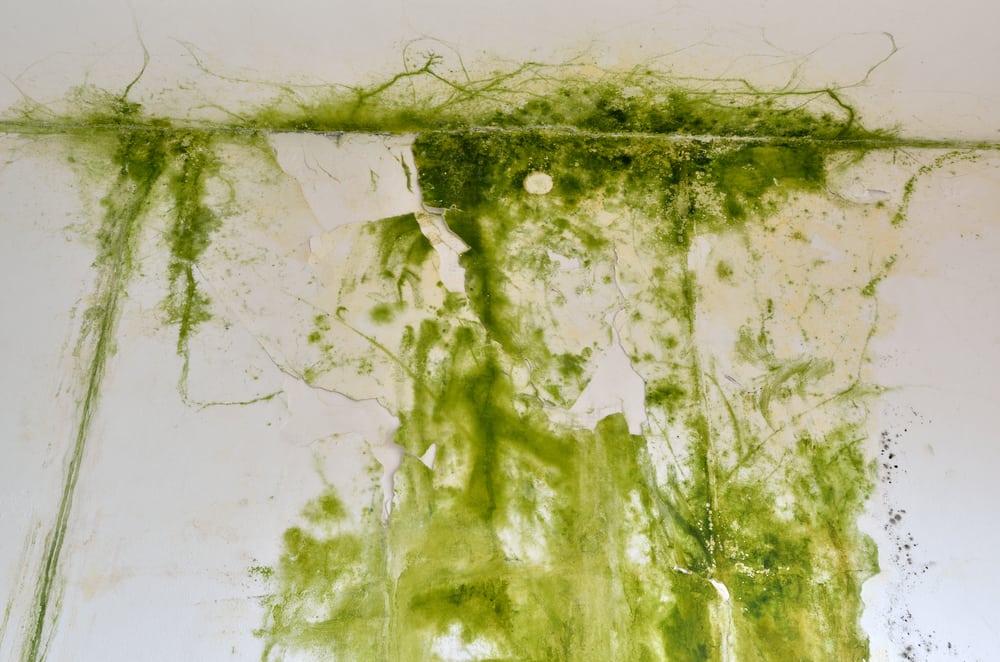
Mold often appears as black, green, or white spots on walls, ceilings, or floors. If you spot any suspicious patches, it’s best to contact a professional for a thorough inspection and remediation. Disturbing mold without the proper equipment can spread spores and make the problem worse.
3. Monitor for Musty Odors
Mold is not always visible right away, but it often produces a musty, unpleasant smell. If you detect this odor in your home after a storm, it could be a sign that mold is growing in a hidden area, such as behind walls or under flooring.
4. Call a Professional Mold Remediation Company
If you suspect mold, it’s important to address the issue promptly. Mold can spread quickly, causing extensive damage to your home and posing health risks to your family. At PuroClean of Northeast Tucson, our team of experts is equipped to handle mold remediation efficiently and safely. We use advanced techniques to identify and remove mold, ensuring your home is mold-free and safe to live in.
Be Prepared and Stay Safe This Monsoon Season
Tucson’s monsoon season can bring both beauty and destruction. By taking the time to prepare your home before the rains start, you can greatly reduce the risk of mold growth and water damage. If you do experience water intrusion or suspect mold, don’t wait—take action right away to protect your home and family. For expert assistance with water damage restoration or mold remediation, contact PuroClean of Northeast Tucson.
Useful Links
- Tucson Monsoon Season Overview – National Weather Service – Monsoon Safety Tips
- Mold Prevention Tips – EPA – Mold and Moisture