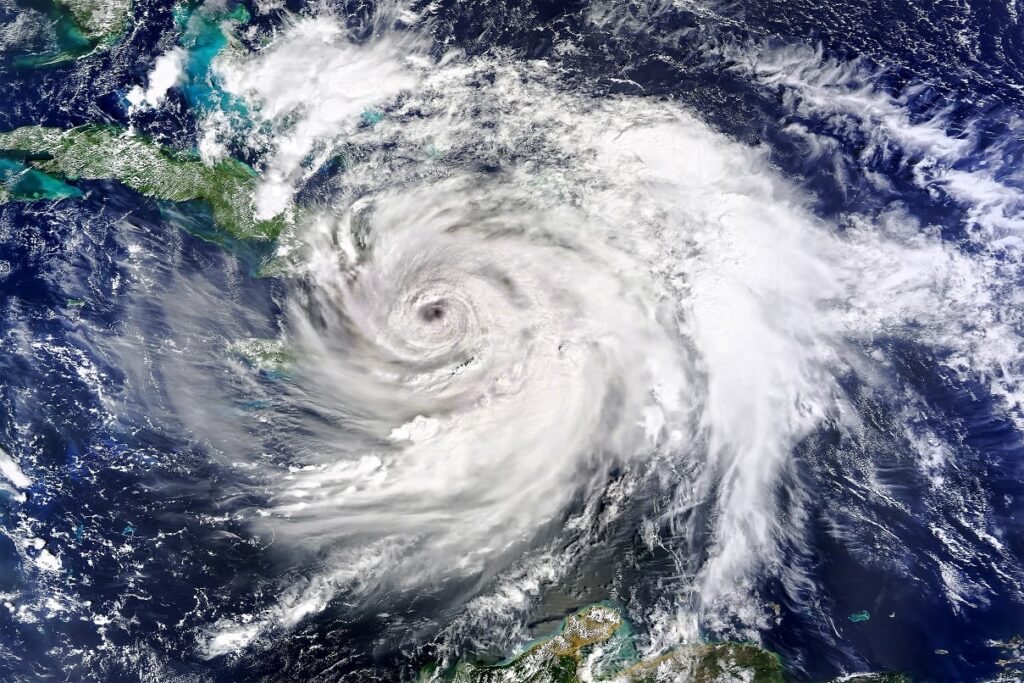
Hurricanes don’t have to make landfall in New Jersey
to cause serious property damage.
For homeowners and businesses throughout Union County, the remnants of hurricanes and tropical storms can bring
heavy rainfall, flash flooding, damaging winds, fallen trees, and prolonged power outages.
Communities such as Cranford, Westfield, Union, Rahway, Elizabeth, Springfield, and surrounding towns have
experienced the effects of severe storms. Even properties located far from the Jersey Shore can experience flooded
basements, roof leaks, sewer backups, and significant water damage.
Hurricane Ida in September 2021 demonstrated how destructive inland flooding can be across New Jersey. The storm’s remnants brought extraordinary rainfall to the region, overwhelming drainage systems, flooding roads and properties, and leaving many residents facing extensive cleanup and repairs.
At PuroClean Restoration Services, we’ve served Central New Jersey communities since 2010. We understand that preparing for severe weather is one of the most important steps property owners can take to reduce damage and protect their families.
Here’s how Union County residents can prepare before a hurricane or tropical storm, stay safe during severe weather, and recover afterward.
Before the Hurricane: Prepare Your Union County Property
1. Understand Your Local Flood Risk
Living inland does not mean your property is protected from flooding.
Union County contains numerous streams, rivers, and developed areas where heavy rainfall can overwhelm storm drains and drainage systems. Properties near the Rahway River, Elizabeth River, and other waterways may face additional flood risks.
However, flooding can also occur in neighborhoods outside designated flood zones, particularly where poor drainage, saturated soil, or heavy runoff causes water to accumulate.
Before the next storm:
- Check your property’s flood risk using the New Jersey Flood Indicator Tool and FEMA Flood Map Service Center.
Review local emergency alerts and evacuation guidance. - Identify low-lying areas around your property where water tends to collect.
- Inspect your basement for signs of previous water intrusion, including staining, dampness, or musty odors.
- Learn whether your municipality has experienced recurring drainage or flooding issues.
Residents of flood-prone communities, including areas of Cranford and Rahway near the Rahway River, should be particularly attentive to local flood warnings.
2. Assemble an Emergency Preparedness Kit
Every Union County household should maintain an emergency supply kit containing enough essentials to last at least three days.
Include:
- Drinking water and nonperishable food.
- Prescription medications and first-aid supplies.
- Flashlights, batteries, and portable phone chargers.
- Important documents in waterproof containers.
- Pet food, medications, and other animal necessities.
- Personal hygiene products and sanitation supplies.
- A battery-powered or hand-crank weather radio.
Keep your supplies in an accessible location, particularly if your basement is vulnerable to flooding.
3. Create a Family Emergency and Evacuation Plan
Severe storms can close roads, interrupt public transportation, and disrupt communication.
Before a hurricane or tropical storm reaches New Jersey, establish a plan that includes:
- A designated meeting location for household members.
- Emergency contact information for relatives and neighbors.
- Alternative travel routes in case local roads become impassable.
- Arrangements for children, older adults, and individuals with mobility or medical needs.
- A safe destination if local officials issue an evacuation order.
Union County residents should monitor announcements from their municipality, county emergency management officials, and the National Weather Service.
Consider enrolling in Register Ready, New Jersey’s voluntary emergency assistance registry for residents with disabilities or access and functional needs.
4. Review Your Homeowners and Flood Insurance Coverage
One of the most common misconceptions about storm damage is that standard homeowners insurance covers all forms of water damage.
In reality, most standard homeowners insurance policies do not cover flooding caused by rising surface water.
Flood insurance is generally purchased separately through the National Flood Insurance Program or private insurers. Coverage terms, exclusions, and waiting periods vary.
Before hurricane season:
- Review your homeowners, renters, or commercial property insurance policy.
- Determine whether you have flood insurance.
- Understand your deductible and coverage limits.
- Photograph valuable belongings and major household systems.
- Store digital copies of insurance documents and property records.
Don’t wait until a storm is approaching to review your coverage. Many flood insurance policies have waiting periods before coverage becomes effective.
5. Prepare Your Roof, Gutters, Trees, and Drainage Systems
High winds and heavy rainfall can expose maintenance issues that might otherwise go unnoticed.
Throughout Union County, mature trees, older roofing systems, and clogged gutters can contribute to property damage during severe weather.
Inspect your property before the storm:
- Roof: Look for missing shingles, damaged flashing, and signs of existing leaks. Have necessary repairs completed by a qualified professional.
- Gutters and downspouts: Remove leaves and debris so rainwater can flow away from your home.
- Trees: Have damaged, dead, or hazardous branches evaluated by a qualified arborist.
- Foundation: Check for cracks, moisture intrusion, and areas where water collects near exterior walls.
- Sump pump: Test your sump pump and consider an appropriate battery backup system.
- Outdoor drains: Clear accessible debris from drainage areas without entering roadways or attempting to open municipal storm drains.
For homeowners with finished basements, these preventive measures are especially important because water intrusion
can damage drywall, flooring, insulation, furniture, and stored belongings.
6. Take Final Precautions When a Storm Is Approaching
When severe weather is expected within the next 24-48 hours, complete your final preparations while conditions are still safe.
- Bring patio furniture, decorations, and other loose outdoor objects inside.
- Secure outdoor equipment and other items that could become windborne hazards.
- Charge phones, laptops, and portable power banks.
- Move valuables and important documents away from flood-prone basement areas.
- Fill your vehicle’s fuel tank or charge your electric vehicle.
- Make sure your sump pump is functioning.
- Set refrigerators and freezers to appropriate cold settings and keep their doors closed during an outage.
- Follow local weather alerts and emergency instructions.
If your property is particularly vulnerable to flooding, consider moving furniture, electronics, and important
belongings to an upper floor before the storm arrives.
During the Hurricane: Stay Safe and Follow Local Alerts
1. Stay Indoors and Away From Windows
During periods of high winds, remain indoors and avoid windows, glass doors, and exterior rooms.
Choose an interior room away from windows. If flooding threatens the lowest level of your home, move to a higher, safe level instead.
Do not enter a basement that is taking on water, particularly if electrical equipment or outlets may be submerged.
2. Never Drive Through Floodwater
Flooded roads can be especially dangerous in densely developed areas where underpasses, intersections, and low-lying roadways can fill rapidly.
According to the National Weather Service, approximately six inches of fast-moving water can knock an adult off their feet, while about 12 inches of moving water can carry away many vehicles.
Turn Around, Don’t Drown.
Never attempt to drive or walk through floodwater, even if the water appears shallow.
3. Use Generators Safely During Power Outages
Power outages may occur when strong winds damage trees, utility poles, or electrical infrastructure.
If you use a portable generator:
- Operate it outdoors, at least 20 feet from doors, windows, and vents.
- Never use it inside a garage, basement, or enclosed porch.
- Install functioning carbon monoxide detectors.
- Keep generators protected from rain according to the manufacturer’s instructions without enclosing them.
- Never connect a generator directly to household wiring without properly installed transfer equipment.
Carbon monoxide is odorless and can be fatal.
4. Know What to Do if Floodwater Enters Your Home
If water begins rising inside your property, prioritize personal safety over belongings.
Move to a higher level of the building when safe to do so. Avoid enclosed attics without an accessible exit, as rising water could trap you.
If you are in immediate danger, call 911.
Follow evacuation orders and emergency guidance issued by local authorities.
After the Hurricane: Inspect, Document, and Restore Your Property
Even after the rain stops and winds subside, property damage can continue to develop.
Moisture trapped behind walls, beneath flooring, or inside insulation can contribute to structural deterioration and mold growth.
1. Wait Until It Is Safe to Return
If you evacuated, wait until local authorities confirm that returning is safe.
Be cautious around:
- Downed electrical wires.
- Flooded streets and sidewalks.
- Unstable trees and damaged branches.
- Structural damage.
- Standing water near electrical systems.
- Possible gas leaks.
If you suspect electrical or gas hazards, stay out of the affected area and contact the appropriate utility or emergency services.
2. Document Property Damage Before Cleanup
If your home or business sustained damage, photograph and document affected areas as soon as it is safe.
Record:
- Standing water and visible water lines.
- Damaged flooring, drywall, and ceilings.
- Roof leaks and damaged exterior materials.
- Affected furniture and personal belongings.
- Damaged appliances and mechanical systems.
Contact your insurance provider to report the loss and ask about documentation requirements before disposing of damaged materials, unless immediate removal is necessary for safety.
3. Address Water Damage as Quickly as Possible
Following a hurricane or tropical storm, water can remain trapped in building materials even after visible standing water has been removed.
Carpeting, drywall, insulation, subfloors, and structural components may retain moisture.
Professional water damage restoration may involve:
- Water extraction and removal.
- Moisture detection and assessment.
- Structural drying and dehumidification.
- Removal of materials that cannot be safely restored.
- Cleaning and sanitizing affected areas.
- Monitoring moisture levels throughout the drying process.
Prompt attention is important because mold can begin developing on damp materials within 24-48 hours under favorable conditions.
Learn more about our Water Damage Restoration Services.
4. Watch for Hidden Moisture and Mold Growth
Not all storm damage is immediately visible.
After flooding or roof leaks, moisture can accumulate behind walls, beneath flooring, inside cabinets, and in other concealed spaces.
Common warning signs include:
- Persistent musty odors.
- Discoloration or staining on walls and ceilings.
- Peeling paint or bubbling drywall.
- Warped flooring or baseboards.
- Visible mold growth.
If you suspect mold contamination, avoid disturbing affected materials unnecessarily.
Professional assessment and remediation can help determine the appropriate cleanup approach.
Learn more about our Mold Removal & Remediation Services
.
5. Be Cautious With Flood-Contaminated Materials
Floodwater may contain sewage, chemicals, bacteria, and other contaminants.
Avoid direct contact with floodwater and materials that may be contaminated. Do not use electrical appliances that have been submerged until they have been evaluated by a qualified professional.
Discard food that has come into contact with floodwater and follow public health guidance regarding
drinking water safety.
For significant contamination, professional cleanup may be necessary.
Hurricane Recovery in Union County, NJ: PuroClean Is Here to Help
Hurricanes and tropical storms can leave Union County property owners facing unexpected flooding, moisture
intrusion, and extensive property damage.
At PuroClean Restoration Services,
our locally owned team has served Central New Jersey communities since 2010. With more than 16 years of
restoration industry experience, our IICRC-certified technicians help homeowners, businesses, and property
managers recover from water damage and other property emergencies.
We proudly serve Cranford, Westfield, Garwood, Fanwood, Plainfield, Union, Elizabeth, Hillside, Newark,
and surrounding New Jersey communities.
Our services include:
- Water Damage Restoration and Flood Cleanup
- Mold Removal and Remediation
- Fire and Smoke Damage Restoration
- Biohazard Cleanup
- Property Reconstruction and Repairs
Need Emergency Water Damage Restoration in Union County?
PuroClean Is Available 24/7/365
Whether your basement has flooded, a roof leak has damaged your ceiling, or stormwater has entered your business, our restoration professionals are ready to help.
Call (973) 577-6033
Paramedics of Property Damage.
Helpful Hurricane Preparedness Resources for New Jersey
For additional information about hurricane preparation, flood risks, and local emergency guidance, visit:
- National Weather Service – New York, NY Office for local forecasts, storm watches, and warnings.
Ready New Jersey for statewide emergency preparedness guidance. - New Jersey’s Flood Indicator Tool to identify your property’s flood risk.
FEMA Flood Map Service Center to review flood hazard information for your property.