


You pull down the attic ladder, shine a flashlight toward the roof, and notice something you weren’t expecting: black spots scattered across the plywood. Maybe there’s a dark patch near a roof vent. Maybe an entire section of wood looks stained.
It’s easy to assume the worst. But black stains on attic wood don’t automatically mean you have toxic black mold—or that your roof needs replacing.
What matters is whether you’re looking at mold or ordinary discoloration, whether moisture is still getting into the attic, and whether the affected materials are in good condition.
Those questions are particularly relevant in Port Charlotte, Florida, where long stretches of humid weather, summer thunderstorms, and occasional tropical systems can expose weaknesses in a home’s roof and moisture-control systems.
Here’s how to make sense of what you’re seeing—and how to avoid paying for work your attic may not need.
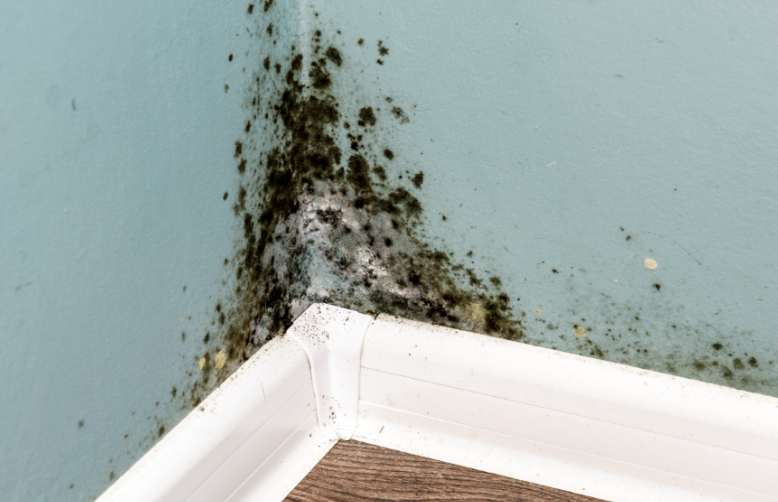
First, Is That Actually Black Mold?
Not necessarily. Several things can leave dark marks on attic plywood, including mold, old water stains, natural wood discoloration, and marks left during construction.
And even when the discoloration is mold, the word black doesn’t identify what kind it is.
You’ve probably heard of Stachybotrys chartarum, sometimes called toxic black mold. It’s one of several molds that can appear dark. You cannot identify it—or determine how hazardous a particular growth may be—simply by looking at its color.
The Centers for Disease Control and Prevention explains that mold exposure can cause symptoms in some people, particularly those with allergies, asthma, or certain other health conditions. Others may experience no symptoms at all.[1]
So instead of trying to identify a mold species with a flashlight, start with something more useful: where is the discoloration, what does the surrounding wood look like, and is there evidence of moisture?
Black Mold, Water Stains, or Something Else?
Dark attic stains don’t all look alike. Their location and surrounding conditions can offer clues, although none of these observations can confirm mold on their own.
| What You Notice | What It Could Mean | What to Check Next |
|---|---|---|
| Small black spots scattered across plywood | Possible surface mold or another type of staining | Look for nearby moisture, condensation, or evidence of previous leaks. |
| A dark patch around a roof vent or pipe penetration | Possible water intrusion around flashing or a roof opening | Have the roof penetration inspected for leaks. |
| Brown or black marks with visible water rings | Past or ongoing water exposure | Determine whether the wood is currently damp and whether the leak was repaired. |
| Dark discoloration following the wood grain | Natural wood variation, staining, or possible fungal discoloration | Consider the material’s history and whether the appearance has changed. |
| Dark patches across multiple sections of roof decking | Possible widespread moisture exposure or fungal growth | Investigate attic moisture conditions and consider professional assessment. |
| Soft, crumbling, or separating plywood | Possible deterioration from prolonged moisture exposure | Arrange an evaluation of the wood’s condition before considering cleaning. |
One important distinction: a stain can remain long after the original leak has been repaired. That doesn’t prove the material is mold-free, but it also doesn’t mean the attic has an active leak today.
If the stain is new, growing, or accompanied by damp materials, the situation deserves more immediate attention.
Why Port Charlotte Attics Develop Moisture Problems
Port Charlotte sits along Charlotte Harbor in Southwest Florida, where warm weather and high outdoor humidity are familiar parts of everyday life. Air conditioning runs for much of the year, and summer brings frequent thunderstorms and periods of intense rainfall.
Those conditions don’t automatically cause attic mold. A properly functioning roof and moisture-control system should be able to handle the local climate.
Problems begin when water gets into places it shouldn’t—or when humid air repeatedly reaches surfaces where moisture can accumulate.
1. Wind-Driven Rain Finds a Weak Spot in the Roof
During Southwest Florida’s rainy season, a roof may face repeated thunderstorms with heavy rain and gusty winds. Tropical storms and hurricanes can place even greater demands on roofing materials and flashing.
A small opening around a plumbing vent, roof flashing, or damaged shingle may allow water to reach the underside of the roof decking.
Sometimes the first visible sign isn’t a ceiling stain inside the house. It’s a dark patch on the attic plywood.
What to look for: Discoloration concentrated below roof penetrations, along roof intersections, or near areas where water may have entered during a storm.
If you suspect a roof leak, have a qualified roofer investigate. Cleaning the wood before repairing the leak won’t solve the underlying problem.
2. Cold Air-Conditioning Ducts Meet Humid Attic Air
Air conditioning is a major part of life in Port Charlotte, and some homes have ductwork or HVAC equipment running through the attic.
Picture a cold drink sitting outside on a humid Florida afternoon. Water droplets form on the glass because the surface is colder than the surrounding air’s dew point.
A similar process can occur around poorly insulated or damaged air-conditioning ducts.
If humid attic air reaches a sufficiently cold duct surface, condensation may develop. Repeated moisture exposure can affect nearby insulation, framing, or other materials.
What to look for: Damp insulation near ductwork, water marks beneath HVAC components, damaged duct insulation, or staining concentrated around equipment.
An HVAC professional should address equipment or ductwork problems. If mold has developed on building materials, those materials may need separate evaluation and cleanup.
3. Bathroom Exhaust Fans Release Moisture Into the Attic
Bathroom fans remove humid air generated by showers. But that air needs somewhere appropriate to go.
If a bathroom exhaust duct ends inside the attic rather than discharging outdoors, it can repeatedly introduce moisture into the space.
Over time, the surrounding roof decking or framing may develop moisture-related staining or fungal growth.
What to look for: An exhaust duct that appears to terminate in the attic, along with nearby discoloration or damp materials.
Have an appropriate contractor correct the duct routing. Simply adding more attic ventilation may not resolve the moisture source.
4. Air Leaks and Insulation Problems Create Unexpected Moisture
Florida homes are designed to separate conditioned indoor air from the hotter, more humid environment outside. That separation isn’t always perfect.
Gaps around attic access panels, ceiling penetrations, and mechanical openings can allow unwanted air movement.
Depending on the home’s construction and operating conditions, that movement can contribute to moisture accumulation.
For example, humid attic air entering a cooler building cavity may encounter surfaces where condensation becomes possible.
What to look for: Recurring moisture problems without an obvious roof leak, particularly near ceiling openings, ducts, or insulation gaps.
These problems require an understanding of the home’s building envelope. The right solution may involve air sealing, insulation repairs, HVAC adjustments, or a combination of measures.
Three Things Worth Checking Before You Pay for Mold Removal
Suppose you find a dark patch on the attic plywood. Before assuming the entire attic needs remediation, try to establish three basic facts.
1. Is the Stain New or Has It Been There for Years?
If you have photographs from a previous roof inspection, compare them with what you’re seeing now.
A stain that has remained unchanged for several years tells a different story from discoloration that appeared after a recent storm.
Neither observation confirms whether mold is present, but the timeline can help a professional determine what to investigate.
2. Is There Evidence of Moisture Right Now?
Look for visible water marks, damp insulation, dripping equipment, or evidence of an unresolved roof leak—but only from a safe location.
A professional may use moisture measurements and other inspection methods to determine whether materials are currently wet.
Remember that a dry surface at the time of inspection doesn’t necessarily rule out intermittent water intrusion during heavy rain.
3. Is the Wood Still in Good Condition?
Surface discoloration and structural deterioration are two different concerns.
Dark staining doesn’t automatically mean the plywood needs replacement. However, wood that is visibly deteriorated, sagging, or separating may require repair rather than surface cleaning.
Don’t probe damaged roof decking or walk across attic surfaces to investigate. Have an appropriate building professional evaluate suspected structural problems.
These three observations—when the staining appeared, whether moisture is present, and the condition of the wood—can help distinguish a relatively limited cleanup question from a larger roof or building-moisture problem.
Can You Leave Black Stains on Attic Plywood Alone?
Sometimes old discoloration remains visible even after the original moisture problem has been corrected. A dark stain by itself doesn’t establish that the wood needs to be removed.
But there’s an important difference between an old stain and confirmed mold contamination.
If mold growth is present, the EPA recommends addressing the moisture problem and cleaning up the mold rather than simply covering it.[2]
If the material is dry, structurally sound, and the discoloration is determined not to represent contamination requiring cleanup, extensive remediation may not be necessary.
That’s why an accurate evaluation matters. The objective isn’t to make every piece of attic plywood look brand-new. It’s to correct moisture problems, address contamination appropriately, and preserve building materials that can safely remain in place.
If you’re unsure what you’re seeing, learn more about attic mold removal and cleanup in Port Charlotte, including when professional remediation may be appropriate.
Can Black Mold Be Cleaned Off Attic Plywood, or Does the Wood Need Replacing?
Finding black spots on your roof decking doesn’t automatically mean you need new plywood. In many cases, structurally sound wood can be cleaned and preserved. But there’s a difference between removing surface contamination and repairing wood that’s been damaged by water.
Consider two Port Charlotte homes after a summer thunderstorm.
At the first house, rain enters through damaged flashing around a roof vent. The homeowner notices the problem quickly, has the leak repaired, and discovers a relatively small area of staining on otherwise sound plywood.
At the second house, a slow roof leak has gone unnoticed through multiple rainy seasons. The plywood has begun separating into layers, and some of the surrounding insulation is damp.
Both homeowners might see black stains. But the condition of the materials—and the work needed—could be very different.
The deciding factor isn’t how dark the plywood looks. It’s whether the wood is structurally sound, whether contamination can be appropriately removed, and whether the moisture source has been corrected.
| Condition of Attic Wood | What It May Mean | What to Consider |
|---|---|---|
| Dark staining, but wood remains structurally sound | Surface contamination or residual discoloration may be present. | Determine whether appropriate cleaning is sufficient. |
| Visible mold across several plywood panels | A larger area may require professional remediation. | Evaluate the extent of contamination and moisture exposure. |
| Plywood is soft, sagging, or delaminating | Prolonged moisture exposure may have damaged the material. | Have a qualified roofing or building professional evaluate replacement. |
| Insulation is wet or visibly mold-contaminated | Some porous materials may not be suitable for cleaning. | Evaluate whether affected insulation requires removal. |
| Dark stains return after previous cleanup | The underlying moisture problem may remain unresolved. | Investigate leaks, condensation, and other moisture sources. |
There’s another detail homeowners should understand: wood doesn’t always return to its original color after mold remediation. Some discoloration may remain even after appropriate cleaning.
That doesn’t automatically mean the cleanup failed. Likewise, plywood that looks clean isn’t necessarily dry or free from an unresolved moisture problem.
Who Should You Call First: A Roofer, Mold Assessor, or Remediation Company?
This is where homeowners can end up spending money twice.
If someone cleans the attic before an active roof leak is repaired, the same moisture conditions may return. On the other hand, replacing a roof won’t necessarily address mold contamination already present on the underside of the decking.
The right first call depends on what you’ve found.
| What You’re Seeing | Who to Contact | Why |
|---|---|---|
| Water entering around shingles, flashing, or roof penetrations | Qualified roofing contractor | Identify and repair the source of water intrusion. |
| Condensation around air-conditioning ducts or equipment | Licensed HVAC contractor | Correct equipment, insulation, drainage, or ductwork problems. |
| Unexplained dark staining across a large attic area | Appropriately qualified mold assessor | Evaluate suspected contamination and help determine the scope of work. |
| Confirmed mold contamination requiring cleanup | Qualified mold remediation contractor | Perform appropriate cleaning or removal of affected materials. |
| Soft, damaged, or deteriorating roof decking | Qualified roofing or building professional | Determine whether structural materials need repair or replacement. |
Some projects involve more than one professional. A roofer may correct the leak, an independent mold assessor may establish the remediation scope, and a remediation contractor may perform the cleanup.
Florida regulates certain mold assessment and remediation activities. Depending on the work and applicable exemptions, appropriate licensing may be required. The Florida Department of Business and Professional Regulation provides information about these requirements.[3]
For Port Charlotte homeowners, knowing which professional handles which part of the problem can make the process easier to manage.
What Should Professional Attic Mold Cleanup Actually Accomplish?
A successful cleanup shouldn’t be judged solely by whether the plywood looks lighter afterward.
The real objective is to address the contamination, preserve materials that can safely remain in place, and reduce the likelihood of mold returning.
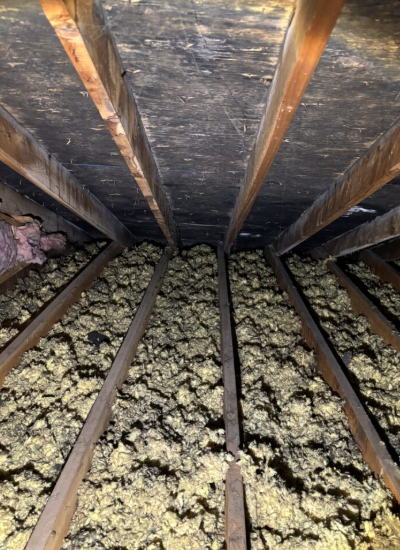
Depending on the attic’s condition, professional remediation may include:
- Identifying affected materials. Determining which sections of roof decking, framing, or insulation require attention.
- Controlling the work area. Using appropriate containment and work practices to reduce the movement of disturbed contamination.
- Cleaning suitable wood surfaces. Removing mold contamination from materials that can be safely preserved.
- Removing materials that cannot be restored. Addressing contaminated insulation or deteriorated building components when cleaning is insufficient.
- Addressing moisture. Coordinating necessary roof, HVAC, or building repairs so the conditions responsible for growth are corrected.
- Evaluating the finished work. Determining whether the remediation objectives have been met.
The U.S. Environmental Protection Agency emphasizes removing mold contamination and correcting moisture problems rather than simply painting or covering affected surfaces.[2]
For example, spraying a product onto black plywood without repairing an active roof leak won’t prevent the same conditions from developing again.
Likewise, painting over suspected mold isn’t a substitute for appropriate cleaning.
Learn more about attic mold removal and cleanup in Port Charlotte, including the restoration services available through PuroClean of Venice.
Not Sure Whether Your Attic Needs Mold Remediation?
If you’ve found dark staining on roof decking or framing, PuroClean of Venice can discuss the situation and help you understand the next steps. Explain where the stains are located, whether you’ve experienced roof leaks, and whether the affected materials appear damaged.
Before You Pay for Attic Mold Removal, Ask These Five Questions
Whether you’re dealing with a small patch of suspected mold or extensive staining across the roof decking, these questions can help you evaluate a proposed cleanup plan.
1. What Caused the Moisture Problem?
If the answer is simply “Florida humidity,” ask for more detail.
Was there a roof leak? Condensation around ductwork? An exhaust fan releasing moisture into the attic? An air leakage problem?
Southwest Florida is humid, but humidity alone doesn’t explain every attic mold problem. A useful evaluation should identify the likely moisture mechanism and recommend an appropriate correction.
2. How Much of the Attic Is Actually Affected?
Ask whether the proposed work involves one section of roof decking, multiple plywood panels, framing members, insulation, or a larger portion of the attic.
The scope should reflect the affected materials—not automatically include every surface in the attic.
3. Can the Existing Plywood Be Preserved?
Replacing structurally sound roof decking may be unnecessary when appropriate cleaning is sufficient.
On the other hand, damaged or deteriorated plywood shouldn’t be treated as a cosmetic problem.
Ask what condition would justify cleaning versus replacement and which professional will evaluate structural concerns.
4. How Will You Know the Work Is Complete?
Ask what completion criteria apply to the project.
Depending on the situation, this may involve visual evaluation, moisture conditions, documentation of completed work, or independent post-remediation verification.
A lighter-looking piece of plywood isn’t, by itself, a complete measure of success.
5. What Prevents the Mold From Returning?
This may be the most important question of all.
If the roof still leaks or an HVAC duct continues producing condensation, the underlying conditions haven’t changed.
Ask who is responsible for correcting the moisture source and whether that work is included in the proposal or requires a separate contractor.
How Much Does Black Mold Removal Cost in a Port Charlotte Attic?
There’s no reliable way to estimate an attic mold cleanup project from the color of the stains or a single photograph.
Two Port Charlotte homes with similar-looking discoloration can require very different amounts of work.
One might have a small area of surface contamination near a repaired roof penetration. Another might have widespread moisture damage, contaminated insulation, and deteriorated plywood following an unresolved leak.
Factors that can influence the cost include:
- The size and accessibility of the affected area.
- Whether plywood and framing can be cleaned or require replacement.
- Whether insulation or other porous materials are contaminated.
- The containment and cleaning methods appropriate for the project.
- Whether independent assessment or verification is needed.
- Roofing, HVAC, or other moisture-source repairs performed separately.
For a more detailed breakdown, read our 2026 Attic Mold Removal Cost Guide for Southwest Florida. It explains common cost drivers and why the actual condition of the attic matters more than the appearance of the staining.
How to Reduce the Chance of Attic Mold Returning in Southwest Florida
Port Charlotte’s climate isn’t something homeowners can change. The goal is to keep outdoor weather and unwanted moisture from damaging the building materials inside the attic.
Start with the roof. After significant storms, pay attention to new ceiling stains, visible roof damage, or evidence of water intrusion. A small flashing problem can be easier to address before it becomes a recurring leak.
Next, consider the home’s air-conditioning system. Duct insulation, condensate drainage, and air leakage deserve attention when equipment is located in a hot, humid attic.
Make sure bathroom exhaust fans discharge outdoors rather than into the attic. If an exhaust duct ends beneath the roof decking, it may introduce moisture every time someone showers.
Finally, avoid assuming that adding more attic vents will automatically solve a moisture problem. Port Charlotte homes can have different roof assemblies, insulation configurations, and attic designs. Ventilation, air sealing, and moisture control should work together.
The simplest prevention principle is this: find out how moisture is reaching the material, correct that problem, and verify that the affected area can remain dry.
Will Homeowners Insurance Cover Black Mold in the Attic?
Possibly, but don’t assume that mold damage is covered simply because it appeared after a storm.
Coverage depends on the cause of the loss, policy language, exclusions, endorsements, deductibles, and applicable mold limits.
For example, mold associated with a sudden covered event may be treated differently from damage caused by a long-term leak that went unrepaired.
Florida policies can also contain specific limitations for fungi, mold, or microbial damage.
If you suspect storm-related attic damage, photograph what you can safely see, preserve relevant repair records, and contact your insurer to understand the claim requirements.
Don’t enter an unsafe attic or climb onto a damaged roof to collect documentation.
Frequently Asked Questions About Black Mold in Port Charlotte Attics
Is black mold in an attic always dangerous?
No. Mold color doesn’t establish its species or health effects. Some people experience symptoms from mold exposure, while others do not. Confirmed mold growth should still be addressed, along with the moisture conditions that allowed it to develop.[1]
Can old black stains remain after a roof leak is repaired?
Yes. Wood may remain discolored after it dries. However, the appearance alone doesn’t establish whether mold contamination is present or whether cleanup is necessary. An evaluation can help distinguish residual staining from a problem that still requires attention.
Should I spray bleach on black attic plywood?
Bleach isn’t a universal solution for mold on porous wood. The EPA does not recommend routinely using chlorine bleach for mold cleanup. The emphasis should be on appropriate removal of contamination and correcting the moisture source.[4]
Can I remove attic mold myself?
Some small, accessible mold problems may be suitable for homeowner cleanup under appropriate conditions. However, attics present fall, electrical, access, and contamination hazards. The EPA generally uses approximately 10 square feet as a guideline when discussing small cleanup areas, while recommending professional assistance for larger or more complicated situations.[5]
Do I need mold testing before cleanup?
Not always. When visible mold is present, the EPA explains that sampling is generally unnecessary to establish that cleanup is needed. Testing or independent assessment may be useful when the condition is uncertain or the results will influence the remediation plan.[6]
Can attic mold affect the rooms below?
Potentially. Air and particles can move through certain openings between an attic and occupied rooms. However, finding mold in the attic doesn’t automatically establish that the living space is contaminated. The building’s construction and air pathways matter.
Does black mold mean the roof decking needs replacement?
No. Structurally sound wood may be suitable for cleaning. Replacement becomes a consideration when materials are deteriorated or cannot be appropriately restored. A roofing or building professional should evaluate suspected structural damage.
Why does attic mold return after cleaning?
Recurring mold often indicates that moisture conditions remain favorable for growth. An unresolved roof leak, condensation problem, or improperly routed exhaust duct may continue introducing moisture after the original cleaning.
Found Black Stains in Your Port Charlotte Attic? Start With the Cause.
Black spots on attic plywood can look alarming. But they don’t automatically mean you have a dangerous mold species, a failing roof, or an attic that needs to be completely rebuilt.
The useful questions are more specific: Is it mold? Is moisture still present? Can the affected wood be preserved? And what needs to change to keep the problem from returning?
Those answers matter in Port Charlotte, where humid weather, heavy summer rainfall, tropical storms, and year-round air-conditioning can create several different pathways for moisture problems.
PuroClean of Venice provides mold remediation and restoration services for Port Charlotte homeowners. If you’ve discovered suspected attic mold, call to discuss what you’ve found and the appropriate next steps.
You can also learn more about our Attic Mold Removal and Cleanup Services in Port Charlotte, FL.
References
These resources provide additional guidance on mold exposure, moisture control, cleanup practices, and Florida mold-related services regulations.
- Centers for Disease Control and Prevention. About Mold. Information about mold exposure and potential health effects.
- U.S. Environmental Protection Agency. Mold and Moisture. Information about mold prevention, moisture control, and cleanup.
- Florida Department of Business and Professional Regulation. Mold-Related Services. Florida licensing and regulatory information.
- U.S. Environmental Protection Agency. Should I Use Bleach to Clean Up Mold? Guidance on bleach use during mold cleanup.
- U.S. Environmental Protection Agency. Mold Cleanup in Your Home. Guidance on cleanup size, safety, and professional assistance.
- U.S. Environmental Protection Agency. Mold Testing or Sampling. Information about when mold testing may be appropriate.