24/7 Emergency Commercial Water Damage Services in Venice
Water damage inside a commercial building creates problems that extend well beyond wet floors and damaged drywall. Employees may lose access to their workspaces, tenants may need to close temporarily, inventory can become unusable, and building systems may require inspection before normal operations resume.
For a Port Charlotte business owner, the immediate concern might be water spreading through a retail store or medical office. For a property manager, it could be a plumbing failure affecting multiple suites. For a commercial landlord, it may involve coordinating repairs, communicating with tenants, and documenting damage across several occupied spaces.
Commercial water damage restoration requires more than removing standing water. It involves identifying affected materials, controlling moisture, protecting building operations, and establishing a practical recovery plan.
PuroClean of Venice provides commercial water damage restoration and cleanup services in Port Charlotte, Florida, helping businesses, commercial property owners, and facility managers respond to unexpected water intrusion.
If your commercial property has experienced a water loss, call (941) 294-0404 to discuss the situation with PuroClean of Venice.
Prioritize occupant safety, stop the water source when possible, restrict access to hazardous areas, and arrange for professional water damage evaluation. These steps help establish control over the situation while limiting unnecessary exposure to damaged materials and building systems.
Commercial properties often have additional responsibilities that homeowners do not face. Managers may need to notify tenants, coordinate building access, protect inventory, involve maintenance personnel, and communicate with ownership or insurance representatives.
The appropriate response depends on the water source, affected areas, and building operations. However, the following checklist provides a practical starting point.
| Priority | Recommended Action | Why It Matters |
|---|---|---|
| 1. Protect occupants | Keep employees, customers, and tenants away from unsafe areas. | Standing water, damaged ceilings, electrical hazards, and slippery floors may create immediate safety risks. |
| 2. Stop the water source | Have authorized personnel isolate the affected water supply or equipment when safe. | Preventing additional water intrusion can limit the extent of damage. |
| 3. Restrict affected areas | Use appropriate barriers or signage to prevent unauthorized entry. | Helps protect occupants and prevents unnecessary disturbance of affected materials. |
| 4. Notify responsible parties | Contact ownership, property management, maintenance, and affected tenants as appropriate. | Establishes communication and helps coordinate access and necessary decisions. |
| 5. Protect unaffected assets | Move accessible inventory, records, furniture, and portable equipment away from moisture when safe. | May help prevent additional property loss. |
| 6. Document the conditions | Take photographs and record affected locations, visible damage, and the time the problem was discovered. | Creates useful records for property management, repairs, and potential insurance claims. |
| 7. Arrange professional mitigation | Contact a commercial water damage restoration provider. | Prompt extraction and moisture evaluation can help limit additional damage. |
If water has reached electrical panels, powered equipment, or other energized systems, do not attempt to operate or disconnect equipment from an unsafe location. Electrical inspection and restoration of power should be handled by appropriately qualified personnel.
Likewise, ceilings that are sagging or showing signs of instability should not be disturbed. Restrict access and seek appropriate professional assistance.
More than one professional may be needed, and some calls can happen simultaneously.
If a pipe has failed, a qualified plumbing contractor may need to stop and repair the leak. If water is affecting electrical equipment, an electrician may be required. The property manager or building owner typically coordinates authorization, tenant communication, and access.
A commercial water damage restoration company addresses the resulting property damage, including water extraction, moisture evaluation, structural drying, and related mitigation.
The important point is that repairing the source of the water does not automatically resolve the damage left behind. Both problems need appropriate attention.
Commercial water damage presents different challenges depending on how a building is used. A medical office must consider patient access and treatment areas. A retail business may be concerned about merchandise and customer safety. A multi-tenant property may involve several businesses with different operating hours and restoration priorities.
Port Charlotte includes neighborhood shopping centers, professional offices, healthcare facilities, restaurants, service businesses, and other commercial properties. These buildings have different layouts and operating needs, but all can be affected by unexpected water intrusion.
| Property Type | Potential Water Damage | Important Restoration Considerations |
|---|---|---|
| Retail stores and shopping plazas | Wet sales floors, damaged stockrooms, ceiling leaks, and water intrusion beneath displays. | Customer safety, merchandise protection, and access to unaffected areas. |
| Medical and dental offices | Plumbing failures, wet flooring, affected treatment rooms, and moisture around specialized equipment. | Patient access, equipment protection, sanitation requirements, and appropriate reopening procedures. |
| Professional office buildings | Ceiling leaks, wet carpeting, damaged drywall, and moisture near workstations. | Employee access, records protection, electrical safety, and workspace availability. |
| Restaurants and food-service businesses | Dishwashing-area leaks, plumbing failures, wet storage areas, and water damage near food preparation spaces. | Food safety, contaminated materials, equipment inspection, and applicable regulatory requirements. |
| Multifamily and mixed-use buildings | Water spreading between units, shared plumbing failures, and damage to corridors or common areas. | Tenant notifications, access coordination, shared building systems, and documentation by affected area. |
| Warehouses and storage facilities | Water reaching inventory, shelving, packaging, and ground-level storage. | Inventory protection, material handling, access routes, and moisture beneath stored goods. |
| Commercial service businesses | Leaks affecting customer areas, equipment rooms, workshops, or storage spaces. | Protecting operational equipment and determining which areas can remain in use. |
These examples illustrate common restoration considerations rather than a fixed scope for every building. Each property requires an approach based on its construction, affected materials, and operational requirements.
For an overview of PuroClean’s broader commercial capabilities, visit our Commercial Water Damage Restoration services page.
Commercial water losses can develop suddenly or gradually. A failed plumbing connection may release a large amount of water in a short time. A roof leak may affect ceiling materials during heavy rainfall. An HVAC condensate problem may continue unnoticed above an occupied office.
In Port Charlotte, heavy seasonal rainfall, tropical weather, and humid conditions make water intrusion and moisture management important considerations. However, commercial water damage is not limited to storms. Interior plumbing, building equipment, and maintenance problems can also lead to significant losses.
| Water Source | Where Problems May Develop | Potential Consequences |
|---|---|---|
| Broken plumbing lines | Restrooms, utility rooms, ceilings, shared plumbing systems. | Water spreading through floors, walls, and neighboring suites. |
| Roof leaks | Roof penetrations, flashing, drainage points, and roof assemblies. | Wet ceiling materials, insulation, flooring, and interior finishes. |
| HVAC condensate problems | Air handlers, condensate drains, mechanical closets, and ceiling spaces. | Concealed moisture, staining, and recurring damp conditions. |
| Restroom and fixture failures | Toilets, sinks, supply lines, and drain connections. | Damage to adjacent rooms, flooring, partitions, and wall cavities. |
| Fire sprinkler system releases | Commercial sprinkler piping and associated equipment. | Water damage across large interior areas or multiple spaces. |
| Drainage and sewer problems | Floor drains, wastewater lines, and vulnerable drainage areas. | Potentially contaminated water requiring specialized cleanup procedures. |
| Storm-related water intrusion | Doors, windows, roofs, and building-envelope openings. | Wet interiors, damaged inventory, and disruption to occupied spaces. |
Commercial water damage restoration must account for the source and condition of the water. A pressurized potable-water line may initially release relatively clean water, while sewage backups, storm flooding, or water that has contacted contaminated materials may require different precautions.
The source also determines which other professionals need to be involved. Roofing, plumbing, sprinkler-system, and mechanical repairs should be addressed by appropriately qualified contractors.
One of the biggest differences between residential and commercial water restoration is the number of people who may be affected by a single incident.
Imagine a plumbing line fails in a commercial building with several occupied suites. Water begins spreading through a shared wall or ceiling assembly. The tenant nearest the leak notices the problem first, but moisture may have already reached an adjoining office or common corridor.
In that situation, the property manager needs to understand more than the location of the original leak. They also need to establish which spaces are affected, what access restrictions are necessary, and how restoration can proceed without creating unnecessary disruption elsewhere.
Water can travel through wall penetrations, ceiling spaces, floor assemblies, and other concealed pathways. The location where moisture becomes visible may be different from the point where water entered the building.
Multi-tenant properties also contain shared systems. Electrical distribution, plumbing, HVAC equipment, and corridors may serve several occupants, making restoration planning more complicated than treating an isolated room.
A water loss confined to one visible suite should not automatically be assumed to affect only that tenant. Appropriate evaluation helps determine whether neighboring spaces or shared building components require attention.
Commercial restoration projects often involve several parties with different responsibilities.
| Stakeholder | Typical Responsibilities | Information They May Need |
|---|---|---|
| Property owner | Authorizes work within their responsibility and coordinates building-level decisions. | Damage extent, proposed scope, estimated costs, and repair requirements. |
| Property manager | Coordinates access, communication, building operations, and contractor scheduling. | Affected areas, work schedule, restrictions, and progress updates. |
| Commercial tenant | Protects tenant-owned property and communicates operational needs. | Workspace availability, equipment restrictions, and anticipated disruption. |
| Restoration contractor | Evaluates and addresses water damage within the agreed mitigation scope. | Site access, authorization, safety conditions, and project priorities. |
| Other qualified contractors | Repair plumbing, electrical, roofing, or mechanical systems as required. | Relevant system conditions, access requirements, and work sequencing. |
| Insurance representatives | Review reported losses and applicable coverage under the relevant policies. | Loss information, documentation, estimates, and claim-related records. |
The exact responsibilities depend on the lease, ownership structure, service contracts, insurance policies, and circumstances of the loss.
For a commercial property manager, a useful restoration plan should identify affected spaces, establish appropriate access procedures, and communicate what work is being performed.
After a commercial water loss, restoring the building is only part of the challenge. Business owners also need to consider appointments, employees, customer access, deliveries, inventory, and equipment that may be unavailable while cleanup takes place.
Not every water-damaged property requires a complete shutdown. In some situations, unaffected spaces may remain usable while restoration occurs elsewhere. In others, contamination, electrical hazards, building-system failures, or access restrictions may make continued occupancy inappropriate.
Decisions about continued occupancy should be based on actual site conditions and the judgment of the appropriate qualified professionals—not simply the desire to keep the business open.
When site conditions allow, restoration work may be organized by affected area. Access routes, equipment placement, and temporary restrictions can be planned to reduce unnecessary interference with spaces outside the work zone.
For example, a professional office may have water damage limited to a restroom and adjacent corridor. If the remaining areas are safe and unaffected, management may be able to consider alternate access or adjusted work arrangements while mitigation progresses.
However, it would be inappropriate to keep a space open if electrical, structural, sanitation, or other hazards have not been resolved.
Commercial water damage can affect more than the building itself. Stored merchandise, paper records, electronic equipment, furniture, packaging, and supplies may all be exposed to moisture.
When safe, moving unaffected materials away from wet areas can help reduce additional damage. Items already exposed to water may require separate evaluation based on their materials, intended use, and the water conditions.
Electrical and electronic equipment should not be powered on simply because the surrounding floor appears dry. Appropriate qualified personnel should evaluate potentially affected equipment before it is returned to service.
Food, medical supplies, and other regulated or sensitive inventory may have additional handling or disposal requirements. Those decisions should follow applicable professional and regulatory guidance.
Property managers and business owners should discuss operational constraints with the restoration contractor before work begins whenever circumstances permit.
Useful questions include:
These discussions help establish realistic expectations. They do not guarantee uninterrupted operations, but they can support more informed decisions about access, scheduling, and business continuity.
Commercial buildings often contain construction materials and assemblies that differ from those found in residential properties. Large floor areas, suspended ceilings, partition walls, commercial carpeting, and utility spaces can create additional challenges when water enters the building.
Visible water may be concentrated near the original leak, while moisture travels beneath flooring or into spaces that are difficult to inspect without specialized tools.
Removing standing water is important, but it does not establish whether the affected building materials have dried adequately.
| Building Material | Potential Water Damage | Restoration Considerations |
|---|---|---|
| Commercial carpeting and carpet tile | Water may affect flooring, adhesives, backing, or underlying materials. | Restoration depends on contamination, material condition, installation, and drying feasibility. |
| Suspended ceiling systems | Ceiling tiles, insulation, and concealed components may become wet. | Damaged materials may require removal, while overhead systems may need separate evaluation. |
| Drywall partitions | Moisture can move through wall bases and into enclosed cavities. | Selective drying or removal may be necessary depending on conditions. |
| Luxury vinyl and resilient flooring | Water may travel beneath the finished surface or affect adhesives and substrates. | Material compatibility, contamination, and trapped moisture influence restoration decisions. |
| Concrete slab assemblies | Water can remain beneath floor coverings or within adjacent materials. | Drying decisions depend on the assembly and appropriate moisture measurements. |
| Millwork and built-in cabinetry | Wood-based components may swell or deteriorate after exposure. | Some materials can be dried; others may require replacement. |
| Insulation and concealed cavities | Moisture may remain trapped behind finished surfaces. | Access, material condition, and contamination affect the mitigation scope. |
Not every affected material needs to be removed. Restoration decisions should account for the material’s condition, the nature of the water, and whether appropriate drying or cleaning is possible.
Professional moisture detection and monitoring can help determine where additional work is required and whether the affected materials are progressing toward suitable drying conditions.
For related restoration information, visit our Port Charlotte Water Damage Restoration service page.
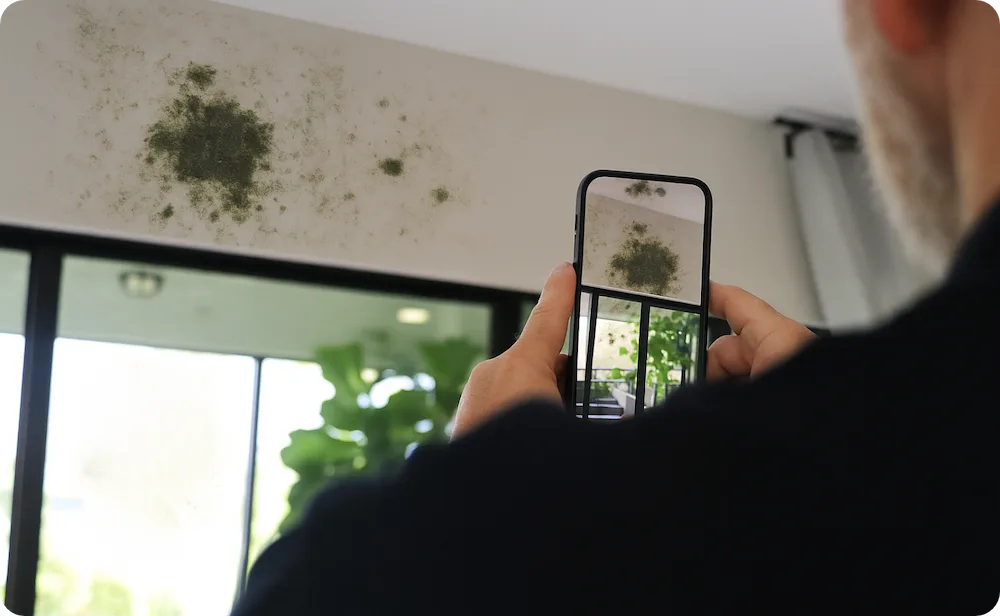
Yes. When water reaches absorbent building materials and remains there, conditions may support mold growth. This can become particularly complicated in commercial properties where moisture extends into shared walls, ceiling spaces, flooring systems, or areas that are not inspected regularly.
Port Charlotte’s warm, humid conditions can make controlling indoor moisture more challenging, especially after significant water intrusion or when HVAC systems are not operating normally.
The U.S. Environmental Protection Agency recommends drying wet materials within 24–48 hours when possible to help prevent mold growth. That guideline reinforces the importance of prompt mitigation, although the actual risk depends on the conditions and materials involved.
If suspected mold contamination is already present, the project may require a different approach than ordinary clean-water extraction and structural drying.
Water damage restoration and mold remediation are related but distinct services. Water mitigation focuses on addressing the water loss and drying affected materials. Mold remediation involves the appropriate management, cleaning, or removal of mold-contaminated materials.
In occupied commercial properties, mold remediation may require additional attention to containment, access restrictions, communication, and documentation.
Florida also regulates certain professional mold assessment and remediation activities separately. When formal assessment is required, it should be performed by an appropriately licensed professional consistent with applicable requirements.
For more information about addressing mold contamination in occupied business properties, visit our Commercial Mold Remediation service page.
Some minor water incidents can be handled by building maintenance when the source is controlled, the affected area is limited, and all materials can be safely and adequately dried.
Other situations require professional evaluation because the water loss extends into concealed materials, affects multiple occupants, or creates operational and safety concerns.
| Situation | Why Professional Restoration May Be Appropriate |
|---|---|
| Water has entered multiple suites | The affected footprint may extend through shared walls, ceilings, or flooring systems. |
| Standing water covers a large floor area | Professional extraction may be needed before appropriate structural drying can begin. |
| Suspended ceilings or insulation are wet | Concealed materials and overhead components may require evaluation or removal. |
| Water has reached electrical or mechanical equipment | Specialized safety evaluation and coordination with qualified contractors may be necessary. |
| Tenants or employees cannot access occupied areas | Restoration planning may need to account for business operations and safe access. |
| Commercial flooring remains damp | Water may be trapped beneath the finished surface or within flooring assemblies. |
| The water source is contaminated | Cleanup methods, material handling, and protective procedures may be different from a clean-water loss. |
| The water loss occurred after hours | Damage may have spread for an unknown period before discovery. |
| Property management needs detailed records | Professional documentation can help coordinate restoration, repairs, and insurance reporting. |
For commercial property owners and managers, the decision is not simply whether the visible water can be removed. It is whether the affected building materials, safety conditions, and operational requirements can be properly addressed.
A structured response helps establish what happened, which areas need attention, and how the property can move toward recovery.
If your Port Charlotte commercial property has experienced water damage, contact PuroClean of Venice at (941) 294-0404 or Request Immediate Help to discuss the situation.
Once the water source has been controlled and immediate safety concerns have been addressed, the next step is determining how much of the commercial property was affected and what will be required to restore it.
For a small professional office, that may involve extracting water from carpeting and drying several walls. A larger loss affecting multiple suites, suspended ceilings, electrical systems, or stored inventory can require a more coordinated response.
Professional commercial water damage restoration typically involves documenting affected areas, extracting water, evaluating building materials, establishing appropriate drying conditions, and monitoring progress. Depending on the circumstances, the project may also require selective material removal, specialized cleaning, and coordination with other qualified contractors.
For commercial property owners and managers in Port Charlotte, understanding this process helps establish realistic expectations about building access, operational disruption, and the work necessary before affected spaces can return to normal use.
The first stage involves reviewing the circumstances of the water loss and identifying the affected areas. Restoration professionals consider the source and condition of the water, the materials involved, and any immediate safety or access restrictions.
Commercial buildings may require evaluation of multiple interconnected spaces. Water visible in one office could have traveled beneath partition walls, through a shared ceiling assembly, or into an adjoining suite.
Moisture meters, thermal imaging, and other detection methods may help identify areas requiring attention. Thermal imaging reveals temperature patterns that can warrant further investigation, but suspected moisture should be verified using appropriate measurements or inspection methods.
Property managers should also identify critical operational priorities. These may include access to essential offices, protection of business equipment, or coordination with tenants whose spaces are affected.
The resulting restoration scope should distinguish between immediate mitigation, necessary repairs, and any reconstruction that will follow.
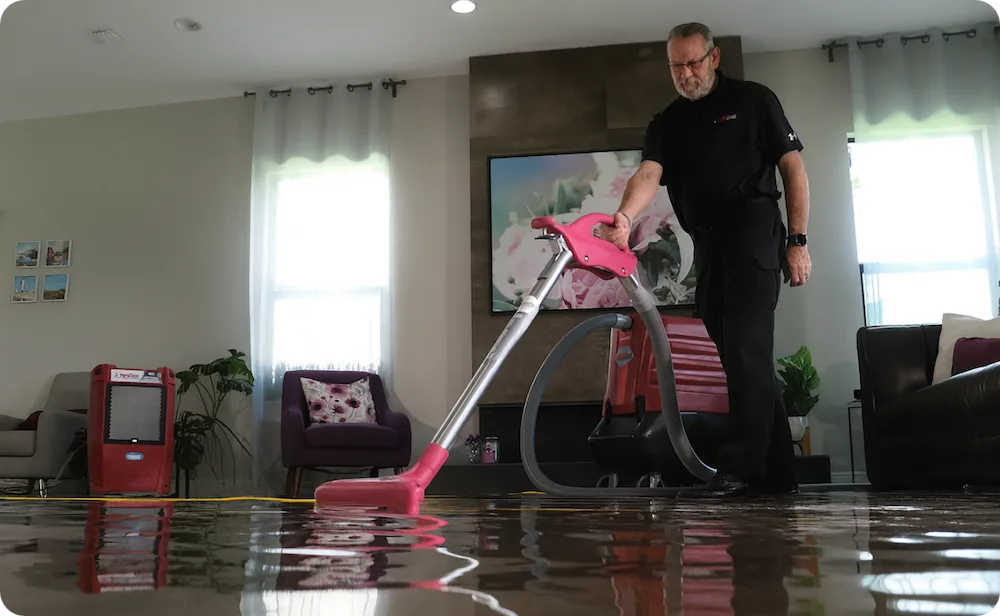
When standing water is present, extraction helps reduce the amount of moisture remaining inside the building. Depending on the project, commercial extraction equipment may be used to remove accessible water from flooring and other affected surfaces.
The source of the water matters. A supply-line failure may initially involve relatively clean water, while a sanitary sewer backup, storm flooding, or water that has contacted contaminated materials can present additional cleaning and safety concerns.
Restoration procedures should reflect the actual water conditions, duration of exposure, and affected materials. Water that was initially clean should not automatically be assumed to remain so after traveling through a building.
Where contamination is present, appropriate cleaning, material handling, and protective measures may be necessary before ordinary structural drying can proceed.
Not every material that becomes wet must be removed. Some flooring, drywall, structural materials, and building components may be suitable for professional drying when their condition and the water source permit.
Other materials may require removal because of contamination, deterioration, or an inability to dry them adequately.
Commercial properties frequently contain large areas of carpeting, suspended ceiling systems, partition walls, and specialized finishes. Decisions about retaining these materials should account for their construction, condition, and the requirements of the restoration project.
The objective is to avoid both unnecessary demolition and inadequate cleanup. A clear restoration scope should explain which materials can be retained, what must be removed, and why.
After excess water has been extracted and materials requiring removal have been addressed, the remaining affected areas may need controlled structural drying.
Professional restoration equipment may include air movers, dehumidifiers, moisture meters, and specialized drying systems selected for the affected construction.
In commercial buildings, equipment placement requires attention to more than moisture removal. Technicians and property managers may need to consider corridors, entrances, occupied areas, equipment noise, electrical capacity, and safe access routes.
Drying methods should also account for the nature of the water loss. Ordinary airflow techniques are not automatically appropriate in areas with suspected mold contamination or other hazardous conditions.
The drying plan may be adjusted as materials respond and conditions change.
Commercial restoration projects benefit from organized documentation, particularly when several tenants, contractors, or insurance representatives are involved.
Technicians may monitor moisture levels and environmental conditions throughout the drying process. Those findings help determine whether equipment adjustments are necessary and when established drying goals have been reached.
Depending on the scope, documentation may include photographs, moisture measurements, descriptions of affected materials, equipment records, and summaries of mitigation work.
Property owners and managers should understand which spaces have completed mitigation, which remain restricted, and whether additional repairs or inspections are necessary.
Finishing structural drying does not necessarily mean every affected commercial space is ready for normal occupancy.
Some projects require flooring installation, drywall repairs, ceiling replacement, electrical inspections, mechanical repairs, or other reconstruction before the building can return to its intended use.
Commercial spaces with specialized operations may also have additional requirements. Healthcare facilities, food-service businesses, and other regulated properties may need inspections or approvals from the appropriate authorities or qualified professionals.
Building safety and authorization to reopen should be determined by the appropriate responsible parties, not simply by whether restoration equipment has been removed.
For more information about PuroClean’s broader commercial restoration services, visit our Commercial Water Damage Restoration page.
A commercial water damage restoration plan should give property owners and managers enough information to understand the proposed work, coordinate affected occupants, and anticipate what happens next.
The plan does not need to be unnecessarily complicated, but important responsibilities and restoration activities should be clearly defined.
| Project Component | What Should Be Addressed | Why It Matters |
|---|---|---|
| Affected areas | Rooms, suites, corridors, and building materials included in the restoration scope. | Helps prevent confusion about which areas require work. |
| Safety restrictions | Hazards, access limitations, and areas that should remain unoccupied. | Supports occupant safety and building management. |
| Water extraction | Methods for removing accessible standing water. | Establishes an initial step toward drying the property. |
| Material removal | Damaged or contaminated materials requiring removal. | Clarifies the scope of demolition and disposal. |
| Structural drying | Equipment, affected materials, and drying objectives. | Explains how remaining moisture will be addressed. |
| Monitoring | How drying progress and material conditions will be evaluated. | Provides a basis for tracking restoration progress. |
| Tenant coordination | Access requirements, work schedules, and communication responsibilities. | Helps manage disruption in occupied properties. |
| Excluded repairs | Plumbing, electrical, roofing, reconstruction, or other work outside the mitigation scope. | Helps distinguish immediate cleanup from subsequent repairs. |
| Completion documentation | Records and information available when mitigation concludes. | Supports property management, repair planning, and insurance discussions. |
Commercial properties often have multiple decision-makers. Establishing one authorized point of contact for the restoration contractor can make it easier to coordinate access, approvals, and communication with tenants.
Whether water has affected a retail space, professional office, commercial building, or multi-tenant property, PuroClean of Venice can discuss the damage and the next steps for professional restoration.
Commercial water damage restoration timelines depend on the size of the affected area, the materials involved, the condition of the water, and the work required to dry or remove damaged materials.
A limited water loss in an accessible office area may require substantially less time than a plumbing failure affecting several occupied suites, commercial flooring, and concealed wall assemblies.
For suitable water losses, structural drying may take several days. Larger or more complicated projects can take longer, especially when additional material removal, specialized cleaning, or access coordination is required.
There is also an important distinction between the time required for mitigation and the time required for a business to fully resume operations.
| Recovery Stage | Primary Objective | Potential Dependencies |
|---|---|---|
| Emergency response | Control the water loss and address immediate hazards. | Water shutoff, building access, and necessary safety measures. |
| Water mitigation | Extract water and address affected materials. | Extent of damage, water condition, and material accessibility. |
| Structural drying | Bring affected materials toward appropriate drying conditions. | Material type, moisture levels, and drying environment. |
| Repairs and reconstruction | Restore damaged finishes, equipment, or building components. | Contractor schedules, replacement materials, and repair scope. |
| Return to operations | Resume appropriate use of affected business spaces. | Safety inspections, regulatory requirements, equipment readiness, and management decisions. |
These stages may overlap. However, property managers should avoid assuming that completing one automatically means every subsequent requirement has been satisfied.
Ask the restoration contractor which milestones can be estimated based on the current conditions and which depend on additional repairs or inspections.
The cost of commercial water damage restoration in Port Charlotte depends on the extent of the water loss, affected materials, necessary equipment, accessibility, contamination, and the services required to complete mitigation.
A small professional office with limited water intrusion may require targeted extraction and drying. A multi-tenant commercial building with wet ceilings, extensive flooring damage, and affected mechanical systems may involve substantially more work.
There is no reliable flat price for every commercial water damage project. The appropriate estimate should reflect the actual conditions and distinguish water mitigation from plumbing repairs, equipment replacement, and reconstruction.
| Cost Factor | Why It Matters | Example |
|---|---|---|
| Affected square footage | Larger areas may require more labor, equipment, and material handling. | One office versus several connected suites. |
| Water source and condition | Contaminated water can require additional cleaning, protection, and material removal. | Supply-line failure versus sewage backup. |
| Duration of exposure | Longer exposure can increase material damage and restoration complexity. | Leak discovered immediately versus one found after a weekend. |
| Commercial building materials | Flooring, ceiling systems, partitions, and insulation may require different methods. | Carpet tile, suspended ceilings, and partition walls. |
| Concealed moisture | Additional evaluation or access may be needed when water reaches enclosed assemblies. | Moisture behind shared walls or above ceilings. |
| Access and operational restrictions | Building access, tenant schedules, and site requirements may affect how work is organized. | Work around occupied areas or restricted equipment rooms. |
| Drying equipment and monitoring | The necessary equipment and drying duration depend on project conditions. | Multiple dehumidifiers and air movers across affected spaces. |
| Material removal | Damaged or contaminated materials may require removal and disposal. | Wet insulation, ceiling tiles, or deteriorated drywall. |
| Separate repairs | Plumbing, electrical, HVAC, and reconstruction costs may fall outside mitigation. | Repairing a failed water line or replacing commercial flooring. |
Two commercial properties with similar square footage may require very different restoration work.
Consider a retail store where a small plumbing leak affects an accessible section of flooring. If the source is corrected quickly and the materials remain suitable for drying, the project may be relatively limited.
Now consider a multi-suite office building where water travels through a ceiling assembly and affects several occupied spaces. That project may require additional access, coordination, equipment, material removal, and documentation.
The differences are not simply about building size. They involve the location of the water, the materials affected, and the practical requirements of completing the restoration.
A transparent estimate helps property owners make informed decisions and provides a clearer basis for coordinating contractors, tenants, and insurance representatives.
Commercial property insurance may cover certain water losses, but the answer depends on the policy, the cause of damage, and any applicable limits, deductibles, or exclusions.
For example, damage from a sudden plumbing failure may be treated differently from damage associated with long-term seepage, recurring maintenance problems, or flooding from outside the building.
Commercial insurance coverage should not be assumed simply because the building experienced water damage. Property owners and tenants should review their individual policies and speak with their insurance representatives.
Commercial water damage can involve several types of property and financial loss. Depending on the circumstances, different policies or coverage provisions may apply.
| Potential Coverage Area | What It May Involve | Important Consideration |
|---|---|---|
| Building property | Walls, ceilings, flooring, and other covered building components. | Coverage depends on the building policy and cause of loss. |
| Business personal property | Tenant-owned inventory, furniture, equipment, and other business assets. | The tenant’s own policy may be relevant. |
| Business interruption | Certain lost income or ongoing expenses resulting from covered interruptions. | Coverage depends on policy terms, triggering events, limitations, and required documentation. |
| Extra expense | Certain additional costs incurred to continue or resume operations. | Not every additional expense qualifies under every policy. |
| Equipment-related loss | Damage affecting covered business machinery or systems. | Coverage depends on the equipment, cause of damage, and applicable policy provisions. |
A restoration contractor can document the property damage and mitigation work performed, but cannot determine whether a particular policy covers lost revenue, tenant property, equipment replacement, or other business expenses.
Those questions should be addressed with the appropriate insurance representative or qualified insurance professional.
That depends on the property ownership structure, lease terms, insurance arrangements, and the nature of the loss.
A commercial landlord may have coverage for certain building components, while a tenant may maintain separate insurance for business property or interruption losses.
In multi-tenant buildings, more than one party may need to notify an insurer. Property managers should avoid assuming that one claim automatically addresses every tenant’s property or financial loss.
Review the applicable lease and policy documents and consult the appropriate professionals when responsibilities are uncertain.
Clear documentation can make a complicated restoration project easier to manage.
This is particularly useful when multiple suites are affected, tenants have separate insurance arrangements, or work must be coordinated between the restoration contractor and other trades.
| Record | What to Document | Why It May Be Useful |
|---|---|---|
| Incident timeline | When the water loss was discovered, reported, and controlled. | Helps establish the sequence of events. |
| Photographs and video | Visible water, affected rooms, materials, and damaged property when safe. | Provides a visual record of initial conditions. |
| Affected-area inventory | Suites, common areas, storage spaces, and building systems involved. | Helps coordinate the restoration scope. |
| Plumbing or building-system findings | Reports identifying the failed component or source of water. | Documents the cause and related repair work. |
| Mitigation records | Water extraction, drying activities, material removal, and project progress. | Supports property management and insurance discussions. |
| Moisture measurements | Relevant readings and drying records when available. | Helps document moisture conditions during the project. |
| Tenant communications | Notifications, access restrictions, and significant project updates. | Creates a record of coordination with affected occupants. |
| Vendor estimates and invoices | Mitigation, plumbing, electrical, and reconstruction costs. | Helps distinguish expenses associated with different services. |
| Insurance correspondence | Claim notifications, requests, instructions, and communications. | Keeps claim-related information organized. |
When documenting tenant spaces, medical offices, or other businesses handling sensitive information, protect confidential records and personal information. Restoration documentation should focus on the property damage and authorized project requirements.
Documentation does not guarantee insurance coverage or reimbursement, but it can help establish what happened and what work was performed.
There is no universal reopening timeline for commercial water damage.
A limited plumbing leak in an isolated office may affect operations differently from a large water loss involving electrical systems, contaminated water, multiple suites, or significant reconstruction.
A commercial space should return to use only when the relevant safety concerns have been addressed and any applicable inspections, repairs, or occupancy requirements have been satisfied.
Completing water extraction does not automatically establish that a building is safe for normal operations. The same is true when structural drying finishes but electrical or mechanical repairs remain outstanding.
Property owners and managers should coordinate these decisions with the appropriate contractors, inspectors, authorities, and other responsible professionals.
A restoration contractor can explain the status of its mitigation work, but that should not be confused with approval of every building system or authorization to reopen.
Not every commercial water loss can be prevented. However, building maintenance, early detection, and a clear emergency response plan may reduce the consequences of plumbing failures and other water intrusion events.
For commercial properties in Port Charlotte, prevention planning should account for plumbing systems, roof and building-envelope conditions, HVAC equipment, seasonal rainfall, and periods when buildings may be partially or completely unoccupied.
| Preventive Measure | Why It Matters |
|---|---|
| Identify water shutoff locations | Allows authorized personnel to respond more quickly to plumbing failures. |
| Maintain plumbing systems | May help identify deteriorated components, recurring leaks, or pressure-related concerns. |
| Inspect roofs and drainage | Helps identify conditions that could contribute to water intrusion during heavy rainfall. |
| Maintain HVAC condensate systems | Reduces the likelihood of avoidable condensate leaks and related moisture problems. |
| Consider leak detection | Suitable monitoring or automatic shutoff systems may provide earlier warning. |
| Review after-hours procedures | Helps establish who should be contacted when water damage is discovered outside business hours. |
| Keep emergency contacts current | Supports communication among property management, tenants, maintenance, and contractors. |
| Protect vulnerable inventory | Appropriate storage arrangements may reduce exposure to water near floors or plumbing systems. |
| Document building conditions | Maintenance records may help identify recurring problems before another incident. |
For multi-tenant properties, it can also be useful to establish a written emergency communication process that identifies who has authority to approve immediate work and who is responsible for contacting affected occupants.
These preparations cannot eliminate every risk, but they can help reduce uncertainty when an unexpected water loss occurs.
Water mitigation should begin as soon as it is safe and practical after the source has been controlled. Prompt extraction and drying can help reduce additional material damage. The extent of work depends on the affected areas, water conditions, and building materials.
Sometimes. If unaffected areas remain safe and suitable for occupancy, management may be able to consider continued operations in those spaces. However, electrical hazards, contamination, structural concerns, access restrictions, or other conditions may require partial or complete closure. Appropriate qualified professionals should evaluate relevant safety concerns.
Drying time depends on the amount of water, duration of exposure, affected materials, and environmental conditions. Some suitable projects may dry over several days, while more complicated losses require additional time. Moisture monitoring helps determine progress toward project-specific drying goals.
Not always. Whether commercial carpet or carpet tile can be restored depends on the source and condition of the water, the duration of exposure, the flooring system, and the condition of the materials. Contamination, deterioration, or damage to adhesives and backing may require removal.
Yes. Water can travel through shared walls, ceiling spaces, flooring assemblies, and building penetrations. A leak discovered in one suite may affect neighboring spaces even when water is not immediately visible there. Professional evaluation can help identify the affected areas.
Responsibilities depend on lease terms, ownership arrangements, the cause of the damage, and applicable laws and insurance policies. Building owners and tenants may have separate obligations. Review the lease and consult the appropriate property management, insurance, or legal professionals when necessary.
Commercial property insurance may cover certain water damage losses, depending on the policy and circumstances. Sudden plumbing failures may be treated differently from flooding, gradual leakage, or excluded conditions. Building property, tenant belongings, and lost business income may also be subject to separate coverage provisions.
Yes. Moisture remaining in drywall, insulation, carpeting, or concealed building assemblies can create conditions that support mold growth. When contamination is suspected or identified, professional mold assessment or remediation may be appropriate. Learn more about our commercial mold remediation services.
Some water-damaged ceiling tiles may need removal, particularly when they have deteriorated, become contaminated, or cannot be adequately restored. The condition of the tiles, surrounding insulation, and overhead building systems should also be considered before the affected area is returned to use.
Keep occupants away from potentially energized wet areas and do not attempt to operate affected equipment. A qualified electrician or other appropriate professional should evaluate water-exposed electrical systems and determine what inspection, repair, or replacement is necessary before use.
Maintaining records for each affected suite or area can help clarify the restoration scope, coordinate tenant communication, and support insurance discussions. The level of documentation depends on the circumstances, but identifying affected locations and work performed is generally useful.
PuroClean of Venice provides commercial water damage restoration and related property mitigation services. Plumbing, electrical, roofing, and specialized mechanical repairs should be performed by appropriately qualified professionals. The restoration scope should explain which services are included and which repairs must be coordinated separately.
Commercial restoration schedules depend on the urgency of the loss, building access, safety requirements, available personnel, and the agreed scope of work. Property managers should discuss scheduling requirements directly with the restoration provider rather than assuming that all work can be completed outside normal business hours.
When a commercial property experiences water damage, the challenge isn’t limited to removing the water. Building owners may need to coordinate multiple contractors. Property managers may be communicating with several tenants. Business operators may be trying to protect inventory, maintain access, and understand when normal operations can resume.
Those concerns deserve a restoration approach that accounts for the building, its occupants, and the actual conditions of the loss.
PuroClean of Venice provides commercial water damage restoration in Port Charlotte, FL, serving property owners, businesses, landlords, and facility managers throughout the area.
Whether the problem involves a broken water line, roof intrusion, an HVAC leak, or water affecting several commercial suites, the first step is understanding the damage and establishing an appropriate restoration plan.
For information about our broader services for commercial properties, visit Commercial Water Damage Restoration. For water damage affecting residential or other types of properties in the area, visit our Port Charlotte Water Damage Restoration page.
Tell us what happened, which areas of the property are affected, and whether the water source has been controlled. If multiple tenants or business spaces are involved, we can discuss the restoration considerations and what information will help establish the next steps.
What Our Customers Say:
Find answers to common questions about our services
PuroClean of Venice offers a full suite of commercial restoration services, including water, fire, mold, biohazard, and storm damage recovery. We also provide emergency board-up, structural drying, and reconstruction services.
Our teams are equipped to manage both local and large-loss commercial projects with consistent quality, safety, and communication.
PuroClean of Venice regularly collaborates with insurance carriers, TPAs, and risk management teams to manage commercial property restoration claims. We provide detailed drying logs, scope documentation, and photo/video reporting for every project in Venice.
Our Certified Priority Response (CPR) Program ensures fast contact, on-site inspection within hours, and rapid reporting, meeting the timelines insurers and clients expect for large-scale commercial losses.
PuroClean of Venice handles nearly every commercial loss scenario, including commercial water damage restoration, fire and smoke damage, mold remediation, sewage cleanup, chemical spills, and biohazard decontamination.
We can also manage full reconstruction when structural repair is needed. Our national network allows us to scale from localized events to large-loss recovery, maintaining consistent quality and communication across every project.
Yes. Our commercial restoration services can be scheduled to accommodate any occupancy or business operation needs. Our top priority is always safety and excellent customer service, so you can count on PuroClean of Venice to work with your business to restore it to pre-loss conditions and help reduce business downtime.
The cost of commercial restoration depends on factors like the extent of damage, size, and complexity of the property, and whether reconstruction or contents cleaning is required. The category of water (clean vs. contaminated) and response time also impact cost.
PuroClean of Venice provides transparent estimates, detailed scopes, and proactive communication if additional work becomes necessary.
Water damage can result from unexpected leaks, flooding from storms, plumbing failures, or appliance malfunctions. Our certified teams focus on rapid water removal, drying, and stabilization to help prevent further damage and mold growth.
 Explore Our Water Damage Mitigation Services
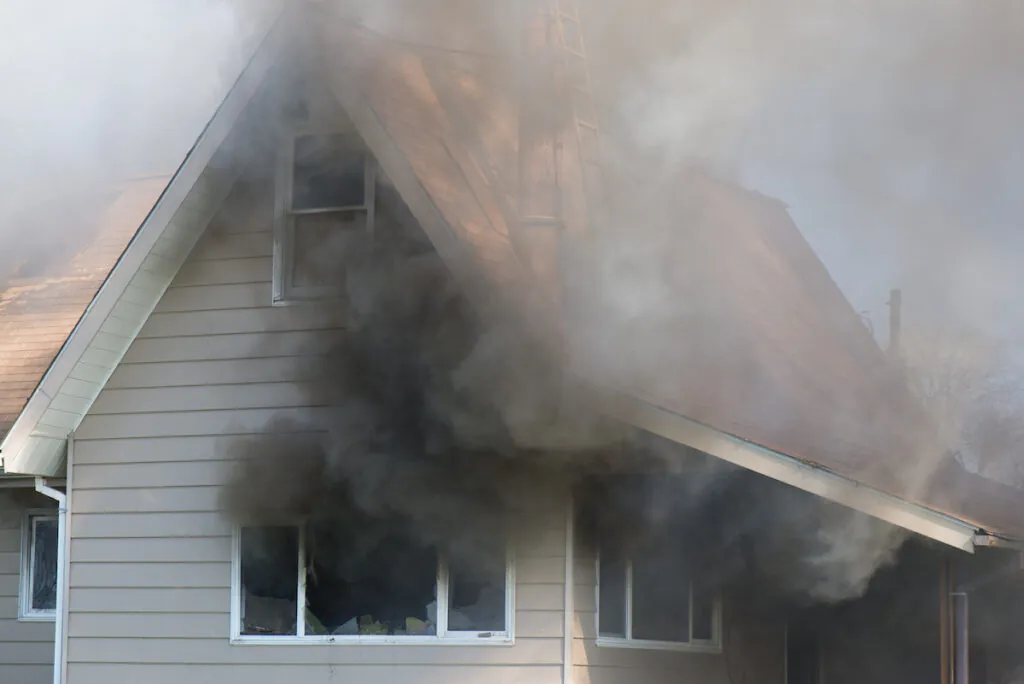
Even after a fire is extinguished, smoke, soot, and odor can continue to affect your home. Fire damage restoration services address visible damage while also helping reduce lingering effects that impact indoor air quality and surfaces.
Explore Our Fire and Smoke Damage Restoration Services
Mold often develops as a result of unresolved moisture or hidden water damage. Professional mold remediation helps identify affected areas, contain growth, and restore healthy indoor conditions.
Explore Our Mold Removal and Remediation Services
Biohazard situations, including crime scene cleanup and virus decontamination, require specialized cleaning and handling to protect health and safety. Biohazard cleanup services address contamination using proper protocols and professional care.
Explore Our Biohazard Cleanup Services
When water reaches production gear, refrigeration, IT, or stock, every hour matters. PuroClean of Venice stabilizes the loss fast, documents asset impacts, and manages a staged return to use so operations can resume in phases—not all at once. Commercial water damage isn’t just structural—it’s the machinery, inventory, electrical systems, and data infrastructure at stake.
Explore Our Commercial Water Damage Restoration Services
When a fire impacts one suite, the entire building can be affected by smoke migration, access restrictions, and documentation needs across tenants, ownership, and insurance. PuroClean of Venice helps property managers coordinate phased commercial fire and smoke restoration so each tenant’s path to re-occupancy is clear and documented.
Explore Our Commercial Fire Damage Restoration Services
For operations leaders and property managers, mold is an indoor air and liability event—not a housekeeping issue. PuroClean of Venice supports containment-first remediation, moisture-source correction, and clearance documentation workflows so regulated or occupancy-critical areas can reopen with defensible records.
Explore Our Commercial Mold Remediation Services
For regulated and sensitive environments, biohazard cleanup is an access-controlled response with infection-control documentation—not routine janitorial cleaning. PuroClean of Venice supports property managers and compliance stakeholders with discreet containment, approved disinfectant workflows, and clear re-entry records.
Explore Our Commercial Biohazard Cleanup Services
Water damage can result from unexpected leaks, flooding from storms, plumbing failures, or appliance malfunctions. Our certified teams focus on rapid water removal, drying, and stabilization to help prevent further damage and mold growth.
Explore Our Water Damage Mitigation Services

PuroClean of Venice
(941) 294-0404
7027 Treadway Rd., Port Charlotte, FL 33981