24/7 Emergency Attic Mold in North Port Services in Venice
Dark staining in an attic is a reason to investigate—not proof that a quick surface cleaning will solve the problem. A roof leak, condensation, wet insulation, or an exhaust vent releasing moist air into the attic can produce similar-looking damage. Effective attic mold cleanup starts by identifying the affected materials and the moisture source that allowed the growth to develop.
PuroClean of Venice provides attic mold cleanup in North Port, FL. We assess the affected area, explain the recommended remediation scope, and help you understand which moisture problem must be corrected to reduce the chance of mold returning. If the source requires roofing, HVAC, or ventilation work, that repair should be addressed alongside the cleanup plan.
Attic mold can affect roof decking, framing, sheathing, and insulation. Cleaning a visible stain without addressing ongoing moisture may leave the underlying problem in place. The right approach depends on what is wet, how far the condition extends, and whether the materials can be cleaned or need to be removed.
For example, a localized roof leak may affect one section of decking and insulation. Moist air entering through an exhaust duct or air leak may create a broader pattern of condensation. Those situations can look similar from the attic access opening, but they call for different source repairs and potentially different remediation scopes.
Several moisture problems can contribute to attic mold. During an inspection, it is important to look beyond the visible staining and consider possible sources such as:
Finding the source matters because mold remediation and source repair are connected, but they are not necessarily the same job. A cleanup plan should make clear what PuroClean will address and what roofing, HVAC, or ventilation work may need a separate scope.
Attic mold is not always obvious from inside the home. Consider having the attic evaluated if you notice:
A dark spot alone does not establish its cause or how much material is affected. An evaluation helps determine what needs attention before cleanup begins.
First, take note of any active water intrusion. If water is entering through the roof or an HVAC component, arrange to have that source addressed promptly. Avoid disturbing visibly affected insulation or scrubbing a large area without understanding the extent of the problem; doing so can make an already difficult cleanup harder to contain.
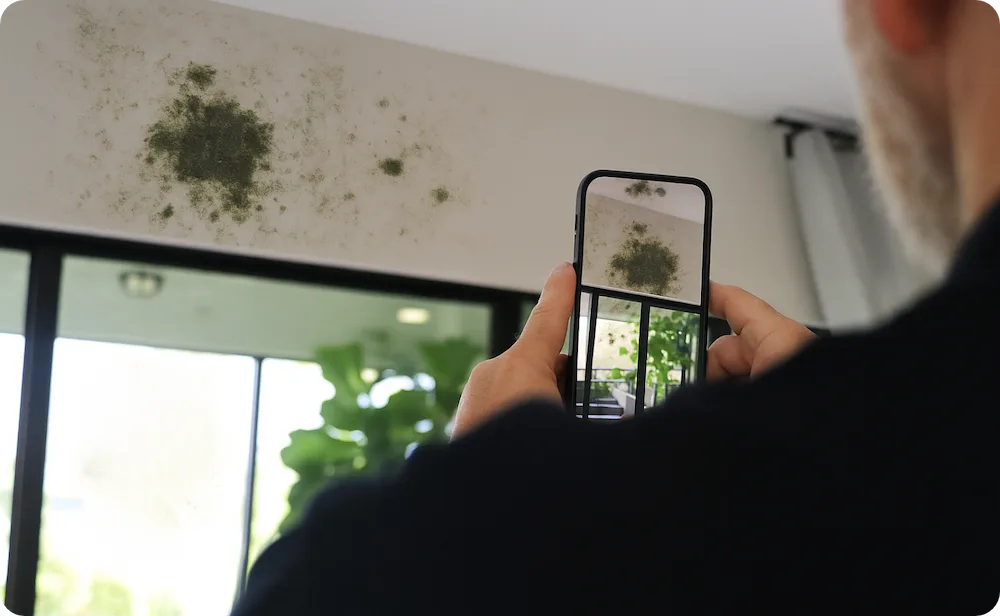
Photographs of the staining, recent leaks, and any prior repairs can help document the history. When you call, tell us where you see the issue, whether materials are currently wet, and whether you have noticed changes after rain or while the HVAC system is running.
We look at the visible condition of the attic materials and the likely boundaries of the affected area. A stain on one piece of decking may call for a different scope than moisture affecting framing and insulation across several sections.
We consider where water or humid air may be entering and whether the condition appears active. The findings help distinguish between a cleanup issue and a separate repair that must be completed to keep the materials dry.
The plan should explain which materials can be cleaned, which may need removal, and how the work area will be controlled. The appropriate methods depend on the materials and conditions found during the evaluation.
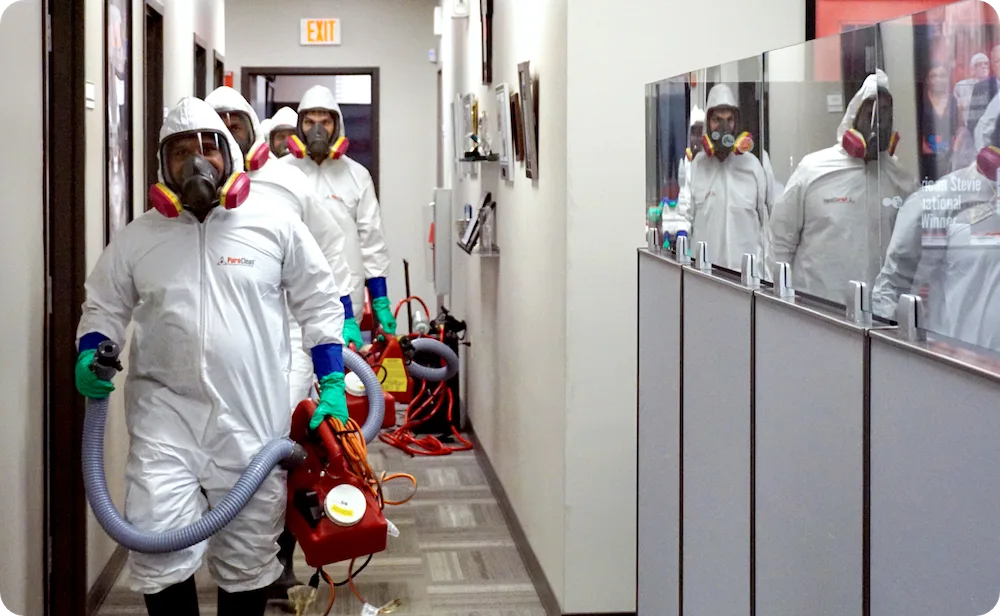
Where appropriate, remediation can include containment, removal of affected porous materials, cleaning of salvageable surfaces, and use of HEPA equipment. Wet or mold-affected insulation may require removal rather than surface treatment. The goal is to address the affected materials—not simply cover visible staining.
Before the job is considered resolved, you should know whether a roof leak, exhaust duct, HVAC issue, or ventilation problem still needs correction. Roofing, HVAC, and ventilation repairs are separate from the mold-remediation scope unless they are expressly included in the proposal.
It depends on the material and its condition. Accessible wood framing or decking may be cleanable in some circumstances. Wet, porous insulation is different: when it is heavily affected, removal and replacement may be the appropriate course. A visual stain does not tell the whole story, so we determine the scope from the condition of the attic rather than applying the same treatment to every home.
Cleanup addresses the affected materials, but the attic also needs to remain dry. If a roof leak continues or humid air is still venting into the attic, new growth can develop after remediation. That is why we emphasize identifying the moisture source and explaining any repairs that must be completed as part of a lasting solution.
If you have already had the attic cleaned and the staining returned, let us know. The history of previous cleanup and repairs is useful when evaluating what may have been missed.
There is no reliable flat price without seeing the attic. The cost can change based on the size of the affected area, access to the work space, whether insulation must be removed, the condition of the decking and framing, and the containment or cleaning methods required. A separate roof, HVAC, or ventilation repair can also affect the total cost of resolving the moisture problem.
After evaluating the attic, we can explain the recommended remediation scope so you can see what work is—and is not—included.
Coverage depends on your policy and the cause of the moisture damage. A sudden covered event may be treated differently from a long-term leak or condensation issue. Your insurer makes the coverage decision; we do not promise that a claim will be approved. If you are considering a claim, document the damage and contact your insurance company promptly.
No. Staining can have more than one cause, and appearance alone may not tell you whether the condition is active. An evaluation can help determine what is affected and whether moisture is still present.
No. A roof leak is one possibility, but condensation, improperly routed exhaust, HVAC moisture, and other sources can also affect an attic. The source should be investigated before assuming which repair is needed.
A small, accessible surface issue is different from widespread staining, wet insulation, or damage tied to an unresolved leak. If the extent or source is uncertain, professional evaluation can help you avoid disturbing affected materials without a clear plan.
Timing depends on the affected area, access, materials, and whether the moisture source has been corrected. We can give you a more useful timeline after evaluating the attic and defining the work.
Do not assume those repairs are included. If a roof, HVAC, or ventilation issue is contributing to the moisture, we will explain that finding and clarify which work falls outside the remediation scope.
PuroClean of Venice serves homeowners in North Port. If you are dealing with a musty attic, stained decking, or insulation that became wet after a leak, we can help you determine the next step and develop an appropriate cleanup scope.
You can also learn more about our broader mold removal services and our attic mold cleanup service in Venice.
What Our Customers Say:
Find answers to common questions about our services
Mold returning after DIY remediation is likely if the underlying moisture problem is not. Professional remediation includes moisture control measures and post-remediation verification to reduce this risk significantly.
A small, contained project may take only a few days, while large-scale contamination can take weeks. The timeline depends on the extent of damage, materials affected, and whether reconstruction is required.
Mold remediation may require partial relocation or temporary closure of affected areas. Containment zones and HEPA air scrubbers minimize disruption, and many properties remain partially usable during the process
Professional technicians at PuroClean of Venice use tools such as moisture meters, infrared cameras, and air sampling to detect moisture where mold colonies may be found. Identifying hidden mold is critical, as untreated areas can continue to spread contamination.
Early indicators include musty odors, visible patches of discoloration on walls or ceilings, and unexplained allergy-like symptoms among occupants. Mold may also hide behind wallpaper, under flooring, or inside HVAC systems
Water damage can result from unexpected leaks, flooding from storms, plumbing failures, or appliance malfunctions. Our certified teams focus on rapid water removal, drying, and stabilization to help prevent further damage and mold growth.
 Explore Our Water Damage Mitigation Services
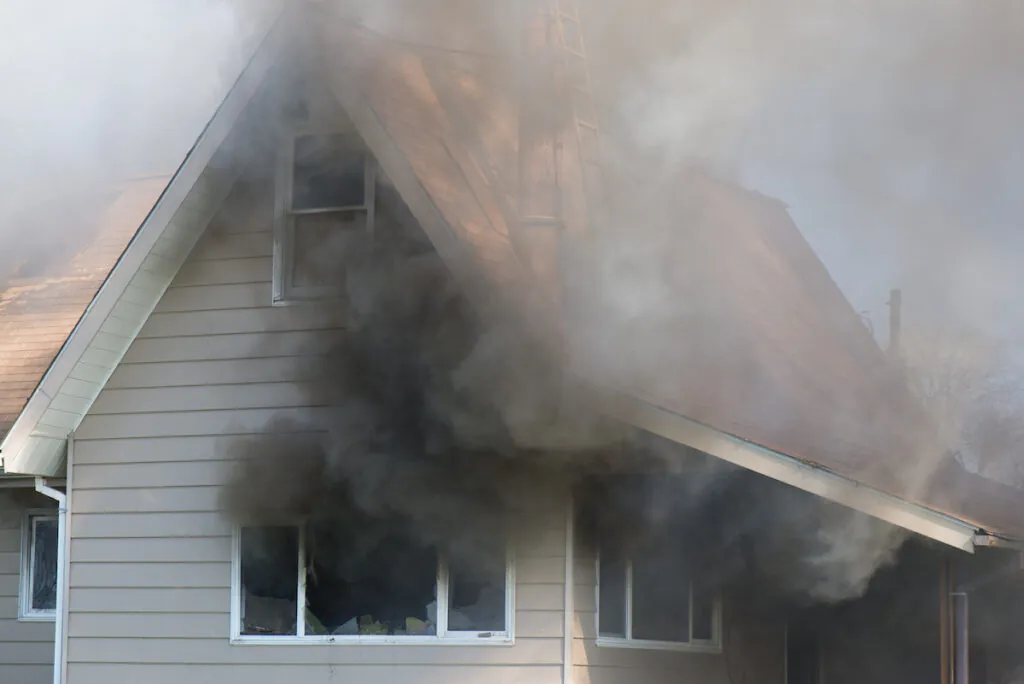
Even after a fire is extinguished, smoke, soot, and odor can continue to affect your home. Fire damage restoration services address visible damage while also helping reduce lingering effects that impact indoor air quality and surfaces.
Explore Our Fire and Smoke Damage Restoration Services
Mold often develops as a result of unresolved moisture or hidden water damage. Professional mold remediation helps identify affected areas, contain growth, and restore healthy indoor conditions.
Explore Our Mold Removal and Remediation Services
Biohazard situations, including crime scene cleanup and virus decontamination, require specialized cleaning and handling to protect health and safety. Biohazard cleanup services address contamination using proper protocols and professional care.
Explore Our Biohazard Cleanup Services
When water reaches production gear, refrigeration, IT, or stock, every hour matters. PuroClean of Venice stabilizes the loss fast, documents asset impacts, and manages a staged return to use so operations can resume in phases—not all at once. Commercial water damage isn’t just structural—it’s the machinery, inventory, electrical systems, and data infrastructure at stake.
Explore Our Commercial Water Damage Restoration Services
When a fire impacts one suite, the entire building can be affected by smoke migration, access restrictions, and documentation needs across tenants, ownership, and insurance. PuroClean of Venice helps property managers coordinate phased commercial fire and smoke restoration so each tenant’s path to re-occupancy is clear and documented.
Explore Our Commercial Fire Damage Restoration Services
For operations leaders and property managers, mold is an indoor air and liability event—not a housekeeping issue. PuroClean of Venice supports containment-first remediation, moisture-source correction, and clearance documentation workflows so regulated or occupancy-critical areas can reopen with defensible records.
Explore Our Commercial Mold Remediation Services
For regulated and sensitive environments, biohazard cleanup is an access-controlled response with infection-control documentation—not routine janitorial cleaning. PuroClean of Venice supports property managers and compliance stakeholders with discreet containment, approved disinfectant workflows, and clear re-entry records.
Explore Our Commercial Biohazard Cleanup Services
Water damage can result from unexpected leaks, flooding from storms, plumbing failures, or appliance malfunctions. Our certified teams focus on rapid water removal, drying, and stabilization to help prevent further damage and mold growth.
Explore Our Water Damage Mitigation Services

PuroClean of Venice
(941) 294-0404
7027 Treadway Rd., Port Charlotte, FL 33981


© 2026 PuroClean. All Rights Reserved.