 PuroClean of Waconia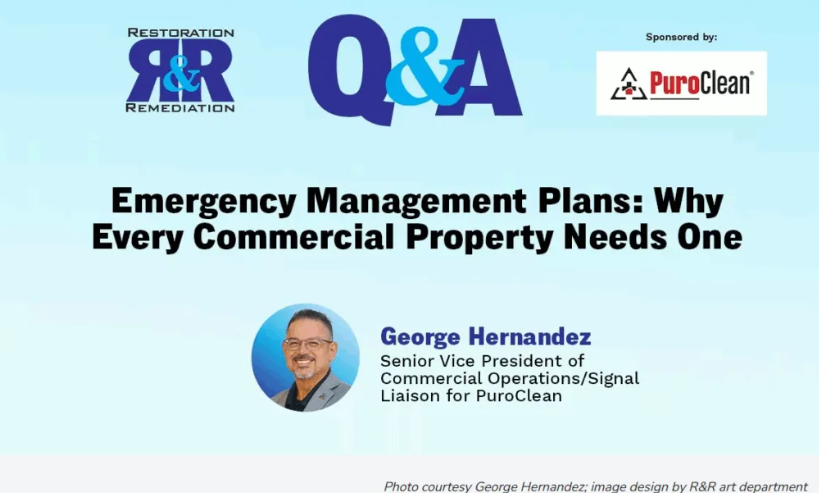


 Ask Flat Walter, your AI assistant
When disaster strikes, every second matters. That’s true for homeowners – but for Minnesota commercial and industrial properties, the stakes are even higher. From frozen pipes and winter storms to fires, flooding, and mechanical failures, the difference between fast recovery and prolonged business interruption often comes down to one critical factor:
👉 How well the property was prepared before the emergency.
Restoration & Remediation Magazine (R&R) recently featured George Hernandez, Senior Vice President of Commercial Operations and Signal Liaison at PuroClean, in a Q&A titled “Emergency Management Plans: Why Every Commercial Property Needs One.”
In the interview, Hernandez explains why proactive planning is essential, the vulnerabilities property owners often overlook, and how PuroClean of Waconia supports Minnesota businesses before, during, and after emergencies.
Why Emergency Planning Is Essential for Minnesota Commercial Properties
Minnesota’s weather alone makes planning essential. Commercial buildings throughout the Twin Cities, Waconia, Maple Grove, Bloomington, Eden Prairie, Minnetonka, and surrounding areas face unique risks, including:
- Frozen or burst pipes
- Ice dams and roof collapse
- Severe thunderstorms
- Rapid snowmelt flooding
- HVAC system strain
- Fire hazards from heating systems
But according to Hernandez, the biggest threat isn’t the disaster itself – it’s the lack of a plan.
Without a designated decision maker and pre-defined emergency procedures, businesses lose critical time during a crisis. In Minnesota’s harsh climate, even a few minutes of delay can dramatically increase water and structural damage.
In commercial environments, those delays can:
- Displace tenants
- Interrupt manufacturing
- Shut down retail or hospitality operations
- Affect employee safety
- Impact revenue and customer service
“Time is of the essence,” Hernandez says. With a documented emergency management plan, Minnesota businesses can act immediately instead of scrambling during high-stress situations.
The Overlooked Role of Maintenance in Preventing Property Damage
Emergency planning also includes routine maintenance – a common vulnerability in commercial buildings across Minnesota.
Systems most likely to fail during an emergency include:
- Fire sprinkler systems
- Heating units during cold snaps
- Backup generators
- Roof drains clogged with ice
- Sump pumps during rapid thaw
- Alarm systems and electrical panels
As part of PuroClean’s of Waconia Emergency Management Plan (EMP) process, teams review documentation for these systems, helping Minnesota property managers identify risks before they turn into costly losses.
This preventive approach is especially important in a state where extreme temperature swings can worsen even minor maintenance gaps.
Reducing Downtime for Minnesota Businesses After a Disaster
Downtime is the biggest threat to business continuity, especially for:
- Apartment complexes
- Retail stores and shopping centers
- Schools and churches
- Medical offices
- Warehouses
- Manufacturing operations
- Hotels and hospitality sites
When PuroClean of Waconia has an Emergency Management Plan on file for a Minnesota property, the restoration team arrives with:
- Pre-documented building access points
- Utility shut-off locations
- Vendor and mechanical contractor lists
- Site-specific notes
- Priority response instructions
This preparation means faster mitigation, quicker decision-making, and smoother communication, ultimately reducing downtime – a major advantage for Minnesota businesses trying to stay competitive and operational.
Long-Term Value for Minnesota Property Owners & Managers
Hernandez notes that some insurance carriers may look favorably on clients who have a documented EMP.
Even beyond insurance considerations, Minnesota businesses frequently see benefits such as:
- Reduced loss severity
- Faster restoration timelines
- Lower long-term operational costs
- Increased safety and compliance
- Improved tenant satisfaction
With PuroClean of Waconia as a local restoration partner, clients gain a single point of contact who already knows their building, layout, systems, and priorities – critical during an emergency.
The Reality: Many Businesses Never Reopen After a Major Disaster
Hernandez points out a tough truth:
Many businesses nationwide, including here in Minnesota, never reopen after a major fire, flood, or catastrophic event.
The downtime is simply too severe without preparation.
By creating an Emergency Management Plan and partnering with PuroClean, Minnesota property owners significantly increase their chances of recovering quickly and continuing operations.
Minnesota Businesses: Prepare Before Disaster Strikes
As Hernandez pointed out, many businesses that suffer a major disaster never reopen. The downtime is simply too severe to overcome without preparation. Having an emergency management plan and a trusted restoration partner like PuroClean of Waconia increases the likelihood of survival and long-term success.
That’s why PuroClean of Waconia invests in commercial operations leadership and proactive planning: not only to respond when disaster strikes, but to help businesses be ready before it does.
👉 Want to learn more? Read the full Q&A with George Hernandez in R&R Magazine: Emergency Management Plans: Why Every Commercial Property Needs One



 PuroClean of Waconia