


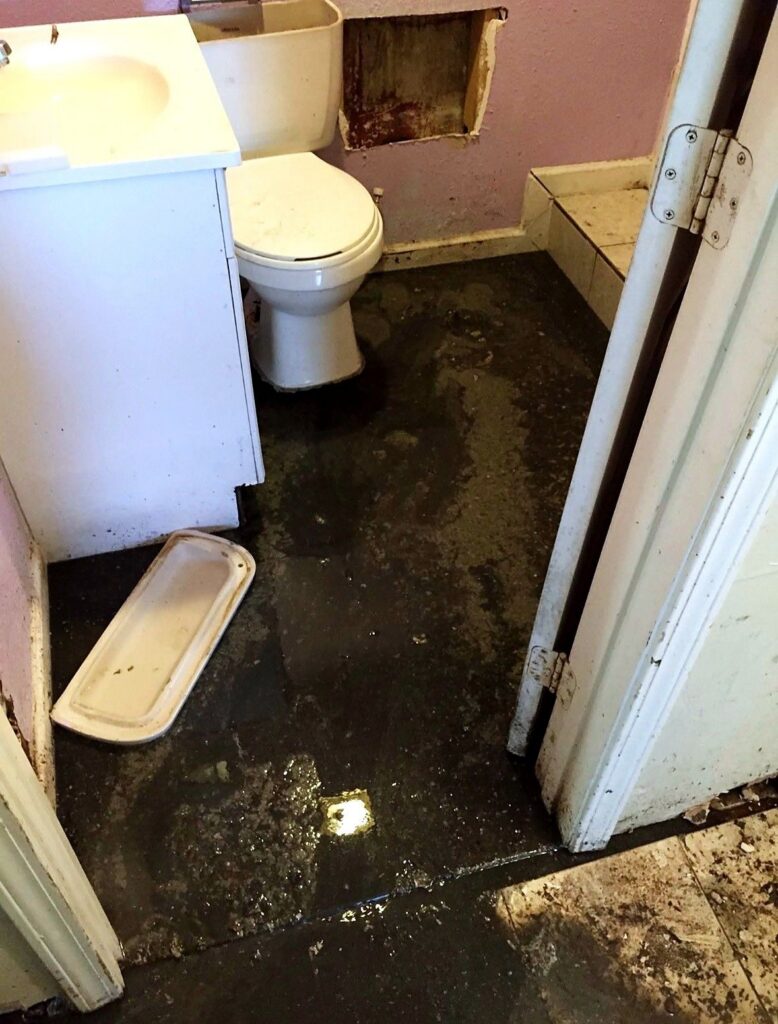
The rain has been coming down sideways since last night, and you go to the basement to check the sump. Instead, you find dark water rising out of the floor drain by the washer. There’s a smell you can’t mistake, and it’s spreading across the concrete toward the storage shelves. Sewer backup cleanup in Danvers and Stoneham basements is not a job to rush into with a mop and bucket. Here’s how to handle the first hours safely.
First, we’ll look at why heavy rain can push sewage back into a house. Then we’ll cover the first steps, the cleanup process, and questions for your insurance agent.
Why Does Heavy Rain Cause Sewer Backups?
Sanitary sewers are built to carry wastewater from sinks, toilets, and drains. They aren’t meant to carry storm runoff. During a long, heavy rain, though, extra water often finds its way in.
Rainwater and groundwater can enter through cracked pipes, loose joints, and old connections. Some homes still have downspouts or sump pumps tied into the sewer line. When too much water reaches the system at once, the pipes fill up. Water then backs up to the lowest open point, which is often a basement floor drain, toilet, or shower.
Nor’easters and coastal storms can bring the kind of long, soaking rain that does this. The ground is already wet, and groundwater is high.
How Much Rain Does the Area Get?
Plenty, and some of it comes in heavy bursts. Beverly Municipal Airport is the closest long-term weather station to Danvers. Its NOAA 1991–2020 climate normals average 44.89 inches of precipitation yearly. On roughly 11 of those days, an inch or more falls.
Those soaking days are when floor drains are most likely to act up.
Why Should Danvers and Stoneham Homeowners Pay Attention?
Both towns have a lot of homes from the mid-1900s, when many of today’s sewer laterals were installed.
| Town | Housing units (±) | Median year built (±) | Built before 1980 |
|---|---|---|---|
| Danvers | 11,536 (±472) | 1963 (±2) | About 70% |
| Stoneham | 10,196 (±388) | 1964 (±3) | About 70% |
Figures come from the Census Bureau’s latest five-year ACS release (2020–2024), tables B25034 and B25035.
An older home won’t necessarily have sewer trouble. Still, laterals of that age may have cracks, root intrusion, or joints that let water in. Finished basements in these homes also mean more to clean when water comes up.
Is It Sewage or Groundwater?
It matters, because the cleanup is different.
| Clue | More likely sewage | More likely groundwater or seepage |
|---|---|---|
| Where it comes from | Floor drain, toilet, or shower | Along walls, cracks, or the floor edge |
| Color | Gray, brown, or dark | Clear or slightly cloudy |
| Smell | Strong sewer odor | Musty or earthy |
| Debris | Paper or solids | Little or none |
| Timing | Gets worse when water is used upstairs | Rises and falls with rain and groundwater |
If you’re not sure, treat it as sewage until a professional checks.
What Should You Do First?
Your safety comes before your belongings.
- Stay out of standing water if it’s near outlets, cords, or the electrical panel.
- Shut off power to the basement only if you can reach the breaker from a dry spot.
- Stop using water upstairs. Every flush and shower can add to the backup.
- Keep kids and pets out of the basement.
- Wear rubber boots, gloves, and eye protection if you must go down.
- Don’t use a household vacuum or shop vac on sewage.
- Take photos and video of the water, the drain, and damaged items.
- Call a licensed plumber to clear the line or find the blockage.
- Let your insurance agent know as soon as you can.
If water is pouring in fast, or several neighbors have the same problem, call the town’s public works department. The trouble may be in the main line.
How Does Professional Sewer Backup Cleanup in Danvers Work?
The ANSI/IICRC S500 standard treats sewage as Category 3 water. That means it may carry bacteria and other contaminants, so cleanup follows stricter steps. Our water damage restoration service handles this work.
Containment and Protective Gear
Crews wear protective suits, gloves, and respirators. They may set up barriers and air filtration so odors and particles don’t spread upstairs.
Water Removal
Standing water is pumped or extracted. Solids and debris are removed.
Removing Porous Materials
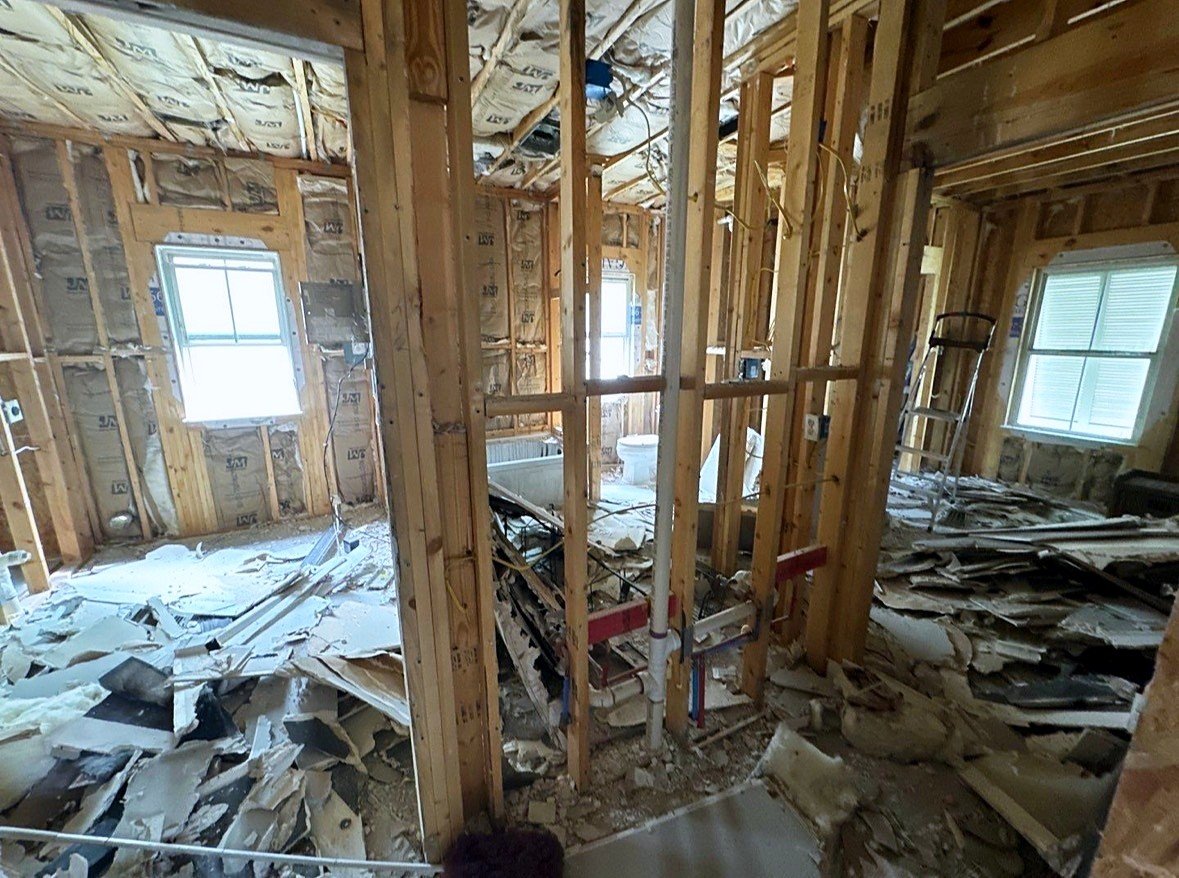
Carpet, padding, cardboard, and other porous items that soaked in sewage are usually thrown away. Drywall and insulation that wicked up water are typically cut out above the wet line.
Cleaning and Disinfecting
Hard surfaces like concrete, framing, and hard plastics are cleaned and treated with an antimicrobial.
Drying and Checking
Once the area is clean, drying equipment goes in. Moisture readings are taken daily until materials reach a dry goal. Most basements take several days.
What Can Usually Be Saved?
Less than after a clean-water leak, because sewage is Category 3.
- Hard, non-porous items such as metal, glass, and hard plastic can often be cleaned and disinfected.
- Solid wood furniture may be cleanable if the water contact was brief.
- Carpet, padding, mattresses, upholstered furniture, stuffed toys, and paper goods are usually discarded.
- Important documents and photos may be helped by specialty methods. Ask before you throw them out.
What If the Basement Is Finished?
A finished basement makes sewer backup cleanup in Danvers and Stoneham homes bigger, because there’s more porous material in the path of the water.
- Wall-to-wall carpet and pad that touched sewage are removed.
- Drywall is usually cut out above the highest wet point, along with wet insulation.
- Wood baseboards and trim may be removed so the wall cavities can dry and be cleaned.
- Built-in cabinets may need to come out if water reached the bottoms.
- Laminate and engineered floors often trap water underneath and are usually removed.
Rebuilding comes after the space is clean, disinfected, and tested dry. Rushing new drywall over damp framing can lead to odor or mold later. It helps to photograph your finished space now, before anything happens, so you have a record of what was there.
Does Insurance Cover a Sewer Backup?
Often not under a standard policy by itself. The Insurance Information Institute’s guide to covered disasters says sewer backups aren’t covered by a typical homeowners policy or by flood insurance. It says coverage can be bought as a separate product or an endorsement, usually at a nominal cost.
Coverage depends on your policy, so check with your agent or adjuster before you decide. Photos, moisture logs, and an itemized list help with any claim. We write our estimates in Xactimate, which is widely used.
How Can You Lower the Risk of the Next Backup?
A plumber can help with most of these.
- Ask about a backwater valve on your main sewer line or floor drain.
- Have the sewer lateral camera-inspected if you’ve had backups before.
- Disconnect downspouts or sump pumps that drain into the sewer, if a plumber finds any.
- Don’t pour cooking grease down the drain.
- Keep wipes and paper towels out of the toilet.
- Store items in plastic bins on shelves, not cardboard on the floor.
- Know where your main water shutoff is.
Example: A Stoneham homeowner notices the basement shower drain gurgling during a two-day coastal storm. By evening, sewer water is coming up through the floor drain and has soaked the carpet in the playroom. We invented this scene to illustrate the steps; it isn’t a customer’s story.
Frequently Asked Questions
Can I Clean Up a Small Sewer Backup Myself?
A very small backup on bare concrete may be manageable with proper gear and a disinfectant. If sewage touched carpet, drywall, or furniture, or covers a large area, professional cleanup is the safer choice.
Is the Town Responsible for My Sewer Backup?
It depends on where the problem started. Homeowners are usually responsible for the lateral line from the house to the street main. Problems in the main line are usually handled by the town. A plumber can help find the cause.
How Long Does Sewer Backup Cleanup in Danvers Take?
Plan on a day or two for removal and cleaning, then several days of drying. The total depends on how much water came in and what it reached.
Will My Basement Smell Afterward?
Once porous materials are removed and the space is cleaned and dried, the odor should clear. Lingering smells usually point to a missed wet spot or material.
Do You Serve Danvers and Stoneham?
Yes. Our Wakefield team serves both towns. See our Danvers service area page and Stoneham service area page.
Need Sewer Backup Cleanup in Danvers or Stoneham?
When a storm pushes sewer water into your basement, PuroClean of Wakefield picks up the phone 24/7. We’re a locally owned and operated team. Owner Frank Greenwood and our technicians carry IICRC WRT and ASD certifications, and our business is EPA Lead-Safe Certified. Call (781) 486-3200 for help. Our location is 80 New Salem Street, Bay 1, Wakefield, MA 01880. We serve Danvers, Stoneham, Peabody, Melrose, Wakefield, and neighboring towns.