24/7 Restoration Services Bedford Property Owners Trust for Water, Fire, Mold and Biohazard Damage.
PuroClean of Wakefield
Restoration Services Bedford Homes and Businesses Count On
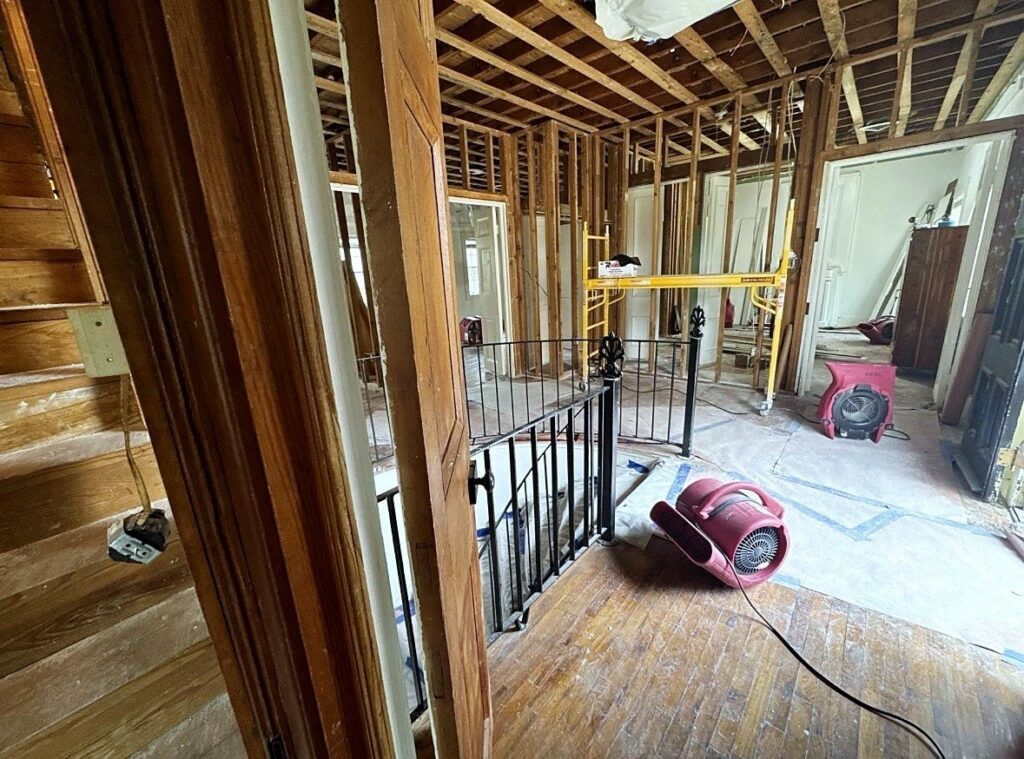
Bedford homeowners get 24/7 water, fire, mold, and biohazard mitigation from our Wakefield-based crew when a loss hits. If you’re looking for restoration services Bedford neighbors can reach at any hour — after a supply-line break near Great Road or stormwater along Elm Brook — you’re in the right place. We extract water, dry to measured goals, and document the loss for your insurer.
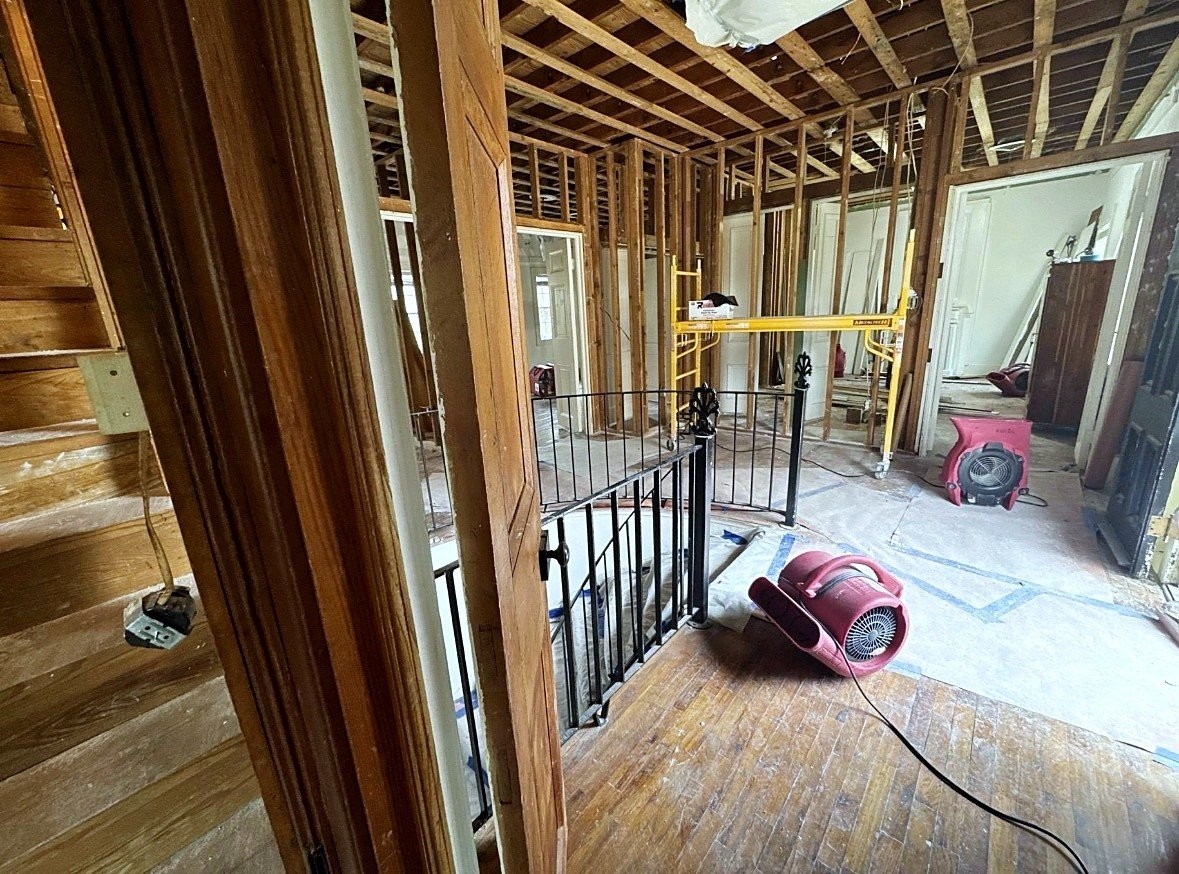
We provide residential and commercial restoration throughout Bedford, including:
- Water Damage Restoration
- Fire & Smoke Damage Restoration
- Mold Removal & Remediation
- Biohazard Cleanup & Sanitization
- Commercial Property Damage Restoration
We also handle sewage cleanup when backups or Category 3 water hit homes and shops.
Bedford is a Middlesex County town where the Concord River, Shawsheen River, and Elm Brook shape flood risk alongside Great Road commerce. Named places that shape local calls include Bedford Center and the Marketplace node on Great Road (Route 4/225), the Shawsheen commercial gateway, and North Road. Springs Brook and Vine Brook add inland drainage corridors. The Town posts Flood Insurance Study pages for the Concord, Shawsheen, and Elm Brook so owners can review mapped river hazards for Concord, Shawsheen, and Elm Brook before a claim starts.
That mix of river and brook corridors with Great Road commercial blocks shapes the property damage profile we see on local calls. Hard rain can push Concord River or Elm Brook water toward low lots even when Center streets look dry. Homes farther from the brooks still face washer overflows and supply-line breaks after midnight. Once water is indoors, Category rules apply the same way on Great Road as on a quiet side street — outdoor river or stormwater indoors is still Category 3 under industry practice for Category assignment.
We’re PuroClean of Wakefield, owned by Frank Greenwood. Frank and his team hold IICRC WRT and ASD certifications, and the business is EPA Lead-Safe Certified. Need restoration services Bedford after water, fire, mold, smoke, or sewage? Call Now for Fast Service.
We handle:
- Concord River overflow into low lots near Great Meadows edges and river corridors
- Elm Brook and Shawsheen River ponding after hard inland rain
- Burst pipes and failed supply lines in Center and subdivision homes
- Appliance supply-line and water heater leaks soaking floors overnight
- Clean Category 1 water from sanitary sources that still needs metered drying
- Category 2 water from washer or dishwasher discharge and similar gray sources
- Category 3 sewage backups and outdoor flood water from rivers or low lots
- Musty odor and mold under floors, in closets, and in HVAC closets
- Kitchen fires, electrical fires, and lingering smoke odor
- Water, fire, or sewage losses near Great Road, Bedford Center, and North Road
How Our Crew Reaches Bedford Neighborhoods
We reach Bedford from our Wakefield shop on Middlesex County runs toward the Route 4/225 corridor. When you call, we load extraction pumps, air movers, dehumidifiers, moisture meters, and containment supplies before we roll, then head toward Bedford on corridors we know.
From Wakefield we typically work west toward I-95 / Route 128, then onto Route 4/225 (Great Road) into Bedford Center and the Marketplace node. Nearby corridors include North Road, Shawsheen Road, and Route 62 connectors toward the town grid. Crew leads already know the usual turnoffs. If a residential connector is blocked after a storm, we confirm an open Bedford approach with you rather than sitting in a closed lane with a full truck of extraction gear.
Because these corridors are regular Middlesex runs for our Wakefield crew, restoration services Bedford customers ask for do not lose hours to wrong turns on the first run. We already know the Route 128 / Great Road approach, so pumps and drying gear roll without scouting the town from scratch. Stormwater on low Elm Brook blocks can still slow a street, and we confirm street access with you when you call before the crew commits to a closed lane. After a Great Road or Center call, we can stage for a second stop the same day if another nearby address needs extraction. Call Now for Fast Service.
Concord River, Elm Brook, and Shawsheen Flood Risk: What Drives Bedford Damage
Bedford water-damage risk is tied to the Concord River, Shawsheen River, Elm Brook, and indoor plumbing failures. Parts of town sit along those waterways and related brooks such as Vine Brook and Springs Brook, so heavy rain and high river stages can inundate low land along those stretches. Outdoor river or stormwater that enters a living space is Category 3 under industry standards such as ANSI/IICRC S500, so porous finishes like carpet pad and wet drywall come out before we dry structural cavities to measured goals. Low lots near Elm Brook can hold water after a brief hard rain even when Great Road and Center uphill blocks look dry.
Check mapped flood risk with the FEMA Map Service Center address search for Bedford, Massachusetts; never treat a map view as a property-level guarantee. A standard homeowners policy usually does not cover flood peril, so separate flood coverage matters when outdoor water enters — see FloodSmart (NFIP). Bedford’s hazard planning and Flood Insurance Study pages list Concord River, Shawsheen River, and Elm Brook among primary riverine flood sources for the town. Everyday indoor plumbing leaks still drive many Bedford Center and North Road calls when outdoor river banks stay put.
Humidity stays high for much of the warm season across Middlesex County, and wet cavities grow mold when they stay damp after a storm or a slow indoor leak. Moisture control comes first; the EPA mold guidance explains why damp materials need drying soon and when larger mold jobs call for pros. We follow IICRC methods: stop the source when we can, extract, clean by Category, and dry to documented moisture goals. Older homes near Bedford Center can hide slow supply-line leaks in wall cavities before anyone notices. Hardwood and plaster also hold moisture longer than modern drywall, so Class 4 pockets need specialty drying equipment and more monitored time on site. For restoration services Bedford property owners need after river stormwater or an indoor leak, Call Now for Fast Service.
Frequently Asked Questions
Straight answers for Bedford homeowners, landlords, and property managers
Why is an Elm Brook or Concord River water loss different from one uphill near Bedford Center?
Because Elm Brook and the Concord River corridors sit in mapped flood-prone stretches, while Bedford Center around Great Road sits on the main commercial grid with many lots farther from those banks. Hard rain and high river stages can drive water into low brook-edge lots even when Center streets stay dry. Category rules still apply once water is indoors: outdoor flood or stormwater is Category 3, and a sanitary supply-line break usually starts as Category 1 until an on-site assessment says otherwise. Coverage depends on your policy and claim facts either way.
How does the Great Road Marketplace corridor change a water or smoke call?
Great Road through the Marketplace and Center nodes carries shops, offices, and nearby housing, so a washer overflow or supply-line break can wet floors overnight and stop store operations the next morning. After hard inland rain, ponding on low pavement near brook crossings can push Category 3 outdoor water toward low entries even when uphill lots stay clear. We map moisture with meters, set containment when needed, and document Category and scope for your insurer while extraction and drying run on that Great Road block.
Can you dry a Great Road or North Road shop without a long shutdown?
That is the goal. Great Road anchors Bedford Center and the Marketplace plazas, and North Road is a gateway commercial stretch, so leaks can spread into stockrooms and nearby units overnight. We can schedule around your business hours, set plastic containment so customers stay clear of wet rooms, and run drying equipment while documenting moisture goals day by day on site. You get photos, moisture readings, and a clear written scope for your insurer or landlord before mitigation wraps when water hits the main floor, basement, or storage area.
How do you reach Bedford Center and Great Road from your Wakefield shop?
We leave Wakefield and typically work west toward I-95 / Route 128, then onto Route 4/225 (Great Road) into Bedford Center and the Marketplace node. Nearby corridors such as North Road, Shawsheen Road, and Route 62 help us place the call. If a residential connector is underwater after hard rain, we confirm an open Bedford route with you by phone before the crew rolls rather than waiting in a flooded block with extraction pumps and drying gear already loaded on that local job. Local street access and Category both shape the first-day plan.
Do I need a separate flood policy for a Bedford home near the Concord River or Elm Brook?
Yes in most cases when outdoor flood or river water is the peril. Bedford has mapped special flood hazard areas along the Concord River, Shawsheen River, Elm Brook, and related brooks, and risk varies lot by lot near those corridors. A standard homeowners policy usually excludes flood; FloodSmart explains how NFIP and private flood coverage options work for owners and renters alike. Indoor supply-line breaks are a different claim type. Coverage depends on your policy — we document Category and scope either way. Call Now for Fast Service.