


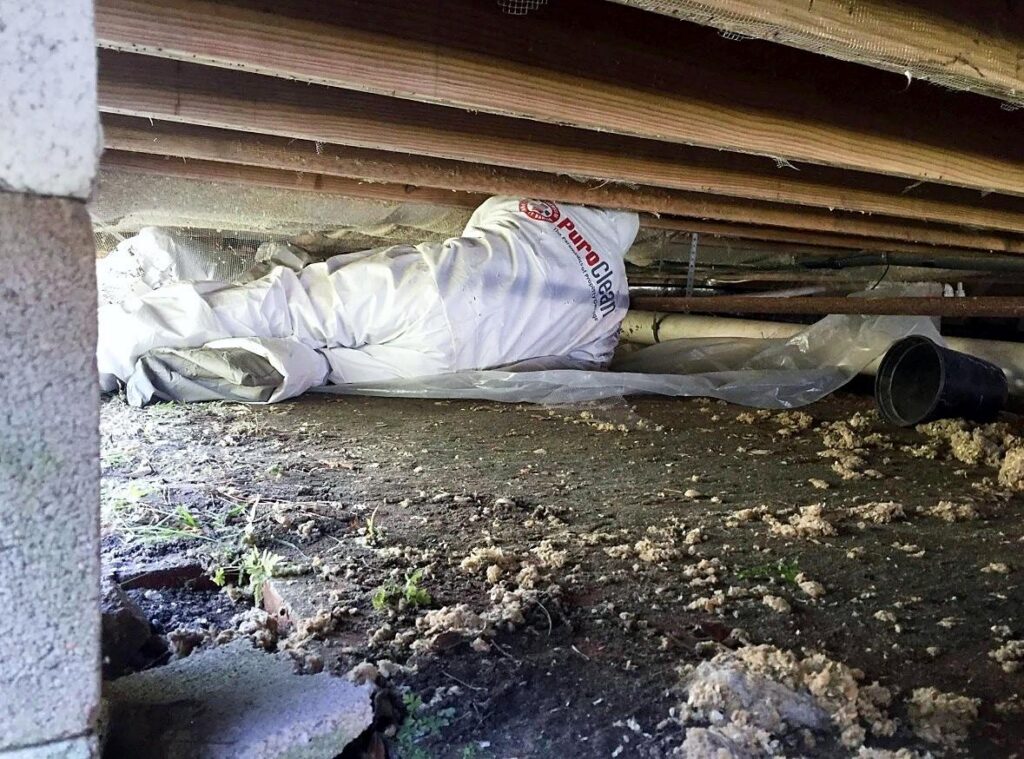
The first hard freeze usually arrives in Rhode Island before most people have finished raking leaves. Pipes that run through a crawl space, an unheated garage or an outside wall feel it first. Pipe freeze prevention in West Warwick and East Greenwich comes down to two simple things. Know where your main shutoff valve is, and protect the pipes most exposed to cold. This guide walks you through both before winter settles in.
Why Fall Is the Time to Prepare
Answer first: freezing nights start early here, so pipe freeze prevention in West Warwick belongs on the fall to-do list.
NOAA’s 1991–2020 climate normals for T.F. Green Airport in Warwick put the median first freeze around October 30. Lows hit freezing or colder on roughly 109 nights in an average year. That’s a long season of cold for any pipe outside the heated part of the house.
Water expands as it freezes. In a pipe, that pressure can crack fittings or split copper and plastic lines. Often the leak only shows up once the ice thaws.
Find Your Main Shutoff Valve
Answer first: if a pipe breaks, this valve is what stops the water.
Most homes have a main shutoff where the water line enters the house. In many Rhode Island homes, that’s in the basement or crawl space near the front foundation wall. It may be a round handle (gate valve) or a lever (ball valve). On a private well, look by the pressure tank instead.
Take a few minutes this fall to:
- Find the valve and clear anything blocking it.
- Make sure every adult in the house knows where it is.
- Test it gently. If it’s stuck or leaks, call a plumber rather than forcing it.
- Tag it with a bright label so it’s easy to spot in a hurry.
- Find the shutoffs for the water heater and any outside spigots too.
Triple-I, the Insurance Information Institute, publishes advice on surviving severe cold weather. Its basic winter steps include learning where that valve is and how to work it.
Pipes Most at Risk
Answer first: anything near outside air or in an unheated space.
Look for pipes in these spots:
- Crawl spaces, especially near vents or gaps in the foundation
- Unheated garages, porches and mudrooms
- Outside walls behind kitchen and bathroom sinks
- Hose bibs and the short pipe just inside the wall
- Additions built over a crawl space or slab
- Attics with plumbing for a second-floor bath
Crawl-space pipes are a common trouble spot. Cold air drifts in through vents, open rim joists and torn insulation, and the pipes sit right in its path.
Simple Ways to Protect Crawl-Space Pipes
Answer first: block the cold, insulate the pipes and keep heat moving.
- Wrap exposed pipes with foam pipe insulation, sealing the seams.
- Ask a contractor whether covering foundation vents in winter suits your house.
- Seal gaps around pipe and wire holes in the foundation.
- Replace torn or fallen insulation between the floor joists.
- Ask an electrician about UL-listed heat cable for pipes that stay cold.
Foam sleeves are cheap and come in sizes for copper, PEX and older galvanized lines. Measure the pipe first so the sleeve fits snugly. Always follow the maker’s instructions for heat cable. Don’t wrap it over itself, and plug it into a properly grounded outlet.
Habits for Cold Nights
Answer first: a few small actions help a lot when temperatures drop.
The III guide suggests keeping the house heated to at least 65 degrees during severe cold. It also recommends letting hot and cold faucets drip slowly, so water keeps moving, and disconnecting garden hoses from outside spigots.
Other habits that help:
- Leave sink cabinets on exterior walls open so warm room air reaches the pipes.
- Keep an attached garage shut when plumbing passes through it.
- Don’t turn the heat way down at night during a deep freeze.
- If you’re traveling, ask someone to check the house, or have a plumber drain the system for long trips.
A Room-by-Room Fall Walk-Through
Answer first: one afternoon is usually enough to check the whole house.
Start outside. Shut the inside valve for each hose bib, then open the spigot to drain it. Look for gaps where pipes or cables pass through the foundation and note them for sealing.
Next, head under the house or into the basement. Shine a flashlight along every pipe you can see. Check for bare sections, loose insulation, old drips or rust at fittings. Feel for drafts near the rim joist, where the floor framing sits on the foundation.
Then check the kitchen, bathrooms and laundry area. Sinks on outside walls are the ones to watch. If a cabinet backs onto a cold wall, plan to leave its doors open on the coldest nights.
Finish in the garage and attic. Any water line there needs insulation, and some may need heat cable or rerouting by a plumber.
Oil Heat and Power Outages
Answer first: a heating failure can let a house cool quickly.
Many homes in this area heat with oil. Census table B25040 shows about 35.6 percent of occupied West Warwick homes and 39.6 percent in East Greenwich use fuel oil or kerosene. If the tank runs dry or the burner fails, indoor temperatures can drop fast on a cold night. Keeping an eye on fuel levels and scheduling a fall tune-up can help. A low-temperature alarm or a Wi-Fi thermostat that sends alerts can warn you if the heat stops while you’re away.
Housing in West Warwick and East Greenwich
Answer first: many homes here are older, and many have crawl spaces or additions.
Census Bureau figures from the 2020–2024 American Community Survey (table B25035) put the median year built at 1968 (±5) for West Warwick town. For East Greenwich town, it’s 1976 (±4). Table B25034 shows about 67.5 percent of West Warwick housing units built before 1980.
Older homes may have original plumbing, thin insulation and additions over crawl spaces. Newer ones aren’t immune either, especially where pipes run along outside walls. For many households, pipe freeze prevention in West Warwick means a little extra attention to the oldest part of the house. Additions and sunrooms are worth a close look, because their floors are often colder than the original rooms. If you’ve recently bought a home, ask the seller or inspector which areas have frozen before.
If a Pipe Freezes or Bursts
Answer first: act early, shut off water if it leaks, and keep notes.
If a faucet only trickles on a cold morning, a pipe may be frozen. III advises thawing it right away or calling a plumber, rather than waiting for it to burst. Never use an open flame to thaw a pipe. A hair dryer or space heater kept a safe distance away is safer.
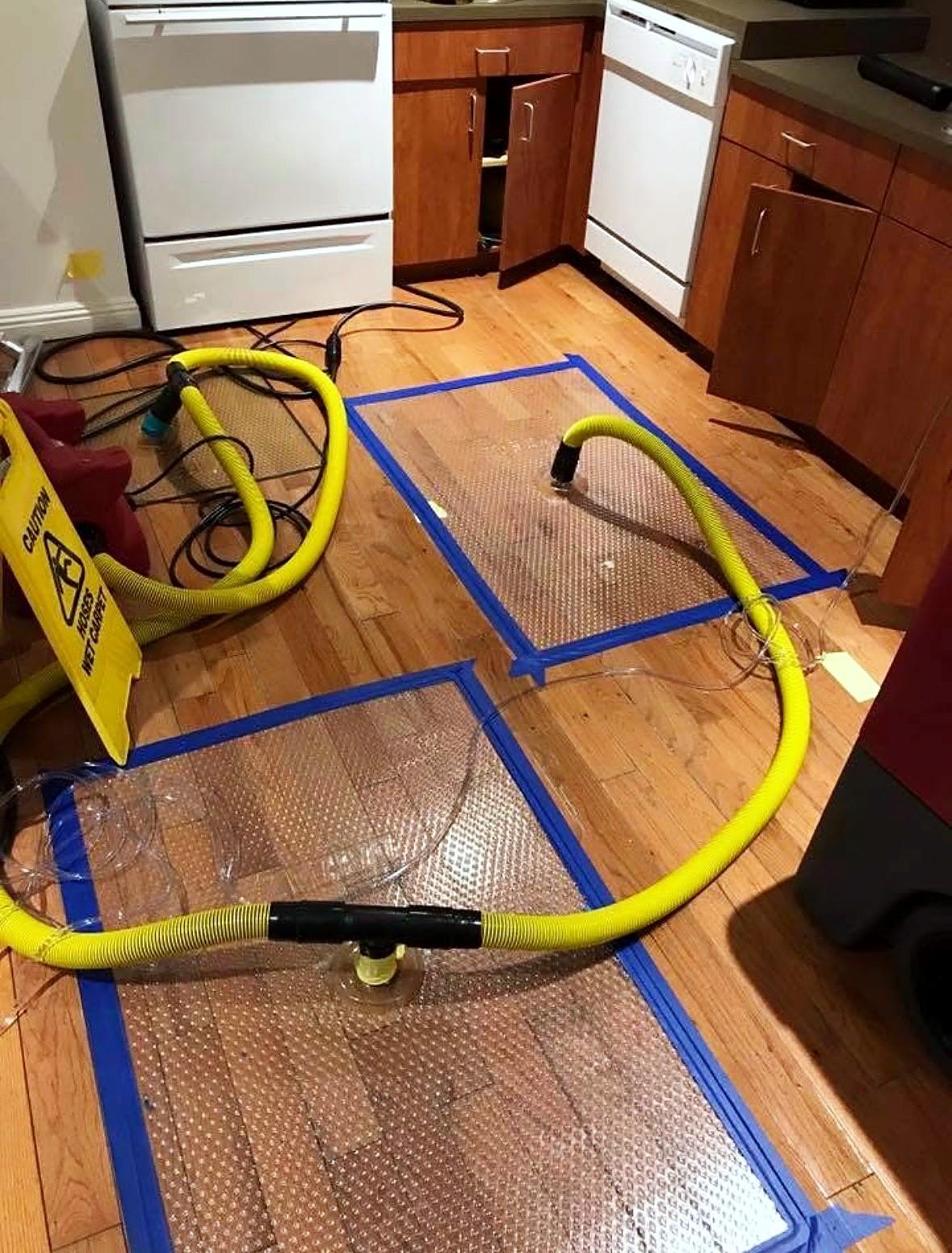
If a pipe bursts, close the main valve first. Cut power to soaked rooms only when the breaker panel is dry and easy to reach. Next, photograph the damage, lift valuables off the floor and get drying started.
Insurance and Frozen Pipes
Answer first: sudden freeze damage is often covered, but there are conditions.
According to Triple-I, a standard homeowners policy typically pays for most freeze-related damage, including a pipe that bursts after freezing. Policies can treat a vacant or unheated home differently, so read yours carefully. Your agent can explain how your coverage may apply.
Example: An East Greenwich homeowner finds the crawl-space vent near the kitchen has been left open since summer. A quick wrap of the pipe and a vent cover go on before the first hard frost. This example is invented to show the idea.
Frequently Asked Questions
When Should I Start Pipe Freeze Prevention in West Warwick?
Early fall is best. Aim to finish before the first hard freeze, which often arrives near the end of October.
How Do I Know Which Valve Is the Main Shutoff?
It’s usually on the line where water enters the house, often by the front wall. A plumber can confirm it.
Should I Close My Crawl-Space Vents?
It depends on the home. Many owners cover them for winter, but ask a contractor about moisture and venting first.
Is Heat Cable Safe?
When it’s UL-listed and installed per the instructions, it can help. An electrician can advise.
Do You Help Homeowners in East Greenwich and Warwick?
Yes. We serve West Warwick, East Greenwich, Warwick, Cranston, Providence and East Providence.
Talk to Us About Pipe Freeze Prevention in West Warwick
PuroClean of Rhode Island is owned by Chris Sanford, a US Navy veteran who runs the business locally. We’re IICRC Certified and EPA Lead Safe Certified, and the company was named the SBA’s 2019 Veteran Owned Small Business of the Year for Rhode Island and New England. If a frozen pipe does let go, we’re reachable 24/7 at (401) 737-4329. Our office is at 80 Hathaway Street, Cranston, RI 02907.