


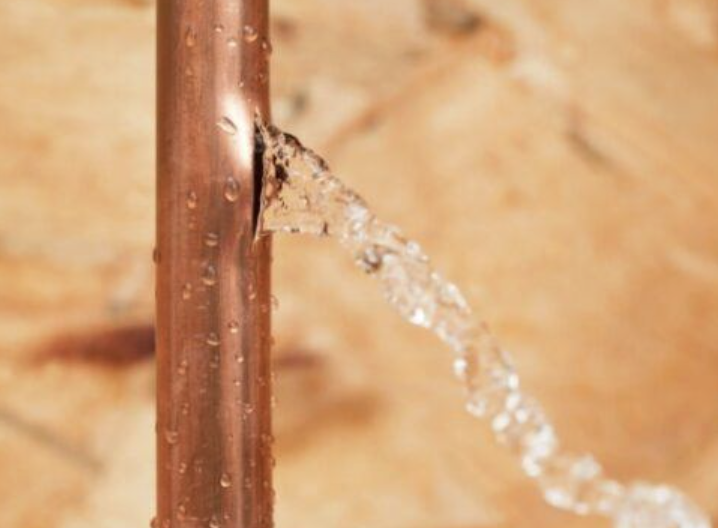
A burst pipe can begin damaging a Lancaster home almost immediately because water starts spreading into flooring, carpet, drywall, baseboards, cabinets, and other materials as soon as it escapes the plumbing system. The amount of damage can grow quickly when a supply line continues releasing water or when moisture moves into hidden areas before the source is shut off.
The U.S. Environmental Protection Agency recommends drying water-damaged areas and building materials within approximately 24 to 48 hours when possible to help prevent mold growth.[1] The sooner the water source is stopped and excess water is removed, the fewer materials may become saturated.
PuroClean of West Antelope Valley provides professional burst pipe water damage cleanup in Lancaster, including water extraction, hidden moisture detection, structural drying, and cleanup of affected materials after the plumbing source has been controlled.
How Fast Can a Burst Pipe Damage a Home?
A burst pipe can begin causing water damage as soon as water escapes the plumbing system.
Water does not need to sit for hours before it affects building materials. Carpet, drywall, wood, insulation, cabinets, and other porous materials can begin absorbing water while the leak is still active.
The severity of the loss depends on several factors:
- Size of the pipe or opening
- Water pressure
- How long the water continues flowing
- Location of the plumbing failure
- Number of rooms affected
- Materials exposed to water
- Whether water travels into walls, ceilings, or flooring systems
A small plumbing leak discovered immediately may remain relatively localized. A major supply-line failure that continues unnoticed can affect multiple rooms and levels of a home.
What Happens in the First Minutes?
During the first minutes of a burst pipe, the most important issue is stopping additional water from entering the property.
Water may begin:
- Spreading across hard flooring
- Soaking into carpet and padding
- Entering seams and transitions in flooring
- Collecting beneath cabinets
- Reaching baseboards and lower drywall
- Flowing into adjoining rooms
If a damaged pipe is still releasing water, the American Red Cross recommends turning off the water at the main valve and contacting a plumber for assistance.[2]
Homeowners should also consider electrical safety. Standing water near outlets, appliances, wiring, or electrical panels can create additional hazards.
What Can Happen During the First Few Hours?
As the water remains in the structure, moisture can continue moving beyond the area where the original puddle formed.
During the first several hours, water may:
- Saturate carpet padding
- Move beneath laminate or vinyl flooring
- Begin soaking into wood flooring
- Wick upward into drywall
- Move behind baseboards
- Enter cabinet toe kicks
- Reach wall cavities
- Travel to rooms below when the pipe is upstairs
The visible water can therefore become a poor indicator of the total affected area.
This is why professional restoration work includes moisture detection as well as water extraction.
What Can Happen Within the First 24 Hours?
If affected materials remain wet throughout the first day, more of the building assembly may become saturated.
Potential problems include:
- Swollen flooring
- Saturated carpet padding
- Soft or damaged drywall
- Wet insulation
- Moisture inside wall cavities
- Swelling of composite cabinets
- Warping of wood materials
- Persistent elevated indoor humidity
The EPA advises acting quickly after indoor leaks or spills and drying wet areas promptly rather than allowing moisture to remain in building materials.[1]
Why the 24-to-48-Hour Window Matters
The EPA recommends drying damp or water-damaged areas and materials within approximately 24 to 48 hours when possible to help prevent mold growth.[1]
EPA water-damage guidance also specifically recommends prompt drying of carpet and backing, subflooring, drywall, concrete, and other building materials after clean-water losses.[3]
This does not mean mold automatically begins growing at an exact hour after every burst pipe.
Conditions that influence mold growth include:
- Temperature
- Humidity
- Material type
- Airflow
- Amount of water
- How deeply moisture penetrated
The practical takeaway is that a burst pipe should be treated as a time-sensitive water-loss event rather than something to leave wet while waiting to see whether visible damage develops.
How Quickly Can a Burst Pipe Damage Flooring?
Flooring can be affected very early in a burst-pipe loss because water naturally spreads across the lowest available surfaces.
Carpet and Padding
Water can pass through carpet into the padding below. Even after the carpet surface is extracted, padding and subflooring may remain wet.
The EPA specifically advises that carpet backing and padding must also be dried, not just the visible carpet surface.[3]
Laminate Flooring
Water can enter laminate through seams and edges. The core material may swell after absorbing moisture, sometimes resulting in permanent distortion.
Hardwood and Engineered Wood
Wood flooring can absorb moisture and may begin to cup, crown, warp, or separate depending on exposure and installation conditions.
Tile and Other Hard Surfaces
Hard flooring may appear unaffected while water travels through perimeter gaps, transitions, grout, or cracks into underlayment or adjacent materials.
If you suspect moisture has moved below the finished floor, our guide to what happens when water gets under flooring explains why the surface can look dry while hidden materials remain wet.
How Burst Pipe Water Affects Drywall and Walls
Drywall can absorb water through direct contact and through wicking from the floor upward.
Signs may include:
- Darkened drywall
- Soft areas
- Swelling
- Peeling paint
- Damaged baseboards
- Musty odors
Water may also enter the wall cavity and affect insulation, framing, or the back side of the drywall.
EPA guidance emphasizes drying wet building materials promptly and notes that absorbent materials may need removal when they cannot be adequately dried or have developed mold.[4]
Burst Pipes and Ceiling Water Damage
A burst pipe located on an upper floor, inside a ceiling cavity, or near plumbing serving an upstairs bathroom can send water downward through the structure.
Water may affect:
- Ceiling drywall
- Insulation
- Light-fixture openings
- Wall cavities
- Rooms on the floor below
If water has reached the ceiling, our ceiling water damage cleanup in Lancaster service explains how moisture can remain inside ceiling assemblies after the visible leak is stopped.
Where Hidden Water Can Travel After a Burst Pipe
One of the biggest reasons burst pipe damage can escalate is that water moves into areas that cannot be seen from the room.
Hidden moisture may collect:
- Under flooring
- Behind baseboards
- Inside walls
- Above ceilings
- Inside insulation
- Beneath cabinets
- Inside closets
- In adjoining rooms
EPA guidance recognizes that hidden moisture and mold growth can occur behind or underneath finished materials when leaks are not fully identified and dried.[5]
This is why removing the visible puddle alone does not necessarily mean the water-loss project is complete.
What Should You Do After a Burst Pipe?
When a pipe bursts, the priorities are to stop additional water, address immediate safety concerns, and begin removing moisture.
1. Shut Off the Water
If it can be done safely, turn off the main water supply or the appropriate shutoff valve.
The American Red Cross recommends shutting off the main water valve when pipes are damaged and contacting a plumber for assistance.[2]
2. Avoid Electrical Hazards
Do not enter standing water if electrical outlets, equipment, appliances, or wiring may be energized.
3. Contact a Plumber
The failed plumbing line needs to be repaired so additional water does not continue entering the home.
4. Begin Water Extraction
Standing water should be removed as soon as conditions allow.
PuroClean of West Antelope Valley provides emergency water extraction in Lancaster for significant plumbing losses and other indoor water emergencies.
5. Check for Hidden Moisture
Flooring, walls, cabinets, ceilings, insulation, and adjoining rooms may need to be evaluated even if they do not look wet.
How Burst Pipe Water Damage Is Restored
After the failed pipe is controlled, restoration focuses on the water that has already entered the property.
1. Inspect the Water Loss
The affected rooms and surrounding materials are evaluated to determine how far the water traveled.
2. Remove Standing Water
Professional extraction equipment can remove bulk water from floors, carpet, and other accessible areas.
3. Locate Hidden Moisture
Moisture meters and other inspection tools may be used to evaluate flooring, drywall, cabinets, ceilings, and adjoining rooms.
4. Evaluate Damaged Materials
Materials are assessed based on their condition, saturation, contamination, and ability to dry effectively.
5. Establish Structural Drying
Air movement and dehumidification may be used to increase evaporation from wet materials and remove moisture from the indoor environment.
6. Monitor Drying
Moisture readings can help determine whether affected materials are drying and whether the drying plan needs to be adjusted.
The EPA’s water-damage guidance similarly identifies extraction, dehumidification, and airflow as tools for drying wet building materials.[3]
When to Call a Water Damage Professional
Professional cleanup is especially appropriate when a burst pipe has affected more than a small surface area.
Consider professional help when:
- Standing water covers a significant area
- Several rooms are affected
- Carpet and padding are saturated
- Water has moved beneath flooring
- Drywall or cabinets are wet
- Water has reached a ceiling or lower floor
- The leak occurred while the home was unattended
- Musty odors are developing
- You cannot determine how far the water traveled
EPA guidance recommends consulting experienced professionals when water damage is extensive or when contaminated water is involved.[3]
The biggest advantage of professional restoration is not simply larger extraction equipment. It is the ability to combine extraction, moisture detection, structural drying, and moisture monitoring so that concealed materials are not ignored.
Burst Pipe Water Damage FAQs
Can a burst pipe cause damage immediately?
Yes. Water can begin soaking into carpet, flooring, drywall, cabinets, and other materials as soon as it escapes from the pipe. The longer the water continues flowing, the larger the affected area can become.
How much damage can a burst pipe cause in a few hours?
The amount varies greatly depending on the pipe, water pressure, location, and materials involved. Within several hours, water may spread beneath flooring, wick into drywall, saturate carpet padding, enter cabinets, and reach adjoining rooms.
What happens if a burst pipe leaks overnight?
An unattended plumbing failure can allow water to continue spreading for hours. By the time it is discovered, flooring, walls, ceilings, cabinets, insulation, or multiple rooms may be affected.
Can water from a burst pipe get under flooring?
Yes. Water can travel through seams, perimeter gaps, transitions, and other openings and become trapped beneath laminate, wood, vinyl, tile, carpet, or other finished flooring.
Does wet drywall always need to be removed?
No. Whether drywall can be dried depends on its condition, amount of water, contamination, duration of exposure, and whether adequate drying can be achieved. Damaged or contaminated material may require removal.
How quickly can mold become a concern?
There is no universal hour when mold begins growing after every burst pipe. However, EPA guidance recommends drying water-damaged areas and items within approximately 24 to 48 hours when possible to help prevent mold growth.[1]
What is the first thing I should do after a pipe bursts?
If it is safe to do so, shut off the water supply to stop additional water from entering the property. The Red Cross recommends turning off the water at the main valve when pipes are damaged and contacting a plumber for assistance.[2]
References
- U.S. Environmental Protection Agency — A Brief Guide to Mold, Moisture and Your Home. EPA guidance on acting quickly after leaks and drying water-damaged areas and materials within approximately 24–48 hours.
- American Red Cross — Checking Your Home’s Utilities. Guidance recommending shutting off the main water valve when household water pipes are damaged and contacting a plumber.
- U.S. Environmental Protection Agency — Water Damage: Cleanup and Mold Prevention. EPA guidance for clean-water losses covering carpet and padding, flooring, subflooring, concrete, extraction, dehumidification, airflow, and professional assistance.
- U.S. Environmental Protection Agency — The Key to Mold Control Is Moisture Control. Guidance on drying wet materials, managing absorbent materials, and correcting sources of moisture.
- U.S. Environmental Protection Agency — Mold Course Chapter 3: Finding Mold and Moisture. EPA guidance on hidden moisture, leaking pipes, inspecting surrounding materials, carpet backing and padding, and rapid drying.
Need Burst Pipe Water Damage Cleanup in Lancaster?
If a pipe has burst in your Lancaster home, stopping the plumbing leak is only the first part of the response. Water that has already escaped may continue affecting flooring, drywall, cabinets, ceilings, and hidden building materials.
PuroClean of West Antelope Valley can remove standing water, identify concealed moisture, establish structural drying, and monitor affected materials as they dry.
Learn more about our professional burst pipe water damage cleanup in Lancaster.