24/7 Emergency Ceiling Water Damage Cleanup Lancaster Services in Palmdale, CA
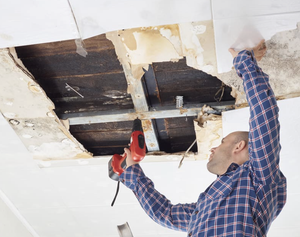
Ceiling water damage in Lancaster can develop from roof leaks, burst pipes, plumbing failures, appliance leaks, HVAC condensation, or water entering from an upper floor. A ceiling stain may look small even when moisture has spread through insulation, drywall, framing, or nearby wall cavities. Sagging, bubbling, cracking, or dripping ceiling materials can indicate a larger water problem above the visible surface.
PuroClean of West Antelope Valley provides professional ceiling water damage cleanup in Lancaster, including water extraction, moisture detection, structural drying, removal of damaged materials when necessary, and cleanup of affected areas. If the water damage was caused by a broken plumbing line, our burst pipe water damage cleanup in Lancaster service addresses the related plumbing-loss damage.
Ceiling water damage occurs when water enters the space above finished drywall and begins affecting insulation, framing, ceiling materials, or nearby walls. The source may be directly above the stain, but water can also travel along pipes, framing, roof decking, or other building materials before becoming visible.
Common causes of ceiling water damage include:
A ceiling stain should not be treated as only a cosmetic problem until the moisture source has been identified. Painting over discoloration may hide the visible evidence while wet materials remain above the ceiling.
Ceiling water damage can appear gradually or become obvious after a sudden plumbing or roofing failure.
Warning signs may include:
Some ceiling damage is easy to identify, while other moisture remains concealed. A ceiling may appear dry from below even when insulation or framing above it continues holding water.
Finding the source is one of the most important steps in ceiling water damage restoration. The location of the visible stain does not always identify where the water entered.
Water can move along roof sheathing, rafters, plumbing lines, floor joists, and other structural components before reaching the ceiling drywall. This can make a stain appear several feet away from the original leak.
Our guide on finding the source of ceiling water damage explains why tracing the moisture path is important before repairs begin.
Once the source is identified, the appropriate repair professional may need to correct the roof, plumbing, HVAC, or appliance problem before restoration can be completed.
Roof leaks are a common cause of ceiling water damage. Damaged roofing, deteriorated flashing, failed seals around penetrations, wind damage, or storm conditions can allow water to enter the attic or roof assembly.
Water may then travel across roof decking, rafters, insulation, and framing before reaching the finished ceiling below.
A small roof leak can sometimes produce a large ceiling stain because water spreads through porous materials before becoming visible inside the home. During dry weather, the stain may stop changing even though affected materials remain damp.
Our roof leak water damage and mold guide explains why recurring roof intrusion should be addressed before moisture causes additional damage.
Plumbing failures can release water directly into ceilings and wall cavities. A broken pipe, failed supply line, leaking bathroom fixture, or plumbing connection on an upper floor can allow water to spread quickly through the structure.
Sudden plumbing losses may produce active dripping, sagging drywall, or water coming through light fixtures. Slow plumbing leaks may create smaller stains that gradually become larger over time.
If the source is a burst or broken pipe, our burst pipe water damage cleanup service in Lancaster addresses extraction, hidden moisture, drying, and cleanup after the plumbing source has been controlled.
Water heater failures can also affect ceilings when the appliance is installed above or near occupied areas. Learn more about water heater leak cleanup and how water can spread from tanks, valves, and supply connections.
Visible staining may represent only part of the affected area. Water can remain inside insulation, wood framing, ceiling cavities, and adjacent walls after surface dripping stops.
Hidden moisture may also spread laterally through building materials. This means the damp area above the ceiling may be wider than the stain visible from below.
Moisture-detection equipment can help identify affected materials that are not obvious through visual inspection alone. This can help determine whether drying can be completed in place or whether access to concealed materials is necessary.
When water also reaches flooring below the damaged ceiling, moisture may travel beneath finished surfaces. Our guide to water under flooring explains how concealed moisture can remain after the visible water is removed.
Every ceiling water loss is different. PuroClean of West Antelope Valley evaluates the visible damage, investigates where moisture may have traveled, and develops a cleanup and drying plan based on the conditions inside the Lancaster property.
The source of the water should be stopped before restoration proceeds. Depending on the cause, this may require a plumber, roofer, HVAC technician, or another qualified professional.
We evaluate the visible ceiling damage and nearby walls, flooring, attic spaces, upper-floor areas, or other locations that may have been affected by the same water loss.
Moisture-detection equipment may be used to help identify wet drywall, insulation, framing, flooring, and other materials that are not visibly saturated.
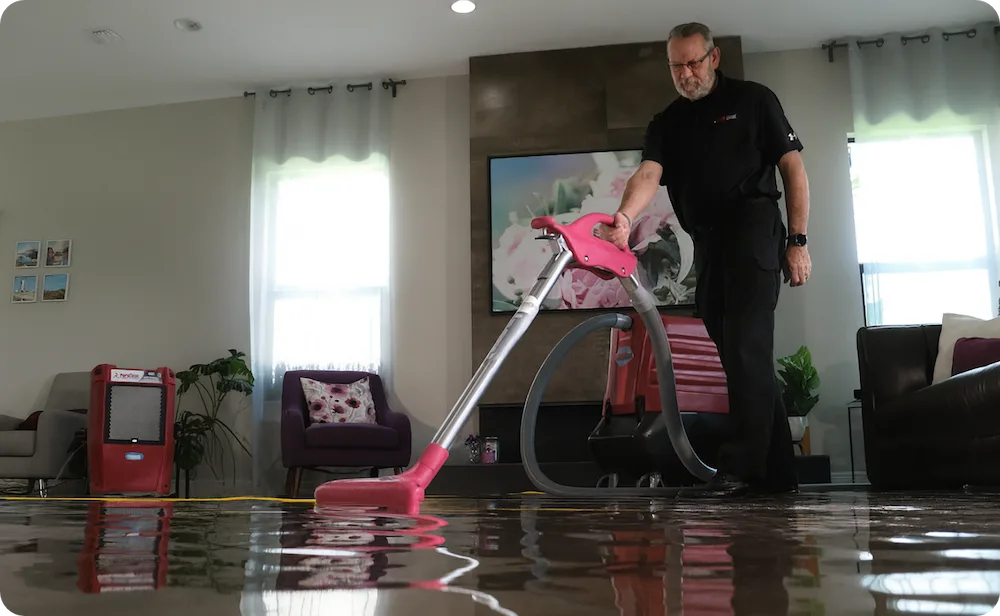
If the ceiling leak has released water into the room below, professional extraction equipment may be used to remove standing or pooled water.
For larger water losses, our emergency water damage extraction services provide removal of excess water before structural drying begins.
Some ceiling materials may be dried in place when their condition and the water source allow it. Other materials may require removal when they are significantly damaged, contaminated, unstable, or unable to dry effectively.
Air movers, dehumidifiers, and other professional drying equipment may be used to reduce moisture in affected materials and control humidity in the work area.
Moisture readings can help track progress and determine whether affected materials are moving toward appropriate drying goals.
Once affected materials have been dried or removed as necessary, the area can be prepared for ceiling, drywall, paint, insulation, or other restoration work.
Ceiling water damage often involves several layers of materials rather than drywall alone. The ceiling assembly may include insulation, wood framing, electrical components, ductwork, and the flooring or roof structure above.
Effective drying depends on how much water entered the assembly, how long the materials remained wet, and whether air can reach the affected surfaces.
Professional structural drying may include controlled airflow, dehumidification, moisture monitoring, and selective material removal when needed to access wet cavities.
Learn more about our structural drying services and how moisture can be removed after extraction.
Our guide to water extraction and drying equipment also explains the role of professional equipment during a water-loss project.
Not every wet ceiling requires complete removal. The appropriate response depends on the water source, the condition of the materials, the amount of saturation, and whether the affected assembly can be effectively dried.
Drywall may soften, swell, sag, crack, or lose structural integrity after absorbing significant water. Severely damaged drywall may require removal rather than drying in place.
Insulation above the ceiling may hold moisture and slow the drying process. Wet or contaminated insulation may require removal so that concealed framing and drywall surfaces can be evaluated and dried.
Joists, rafters, trusses, and other structural wood can absorb moisture. These materials can often be dried when they remain structurally sound, but moisture levels should be monitored during the process.
Water may cause paint to bubble, peel, stain, or separate from drywall. Cosmetic repairs should generally wait until the moisture source has been corrected and affected materials have been adequately dried.
Water around recessed lights, ceiling fans, wiring, or other electrical components should be treated cautiously. Avoid touching wet electrical fixtures or entering unsafe areas until they can be evaluated.
PuroClean of West Antelope Valley approaches ceiling water damage as a moisture-migration problem, not just a visible stain. We evaluate where the water came from, how far it may have traveled, which materials were affected, and what is needed to remove moisture from the structure.
A ceiling leak can involve drywall, insulation, framing, walls, flooring, electrical components, and adjoining rooms at the same time. Evaluating the complete affected area helps reduce the possibility that visible damage is repaired while hidden moisture remains above or around the ceiling.
Our West Antelope Valley team provides water damage restoration services for Lancaster and surrounding Antelope Valley communities. Whether the source is a roof leak, burst pipe, bathroom leak, appliance failure, HVAC problem, or another water loss, the goal is to identify the affected materials and begin appropriate mitigation as quickly as practical.
A ceiling water stain usually means moisture has reached the drywall or finish from somewhere above. The source may be a roof leak, plumbing leak, HVAC issue, appliance failure, or water from an upper floor. The stain may not be directly below the original leak because water can travel through the structure.
A sagging ceiling can indicate that drywall, insulation, or other materials have absorbed a significant amount of water. Wet ceiling materials may become heavy or unstable. Avoid standing directly beneath visibly sagging, bulging, or actively leaking ceiling areas until they can be evaluated.
Some surface moisture may evaporate, but water can remain trapped above drywall, inside insulation, or within framing cavities. A ceiling that looks dry from below may still contain concealed moisture. Professional moisture evaluation can help determine whether additional drying is needed.
Yes. Moisture remaining in drywall, insulation, wood, or other materials can create conditions that support mold growth. Correcting the source and drying affected materials promptly can reduce the amount of time moisture remains available.
Not always. The decision depends on the amount of water absorbed, the condition of the drywall, the water source, whether insulation or concealed materials are affected, and whether the assembly can be effectively dried. Sagging, deteriorated, contaminated, or severely damaged drywall may require removal.
The investigation may include the roof, attic, plumbing lines, bathrooms, appliances, HVAC equipment, and areas above the visible stain. Because water can travel along framing and other materials, the source may not be directly above the damaged ceiling.
The timeline depends on the water source, amount of moisture, size of the affected area, materials involved, drying conditions, and whether damaged drywall or insulation requires removal. An on-site evaluation is needed to determine the appropriate scope and expected timeline.
If you have discovered a ceiling stain, active leak, sagging drywall, bubbling paint, musty odor, or other signs of ceiling water damage in Lancaster, PuroClean of West Antelope Valley can evaluate the affected area and determine how far the moisture has traveled.
Addressing the source and beginning professional drying early can help limit additional damage to ceilings, walls, flooring, insulation, framing, and other materials. Call today to discuss ceiling water damage cleanup in Lancaster and schedule an evaluation.
What Our Customers Say:
Find answers to common questions about our services
You can check the walls and ceilings for water stains, the floors for warping and buckling, and the pipes for corrosion, leaks, missing grout, and mold. Attics and basements may have damaged flooring, mildew or mold, dampness, and odors. Also, be sure to inspect the exterior of the home for cracked roof tiles, puddles, standing water, and whether the ground is sloping away from the house.
First, if safe, shut off the utilities in your home to avoid further damage. Don’t enter your home if it has suffered structural damage. Don’t walk through floodwater if electricity hasn’t been turned off, and avoid contaminants. Next, contact a water-damage restoration company, such as PuroClean of West Antelope Valley, as soon as possible. Don’t wait, as water can cause mold and irremediable damage to the wood, walls, and carpet. Then, depending on the extent of the damage and the recommendation of the remediation company, contact your insurance provider to start the claim process.
There are many variables that determine whether a flooded property can be saved: the amount of water, and even more important, the amount of time the water was in/around the property. Every situation is different, and PuroClean of West Antelope Valley expert restoration professionals can determine what can be salved once one site.
Property water damage can pose several dangers including structural instability, electrical hazards, mold and mildew growth leading to health issues, contamination from sewage or chemicals, and potential collapse of weakened structures.
Water flooding can cause extensive damage including structural damage to walls, floors, and foundations, damage to personal belongings, electrical hazards, and potential health risks from mold and bacteria growth. The longer water sits, the more severe the damage becomes.
Water damage can result from unexpected leaks, flooding from storms, plumbing failures, or appliance malfunctions. Our certified teams focus on rapid water removal, drying, and stabilization to help prevent further damage and mold growth.
 Explore Our Water Damage Mitigation Services
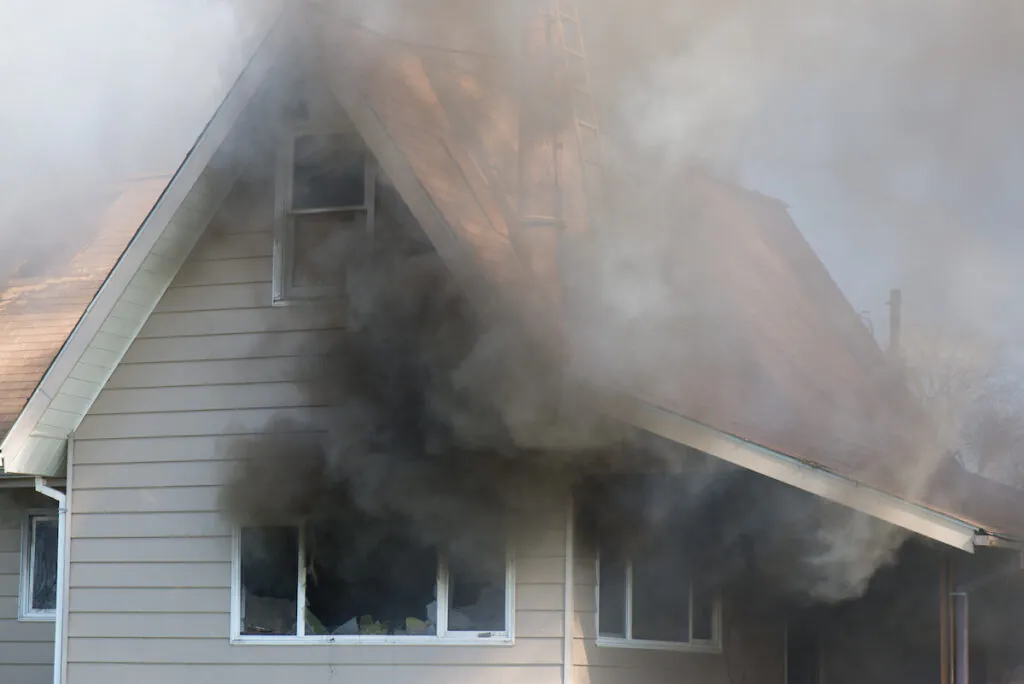
Even after a fire is extinguished, smoke, soot, and odor can continue to affect your home. Fire damage restoration services address visible damage while also helping reduce lingering effects that impact indoor air quality and surfaces.
Explore Our Fire and Smoke Damage Restoration Services
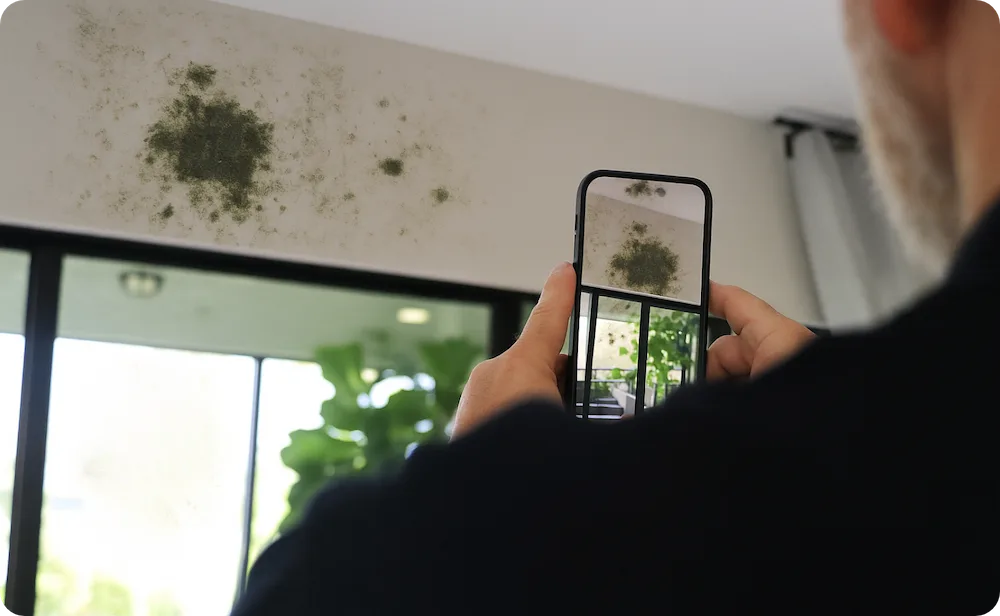
Mold often develops as a result of unresolved moisture or hidden water damage. Professional mold remediation helps identify affected areas, contain growth, and restore healthy indoor conditions.
Explore Our Mold Removal and Remediation Services
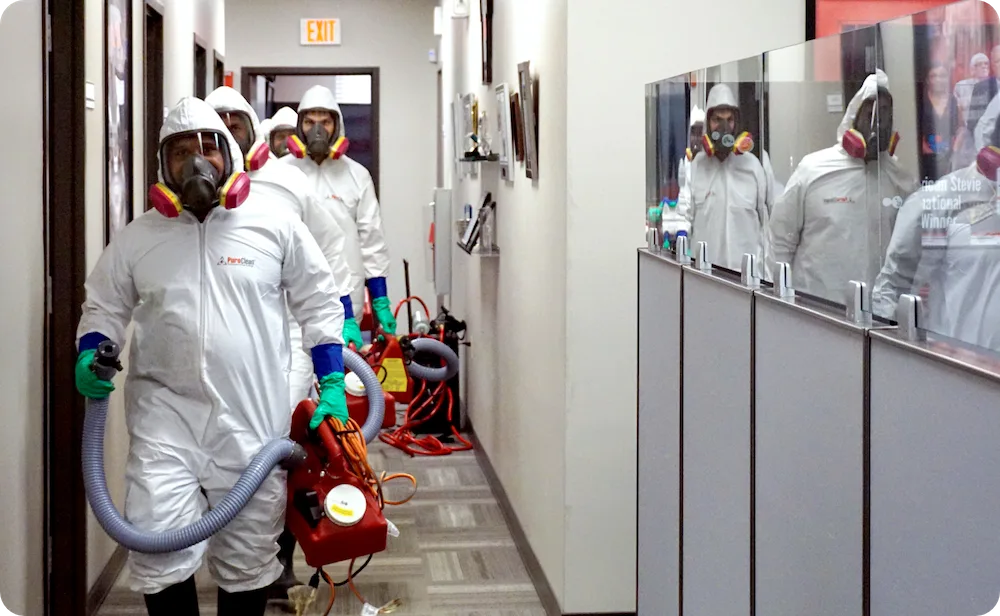
Biohazard situations, including crime scene cleanup and virus decontamination, require specialized cleaning and handling to protect health and safety. Biohazard cleanup services address contamination using proper protocols and professional care.
Explore Our Biohazard Cleanup Services
In some cases, property damage requires repairs beyond cleanup and mitigation. Reconstruction services help restore damaged areas of the home after water, fire, or other incidents, supporting a smoother transition from damage to recovery.
Explore Our Reconstruction Services Services
PuroClean provides 24/7 commercial property damage restoration services for businesses and facilities across the United States.
Explore Our Commercial Services
Water damage can result from unexpected leaks, flooding from storms, plumbing failures, or appliance malfunctions. Our certified teams focus on rapid water removal, drying, and stabilization to help prevent further damage and mold growth.
Explore Our Water Damage Mitigation Services

PuroClean of West Antelope Valley
(661) 544-1885
39529 Dunbar Street, Palmdale, CA 93551


© 2026 PuroClean. All Rights Reserved.