24/7 Emergency Emergency Water Damage Extraction Services in Palmdale, CA
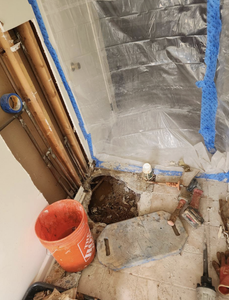
Emergency water extraction in Palmdale is designed to remove standing water quickly after a burst pipe, appliance failure, plumbing leak, roof leak, overflow, or other sudden water-loss event. Water can spread beneath flooring, behind drywall, into cabinets, insulation, wall cavities, and other hidden areas within minutes. PuroClean of West Antelope Valley provides emergency water extraction in Palmdale to help remove excess water, identify hidden moisture, begin structural drying, and reduce the risk of secondary damage.
Emergency extraction is usually the first phase of a larger water damage restoration process. Once standing water is removed, affected materials may still contain significant moisture and require dehumidification, air movement, moisture monitoring, selective removal, cleaning, or additional restoration. The goal is not simply to remove visible water, but to understand how far the loss traveled and stabilize the property as quickly as possible.
Emergency water extraction is the process of removing standing or pooled water from a property after a sudden water-loss event. The objective is to remove as much liquid water as practical before beginning the deeper drying process.
Water extraction may be needed after:
The faster excess water is removed, the sooner technicians can evaluate what materials are wet and begin controlled drying. However, extraction alone does not mean the structure is dry. Flooring, drywall, framing, insulation, cabinets, and subflooring may continue holding moisture after visible water has been removed.
For properties with active standing water across one or more rooms, our related flooded house cleanup in Palmdale service addresses the broader cleanup and restoration needs associated with a residential flooding event.
When water is actively entering a Palmdale home, the first priority is stopping the source when it can be done safely. The actions taken during the first few minutes can significantly affect how much water reaches floors, walls, cabinets, and adjoining rooms.
If the loss is caused by plumbing and it is safe to do so, shut off the affected fixture, appliance supply line, or the home’s main water supply. If the source cannot be safely controlled, contact the appropriate plumber, utility provider, or emergency professional.
Do not enter standing water when outlets, appliances, extension cords, electrical panels, or other energized equipment may be involved. Water and electricity can create a serious hazard, and unsafe electrical conditions should be addressed before entering the affected area.
Keep occupants and pets away from unstable flooring, contaminated water, sagging ceilings, or areas where building materials may have been weakened by water.
When possible, take photos or video of the source and affected rooms before cleanup begins. Documentation may be useful if an insurance claim is filed.
Once the source is controlled and the area is safe to enter, water extraction and moisture evaluation can begin. Removing visible water quickly helps reduce continued absorption into porous materials and allows the drying plan to begin sooner.
If the water loss is caused by a failed plumbing line, see our burst pipe water damage cleanup in Palmdale page for more information about plumbing-related water losses.
Standing water should generally be addressed as soon as the source is controlled and the area can be entered safely. The longer water remains in contact with drywall, flooring, wood, cabinets, insulation, and other porous materials, the greater the chance of swelling, staining, delamination, deterioration, and hidden moisture migration.
Water can also move farther than it appears to at first. A relatively small amount of standing water may spread underneath floating flooring, soak carpet padding, wick upward into drywall, or migrate into adjoining rooms.
Prompt extraction helps reduce the amount of liquid water available to continue soaking into materials, but the restoration process usually needs to continue after extraction. Moisture monitoring, air movement, and dehumidification may still be required until affected materials reach appropriate drying conditions.
Water extraction and water damage restoration are related, but they are not the same service.
Water extraction focuses primarily on removing standing or pooled water from the affected area. Depending on the loss, this may involve portable extraction equipment, pumps, or other professional water-removal tools.
Water damage restoration is the broader process that begins after or alongside extraction and may include:
This distinction is important because a room can have no visible standing water and still contain substantial moisture inside drywall, subflooring, framing, cabinets, or insulation.
PuroClean of West Antelope Valley also provides water extraction and dehumidification in Palmdale for properties that require continued moisture removal and controlled drying after the initial extraction phase.
Water follows gravity, pressure, and the pathways created by building materials. It may travel well beyond the location where the leak or overflow began.
Water may spread into:
Because hidden moisture may not be visible from the surface, professional moisture detection can be useful after a significant loss. Our related water leak detection in Palmdale resource explains how concealed water sources and moisture may be identified when the source is not immediately obvious.
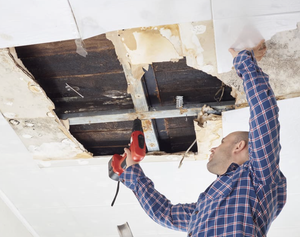
Water affecting ceilings or upper wall assemblies may also require more targeted evaluation. For those losses, see our ceiling water damage cleanup in Palmdale service.
Emergency water extraction begins with identifying the source of the water, determining how far it traveled, and removing as much liquid water as practical before deeper drying begins. PuroClean of West Antelope Valley develops the restoration plan based on the size of the loss, affected materials, moisture conditions, and whether the water has reached concealed areas.
The first step is evaluating where water is visible and where it may have migrated. This may include nearby rooms, wall cavities, flooring, cabinets, ceilings, closets, and other materials that can absorb or trap moisture.
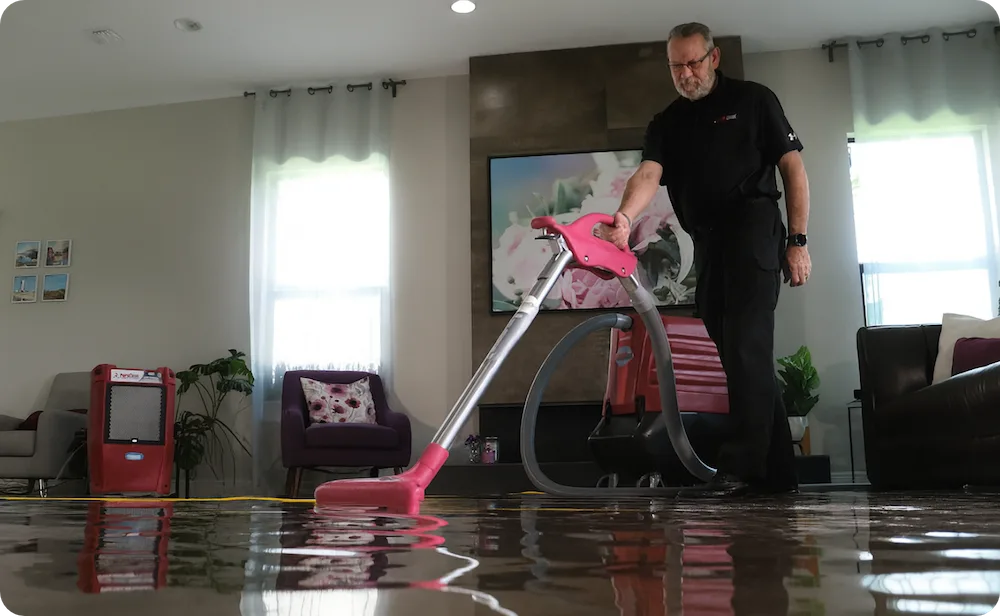
Standing water may be removed using professional extraction equipment selected for the amount of water and type of surface involved. Removing liquid water first helps reduce continued absorption into porous materials and shortens the amount of moisture that must later be removed through drying.
Moisture-detection equipment may be used to identify wet materials that are not obvious from the surface. This is especially important beneath flooring, behind drywall, inside cabinets, and in wall or ceiling assemblies.
Some materials may be suitable for drying and restoration, while others may need to be removed because of severe saturation, swelling, deterioration, contamination, or loss of structural integrity.
Once excess water is removed, air movement and dehumidification may be used to reduce moisture in affected materials and the surrounding air. Equipment placement should be based on the actual drying conditions rather than simply placing fans throughout the room.
Moisture readings can be checked during the drying process to determine whether affected materials are responding as expected. Drying conditions may be adjusted as moisture levels change.
After drying, affected surfaces may be cleaned and the property prepared for repairs or reconstruction when necessary. The final scope depends on the materials affected and the extent of the original water damage.
Water extraction removes liquid water, while structural drying addresses moisture that remains inside building materials after the visible water is gone. The two processes often happen together, but they solve different parts of the problem.
Materials that may retain moisture after extraction include:
Structural drying typically involves controlling airflow, humidity, and temperature while monitoring moisture levels over time. The objective is not simply to make the room feel dry, but to reduce moisture in affected materials to appropriate levels.
For properties that require continued drying after standing water has been removed, see our structural drying in Palmdale service.
Emergency water extraction may be needed after many different types of residential water losses. The source of the water helps determine what additional cleanup or restoration may be required.
A burst pipe or failed supply line can release water continuously until the plumbing supply is shut off. Water may spread through walls, flooring, ceilings, and adjoining rooms before the source is controlled.
For plumbing-related losses, see our burst pipe water damage cleanup in Palmdale service.
A major plumbing failure, overflow, or other sudden water loss can leave standing water across one or more rooms. These losses may require large-volume extraction followed by moisture detection and structural drying.
For broader residential flooding events, see our flooded house cleanup in Palmdale service.
Washing machines, dishwashers, refrigerators, ice makers, and other appliances can release significant amounts of water when supply lines, pumps, hoses, or internal components fail.
Our appliance leak water damage cleanup in Palmdale service addresses water losses caused by household appliances and supply-line failures.
A leaking or failed water heater can release water into garages, utility rooms, closets, hallways, or adjacent living spaces. The amount of damage depends on the tank size, location, duration of the leak, and nearby building materials.
For these losses, see our water heater leak cleanup in Palmdale service.
Toilets, tubs, showers, sinks, supply lines, and bathroom plumbing can cause sudden water losses that spread beneath flooring or into adjoining rooms.
See our bathroom water damage cleanup in Palmdale service for bathroom-specific losses.
Dishwashers, refrigerator supply lines, sinks, garbage disposals, and plumbing connections can release water beneath cabinets and flooring where moisture may remain hidden.
For kitchen-specific losses, see our kitchen water damage cleanup in Palmdale service.
When plumbing beneath the foundation leaks, water may migrate through or beneath the slab before it becomes visible inside the home. These losses can affect flooring, walls, cabinets, and other materials above the leak.
See our slab leak water damage cleanup in Palmdale service for restoration after an under-slab plumbing loss.
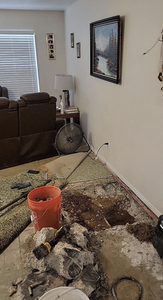
A room can appear dry after standing water has been removed while moisture remains inside materials or concealed assemblies. Hidden water damage may become more noticeable over the following hours or days.
Signs may include:
When the source of moisture is uncertain or the affected area appears larger than expected, professional moisture evaluation can help determine whether additional wet materials remain concealed.
Yes. Water damage can create conditions favorable for mold when drywall, wood, carpet, insulation, or other organic materials remain damp for an extended period.
Mold risk depends on several factors, including:
Removing standing water promptly does not guarantee that mold will not develop, but it reduces the amount of water available to continue soaking into materials. Continued drying and moisture monitoring are important after extraction.
If mold is discovered during or after water restoration, additional evaluation or remediation may be appropriate. PuroClean of West Antelope Valley also provides mold removal services in Palmdale for properties where microbial growth has developed.
Homeowners insurance may cover emergency water extraction and resulting water damage when the loss is sudden and accidental, but coverage depends on the policy, cause of the loss, exclusions, maintenance history, and specific circumstances.
For example, a policy may treat a sudden burst pipe differently from a long-term leak that was not repaired. Coverage for the failed plumbing component may also differ from coverage for water damage to flooring, drywall, cabinets, or other parts of the structure.
Useful documentation may include:
Homeowners should contact their insurance carrier or adjuster to determine what their specific policy covers.
PuroClean of West Antelope Valley helps Palmdale homeowners respond to sudden water losses by removing standing water, identifying hidden moisture, beginning controlled drying, and determining which materials may require additional restoration.
Because water can travel beneath flooring, behind walls, through cabinets, and into adjoining rooms, the visible puddle is often only part of the loss. Professional moisture evaluation can help identify wet areas that may otherwise be overlooked.
PuroClean of West Antelope Valley serves Palmdale and surrounding Antelope Valley communities and can assist with burst pipes, flooded rooms, appliance failures, water heater leaks, bathroom and kitchen water damage, slab leaks, roof leaks, and other sudden water-loss events.
If it can be done safely, stop the source of the water first. This may mean shutting off a fixture, appliance supply line, or the home’s main water supply. Avoid entering standing water when electrical outlets, appliances, panels, or other energized equipment may be involved. Once the source is controlled and the area is safe, begin documenting the loss and arranging water extraction and moisture evaluation.
Standing water should generally be removed as soon as the source is controlled and the affected area can be entered safely. The longer water remains in contact with drywall, flooring, cabinets, insulation, wood, and other porous materials, the greater the chance of swelling, staining, deterioration, and hidden moisture migration.
No. Water extraction removes liquid water from the property, while structural drying addresses moisture that remains inside building materials after visible water is gone. A complete restoration may require both extraction and continued drying with air movement, dehumidification, and moisture monitoring.
The equipment used depends on the size and type of water loss. Professional restoration crews may use portable extraction units, pumps, moisture meters, air movers, dehumidifiers, and other drying equipment. The goal is to remove liquid water first, then identify and reduce moisture that remains in affected materials.
Yes. Water can remain beneath flooring, inside carpet padding, behind drywall, inside cabinets, within insulation, and in wall or ceiling cavities after the visible surface appears dry. Moisture detection can help identify areas that may still require drying or additional evaluation.
Mold risk increases when organic materials remain damp for an extended period. The exact timing depends on moisture levels, temperature, humidity, ventilation, and the materials involved. Prompt extraction and controlled drying can help reduce the conditions that support microbial growth.
It may be, depending on the cause of the water loss and the terms of the policy. Sudden and accidental events such as a burst pipe or failed appliance supply line may be treated differently from long-term leaks or maintenance-related problems. Homeowners should review their policy and contact their carrier or adjuster for coverage details.
If your Palmdale home has standing water, saturated flooring, wet drywall, leaking plumbing, or water spreading into adjoining rooms, prompt extraction can help limit continued absorption and begin the drying process sooner.
PuroClean of West Antelope Valley provides emergency water extraction in Palmdale for residential water losses caused by burst pipes, flooded rooms, appliance failures, water heater leaks, bathroom and kitchen plumbing, slab leaks, roof leaks, and other sudden sources of water intrusion.
After the visible water is removed, the next step is determining what materials are still wet and whether additional structural drying in Palmdale is needed. For larger residential flooding events, see our flooded house cleanup in Palmdale service.
The sooner the source is controlled and the affected materials are evaluated, the easier it is to determine an appropriate restoration plan for the property.
What Our Customers Say:
Find answers to common questions about our services
You can check the walls and ceilings for water stains, the floors for warping and buckling, and the pipes for corrosion, leaks, missing grout, and mold. Attics and basements may have damaged flooring, mildew or mold, dampness, and odors. Also, be sure to inspect the exterior of the home for cracked roof tiles, puddles, standing water, and whether the ground is sloping away from the house.
First, if safe, shut off the utilities in your home to avoid further damage. Don’t enter your home if it has suffered structural damage. Don’t walk through floodwater if electricity hasn’t been turned off, and avoid contaminants. Next, contact a water-damage restoration company, such as PuroClean of West Antelope Valley, as soon as possible. Don’t wait, as water can cause mold and irremediable damage to the wood, walls, and carpet. Then, depending on the extent of the damage and the recommendation of the remediation company, contact your insurance provider to start the claim process.
There are many variables that determine whether a flooded property can be saved: the amount of water, and even more important, the amount of time the water was in/around the property. Every situation is different, and PuroClean of West Antelope Valley expert restoration professionals can determine what can be salved once one site.
Property water damage can pose several dangers including structural instability, electrical hazards, mold and mildew growth leading to health issues, contamination from sewage or chemicals, and potential collapse of weakened structures.
Water flooding can cause extensive damage including structural damage to walls, floors, and foundations, damage to personal belongings, electrical hazards, and potential health risks from mold and bacteria growth. The longer water sits, the more severe the damage becomes.
Water damage can result from unexpected leaks, flooding from storms, plumbing failures, or appliance malfunctions. Our certified teams focus on rapid water removal, drying, and stabilization to help prevent further damage and mold growth.
 Explore Our Water Damage Mitigation Services
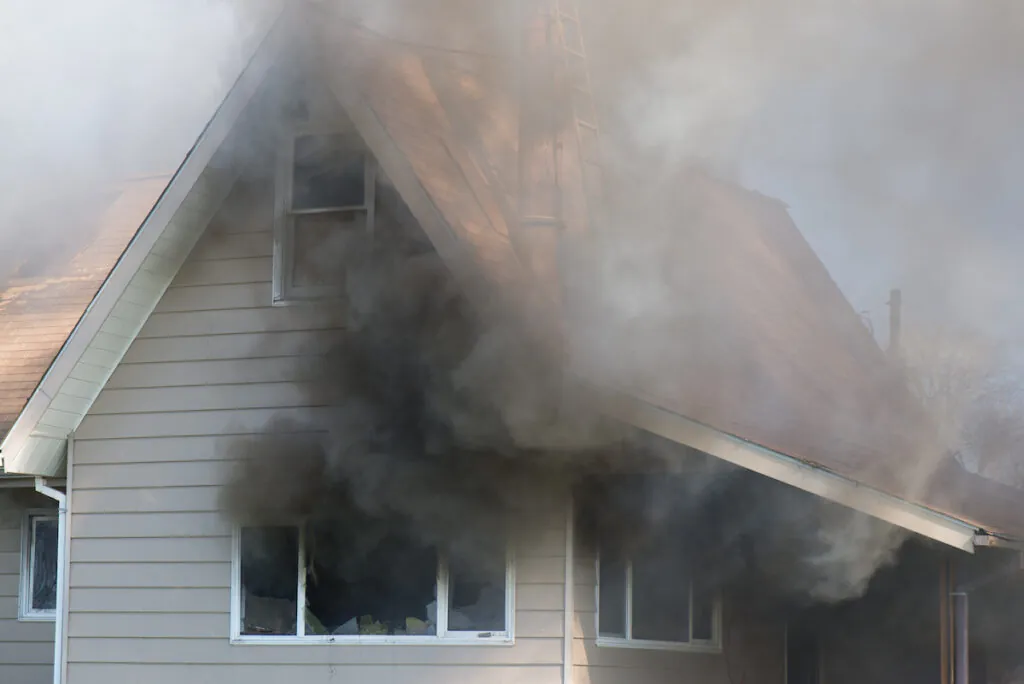
Even after a fire is extinguished, smoke, soot, and odor can continue to affect your home. Fire damage restoration services address visible damage while also helping reduce lingering effects that impact indoor air quality and surfaces.
Explore Our Fire and Smoke Damage Restoration Services
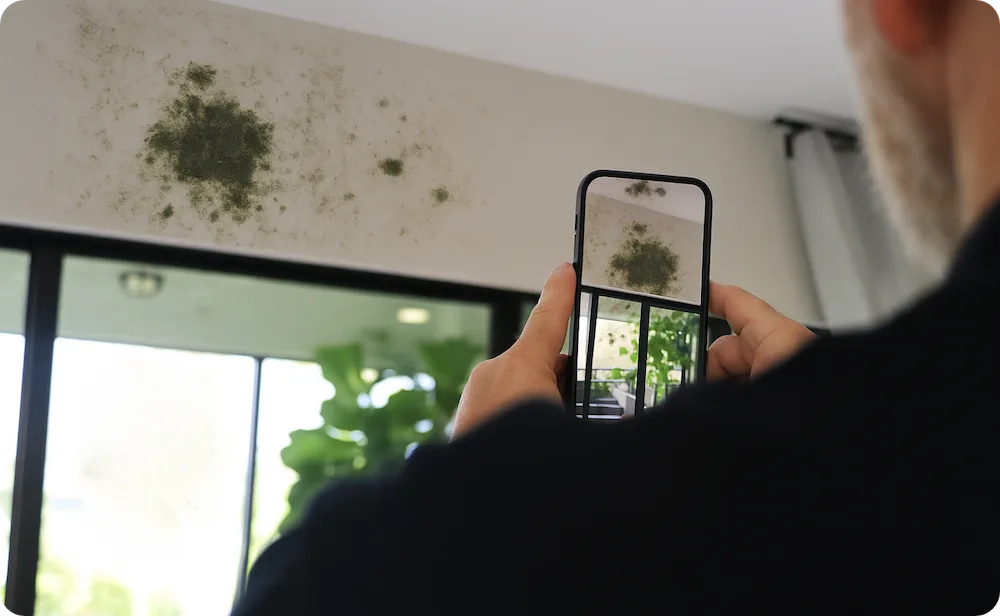
Mold often develops as a result of unresolved moisture or hidden water damage. Professional mold remediation helps identify affected areas, contain growth, and restore healthy indoor conditions.
Explore Our Mold Removal and Remediation Services
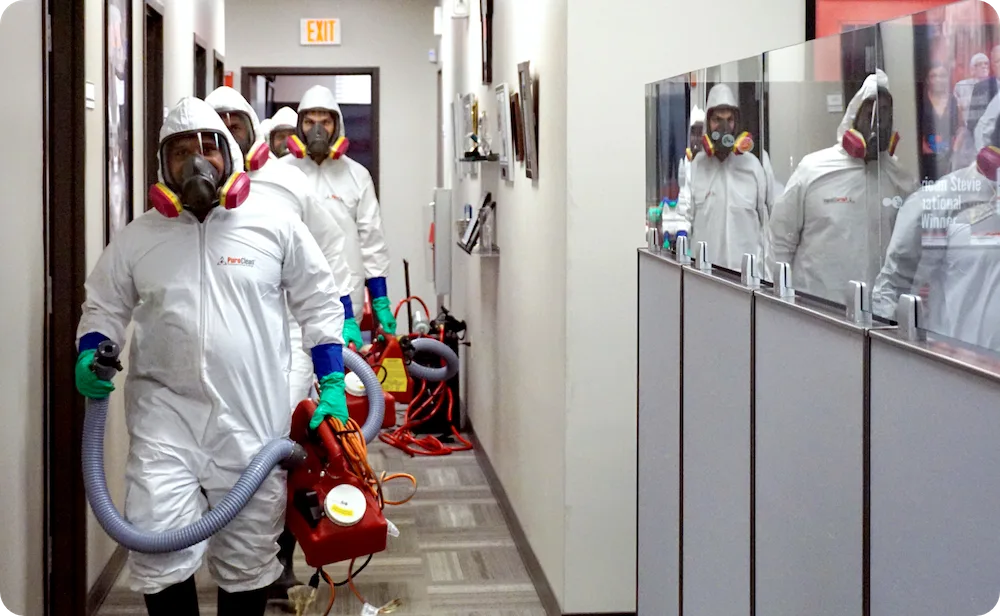
Biohazard situations, including crime scene cleanup and virus decontamination, require specialized cleaning and handling to protect health and safety. Biohazard cleanup services address contamination using proper protocols and professional care.
Explore Our Biohazard Cleanup Services
In some cases, property damage requires repairs beyond cleanup and mitigation. Reconstruction services help restore damaged areas of the home after water, fire, or other incidents, supporting a smoother transition from damage to recovery.
Explore Our Reconstruction Services Services
PuroClean provides 24/7 commercial property damage restoration services for businesses and facilities across the United States.
Explore Our Commercial Services
Water damage can result from unexpected leaks, flooding from storms, plumbing failures, or appliance malfunctions. Our certified teams focus on rapid water removal, drying, and stabilization to help prevent further damage and mold growth.
Explore Our Water Damage Mitigation Services

PuroClean of West Antelope Valley
(661) 544-1885
39529 Dunbar Street, Palmdale, CA 93551


© 2026 PuroClean. All Rights Reserved.