24/7 Emergency Attic Mold Cleanup Lancaster Services in Palmdale, CA
Attic mold in Lancaster can develop even though the Antelope Valley has a predominantly dry climate. A roof leak, damaged vent, plumbing problem, HVAC condensation, or improperly routed exhaust duct can introduce enough moisture for mold to grow on roof decking, rafters, insulation, and other concealed materials. Once moisture becomes trapped above the living space, the attic may remain damp longer than homeowners realize.
PuroClean of West Antelope Valley provides professional attic mold cleanup in Lancaster to identify affected materials, contain the work area when appropriate, and develop a cleanup plan based on the attic’s construction and moisture conditions. If mold extends beyond the attic or affects other parts of the property, our broader mold removal services in Lancaster can address the additional areas.
Lancaster’s dry outdoor conditions can make attic mold seem unlikely. However, mold does not require a humid regional climate. It only requires enough localized moisture, a suitable surface, and time to grow.
Attics contain many materials that can hold moisture, including wood sheathing, rafters, insulation, drywall, dust, and stored belongings. Water entering through damaged roofing or a failed roof penetration can become trapped in these materials without producing an immediate leak inside the living space.
Temperature differences can also contribute to attic moisture. Warm air from the home may enter through ceiling openings, recessed lighting, attic access points, or poorly sealed ducts. When that air contacts cooler attic surfaces, condensation may develop. Bathroom or kitchen exhaust ducts that release air into the attic instead of outdoors can make this condition worse.
Other possible sources include leaking plumbing lines, HVAC condensate, evaporative-cooling equipment where present, and moisture remaining from an earlier water-loss event. Effective remediation begins by understanding which condition allowed the attic to become wet.
Attic mold may be discovered during a roof repair, HVAC appointment, insulation project, home inspection, or real-estate transaction. In other cases, signs appear inside the home before anyone enters the attic.
Conditions that may warrant further evaluation include:
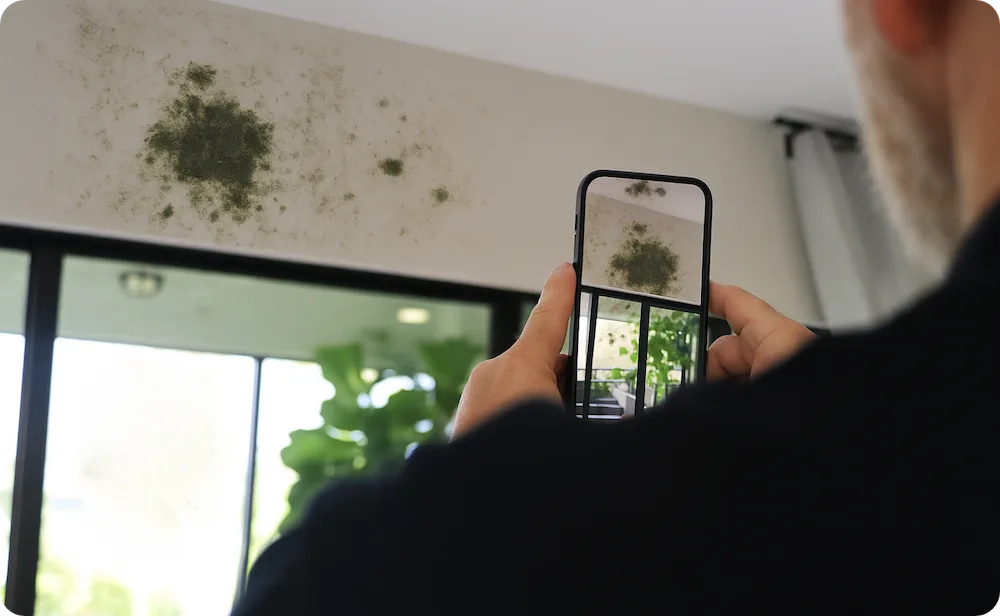
Not every dark stain is active mold, and mold may be present even when the attic looks relatively clean from the access opening. Insulation and stored materials can conceal affected surfaces, while water may travel along framing before becoming visible.
Roof leaks are a common source of attic moisture. Wind, seasonal rain, aging materials, deteriorated flashing, and failed seals around vents or other penetrations can allow water to reach the roof deck. Because Lancaster frequently experiences dry periods between storms, a small leak may appear to stop even though affected materials remain damp.
The visible location of a ceiling stain may not reveal where water entered the roof. Water can follow sheathing, rafters, trusses, pipes, and insulation before collecting above a ceiling or inside a wall cavity.
If you have recently discovered a roof leak, our West Antelope Valley roof-leak guide explains practical steps for limiting interior damage. The roofing defect should be corrected by an appropriate roofing professional, but the materials affected below the roof may still require moisture evaluation, drying, or remediation.
When water has traveled from the attic into ceilings, walls, or occupied rooms, PuroClean also provides water damage restoration in Lancaster. Addressing both the original water intrusion and the resulting contamination helps prevent part of the problem from remaining concealed.
Not every attic moisture problem begins with rain. Condensation can form when warm, moisture-containing air reaches a cooler surface inside the attic. Air may enter from bathrooms, kitchens, laundry areas, HVAC equipment, gaps around fixtures, or openings between the attic and living space.
Blocked soffit vents, obstructed roof vents, disconnected exhaust ducts, and damaged HVAC components can interfere with normal airflow. If a bathroom fan or other exhaust system terminates inside the attic, it may repeatedly release moisture onto nearby insulation and wood.
HVAC ductwork can also create localized problems when condensation develops around poorly insulated or damaged components. The correct solution depends on the source. Mold cleanup alone will not prevent recurrence if moisture continues entering the attic.
An attic is not normally occupied, but it remains an important part of the home’s building system. Moisture and mold can affect roof decking, framing, insulation, ceiling materials, odors, and the overall condition of the property.
If the moisture source continues, the affected area may expand and additional materials may deteriorate. Wet insulation can lose effectiveness, conceal damaged surfaces, and hold moisture against wood or drywall. Contamination can also complicate future roofing, insulation, electrical, or HVAC work.
Attic mold frequently becomes a concern during a property inspection or sale. Buyers and inspectors may want to know what caused the condition, whether the moisture source was corrected, and how affected materials were addressed.
Professional cleanup is intended to do more than improve the appearance of stained wood. The process evaluates the affected area, limits unnecessary disturbance, addresses materials according to their condition, and incorporates moisture control into the remediation plan.
Attics vary considerably in size, access, ventilation, construction, and insulation. PuroClean of West Antelope Valley evaluates the conditions present before determining the appropriate cleanup scope for a Lancaster property.
We examine accessible roof decking, rafters, trusses, insulation, vents, ducts, plumbing components, ceiling penetrations, and other materials for visible contamination or evidence of moisture.
The team looks for conditions that may have allowed moisture to enter or collect in the attic. These can include roof intrusion, plumbing leaks, HVAC condensation, disconnected exhaust ducts, or moisture remaining after previous property damage.
Visible staining may represent only part of the problem. The evaluation considers whether moisture traveled beneath insulation, along framing, or into adjoining ceiling and wall assemblies.
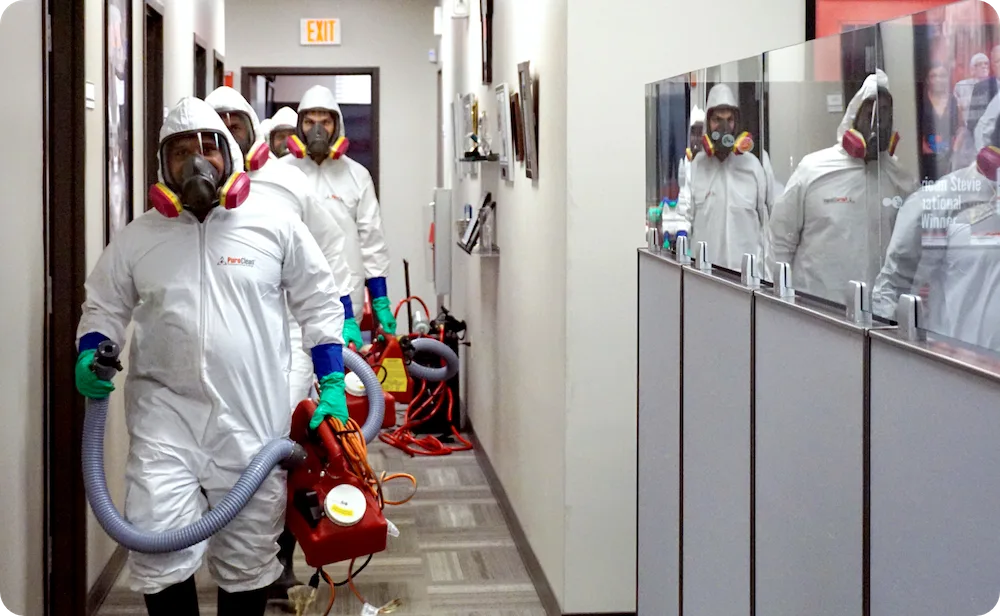
Containment and air-control methods may be used to separate the work area from unaffected portions of the property. The appropriate setup depends on attic access, the amount of affected material, and the work being performed.
Significantly contaminated or deteriorated porous materials may require removal. Decisions are based on the type of material, its physical condition, moisture history, accessibility, and whether it can be cleaned effectively.
Accessible roof decking, framing, and other materials that remain structurally sound may be cleaned using methods selected for the surface and level of contamination.
Materials must be adequately dry for remediation to provide a lasting result. When necessary, professional drying equipment and moisture monitoring may be incorporated into the restoration process.
After cleanup, the work area is reviewed to confirm that the planned remediation steps were completed and that identified moisture conditions were addressed within the project scope.
Attic materials respond differently to water and contamination. The remediation approach should reflect the material involved rather than applying one treatment throughout the attic.
Wood sheathing, rafters, and trusses may develop surface growth after repeated or prolonged moisture exposure. Structurally sound wood may sometimes be cleaned, while deteriorated materials may require additional evaluation or replacement.
Insulation can absorb or trap moisture and conceal the surfaces beneath it. Depending on the insulation type and degree of contamination, removal may be necessary to expose and address affected roof decking or ceiling materials.
Water traveling through an attic can stain, soften, or saturate the ceiling below. A small visible mark may not show the full area affected above the drywall. Sagging, bulging, cracked, or actively dripping ceiling materials should be treated cautiously.
Condensation around ducts or equipment can create concentrated areas of moisture. Contamination near air-handling components should be evaluated carefully because the attic may have air pathways connected to occupied areas.
For mold affecting other rooms, walls, flooring, or building materials, PuroClean’s mold removal and remediation services provide a broader response to moisture-related contamination throughout the property.
Reducing attic mold risk primarily means preventing recurring moisture and responding quickly when water intrusion occurs.
Useful preventive measures include:
Lancaster’s dry weather can cause exposed surfaces to dry while moisture remains inside insulation, wood assemblies, or enclosed cavities. After a leak, the safest approach is to determine how far the water traveled instead of relying solely on the appearance of the visible surface.
PuroClean of West Antelope Valley approaches attic mold as both a contamination issue and a moisture-related property problem. We evaluate the affected materials, consider how water or condensation entered the attic, and develop a cleanup plan based on the conditions inside the property.
An attic mold project may involve roof decking, insulation, framing, HVAC components, ceilings, and concealed water damage at the same time. Evaluating the complete affected area helps reduce the possibility that visible mold is cleaned while damp or contaminated materials remain hidden nearby.
Homeowners concerned about project scope and pricing can also review our attic mold cleanup cost guide. Final pricing depends on attic access, the amount and type of affected material, containment needs, drying requirements, and whether damaged materials require removal.
PuroClean of West Antelope Valley serves Lancaster and surrounding Antelope Valley communities. Call us if you have discovered attic mold, roof-leak damage, wet insulation, musty odors, or unexplained moisture above your living space.
Yes. Attic mold depends on moisture inside the structure, not just outdoor humidity. Roof leaks, plumbing problems, condensation, HVAC moisture, and improperly routed exhaust ducts can create damp areas even in a dry climate.
Yes. A small leak can repeatedly wet the same section of roof decking, framing, or insulation. If the material does not dry completely between weather events, conditions may support mold growth and gradual deterioration.
A small visible spot may appear easy to clean, but attic contamination can extend behind insulation or across concealed portions of the roof deck. Disturbing affected materials may also release particles. Widespread, recurring, or difficult-to-access growth should be professionally evaluated.
It depends on the insulation material, the amount of contamination, the moisture exposure, and whether underlying surfaces need to be accessed. Wet or significantly contaminated insulation may need to be removed rather than cleaned in place.
The attic and living space can be connected through recessed lights, ductwork, wall cavities, attic access openings, plumbing penetrations, and other gaps. These connections make it important to evaluate contamination and moisture as part of the home’s complete building system.
Yes, if the moisture condition returns. Roof leaks, condensation, ventilation problems, plumbing failures, and HVAC issues should be corrected whenever possible to reduce the likelihood of new growth.
The timeline depends on attic access, the size of the affected area, the materials involved, containment requirements, and whether drying or material removal is needed. An inspection is necessary before an accurate project timeline can be established.
If you have found staining, damp insulation, musty odors, roof-leak damage, or visible mold in your attic, PuroClean of West Antelope Valley can evaluate the affected area and recommend the appropriate next steps.
Addressing the moisture source early may help limit further contamination and property damage. Call today to discuss attic mold cleanup in Lancaster and schedule an evaluation.
div style=”margin:24px 0″>Request Immediate Help
What Our Customers Say:
Find answers to common questions about our services
Mold returning after DIY remediation is likely if the underlying moisture problem is not. Professional remediation includes moisture control measures and post-remediation verification to reduce this risk significantly.
A small, contained project may take only a few days, while large-scale contamination can take weeks. The timeline depends on the extent of damage, materials affected, and whether reconstruction is required.
Mold remediation may require partial relocation or temporary closure of affected areas. Containment zones and HEPA air scrubbers minimize disruption, and many properties remain partially usable during the process
Professional technicians at PuroClean of West Antelope Valley use tools such as moisture meters, infrared cameras, and air sampling to detect moisture where mold colonies may be found. Identifying hidden mold is critical, as untreated areas can continue to spread contamination.
Early indicators include musty odors, visible patches of discoloration on walls or ceilings, and unexplained allergy-like symptoms among occupants. Mold may also hide behind wallpaper, under flooring, or inside HVAC systems
Water damage can result from unexpected leaks, flooding from storms, plumbing failures, or appliance malfunctions. Our certified teams focus on rapid water removal, drying, and stabilization to help prevent further damage and mold growth.
 Explore Our Water Damage Mitigation Services
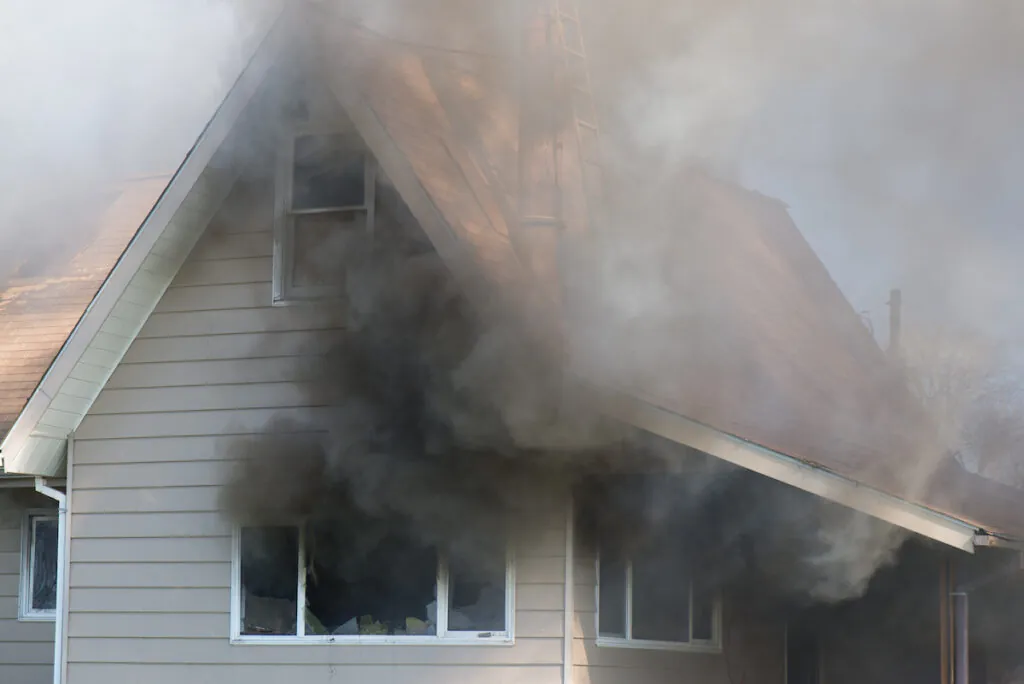
Even after a fire is extinguished, smoke, soot, and odor can continue to affect your home. Fire damage restoration services address visible damage while also helping reduce lingering effects that impact indoor air quality and surfaces.
Explore Our Fire and Smoke Damage Restoration Services
Mold often develops as a result of unresolved moisture or hidden water damage. Professional mold remediation helps identify affected areas, contain growth, and restore healthy indoor conditions.
Explore Our Mold Removal and Remediation Services
Biohazard situations, including crime scene cleanup and virus decontamination, require specialized cleaning and handling to protect health and safety. Biohazard cleanup services address contamination using proper protocols and professional care.
Explore Our Biohazard Cleanup Services
In some cases, property damage requires repairs beyond cleanup and mitigation. Reconstruction services help restore damaged areas of the home after water, fire, or other incidents, supporting a smoother transition from damage to recovery.
Explore Our Reconstruction Services Services
PuroClean provides 24/7 commercial property damage restoration services for businesses and facilities across the United States.
Explore Our Commercial Services
Water damage can result from unexpected leaks, flooding from storms, plumbing failures, or appliance malfunctions. Our certified teams focus on rapid water removal, drying, and stabilization to help prevent further damage and mold growth.
Explore Our Water Damage Mitigation Services

PuroClean of West Antelope Valley
(661) 544-1885
Palmdale, CA


© 2026 PuroClean. All Rights Reserved.