24/7 Emergency Hoarding Cleanup Palmdale Services in Palmdale, CA
Hoarding cleanup in Palmdale requires more than removing clutter. When excessive belongings, trash, food waste, animal waste, mold, pests, sharps, or other contaminants are present, the property may require professional cleaning, sanitation, odor removal, and biohazard precautions. PuroClean of West Antelope Valley helps homeowners, families, property managers, landlords, and estate representatives restore hoarded properties throughout Palmdale and surrounding Antelope Valley communities.
Every situation is different. Some homes primarily need organized debris removal and deep cleaning, while others involve significant health and safety hazards that require professional biohazard cleanup procedures. Our goal is to approach each property respectfully, identify the safest cleanup strategy, and help return the home to a cleaner, healthier, and more usable condition.
Professional hoarding cleanup is a structured process for removing accumulated materials while addressing sanitation, contamination, odors, and property damage that may exist beneath the clutter. Depending on the condition of the property, cleanup may include sorting belongings, removing trash and debris, cleaning surfaces, disinfecting affected areas, addressing odors, identifying moisture problems, and removing materials that cannot be safely restored.
In less severe situations, the primary challenge may be the volume of belongings. In more advanced cases, technicians may encounter spoiled food, rodent or insect activity, animal waste, bodily fluids, mold growth, needles, medications, broken glass, damaged flooring, or other potentially hazardous materials.
Because each home has a different level of accumulation and contamination, the cleanup scope should be based on the actual conditions inside the property rather than a one-size-fits-all checklist.
A hoarded property can become a biohazard when accumulated materials create conditions that expose occupants or cleanup workers to potentially infectious, toxic, or otherwise hazardous substances. Clutter itself is not automatically a biohazard, but the conditions hidden underneath it can create serious concerns.
Examples include animal urine or feces, human waste, blood or bodily fluids, decomposing food, rodent contamination, needles or sharps, sewage, mold growth, and materials affected by decomposition. When these hazards are present, cleanup may require additional personal protective equipment, containment, specialized disposal practices, and professional sanitation.
For homeowners who want to understand this distinction in greater detail, see our guide on when hoarding becomes a biohazard in Palmdale.
Hoarding often creates hazards that are difficult to see until belongings begin to be removed. Professional cleanup allows the property to be evaluated layer by layer so hidden concerns can be identified as work progresses.
Heavy accumulation can block hallways, stairs, doors, windows, electrical panels, furnaces, and other important access points. This can increase fall risk and make it more difficult for occupants or first responders to move through the property safely.
Paper, cardboard, clothing, furniture, and other combustible materials can significantly increase the fuel load inside a home. Clutter around heaters, outlets, extension cords, appliances, or cooking areas can create additional fire risk.
Food waste, hidden nesting areas, and limited access can allow rodents and insects to remain unnoticed. Animal waste may also contaminate flooring, walls, belongings, and air within enclosed spaces.
Leaks or condensation may remain hidden behind boxes, furniture, or stored belongings. When moisture cannot dry properly, mold may develop on drywall, flooring, wood framing, fabrics, and stored materials.
Some hoarded properties contain blood, bodily fluids, human waste, needles, medications, drug-related materials, or decomposition-related contamination. These situations may overlap with other professional services such as blood and trauma cleanup, drug and meth lab cleanup, or unattended death cleanup.
The exact process depends on the condition of the property, but professional hoarding cleanup generally follows a structured sequence designed to improve safety and prevent unnecessary disruption.
The first step is evaluating the amount of material present, accessibility, contamination, odor conditions, pest activity, moisture concerns, and other potential hazards. This helps determine the equipment, labor, protective measures, and disposal requirements needed for the project.
Technicians may first create safe walkways and access points so crews can move through the property without increasing the risk of falls or disturbing hazardous materials unnecessarily.
Items may be separated into categories such as belongings to retain, materials to donate when appropriate, ordinary trash, and contaminated materials requiring special handling. The approach should be coordinated with the homeowner, family, estate representative, landlord, or other authorized decision-maker.
Materials affected by biological contamination, severe mold, sewage, animal waste, or other hazards may need to be removed rather than cleaned. Proper handling helps prevent contamination from being spread throughout the property.
Once clutter is removed, previously inaccessible floors, walls, fixtures, counters, appliances, and other surfaces can be cleaned. Areas affected by biological contamination may require professional disinfecting and sanitation procedures.
Persistent odors can originate from food waste, smoke, animals, urine, moisture, sewage, or decomposition. Effective odor treatment requires identifying and removing the source rather than simply masking the smell.
After cleanup, the property can be reviewed for remaining contamination, moisture damage, structural concerns, or restoration needs that were hidden by accumulated materials.
For a deeper walkthrough, visit our guide explaining what happens during professional hoarding cleanup in Palmdale.
Hoarding cleanup cost can vary significantly because the amount of work depends on more than the size of the home. Two properties with similar square footage may require very different cleanup scopes depending on accessibility, amount of accumulation, contamination, disposal requirements, and the condition of the surfaces underneath.
Common factors that affect pricing include:
Because these factors vary so widely, an on-site assessment is usually the best way to determine an appropriate scope of work. Our detailed Palmdale hoarding cleanup cost guide explains the major pricing variables in greater detail.
Hoarding conditions can affect many different types of properties throughout Palmdale and the Antelope Valley. PuroClean can assist homeowners and other authorized parties with cleanup planning for:
In rental and estate situations, documentation and coordination may be especially important because multiple parties can be involved in approving cleanup and determining what belongings should remain.
Family members sometimes begin a cleanup expecting to remove several bags of trash and quickly discover conditions that are more complicated than anticipated. Once accumulated materials are moved, hidden contamination, pests, mold, damaged flooring, sewage, sharps, or other hazards may become visible.
Professional cleanup can help reduce exposure to these hazards while providing the labor, protective equipment, disposal resources, cleaning products, and systematic workflow needed for larger projects.
Professional assistance can also be valuable when the amount of material is simply too large for a family or property manager to safely remove within a reasonable period of time.
Hoarding conditions sometimes overlap with other forms of contamination. Depending on what is discovered inside the property, additional cleanup may be necessary.
Cleanup may take anywhere from part of a day to several days or longer depending on the amount of material, number of rooms, accessibility, contamination, sorting requirements, and disposal needs. A property assessment provides a more realistic timeline.
Small amounts of ordinary clutter may be manageable without professional assistance. However, professional help should be considered when there are blocked exits, large amounts of debris, animal or human waste, mold, sewage, sharps, pests, strong odors, or other hazardous conditions.
Odor treatment may be included when necessary. The most important step is identifying and removing the source of the odor, which may include contaminated materials, spoiled food, animal waste, smoke residue, sewage, moisture-damaged materials, or other substances.
Whenever possible, decisions regarding personal belongings are coordinated with the homeowner or authorized representative. Items may be separated into belongings to keep, materials that can potentially be donated, ordinary waste, and contaminated items that cannot be safely restored.
Professional cleanup should be considered when the volume of accumulated materials makes the property difficult to navigate or when biological contamination, pests, mold, odors, sewage, animal waste, sharps, or other safety hazards are present.
If a hoarded home has become difficult or unsafe to manage, PuroClean of West Antelope Valley can help evaluate the property and develop an appropriate cleanup plan. We serve homeowners, families, landlords, property managers, and estate representatives throughout Palmdale and surrounding communities including Lancaster, Quartz Hill, Acton, Littlerock, and nearby areas.
Whether the property requires debris removal, deep cleaning, sanitation, odor treatment, or more extensive biohazard cleanup, the first step is understanding the actual condition of the home and identifying the safest way forward.
Hoarding cleanup should follow a structured process that improves safety, protects belongings when possible, and addresses contamination without creating unnecessary disruption. PuroClean of West Antelope Valley evaluates the condition of the property and develops a cleanup plan based on the amount of accumulation, accessibility, sanitation concerns, odor conditions, and materials present.
The first step is identifying the areas affected by clutter, debris, contamination, moisture, pests, odors, or other hazards. The inspection also helps determine how easily crews can move through the property and whether blocked exits, unstable stacks, sharps, animal waste, or biological contamination require additional precautions.
In heavily cluttered homes, technicians may first create safe walkways and working areas. Establishing access helps reduce trip hazards and allows cleanup to proceed in a controlled sequence.
Items may be separated into categories such as belongings to keep, materials that may be donated, ordinary household waste, and contaminated items that cannot be safely restored. Whenever possible, decisions involving personal belongings are coordinated with the homeowner or authorized representative.
Accumulated trash, spoiled food, damaged belongings, animal waste, contaminated porous materials, and other debris may need to be removed from the property. Materials affected by sewage, bodily fluids, decomposition, severe mold, or other biohazards may require specialized handling and disposal.
Once clutter and debris are removed, previously inaccessible floors, walls, counters, fixtures, cabinets, appliances, and other surfaces can be cleaned. Areas affected by biological contamination may require additional disinfecting and sanitation procedures.
Persistent odors may come from animal waste, food waste, smoke, mold, sewage, moisture-damaged materials, or decomposition. Effective odor treatment begins by locating and removing the source rather than simply masking the smell.
Removing accumulated materials often reveals problems that were previously concealed. Flooring, drywall, cabinets, subflooring, plumbing, and other building materials may show moisture damage, staining, mold, pest damage, or deterioration that requires additional restoration.
When cleanup reveals broader property damage, homeowners can also review general damage restoration resources from Damage Restoration Hero for additional information about property-loss and restoration issues.
After cleanup, the property can be reviewed for remaining debris, contamination, odors, moisture concerns, or damaged materials that may require further attention.
Hoarding cleanup cost in Palmdale can vary significantly because pricing depends on the actual condition of the property rather than square footage alone. Two homes of similar size can require very different amounts of labor, disposal, cleaning, sorting, and biohazard precautions.
Common factors that can affect the cost of hoarding cleanup include:
Labor can also vary considerably depending on whether belongings need to be carefully reviewed and sorted or whether most of the accumulated material is being discarded.
Because the scope can differ so widely from one property to another, an on-site assessment is generally the most reliable way to determine the amount of work required.
Animal hoarding can create a particularly difficult cleanup environment because large numbers of pets or prolonged indoor animal activity may result in widespread urine, feces, hair, food waste, insects, odors, and damage to building materials.
Animal-related contamination may affect:
In more severe cases, urine and waste may penetrate porous materials deeply enough that surface cleaning alone is not sufficient. Damaged carpet, padding, drywall, subflooring, or other materials may need to be removed before the property can be effectively cleaned and deodorized.
Animal hoarding conditions can also attract flies, rodents, and other pests, adding another layer of contamination and sanitation concerns.
Strong odors are common in heavily cluttered or contaminated properties. Odor may originate from spoiled food, pet urine, feces, smoke, mold, standing moisture, sewage, trash, rodents, or decomposition.
The most effective approach to odor removal is source removal. Applying fragrance over contaminated materials may temporarily change the smell, but it does not remove the material producing the odor.
Potential odor sources may be found in:
Once contaminated materials are removed and affected surfaces are cleaned, additional deodorization methods may be used when persistent odors remain.
Sanitation is equally important when waste, bodily fluids, animal contamination, sewage, or other biological materials are present. These areas may require more than ordinary household cleaners and should be addressed using appropriate cleaning and disinfecting procedures.
Hoarding conditions do not only affect owner-occupied homes. PuroClean of West Antelope Valley can assist authorized representatives with cleanup in apartments, rental properties, inherited homes, estates, vacant properties, and professionally managed units throughout Palmdale.
These situations may involve additional coordination because the person arranging cleanup may not be the occupant of the property.
Landlords and property managers may discover severe clutter or contamination after a tenant moves out, during a maintenance visit, or following an emergency. Cleanup may involve debris removal, sanitation, odor treatment, pest contamination, damaged flooring, or other conditions that must be addressed before the unit can be repaired or reoccupied.
Family members or estate representatives may inherit a property containing years of accumulated belongings. These projects often require a more deliberate sorting process because documents, photographs, valuables, family keepsakes, and other important belongings may be mixed with ordinary debris.
Vacant properties can develop additional problems when clutter remains for long periods. Roof leaks, plumbing failures, pest activity, vandalism, mold, and deterioration may remain unnoticed until cleanup begins.
Hoarded properties often need significant cleanup before repairs, inspections, appraisal, photography, or listing can take place. Removing accumulated materials can also reveal previously hidden damage that should be addressed before the property is marketed.
PuroClean of West Antelope Valley helps Palmdale homeowners, families, landlords, property managers, and estate representatives address hoarding conditions with a structured cleanup approach focused on safety, sanitation, and respect for the property.
Our process can include debris removal, cleaning, sanitation, odor treatment, evaluation of contaminated materials, and identification of damage that was hidden beneath accumulated belongings.
When hoarding conditions involve animal waste, sewage, bodily fluids, decomposition, sharps, or other potentially hazardous materials, our experience with biohazard cleanup in Palmdale allows those conditions to be addressed as part of the broader restoration plan.
PuroClean of West Antelope Valley also provides hoarding cleanup in Lancaster for homeowners, families, landlords, and property managers elsewhere in the Antelope Valley who are dealing with similar clutter, sanitation, animal waste, odor, or biohazard conditions.
Because every property is different, the objective is not simply to empty the home as quickly as possible. The goal is to understand what can be retained, what needs to be removed, what requires specialized cleaning, and what additional property damage may need attention after the accumulated materials are gone.
PuroClean of West Antelope Valley serves Palmdale and surrounding Antelope Valley communities and can assist with residential hoarding, animal hoarding, estate cleanouts, rental-property cleanup, and properties where hoarding conditions overlap with biological contamination.
The timeline depends on the size of the property, amount of accumulated material, number of rooms involved, accessibility, sorting requirements, contamination, and disposal needs. A smaller project may be completed relatively quickly, while a heavily cluttered or contaminated home may require several days or longer. An on-site assessment provides a more realistic estimate based on the actual conditions inside the property.
Small amounts of ordinary clutter may be manageable without professional assistance. Professional help should be considered when the home has blocked exits, unstable piles, large amounts of debris, animal or human waste, mold, sewage, sharps, rodent contamination, strong odors, or other conditions that could expose family members to injury or contamination.
Hoarding itself is not automatically considered a biohazard. The concern increases when accumulated materials are combined with biological contamination or hazardous substances such as animal waste, human waste, blood, bodily fluids, sewage, decomposition, sharps, rodent contamination, or heavy mold growth. These conditions may require professional biohazard precautions during cleanup.
Odor treatment may be included when necessary. Effective deodorization begins by identifying and removing the source of the odor, which may include spoiled food, animal urine or feces, smoke residue, sewage, mold, moisture-damaged materials, rodents, or other contaminated materials. Additional deodorization methods may be used after the source is removed and affected surfaces are cleaned.
Whenever possible, decisions involving personal belongings are coordinated with the homeowner or another authorized representative. Items may be separated into belongings to retain, materials that may be donated, ordinary waste, and contaminated items that cannot be safely restored. Estate and inherited-property cleanups may require additional sorting when important documents, photographs, valuables, or keepsakes are mixed with accumulated debris.
Hoarding cleanup costs vary widely because pricing depends on more than the size of the home. The amount of debris, number of affected rooms, sorting requirements, accessibility, contamination, odor treatment, hauling, disposal, and damage discovered beneath accumulated materials can all influence the total scope. An inspection is generally the best way to determine an appropriate cleanup plan and estimate.
Yes. Landlords, property managers, estate representatives, and other authorized parties may arrange professional hoarding cleanup when a rental unit, inherited home, vacant property, or managed property has excessive clutter or contamination. Depending on the situation, cleanup may need to be coordinated with the occupant, property owner, estate representative, or other party authorized to make decisions regarding belongings and access.
If a Palmdale home has become difficult to navigate, heavily cluttered, contaminated, or unsafe to clean without additional help, professional hoarding cleanup can provide the labor, equipment, sanitation procedures, and organized workflow needed to address the property more safely.
PuroClean of West Antelope Valley helps homeowners, families, landlords, property managers, and estate representatives with hoarding cleanup throughout Palmdale and surrounding Antelope Valley communities. We can assist with ordinary clutter and debris, animal hoarding conditions, strong odors, sanitation concerns, contaminated materials, and situations where hoarding overlaps with professional biohazard cleanup in Palmdale.
For properties outside Palmdale, PuroClean of West Antelope Valley also provides hoarding cleanup in Lancaster and serves nearby Antelope Valley communities.
The first step is understanding the actual condition of the property. Once the amount of accumulation, contamination, accessibility, and damage are evaluated, an appropriate cleanup plan can be developed for the home.
What Our Customers Say:
Find answers to common questions about our services
Technicians are trained and certified in OSHA regulations, bloodborne pathogen handling, and biohazard remediation standards. Ongoing education ensures PuroClean of West Antelope Valley teams remain current with best practices and safety protocols.
If biohazard contamination has penetrated building materials, such as subflooring or drywall, those materials are removed and replaced. PuroClean of West Antelope Valley teams will explain where reconstruction is needed.
In some cases, yes. Non-porous items are more easily sanitized, while porous materials often require removal and replacement. PuroClean of West Antelope Valley expert restoration teams evaluate each item individually to make that determination.
All contaminated materials are packaged, transported, and disposed of in accordance with federal, state, and local regulations. This may involve incineration or specialized waste treatment facilities licensed to handle biohazards.
Yes. Professional biohazard cleanup uses approved disinfectants and testing protocols to ensure that spaces are safe for re-entry by all occupants, including pets and children.
Water damage can result from unexpected leaks, flooding from storms, plumbing failures, or appliance malfunctions. Our certified teams focus on rapid water removal, drying, and stabilization to help prevent further damage and mold growth.
 Explore Our Water Damage Mitigation Services
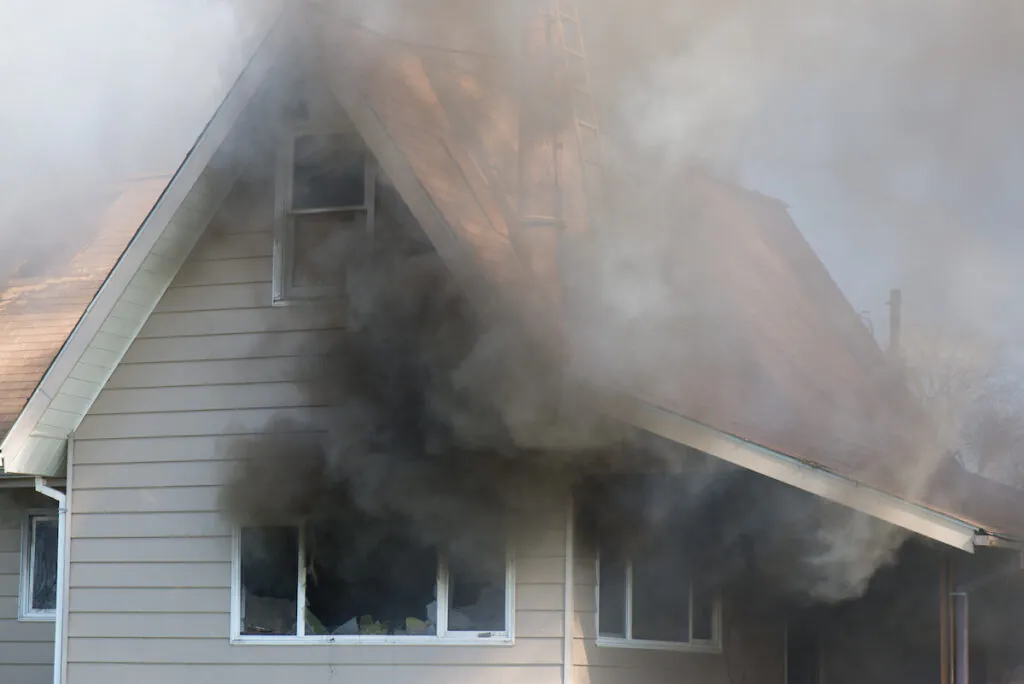
Even after a fire is extinguished, smoke, soot, and odor can continue to affect your home. Fire damage restoration services address visible damage while also helping reduce lingering effects that impact indoor air quality and surfaces.
Explore Our Fire and Smoke Damage Restoration Services
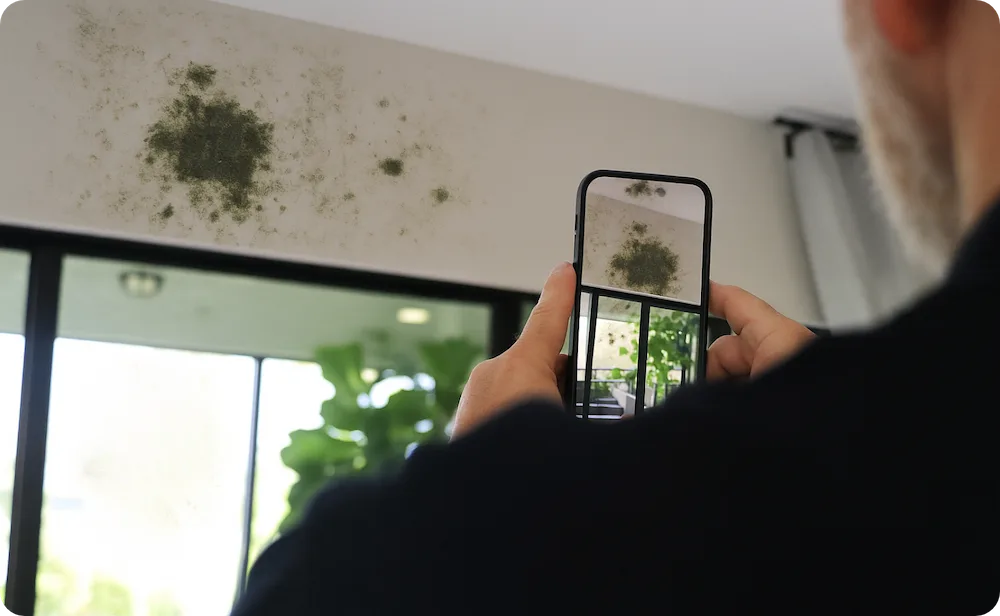
Mold often develops as a result of unresolved moisture or hidden water damage. Professional mold remediation helps identify affected areas, contain growth, and restore healthy indoor conditions.
Explore Our Mold Removal and Remediation Services
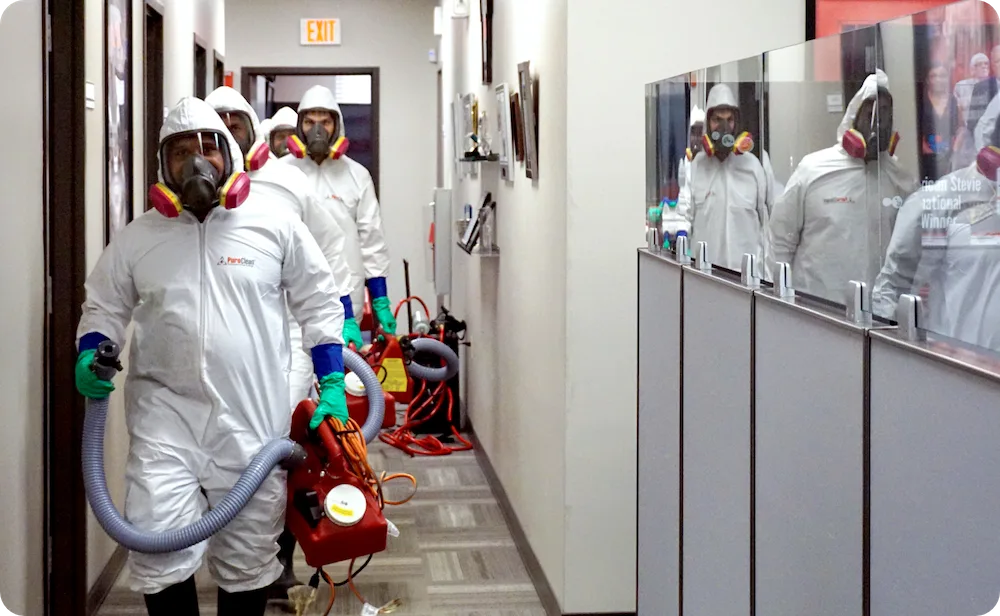
Biohazard situations, including crime scene cleanup and virus decontamination, require specialized cleaning and handling to protect health and safety. Biohazard cleanup services address contamination using proper protocols and professional care.
Explore Our Biohazard Cleanup Services
In some cases, property damage requires repairs beyond cleanup and mitigation. Reconstruction services help restore damaged areas of the home after water, fire, or other incidents, supporting a smoother transition from damage to recovery.
Explore Our Reconstruction Services Services
PuroClean provides 24/7 commercial property damage restoration services for businesses and facilities across the United States.
Explore Our Commercial Services
Water damage can result from unexpected leaks, flooding from storms, plumbing failures, or appliance malfunctions. Our certified teams focus on rapid water removal, drying, and stabilization to help prevent further damage and mold growth.
Explore Our Water Damage Mitigation Services

PuroClean of West Antelope Valley
(661) 544-1885
39529 Dunbar Street, Palmdale, CA 93551