 PuroClean of West Los Angeles
As we navigate through 2025, homeowners in West Los Angeles are more attuned than ever to the quality of their indoor environment. With increasing awareness of health and well-being, the presence of mold, particularly the dreaded “black mold,” has become a significant concern. While all mold growth warrants attention, the appearance of black mold in your air vents raises specific questions about health risks and necessary interventions. PuroClean of West Los Angeles is here to shed light on this issue, helping you identify the signs, understand the potential dangers, and know when to seek professional help.
The Hidden Threat: Why Air Vents are a Prime Location for Mold
Your HVAC (Heating, Ventilation, and Air Conditioning) system is designed to circulate air throughout your home, ensuring comfortable temperatures year-round. However, this very system can inadvertently become a breeding ground for mold, especially in its air ducts and vents. Mold thrives in dark, damp, and undisturbed environments, and the interior of your air vents often provides just that.
Several factors contribute to mold growth in air vents:
- Moisture: This is the most critical element. Condensation within the ducts due to temperature differences, leaky pipes near the HVAC unit, or even high indoor humidity can create the perfect moist conditions for mold spores to flourish.
- Organic Material: Dust, dirt, pet dander, and other airborne particles that accumulate in your ducts serve as a food source for mold.
- Lack of Light: Air ducts are inherently dark, offering an ideal environment for mold, which prefers to grow away from direct sunlight.
- Poor Ventilation: Inadequate airflow or blocked ducts can create stagnant air pockets, further encouraging mold growth.
While various types of mold can grow in air vents, the term “black mold” often refers to Stachybotrys chartarum. It’s important to note that not all black-colored mold is Stachybotrys chartarum, and many common molds can appear black, green, or gray. However, regardless of the specific species, any significant mold growth in your air vents is a problem that needs to be addressed.
READ ALSO: Garage Fire Safety Tips for Los Angeles Homes in 2025: Protecting Your Property and Loved Ones
Unmasking the Mold: Key Signs to Look For
Identifying mold in your air vents can be tricky, as much of it is hidden from plain sight. However, there are several tell-tale signs that should prompt further investigation:
- Musty or Earthy Odors: This is often the first and most common indicator. If you notice a persistent, damp, or musty smell, particularly when your HVAC system is running, it’s a strong sign that mold is growing somewhere in your ducts. This odor is caused by microbial volatile organic compounds (mVOCs) released by the mold. The smell might be more noticeable in certain rooms or when the system has been off for a while.
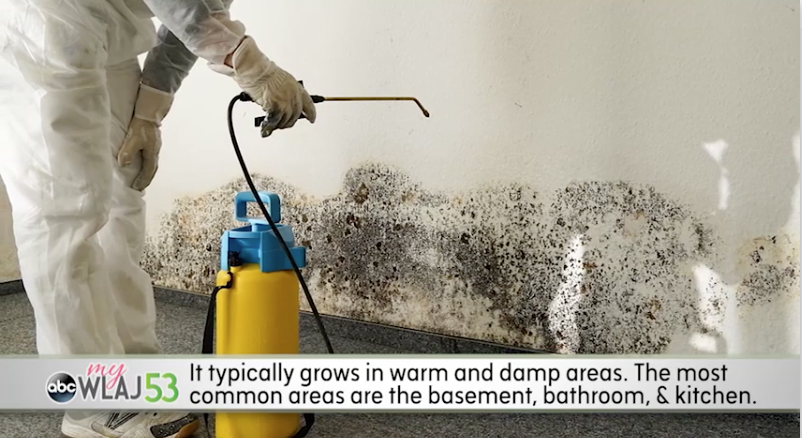
- Visible Mold Growth: While much of the mold may be out of sight, you might spot signs of it around the air vents themselves. Look for black, green, or even fuzzy white patches on or around the vent covers, inside the vent opening, or on nearby walls and ceilings. These spots might look like dirt initially, but if they recur after cleaning or have a slimy texture, it’s likely mold.
- Increased Allergy-Like Symptoms: If you or members of your household are experiencing unexplained or worsening allergy symptoms, mold in your air vents could be the culprit. These symptoms can include:
- Sneezing, coughing, and nasal congestion
- Itchy, watery, or red eyes
- Sore throat or irritated sinuses
- Skin rashes
- Respiratory Issues: For individuals with pre-existing respiratory conditions like asthma, mold exposure can significantly worsen symptoms, leading to wheezing, shortness of breath, and chest tightness. Even for those without pre-existing conditions, prolonged exposure can lead to general respiratory irritation.
- Excess Moisture or Condensation: Observe if there are any signs of water damage, staining, or excessive condensation around your air vents or on the ductwork itself. This indicates a moisture problem that could be fueling mold growth. Water stains on ceilings or walls near vents are also red flags.
- Fuzzy Growth on Vent Covers: Sometimes, what appears to be a buildup of dust on your vent covers can actually be mold. If the “dust” has a fuzzy or textured appearance and doesn’t wipe away easily, or reappears quickly, it’s worth a closer look.
Should You Be Worried in 2025? Understanding the Health Risks
In 2025, the understanding of mold and its health implications continues to evolve. While the sensationalized dangers of “toxic black mold” are often exaggerated, it’s crucial to understand that any mold growth, including Stachybotrys chartarum, can pose health risks, especially when it’s present in your HVAC system and actively distributing spores throughout your living space.
Here’s a breakdown of the potential concerns:
- Allergic Reactions: This is the most common health effect of mold exposure. When mold spores become airborne and are inhaled, they can trigger an immune response in sensitive individuals. Symptoms are similar to those of seasonal allergies and can range from mild to severe.
- Respiratory Irritation: Even for individuals without mold allergies, exposure to mold spores and mVOCs can irritate the eyes, nose, throat, and lungs. This can lead to coughing, wheezing, and a general feeling of discomfort.
- Asthma Exacerbation: For those with asthma, mold exposure can be a significant trigger, leading to more frequent and severe asthma attacks.
- Hypersensitivity Pneumonitis: In rare cases, prolonged or intense exposure to mold can lead to hypersensitivity pneumonitis, an immune system disorder that causes inflammation of the lungs. Symptoms can mimic the flu or pneumonia and, if left unaddressed, can lead to permanent lung damage.
- Fungal Infections (Mycosis): While less common in individuals with healthy immune systems, people with compromised immune systems (e.g., those with HIV, transplant patients, or individuals undergoing chemotherapy) are at a higher risk of developing fungal infections from mold exposure. These infections can affect the airways and other parts of the body.
It’s important to remember that the severity of symptoms can vary greatly depending on the individual’s sensitivity, the amount of mold present, and the duration of exposure. While black mold (Stachybotrys chartarum) is often highlighted for its potential to produce mycotoxins, which can be harmful, the CDC and other health organizations emphasize that all types of mold can cause similar health issues. The key takeaway is that any mold growth in your home, particularly in your air vents where it can become airborne, should be taken seriously.
The DIY Dilemma: Why Professional Mold Remediation is Crucial
Upon discovering signs of mold in your air vents, your first instinct might be to grab some cleaning supplies and tackle it yourself. However, when it comes to mold in HVAC systems, DIY approaches are generally not recommended and can often do more harm than good.
READ ALSO: Water Damage Restoration Services: A Comprehensive Guide
Here’s why professional mold remediation is essential:
- Containment of Spores: Disturbing mold without proper containment can release a massive amount of spores into the air, spreading the problem to other areas of your home and increasing exposure risks. Professionals use specialized containment techniques to prevent this.
- Thorough Cleaning and Removal: Mold in air vents isn’t just a surface issue. It often grows deep within the ductwork, and simply wiping down visible areas won’t eliminate the problem. Professionals have the specialized tools and cleaning agents to thoroughly clean and disinfect the entire duct system.
- Identifying the Moisture Source: Mold is a symptom of an underlying moisture problem. A professional mold remediation service like PuroClean of West Los Angeles will not only remove the mold but also identify and address the source of the moisture to prevent future recurrence. This might involve repairing leaks, improving ventilation, or managing humidity levels.
- Safety Precautions: Mold remediation involves working with potentially hazardous materials. Professionals are equipped with appropriate personal protective equipment (PPE) to ensure their safety and prevent cross-contamination.
- Verification of Removal: Reputable mold remediation companies will often offer post-remediation testing to ensure that mold levels have returned to normal, giving you peace of mind.
- Specialized Equipment: Standard household cleaning products are often ineffective against mold and can sometimes even feed it. Professionals use industrial-grade HEPA vacuums, air scrubbers, and antimicrobial agents specifically designed for mold removal.
The PuroClean of West Los Angeles Advantage: Your Partner in Mold Remediation

When faced with mold in your air vents, you need a trusted and experienced partner to restore your home to a safe and healthy condition. PuroClean of West Los Angeles is a leader in property restoration, specializing in comprehensive mold remediation services. We understand the unique challenges of mold in HVAC systems and are committed to providing efficient, effective, and lasting solutions.
Here’s what sets PuroClean of West Los Angeles apart:
- 24/7 Emergency Service: Mold problems often require immediate attention. Our team is available around the clock to respond to your property damage emergencies.
- Experienced and Certified Technicians: Our technicians are highly trained at the PuroClean Academy and hold multiple industry certifications. They possess extensive knowledge and expertise in mold detection, containment, and removal.
- Advanced Technology and Techniques: We utilize the latest technology and cleaning techniques, including HEPA filtration and specialized vacuums, to detect existing mold and remove it efficiently, containing spores to prevent spread.
- Thorough Assessment and Scope: We begin with a meticulous inspection to visually assess your vents and ductwork, use moisture meters to check humidity levels, and perform air quality tests if necessary to determine the full extent of the mold growth and identify its source.
- Comprehensive Remediation Process: Our mold removal process involves:
- Containment: Isolating the affected area to prevent the spread of mold spores.
- Air Filtration: Using HEPA air scrubbers to clean the air of airborne mold spores.
- Mold Removal: Safely and efficiently removing mold from affected surfaces and materials. This includes cleaning and disinfecting the ductwork using appropriate tools and EPA-approved antimicrobial agents.
- Drying and Dehumidification: Thoroughly drying the affected areas to prevent future mold growth. This may involve using industrial-grade dehumidifiers.
- Cleaning and Sanitization: Cleaning and sanitizing all affected surfaces and contents.
- Restoration: Repairing or replacing any materials damaged by mold.
- Focus on Source Elimination: We prioritize identifying and addressing the root cause of the moisture to prevent recurring mold issues. This might involve recommending repairs to leaky pipes, improving insulation, or suggesting humidity control measures.
- Insurance Coordination: We work with most insurance companies, helping you navigate the claims process and ensuring a smooth restoration experience.
- Customer-Centric Approach: We pride ourselves on clear communication, professionalism, and a commitment to customer satisfaction. Our testimonials speak to our dedication to providing trustworthy and reliable service.
Preventing Future Mold Growth in Your HVAC System
Once mold has been remediated, proactive measures are crucial to prevent its return. In 2025, maintaining a healthy indoor environment is easier with these tips:
- Control Indoor Humidity: Aim to keep indoor humidity levels between 30% and 50%. This can be achieved through proper ventilation, using exhaust fans in bathrooms and kitchens, and utilizing dehumidifiers in damp areas, especially during humid West Los Angeles summers.
- Regular HVAC Maintenance: Schedule annual inspections and cleanings of your HVAC system by a qualified professional. This includes checking for leaks in ductwork, ensuring proper drainage from condensation pans, and cleaning coils.
- Change Air Filters Regularly: Use high-efficiency air filters (MERV 8 or higher) and replace them according to the manufacturer’s recommendations, typically every 1-3 months. This helps capture airborne mold spores and other contaminants before they can settle and grow.
- Address Water Leaks Promptly: Immediately repair any water leaks in your plumbing, roof, or walls. Even small, seemingly insignificant leaks can lead to significant mold growth over time.
- Ensure Proper Ventilation: Make sure all exhaust fans are working correctly and that your home has adequate airflow, especially in areas prone to moisture.
- Consider UV Light Installation: Some homeowners choose to install UV lights within their HVAC systems. These lights can kill mold spores and other microorganisms as air passes through the ducts.
The Bottom Line for West Los Angeles Homeowners in 2025
The presence of black mold, or any mold, in your air vents is a significant concern that warrants immediate attention. While it’s natural to be worried, especially with the increased focus on indoor air quality, remember that professional help is readily available.
Don’t attempt to tackle a widespread mold problem in your HVAC system yourself. The potential health risks and the complexity of complete remediation make it a job best left to the experts. PuroClean of West Los Angeles is your trusted partner for comprehensive mold remediation. We are dedicated to restoring your peace of mind and ensuring a healthy, mold-free indoor environment for you and your family in 2025 and beyond.
If you suspect black mold in your air vents or are experiencing any of the signs discussed, don’t hesitate. Contact PuroClean of West Los Angeles today at (424) 454-1170 for a professional assessment and effective mold remediation services. Your health and home deserve the very best.
 PuroClean of West Los Angeles