


Table of Contents
Water damage restoration services are professional, standards-based processes designed to stop water intrusion, remove moisture, prevent mold, and restore properties safely. Whether caused by leaks, flooding, or appliance failures, water damage must be addressed quickly and correctly to avoid structural deterioration, health risks, and costly repairs. In 2025, effective restoration follows IICRC standards, uses advanced moisture detection, and includes clear documentation for insurance claims.
How Water Damage Restoration Services Work
Water damage restoration services involve assessing water intrusion, extracting water, drying affected materials, cleaning and sanitizing impacted areas, and restoring the property to its pre-loss condition.
The process is time-sensitive. Delays allow moisture to migrate into walls, floors, and structural components, increasing the risk of mold growth and material failure.
Common Types and Sources of Water Damage
Water damage can come from many sources, each requiring a specific restoration approach.
Common Causes of Water Damage
- Plumbing leaks (burst pipes, failed water heaters, sump pump issues)
- Roof leaks caused by damaged shingles or poor drainage
- Appliance failures (washing machines, dishwashers, refrigerators)
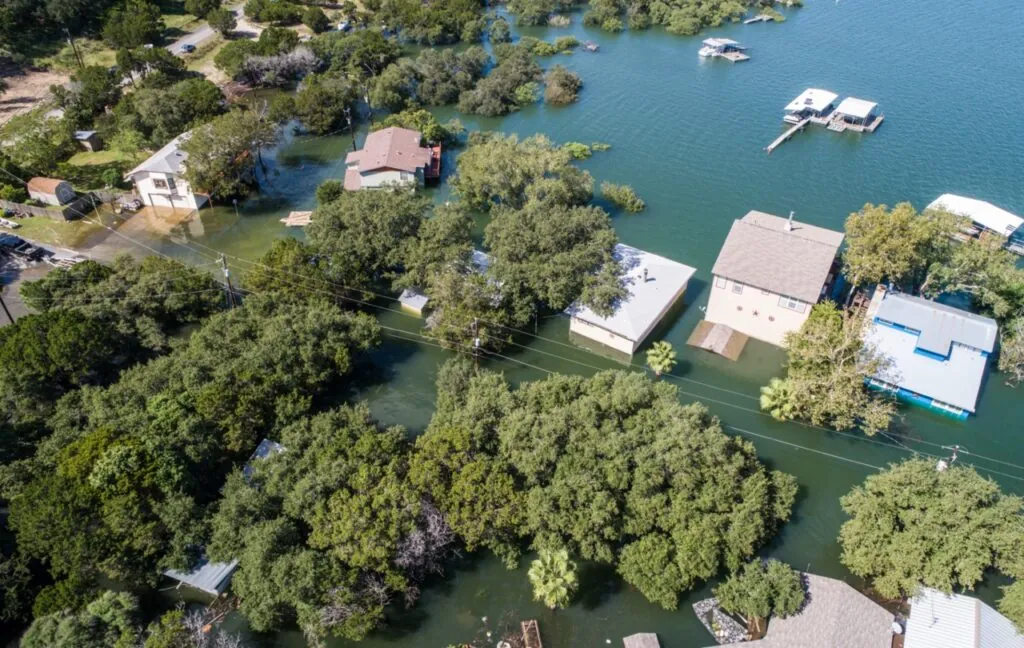
- Flooding and storm damage from heavy rain or hurricanes
- Sewage backups, which pose serious health hazards
- HVAC condensation issues that cause ongoing moisture buildup
- Foundation and basement leaks that often go unnoticed
Each source presents different contamination levels and drying challenges.
Understanding Water Damage Categories
Professionals classify water damage by contamination level to determine safety protocols.
Water Categories Explained
- Category 1 – Clean Water: Low risk (broken supply lines, rainwater)
- Category 2 – Gray Water: Contains contaminants; can cause illness
- Category 3 – Black Water: Highly contaminated (sewage, floodwater)
Correct categorization is critical for protecting occupants and choosing proper remediation methods.
Structural and Health Impacts of Water Damage
Unresolved water damage can quickly escalate.
Structural Risks
- Warped or rotted wood
- Weakened drywall and insulation
- Corroded metal and fasteners
- Electrical hazards and short circuits
Health Risks
- Mold growth within 24–72 hours
- Poor indoor air quality
- Respiratory irritation and allergic reactions
These risks are why professional water damage cleanup is strongly recommended instead of DIY drying.
The Water Damage Restoration Process: From Emergency to Recovery
Modern water damage restoration services follow a structured, science-based approach.
Step-by-Step Restoration
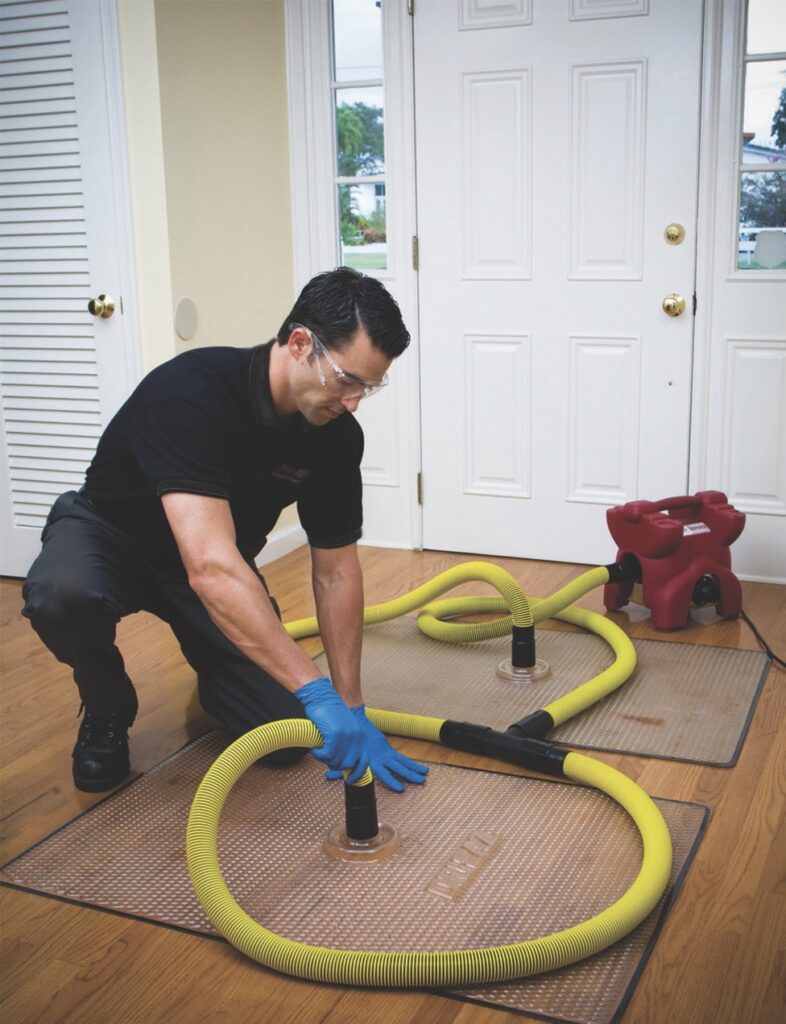
Emergency Response & Inspection – Rapid assessment and moisture mapping
Water Extraction – Removal of standing water using industrial equipment
Drying & Dehumidification – Controlled drying of structural materials
Cleaning & Sanitization – Antimicrobial treatments and odor control
Restoration & Repairs – Rebuilding and returning the property to pre-loss condition
This process follows IICRC drying standards and uses tools like infrared cameras and moisture meters to ensure no hidden moisture remains.
Why Professional Restoration Matters
Choosing professional water damage restoration services protects both property and occupants.
Key Benefits
- Faster response reduces long-term damage
- IICRC-certified technicians ensure compliance and safety
- Advanced drying equipment improves outcomes
- Proper documentation supports insurance claims
- Mold prevention safeguards health
Professional restoration is not just cleanup—it’s risk management.
Prevention Tips for Property Owners
Preventive steps reduce the likelihood of major water damage.
Practical Prevention Measures
- Inspect plumbing, appliances, roofs, and gutters regularly
- Install water leak detection sensors in high-risk areas
- Maintain proper grading around foundations
- Know how to shut off your water supply quickly
Early detection significantly lowers restoration costs.
FAQs About Water Damage Restoration Services
How quickly should water damage be addressed?
Immediately. Standing water and moisture can cause mold growth within 24–72 hours.
Do water damage restoration services prevent mold?
Yes. Proper drying and sanitization are designed to prevent mold from developing.
Is water damage always visible?
No. Moisture often spreads behind walls, under floors, and into insulation.
Will insurance cover water damage restoration?
Coverage depends on the source of the damage and policy terms. Professional documentation helps support claims.
Can I handle water damage myself?
Minor spills may be manageable, but hidden moisture and contamination require professional equipment and expertise.
Restoring Property and Peace of Mind
Water damage restoration services are about more than fixing visible damage—they protect structural integrity, indoor air quality, and long-term property value. Understanding water categories, causes, and professional processes empowers property owners to act quickly and avoid costly consequences.
Call PuroClean for Expert Water Damage Restoration Services
When water damage strikes, professional help makes the difference. PuroClean provides 24/7 emergency response, IICRC-certified technicians, and advanced drying systems to restore homes and businesses safely and efficiently.
Call now at (800) 775-7876 to schedule professional water damage restoration and protect your property.
Key Takeaways
- Water damage restoration services follow strict industry standards
- Fast response limits structural and health damage
- Water categories determine cleanup requirements
- Hidden moisture is a major risk factor
- Professional drying prevents mold growth
- Documentation supports insurance claims
- Prevention and early action reduce costs



