


West Phoenix experiences intense heat, rapid temperature swings, and seasonal monsoon bursts. These conditions place constant stress on building materials. When moisture enters a structure during a storm, the materials expand. As temperatures rise again, those same materials contract. This repeated movement creates openings that allow more water to enter during the next weather event.
Once water settles inside flooring, drywall, or insulation, deterioration accelerates. Surfaces begin to swell, discolor, and weaken. Immediate action through Water Damage Restoration limits the spread of moisture and prevents deeper structural decline. Addressing the intrusion early protects the building from further breakdown as the weather cycle continues.
Why Does Fire Damage Continue to Spread After the Flames Are Out?
Fire affects far more than the areas touched by flames. Heat travels through wall cavities and ceilings, weakening materials that appear undamaged. Smoke particles settle deep into porous surfaces, creating persistent odors and staining. Even after the fire is extinguished, soot continues to interact with metals, fabrics, and finishes.
Fire damage restoration removes these corrosive particles before they cause further harm. When smoke residue remains in place, it reacts with humidity and forms acidic deposits. This leads to discoloration and the breakdown of protective coatings. Restoring the property promptly stops this chemical process and prevents the spread of secondary damage.
How Does Mold Spread So Quickly After Moisture Exposure?
Mold grows rapidly in enclosed spaces where moisture lingers. Once water enters a wall cavity or flooring system, humidity rises inside that space. Mold spores, which are already present in most environments, begin to grow within 24 to 48 hours. As the colony expands, it releases particles that travel through the air and settle on nearby surfaces.
Mold removal and remediation interrupt this cycle by eliminating the moisture source and removing contaminated materials. When mold remains in place, it spreads into adjacent rooms and affects indoor air quality. Addressing the issue early prevents the colony from expanding and restores a safer environment for occupants.
What Makes Biohazard Situations So Urgent to Resolve?
Biohazard incidents introduce contaminants that can spread quickly through contact or airborne particles. When these materials remain inside a property, they affect surfaces, ventilation systems, and personal belongings. The longer the contaminants stay in place, the more difficult the cleanup becomes.
Biohazard cleanup removes these hazards through controlled procedures that isolate affected areas. This prevents the spread of contaminants into clean spaces and restores the property to a safe condition. Prompt action reduces the impact on the building and protects the people who use it.
Why Do Damaged Structures Require Reconstruction After a Major Event?
Storms, fires, and water intrusions weaken the structural integrity of a building. Once materials lose their strength, they cannot support the load they were originally intended to carry. Even after cleanup, the property may require rebuilding to restore its stability.
Reconstruction services replace compromised components and return the structure to a functional state. When damaged materials remain in place, they continue to weaken and affect the surrounding areas. Rebuilding the affected sections restores the property’s strength and prepares it for future use.
How Do Commercial Properties Experience Greater Impact During Disasters?
Commercial buildings often contain larger mechanical systems, higher occupancy levels, and more complex layouts. When water, fire, or contaminants enter these spaces, the effects spread quickly through interconnected rooms and shared ventilation systems. The disruption affects business operations and increases the scope of restoration.
When these issues are not addressed promptly, the impact spreads across multiple units or floors. Restoring the commercial property quickly supports business continuity and protects the building’s long‑term function.
The National Response Team mobilizes quickly when large incidents occur. Their rapid arrival brings the support needed to stabilize the affected property. Crews assess the situation immediately to determine the safest path forward. Once the area is secure, recovery procedures can begin without delay. This coordinated approach helps reduce further deterioration and restores order after significant disruption.
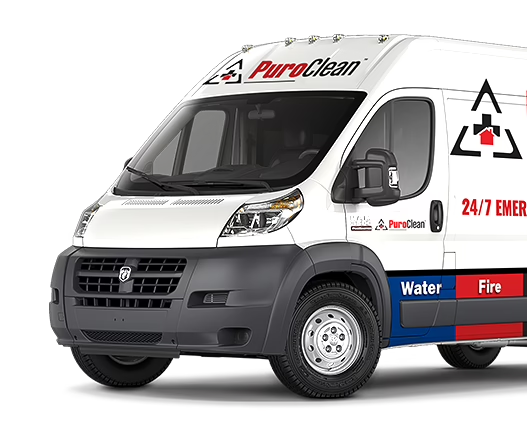
PuroClean of West Phoenix delivers the expertise needed to restore properties impacted by water, fire, mold, or biohazard incidents. Each season in Arizona brings conditions that can intensify existing damage, making it essential to work with a team that responds quickly, evaluates the full scope of the situation, and applies reliable restoration methods. Addressing these issues now reduces further deterioration and supports the continued safety of the structure.
