


A fire, whether small or large, can be a devastating experience. Beyond the immediate damage caused by flames, the aftermath often leaves behind soot, smoke odor, and fire residue that can linger for weeks or even months if not properly addressed. Cleaning up after a fire is a daunting task, but with the right knowledge, tools, and techniques, you can restore your home to its pre-fire condition.
In this comprehensive guide, we’ll walk you through the steps to effectively remove soot, eliminate smoke odor, and clean fire residue from your home.

Understanding the Aftermath of a Fire
Before diving into the cleanup process, it is important to understand what you’re dealing with. Fires leave behind three main types of residue:
- Soot: This is a black, powdery or greasy substance that consists of carbon particles. Soot is produced when materials burn incompletely and can adhere to surfaces, causing discoloration and damage.
- Smoke Odor: smoke penetrates porous materials like fabrics, walls, and furniture, leaving behind a persistent, unpleasant smell.
- Fire Residue: This includes ash, charred materials, and other debris left behind after a fire.
Each of these requires specific cleaning methods to ensure they are fully removed. Let’s break down the process step by step.
Step 1: Safety First
Before you begin cleaning, prioritize safety. Fires can compromise the structural integrity of your home, and the residue left behind can be hazardous to your health. Here’s what to do:
- Wait for Clearance: Do not re-enter your home until firefighters or local authorities have declared it safe.
- Wear Protective Gear: Use gloves, goggles, and an N95 mask to protect yourself from soot, ash and harmful chemicals.
- Ventilate the Area: Open windows and doors to allow fresh air to circulate and reduce smoke odor.
- Turn off HVAC Systems: Prevent soot and smoke particles from spreading through your home’s ventilation system.
Step 2: Assess the Damage
Take a thorough inventory of the damage. Identify which areas and items are salvageable and which need to be discarded. Porous materials like upholstery, carpets and mattresses may need professional cleaning or replacement if heavily damaged.
Step 3: Remove Soot from Surfaces
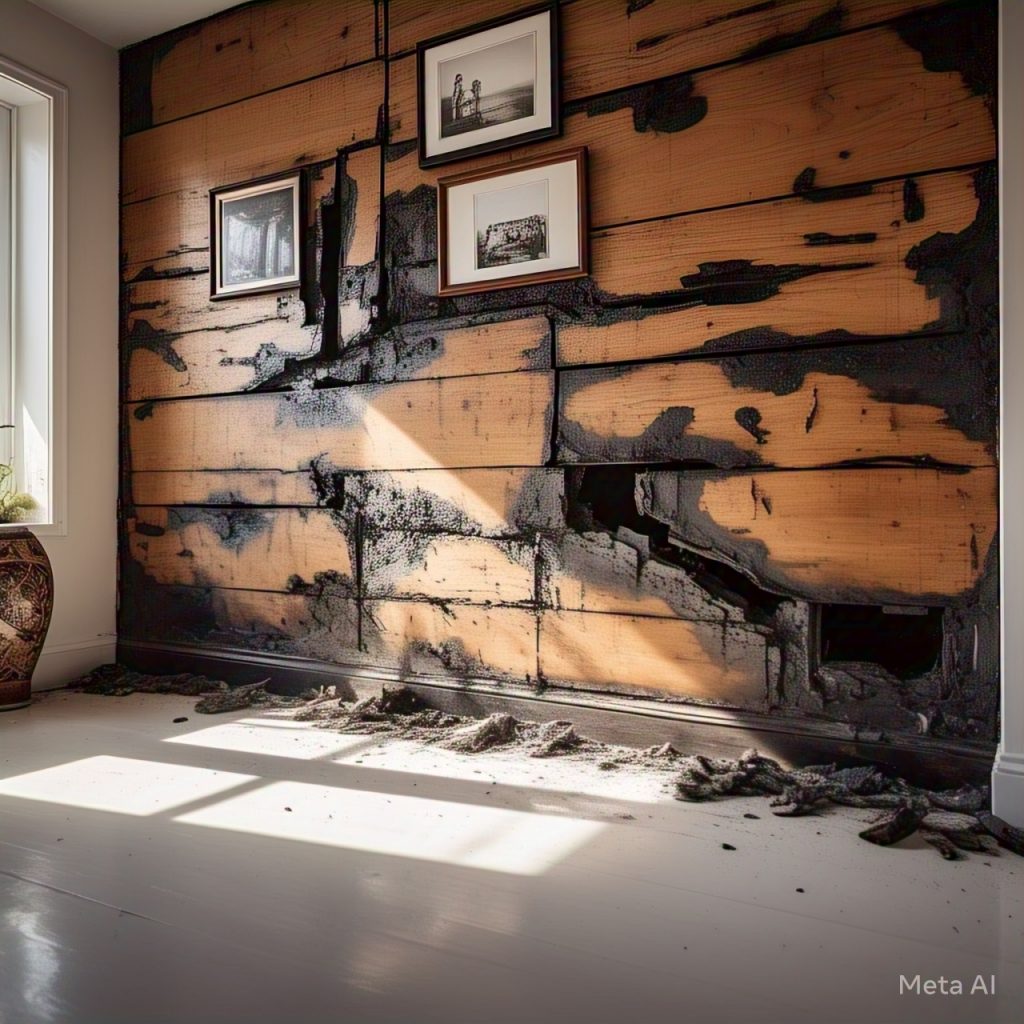
Soot is one of the most challenging aspects of fire cleanup. It can stain surfaces and cause long-term damage if not removed promptly. Here’s how to tackle it:
Walls and Ceilings Soot Removal Process
- Start by dry cleaning: Use a vacuum with a HEPA filter or a dry sponge to remove loose soot. Avoid using water initially, as it can smear the soot and make it harder to clean.
- Wah with a cleaning solution: Mix warm water with a mild detergent or a specialized soot remover. Use a sponge or cloth to gently scrub the surface. Rinse with clean water and dry thoroughly.
- For stubborn stains: Use a degreaser or trisodium phosphate (TSP) solution, but be cautious as these chemicals can be harsh.
Hard Surfaces (Floors, Countertops and Furniture)
- Vacuum or wipe away loose soot.
- Clean with a mixture of warm water and dish soap or a specialized cleaner.
- For wood surfaces, use a wood cleaner to prevent damage.
Fabrics and Upholstery
- Shake out loose soot outdoors.
- Use a vacuum with an upholstery attachment to remove remaining particles.
- For washable fabrics, launder with a heavy-duty detergent and add a cup of vinegar to neutralize odors.
- For non-washable items, consider professional cleaning.
Step 4: 5 Ways to Eliminate Smoke Odor
Smoke odor can be persistent and difficult to remove. Here are some effective methods:
Ventilation
- Open windows and doors to allow fresh air to circulate.
- Use fans to improve airflow.
Air Purifiers
- Invest in a high-quality air purifier with a HEPA filter to remove smoke particles from the air.
Odor Absorbers
- Place bowls of activated charcoal, baking soda, or coffee ground around the affected areas to absorb odors.
- Use odor-absorbing gels or sprays designed for smoke removal.
Cleaning Surfaces
- Wash walls, floors and furniture with a mixture of vinegar and water or a commercial smoke odor neutralizer.
- Don’t forget to clean hidden areas like inside cabinets and closets.
Ozone Treatment
- Consider renting an ozone generator, which can break down smoke molecules and eliminate odors. Note that ozone treatment requires vacating the home during use, as zone can be harmful to breathe.
Step 5: Clean Fire Residue and Debris
Fire residue includes ash, charred materials, and other debris. Here’s how to handle fire residue and debris after a fire incident:
- Wear Protective Gear: Ash can be toxic, so always wear gloves, a mask and goggles.
- Remove Debris: Use a shovel and broom to collectt large pieces of debris. Dispose of them in heavy-duty trash bags.
- Vacuum Ash: Use a vacuum with a HEPA filter to remove fine ash particles from surfaces.
- Clean HVAC Systems: Hire a professional to clean your ducts and vents to prevent ash and soot from circulating.
Step 6: Restore and Repair after a Fire Incident
Once the cleaning process is complete, it’s time to restore your home:
- Repaint Walls and Ceilings: After cleaning, repaint affected areas with a stain blocking primer and paint to cover any remaining discoloration.
- Replace Damaged Items: Discard items that cannot be salvaged, such as heavily charred furniture or electronics.
- Deep Clean Carpets and Rugs: steam clean or hire a professional to remove any lingering soot or odor.
Step 7: How to Prevent Future Fires
While cleaning up after a fire, take steps prevent future incidents:
- Install smoke detectors on every level of your home and test them regularly.
- Keep fire extinguishers in key areas like the kitchen and garage.
- Avoid overloading electrical outlets and inspect wiring for damage.
- Create a fire escape plan and practice it with your family.

When to Call Professionals
While many aspects of fire cleanup can be done on your own, some situations require professional assistance:
- Severe Damage: If the fire caused extensive structural damage, hire a restoration company to handle repairs.
- Health Concerns: If you’re unsure about the safety of cleaning certain materials, consult professionals.
- Persistent Odors: If smoke odor persists despite your efforts, professionals have specialized equipment to eliminate it.
Conclusion
Recovering from a fire is a challenging process, but with patience and the right approach, you can restore your home and move forward. By following these steps to remove soot, eliminate smoke soot, eliminate smoke odor, and clean fire residue, you’ll be well on your way to reclaiming your space. Remember, safety is paramount, and seeking professional help when needed can make all the difference. While the scars of a fire may remain, your home and your life can be rebuilt stronger than ever.
If you found this guide helpful, share it with others who may be facing similar challenges. Together, we can help each other recover and rebuild after life’s most difficult moments.